Skip to content
Profit means gain; prophet can mean messenger

Understanding the Difference Between Profit and Prophet: Using Them Appropriately for Clear Communication

    Have you ever wondered about the difference between profit and prophet? In this text, I’ll jump into the nuances of these two words and explore how they can be appropriately used in different contexts. As an expert blogger with years of experience, I’ll provide you with a clear understanding of the meanings and usage of these terms. Whether you’re a business owner looking to maximize your profit o
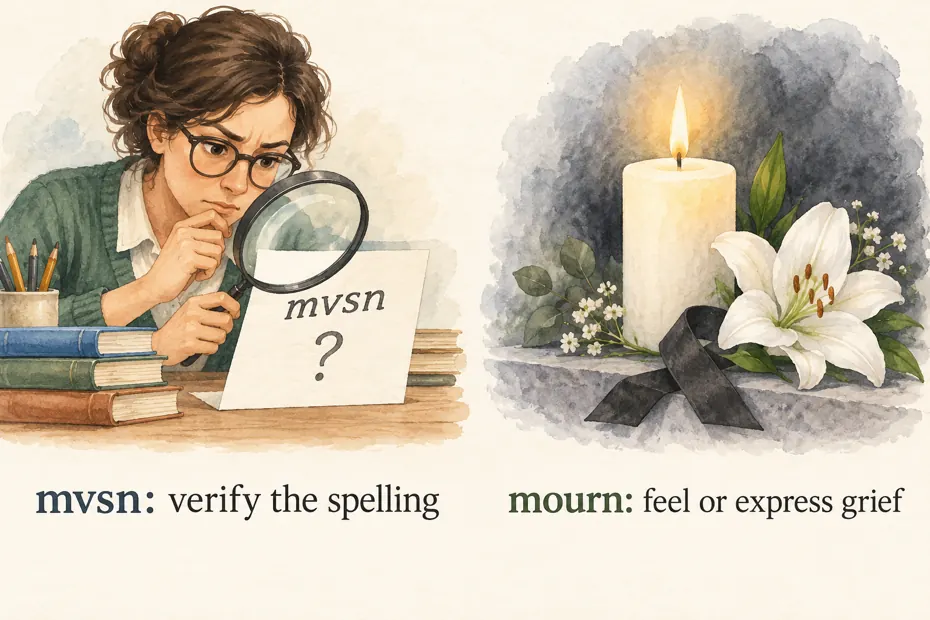

    Mvsn needs spelling verification; mourn means to feel or express grief.

    Mastering the Usage of “mvsn” vs “mourn”: Tips for Proper Appropriation

      When it comes to choosing the right word for a particular situation, the English language can be quite tricky. One such dilemma that often arises is deciding between “mvsn” and “mourn.” As an expert in language and communication, I have encountered this question countless times. In this text, I’ll provide you with a clear understanding of when and how to use “mvsn” and “mourn” appropriately. By th

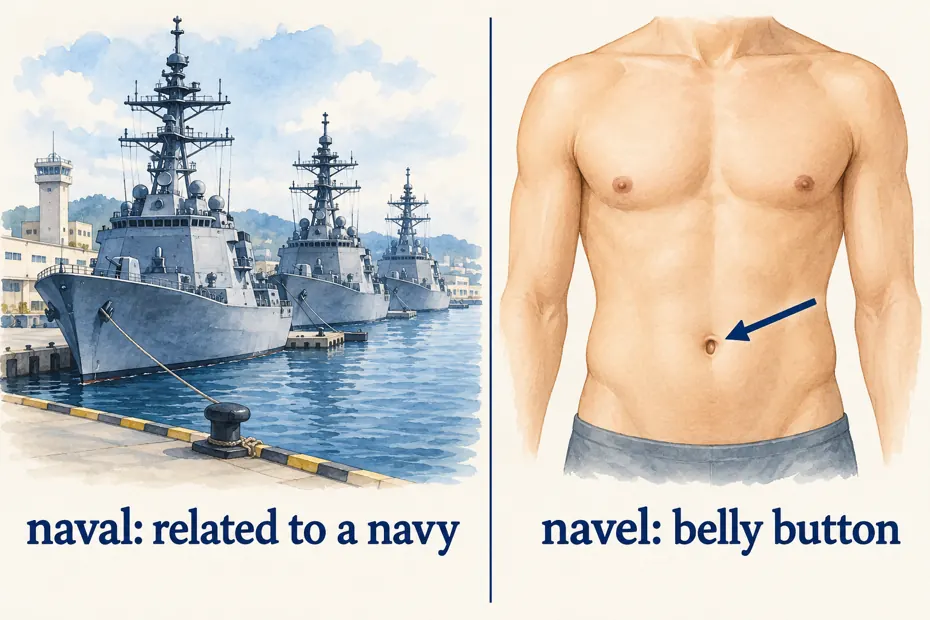
      Naval means related to a navy; navel means belly button.

      Naval vs Navel: Understanding the Difference and Using Them Appropriately

        Have you ever found yourself confused between “naval” and “navel”? Don’t worry, you’re not alone. These two words may sound similar, but they have completely different meanings. In this text, I’ll be diving into the nuances of “naval” and “navel” and how to use them appropriately in your writing. Whether you’re a seasoned writer or just starting out, understanding the distinction between these wor

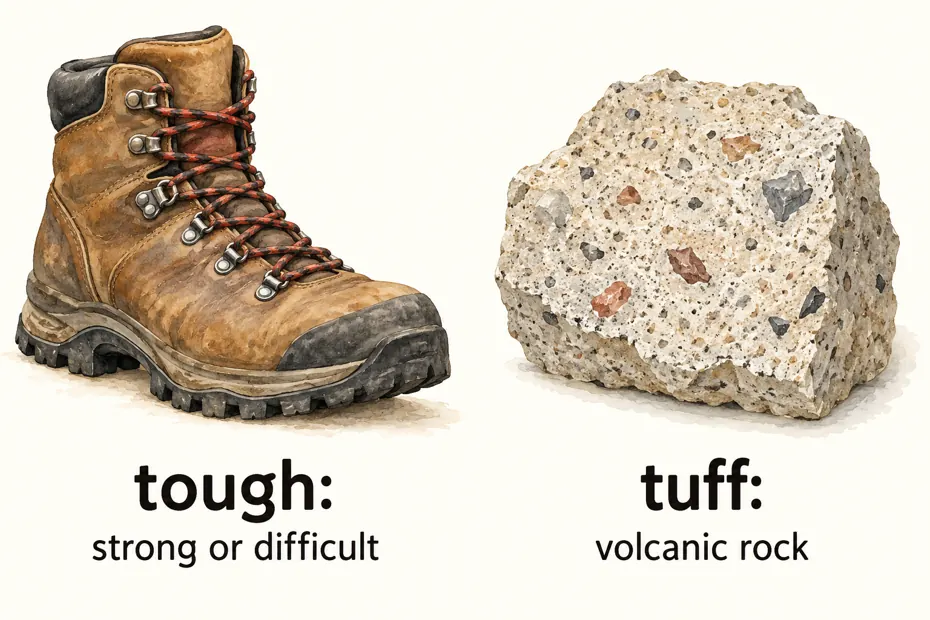
        Tough describes strength or difficulty; tuff names volcanic rock.

        Tough vs Tuff: Understanding Proper Usage and Context

          Have you ever found yourself confused about when to use “tough” and when to use “tuff”? Well, I’ll let you in on a little secret: it’s all about context. In this text, I’ll walk you through the subtle differences between these two words and how to use them appropriately. Understanding the nuances can make a big difference in your writing, whether it’s for a professional email or a casual social me

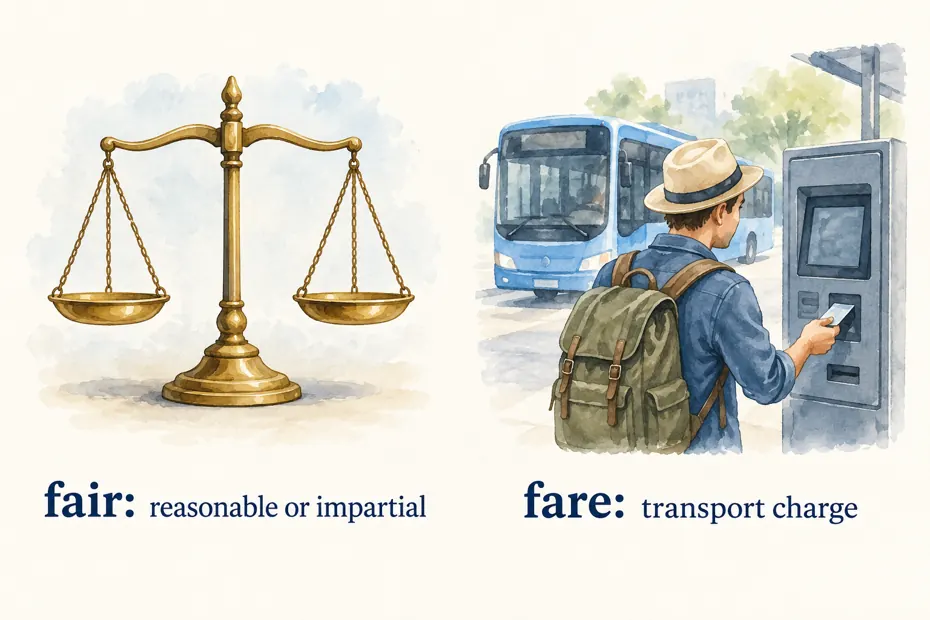
          Fair means reasonable or impartial; fare can mean a transport charge.

          Fair vs Fare: Proper Usage and Importance of Choosing the Right Word

            Have you ever found yourself confused between the words “fair” and “fare”? Don’t worry, you’re not alone. These two words may sound similar, but they have completely different meanings. In this text, I’ll guide you through the proper usage of “fair” and “fare” so that you can avoid any embarrassing mistakes.
            First, let’s talk about “fair.” It’s commonly used to describe something that is just, imp

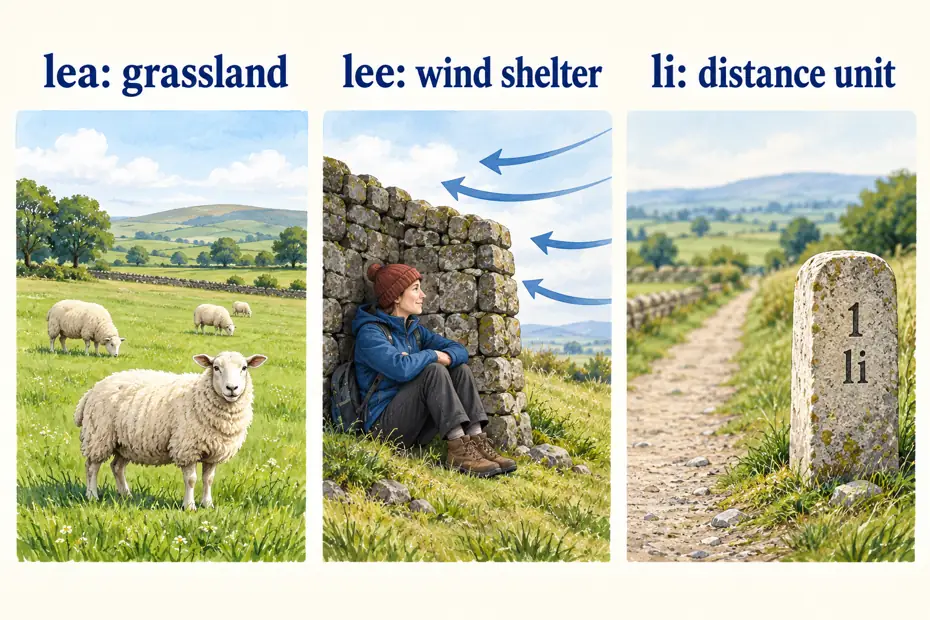
            Lea means grassland, lee means wind shelter, and li is a distance unit.

            Decoding the Differences: Understanding and Using “Lea,” “Lee,” and “Li” Appropriately

              Have you ever found yourself confused about when to use “lea,” “lee,” or “li” in your writing? As a language enthusiast, I’ve encountered this dilemma numerous times. In this text, I’ll shed light on the appropriate usage of these three words and help you navigate this linguistic maze with confidence.
              We’ll explore the differences between “lea,” “lee,” and “li,” and provide practical examples to i

              Bar has many meanings; barre names a ballet handrail or exercise regimen.

              Understanding the Difference: Bar vs Barre – Using Appropriately

                Bar vs barre: bar is the broad English word for a rod, counter, drinking establishment, obstacle, musical measure, or pressure unit, and it can mean to prevent. Barre names a ballet handrail or a ballet-influenced exercise regimen. Both are pronounced “bar,” so the surrounding subject determines the spelling. Bar vs barre: quick usage guide Clarification:… Read More »Understanding the Difference: Bar vs Barre – Using Appropriately

                Mastering the Distinction: Properly Utilizing “Faux” vs. “Foe”

                  When it comes to using faux and foe appropriately, it’s essential to understand the subtle differences between the two. As a language enthusiast, I’ve often encountered confusion surrounding these terms, and I’m here to shed some light on the matter. In this text, I’ll explore the nuances of faux and foe, providing you with a clear understanding of when and how to use each one correctly. Whether y

                  Animated state-police officer and experienced stage performer illustrate the difference between trooper and trouper.

                  Trooper vs. Trouper: How to Use Them Appropriately

                    Trooper vs. trouper: two words that may sound similar, but carry distinct meanings and usage. As a language enthusiast, I’ve often come across the confusion between these two terms. In this text, I’ll investigate into the differences between trooper and trouper, and provide you with a clear understanding of when and how to use each one appropriately. Whether you’re a writer, an actor, or simply so

                    A Guide to Understanding the Difference Between Ails and Ales: Tips for Proper Usage in Brewing

                      Understanding the Difference between Ails and Ales Understanding the Difference between Ails and Ales To effectively use words in English, it is important to understand the subtle differences between words that may sound similar but have distinct meanings. Two such words that often cause confusion are “ails” and “ales”. Let’s explore the difference between these… Read More »A Guide to Understanding the Difference Between Ails and Ales: Tips for Proper Usage in Brewing

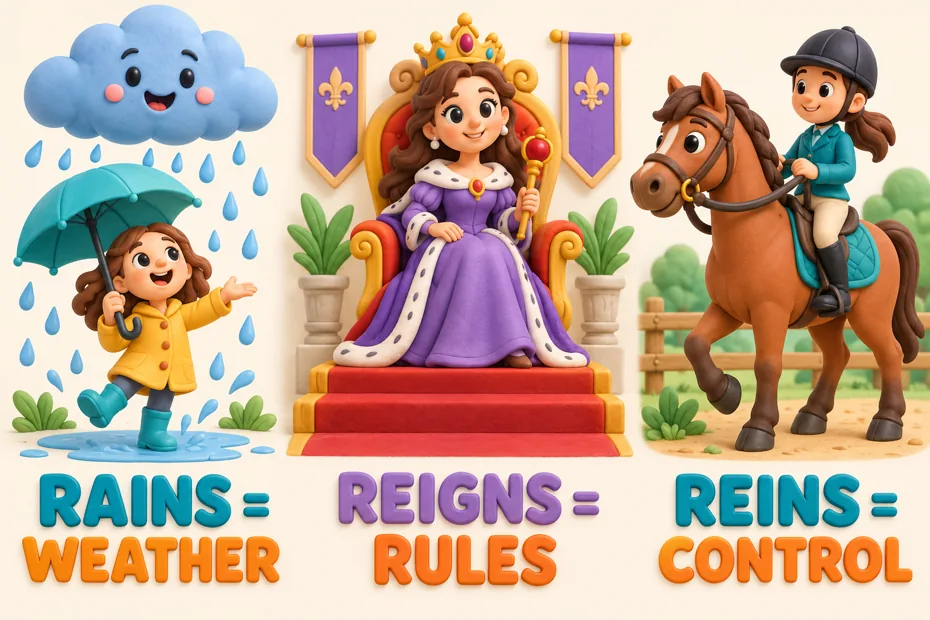
                      Rains means weather, reigns means rules, and reins means control.

                      Mastering the Usage of “Rains vs Reigns vs Reins”: A Guide to Properly Using These Words

                        Rains concerns falling water, reigns concerns ruling or dominance, and reins concerns straps or restraint. All three sound alike, so meaning determines the spelling. Write “heavy rains,” “the queen reigns,” and “take the reins”; write “rein in spending” when you mean limit it. Rains vs. reigns vs. reins: key facts Rains can be a plural… Read More »Mastering the Usage of “Rains vs Reigns vs Reins”: A Guide to Properly Using These Words

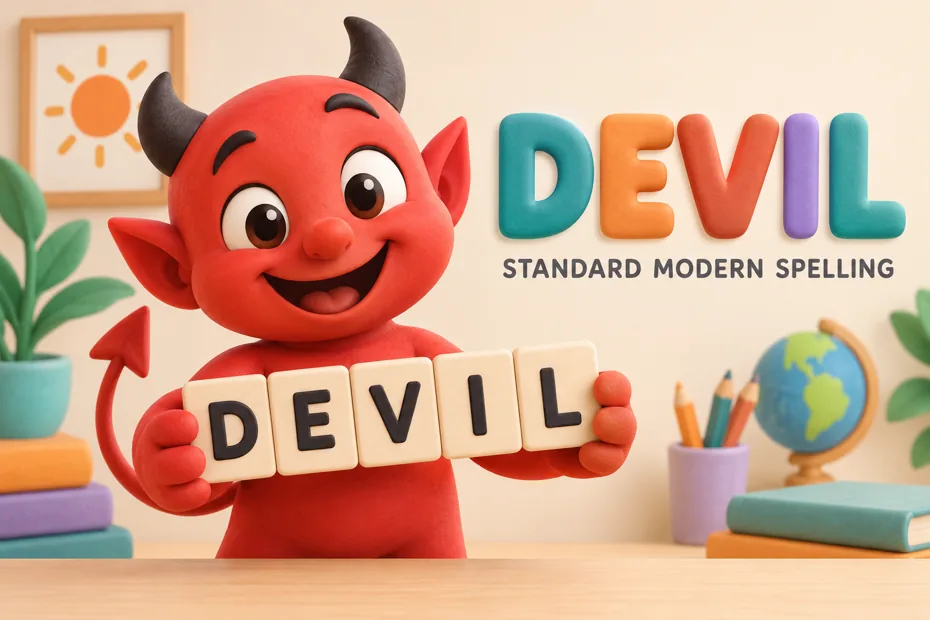
                        Devil is the standard modern spelling, with letters D E V I L.

                        Understanding and Using ‘Devel,’ ‘Devil,’ and ‘Devle’ Appropriately: A Comprehensive Guide

                          Have you ever found yourself confused between “devel,” “devil,” and “devle”? It’s a common dilemma, but fear not, as I’m here to shed some light on the matter. In this text, I’ll guide you through the correct usage of these words, ensuring that you never mix them up again. Understanding the subtle differences between “devel,” “devil,” and “devle” is crucial for effective communication. So, whether

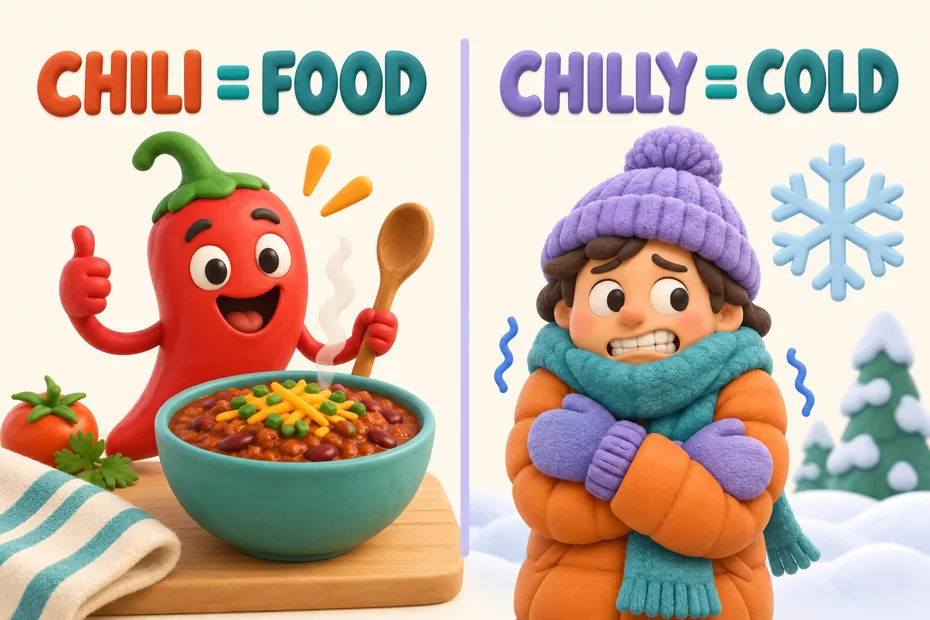
                          Chili names food; chilly describes coldness.

                          Choosing the Right Word: Understanding the Difference Between Chili and Chilly

                            Have you ever found yourself confused about whether to use “chili” or “chilly” in your writing? As a language enthusiast, I’ve come across this dilemma more times than I can count. In this text, I’ll guide you through the appropriate usage of these words, ensuring that you never mix them up again. We’ll explore the subtle differences in meaning and provide practical examples to help you grasp thei