Skip to content
Toughed vs Tuft: Meaning, Forms and Examples

Mastering “Toughed vs Tuft: Using Appropriately” to Enhance Vocabulary and Communication

    Toughed vs tuft: endurance or a small bunch? Toughed is the past tense and past participle of the verb tough, usually in toughed it out: endured a difficult situation. Tuft names a small bunch of hair, feathers, grass or similar material, and can also be a verb about forming or furnishing tufts. “She toughed it… Read More »Mastering “Toughed vs Tuft: Using Appropriately” to Enhance Vocabulary and Communication
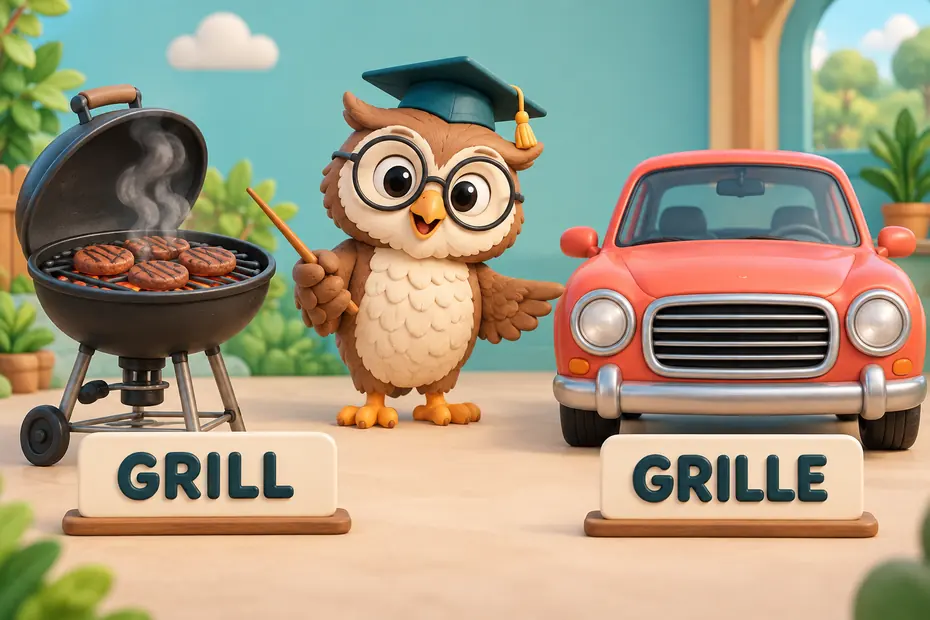
    Grill vs Grille: Cooking, Screens and Verb Uses

    Grill vs Grille: Understanding and Using the Words Appropriately

      Hey there! Are you confused about when to use “grill” and when to use “grille”? Well, you’re not alone! In this text, I’ll guide you through the proper usage of these two commonly confused words. As an expert in language and grammar, I’ll shed some light on the differences between “grill” and “grille” and provide you with clear examples to help you use them appropriately.

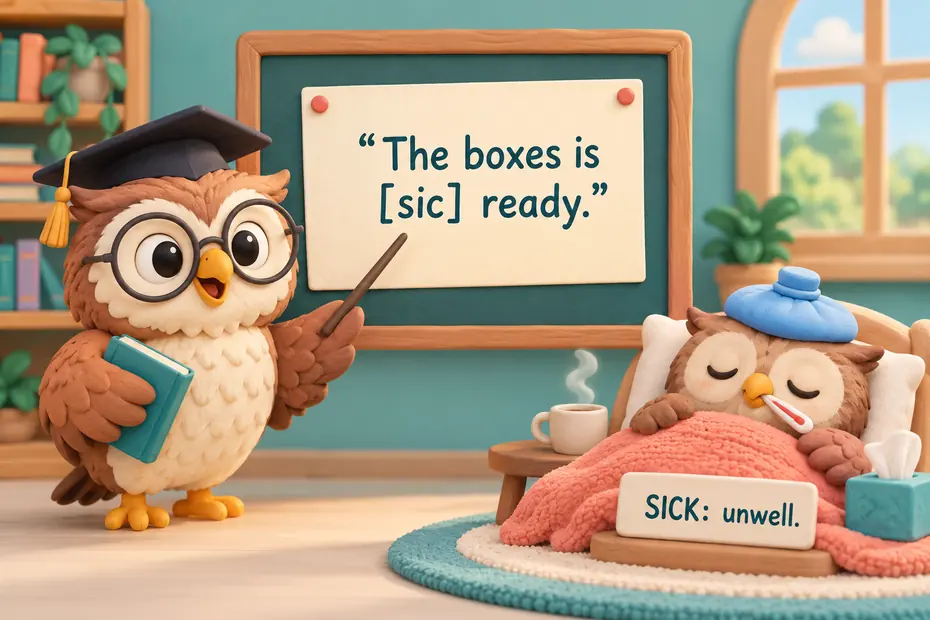
      Sic vs Sick: Quotations, Meanings and Correct Usage

      Sic vs Sick: A Guide to Proper Usage in Writing

        Have you ever come across the words “sic” and “sick” and wondered if they are interchangeable? Well, let me tell you, they may sound similar, but they have completely different meanings and uses. In this text, I’ll guide you through the proper usage of “sic” and “sick” so you can confidently use them in your writing.

        Faze vs Phase: Meanings, Verb Forms and Examples

        Faze vs Phase: Understanding the Difference and Using Appropriately

          Have you ever found yourself confused between the words “faze” and “phase”? Trust me, you’re not alone. As a language enthusiast, I’ve encountered this dilemma countless times. In this text, I’ll guide you through the proper usage of these two words, ensuring that you never mix them up again.
          First, let’s address the difference between “faze” and “phase.” Many people mistakenly believe that these

          Creak vs Creek: Sounds, Streams and Usage Examples

          Creak vs Creek: Understanding the Differences and Proper Usage

            Have you ever wondered about the difference between “creak” and “creek”? As an expert blogger, I’ve encountered this common confusion many times. In this text, I’ll share my knowledge and guide you on how to use these words appropriately.

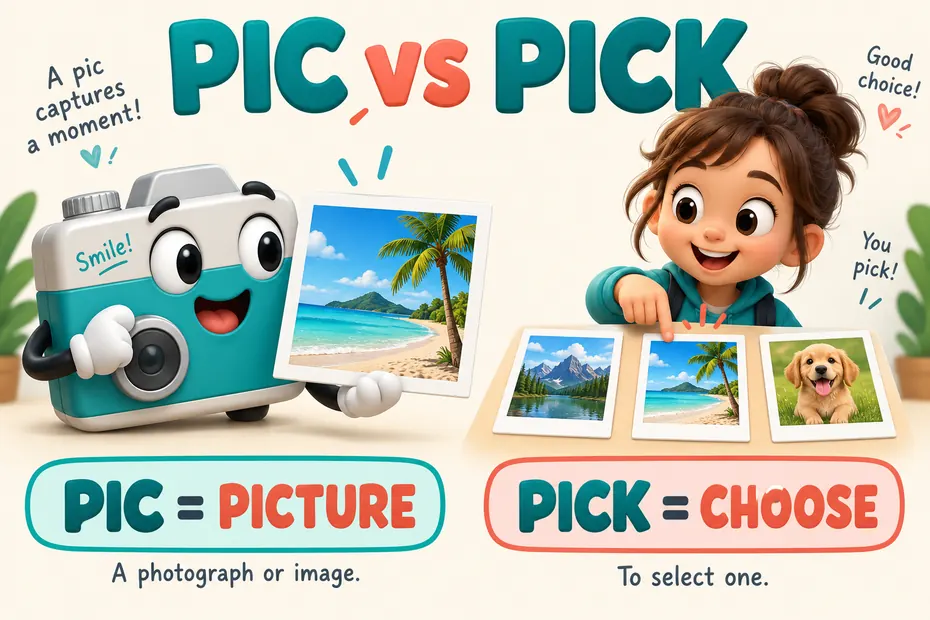
            Pic vs pick: pic means picture; pick means choose.

            Understanding the Difference Between ‘Pic’ and ‘Pick’ and How to Use Them Appropriately

              Pic means a picture or photograph in everyday informal writing; pick means to choose, a choice, or a tool. Pic vs pick is a spelling distinction, not a difference you can hear: both normally sound like “pik.” Write “pick a pic” when you mean “choose a picture.” Pic vs Pick: Key Facts Pic is a… Read More »Understanding the Difference Between ‘Pic’ and ‘Pick’ and How to Use Them Appropriately

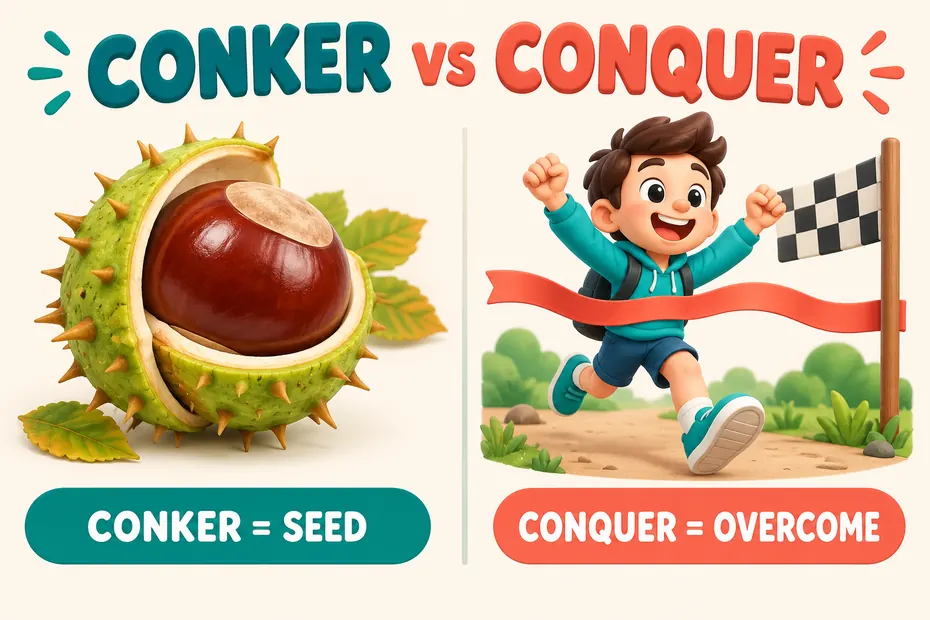
              Conker is a horse chestnut seed; conquer means overcome.

              Mastering the Proper Use of ‘Conker’ vs ‘Conquer’: Tips for Accurate and Effective Communication

                Have you ever found yourself confused between the words “conker” and “conquer”? Don’t worry, you’re not alone. As a language enthusiast, I’ve come across this confusion countless times. In this text, I’ll provide you with a clear understanding of when to use “conker” and when to use “conquer” appropriately.
                Firstly, let’s talk about “conker.” Contrary to popular belief, it’s not just a game played

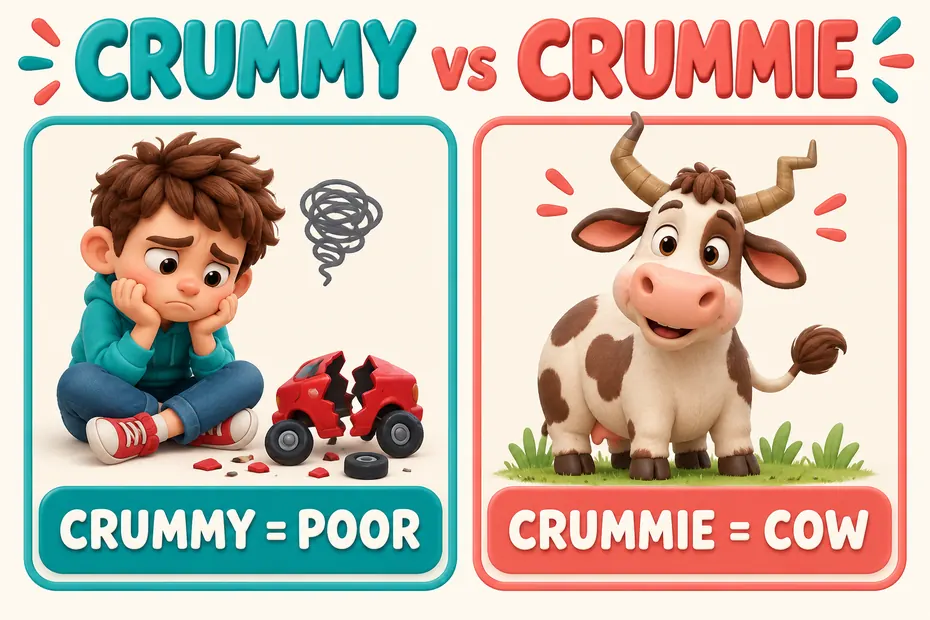
                Crummy means poor quality; crummie is a cow noun.

                Understanding the Differences and Proper Usage of Crumby, Crummie, and Crummy: Enhancing Communication Skills

                  When it comes to describing something as subpar or disappointing, we often turn to words like “crumby,” “crummie,” or “crummy.” But have you ever wondered which one is the correct choice? As an expert in language and communication, I’ll guide you through the nuances of these similar-sounding words and help you understand when to use each one appropriately. In this text, we’ll investigate into the

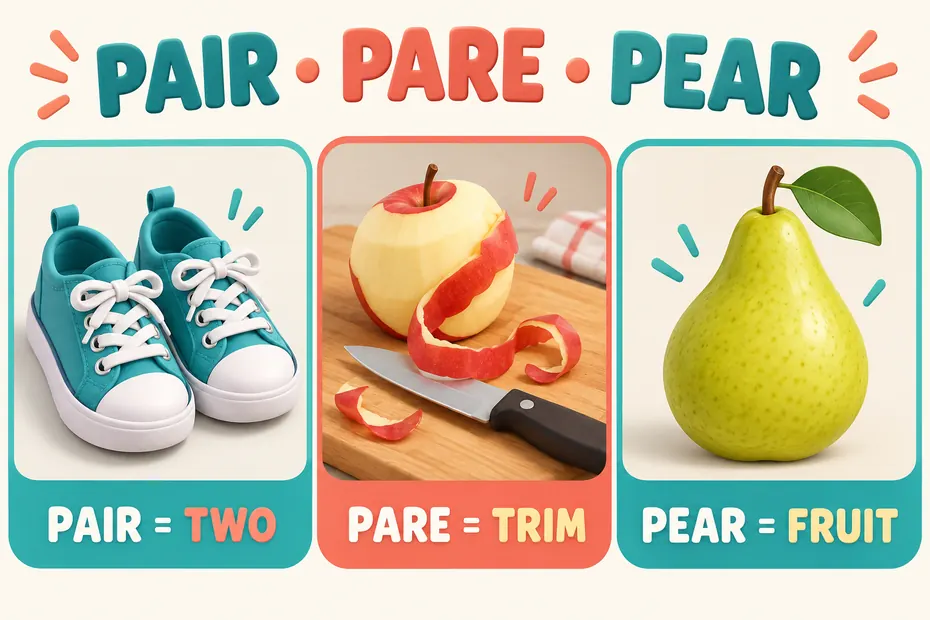
                  Pair means two; pare means trim; pear means fruit.

                  Pair vs Pare vs Pear vs Pere: Understanding the Differences and Using Appropriately

                    Have you ever found yourself confused between words that sound similar but have different meanings? Well, I certainly have. In this text, I’ll be diving into the world of “pair,” “pare,” “pear,” and “pere” to help you use them appropriately.
                    It’s not uncommon to mix up these words, as they all have their own unique spellings and pronunciations. But, understanding the distinctions between them is c

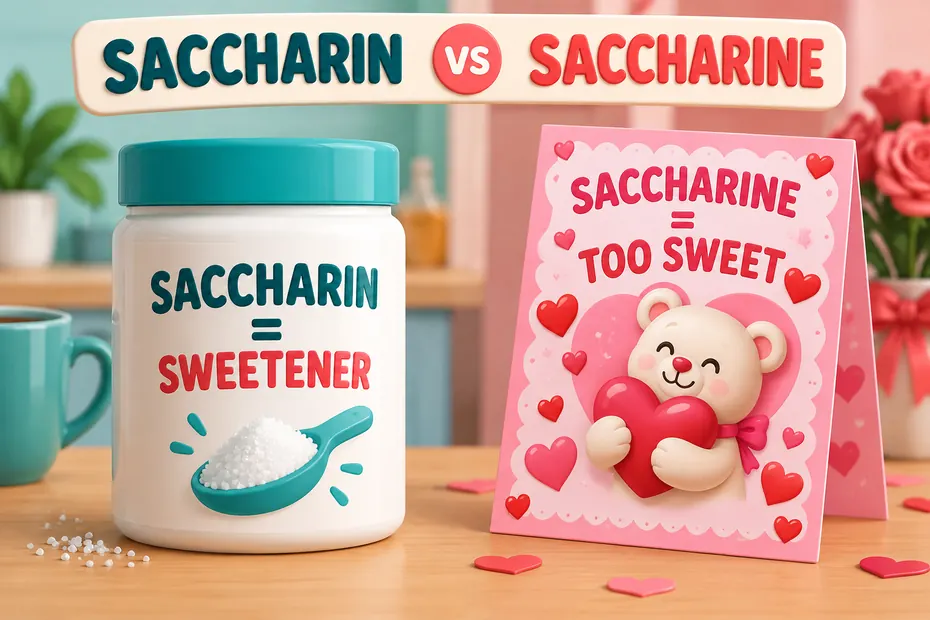
                    Saccharin names a sweetener; saccharine can mean overly sentimental.

                    Understanding the Difference Between Saccharin and Saccharine: How to Use Them Appropriately

                      Saccharin is the noun naming a sweetener; saccharine is an adjective describing sugar-related sweetness or excessive sentimentality. Saccharin vs saccharine is therefore resolved by the thing or quality your sentence names. An ingredient list may mention saccharin, while a reviewer may call an overly sentimental ending saccharine. Saccharin vs Saccharine: Key Facts Saccharin names a… Read More »Understanding the Difference Between Saccharin and Saccharine: How to Use Them Appropriately

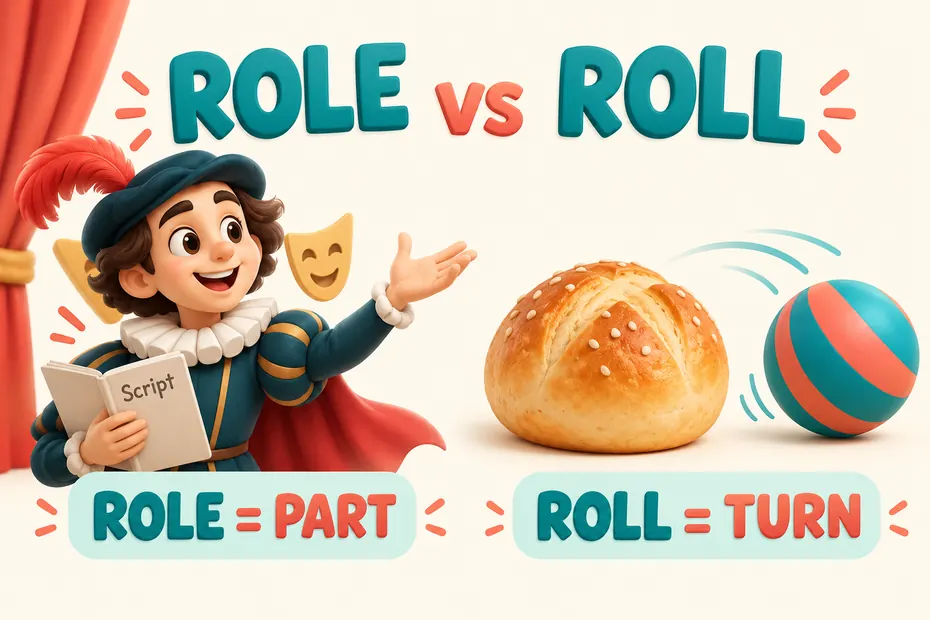
                      Role names a part; roll describes turning movement.

                      Mastering the Difference Between “Role” and “Roll” for Effective Communication

                        Are you often confused between the words “role” and “roll”? Don’t worry, you’re not alone. These two words may sound similar, but they have distinct meanings and should be used appropriately. In this text, I’ll guide you through the differences between “role” and “roll” and provide you with practical tips on how to use them correctly.
                        Understanding the difference between “role” and “roll” is essen

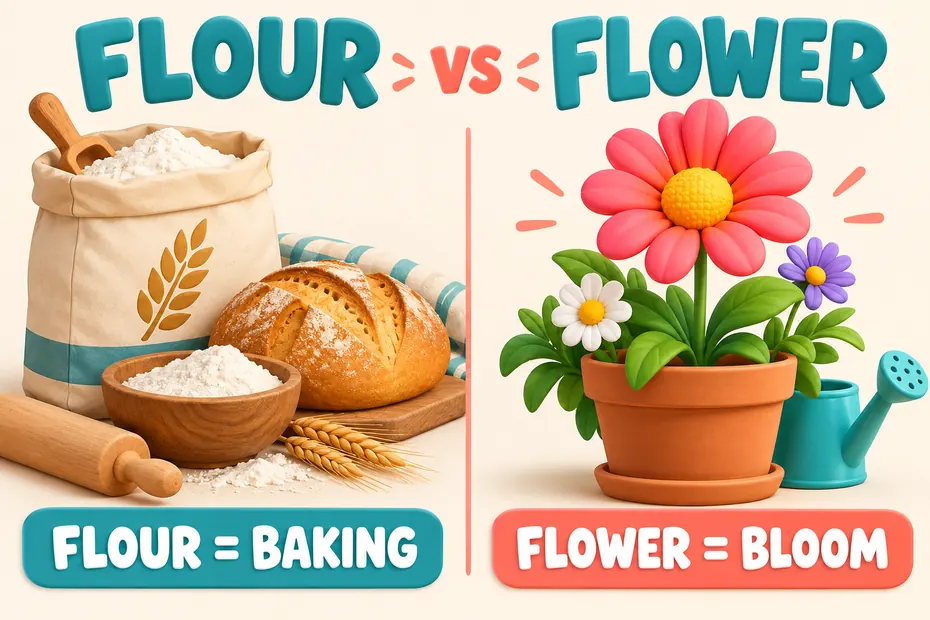
                        Flour is a milled baking ingredient; flower names a bloom.

                        Understanding the Difference: Flour vs. Flower and How to Use Them Appropriately

                          Flour is a finely ground powder used as an ingredient, while a flower is a plant’s bloom or the plant valued for its blooms. Flour vs flower is a spelling-and-meaning distinction between words normally pronounced alike. Use flour in a recipe and flower when describing a blossom; both words also have verb uses. Flour vs… Read More »Understanding the Difference: Flour vs. Flower and How to Use Them Appropriately

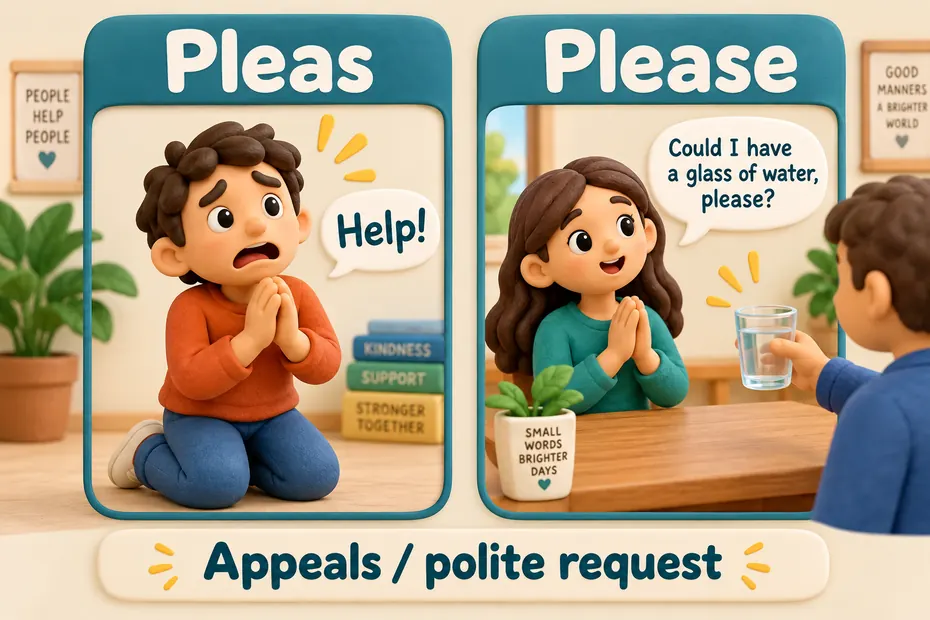
                          Pleas means appeals; please marks a polite request.

                          Pleas vs Please: Mastering the Art of Using Them Appropriately for Effective Communication

                            Hey there! Have you ever found yourself confused about when to use “pleas” and when to use “please”? Well, fear not, because I’m here to shed some light on this common language dilemma. In this text, I’ll be diving into the proper usage of “pleas” versus “please” and providing some helpful tips to ensure you’re using them appropriately.
                            We’ve all been there, trying to craft the perfect email or te

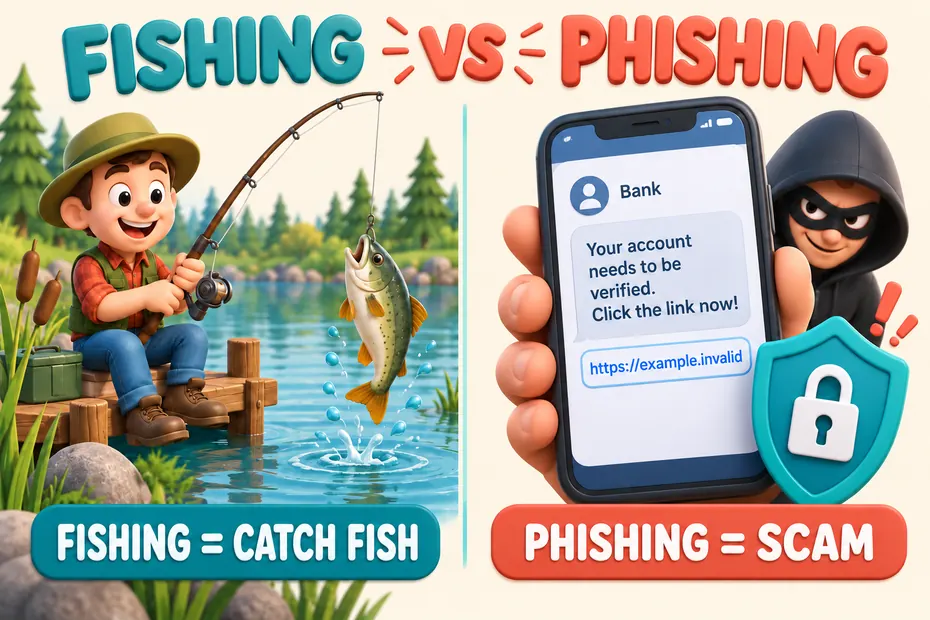
                            Fishing means catching fish; phishing is deceptive information gathering.

                            Understanding Fishing vs Phishing: Safely Navigating the Digital Waters

                              As an avid angler and cybersecurity enthusiast, I often find myself pondering the similarities between fishing and phishing. While one involves casting a line into the water in search of a prized catch, the other refers to the malicious act of luring unsuspecting individuals into revealing sensitive information. In this text, I’ll explore the key differences between these two activities and how we