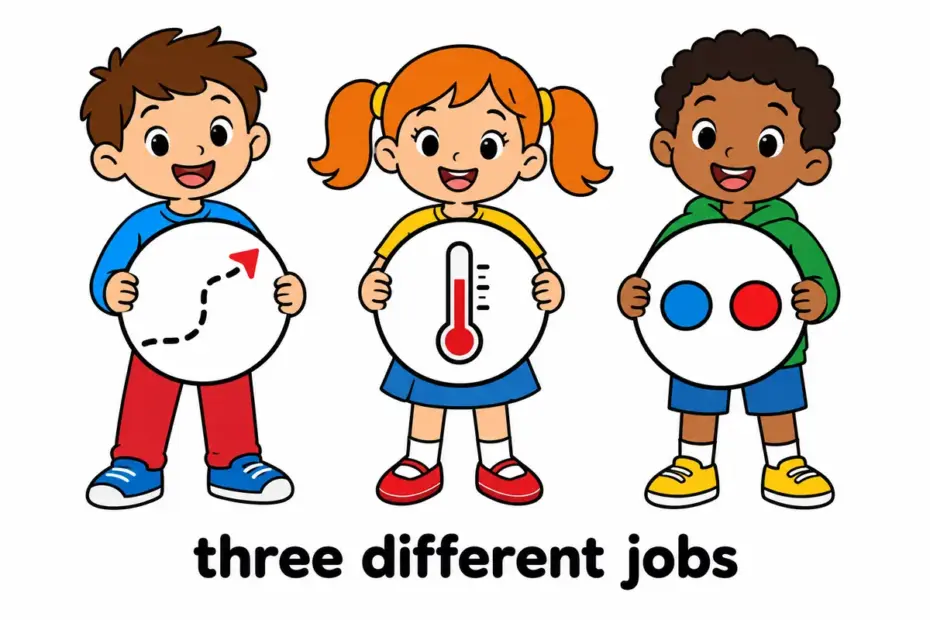
To vs too vs two is decided by the job each word does, not by their shared sound: to is a preposition or the marker of an infinitive, too is an adverb meaning also or excessively, and two is the number 2. Write to for direction and verbs, too for degree and addition, and two to count items.
To vs too vs two at a glance
- To is a preposition and the marker of the infinitive, as in go to work and want to rest.
- Too is an adverb with two senses, also and excessively, as in me too and too hot.
- Two is the cardinal number 2, as in two tickets.
- All three sound the same, so spelling cannot be checked by ear.
- The commonest error is swapping to and too in a sentence about degree.
To vs too vs two: the master comparison
The table weighs the three words across the criteria that settle a spelling choice in practice.
| Attribute | To | Too | Two |
|---|---|---|---|
| Part of speech | Preposition and infinitive marker | Adverb | Number, used as determiner or noun |
| Core job | Shows direction, relation or purpose | Shows excess or addition | Names the quantity 2 |
| Typical example | walk to the shop; want to sing | too tired; I agree too | two tickets; the two of us |
| Usual position | Before a noun, pronoun or verb | Before an adjective or adverb, or at the end | Before a plural noun |
| Can be replaced by | toward, or in order to | excessively, or also | a pair of, or the numeral 2 |
| Common trigger | Motion verbs and infinitives | Adjectives such as hot, late and much | Countable plural nouns |
| Sound | /tuː/, often reduced to /tə/ | /tuː/, always stressed | /tuː/, always stressed |
| Question it answers | Where, to whom, or which action | How much, or who else | How many |
| Can end a sentence? | Rarely, and only in set phrases | Yes, as in me too | Yes, as in I counted two |
The sound row explains the whole problem: because to, too and two are homophone words, only grammar tells them apart. Grammar gives each word a fixed slot, and that slot is the only reliable test. The preposition to must be followed by a noun, a pronoun or a verb, and it never stands before an adjective. The adverb too must attach to an adjective or an adverb, or sit at the end of a clause, and it never introduces a noun. The number two must sit before a plural noun or stand alone as a count. If a word is doing none of those jobs, the spelling is wrong.
Which should you use?
Five everyday situations point to a firm answer.
- You are showing where something goes: use to, as in give the note to Sam.
- You are describing an excessive degree: use too, as in the coat is too big.
- You are counting items: use two, as in two chairs.
- You are adding yourself to a group: use too, as in I will come too.
- You are naming a purpose or an action: use to, as in I called to apologise.
A quick question sorts almost every case. Ask where or to whom, and the answer is to. Ask how much or who else, and the answer is too. Ask how many, and the answer is two. The test works because it targets the job, not the sound, and the sound is the one thing the three words share.
What do to, too and two mean?
To is a preposition marking direction, a recipient or a relation, and it is also the word that introduces an infinitive, as in to run. Too is an adverb meaning either excessively or also, so it can modify an adjective, as in too cold, or sit at the end of a clause, as in she agreed too. Two is the cardinal number 2, working as a determiner before a plural noun or as a noun on its own. The Cambridge entry for to, the Cambridge entry for too and the Cambridge entry for two keep the three jobs cleanly apart. The preposition sense of to is the one learners overuse: not every preposition slot takes to, and verbs of location often need in or at instead. Too is the wrong choice when you mean very, because too implies a problem, and two is the wrong choice when the items are not being counted.
| Word | Plain meaning | Example sentence |
|---|---|---|
| To | Direction, recipient or infinitive | We cycled to the lake to swim. |
| Too | Excessively | The soup was too salty. |
| Too | Also | Her brother joined too. |
| Two | The number 2 | Two lamps lit the hallway. |
How do you use to, too and two in a sentence?
The patterns below cover almost every real choice, and each one has a different trigger.
| Pattern | Example | What it signals |
|---|---|---|
| to + noun or pronoun | We drove to the coast. | To marks a destination or recipient. |
| to + verb | She wants to swim. | To marks the infinitive. |
| too + adjective | The soup is too salty. | Too marks excess. |
| too at the end of a clause | I enjoyed the film too. | Too means also. |
| two + plural noun | Two buses arrived at once. | Two gives a count. |
| too + adjective + to + verb | He was too shy to ask. | The paired too and to pattern. |
The adverb too never changes form, which makes it easy to spot: it is the only one of the three that can sit before an adjective, and the only one that can mean also. Before an adjective it signals excess, and the related adverb page covers that modifying role in more detail. The dedicated too page follows the adverb through both of its senses.
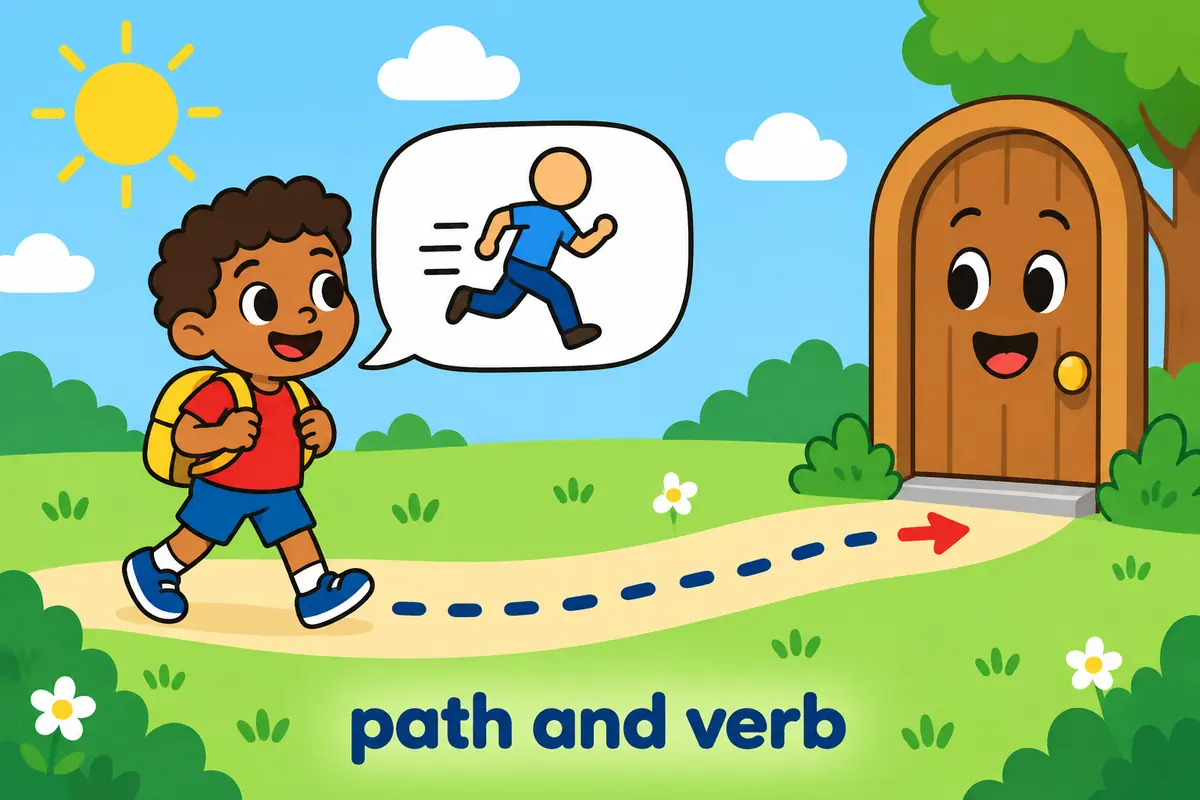
To, too and two in a sentence: examples across contexts
| Context | Example sentence | Why this works |
|---|---|---|
| Directions | Turn left to reach the station. | To introduces purpose with a verb. |
| Workplace email | Please send the draft to the editor. | To marks the recipient. |
| Weather chat | It is too windy for the ferry. | Too marks an excessive degree. |
| Agreement | I would like to come too. | To plus verb, then too meaning also. |
| Shopping list | Buy two loaves and one carton of milk. | Two counts a plural noun. |
| Instructions | Add two cups of flour, then stir. | Two gives a precise quantity. |
| Apology | I am too embarrassed to explain. | Shows the paired too and to. |
| Travel | We have been to Rome twice. | To marks a visited place. |
| Sport | The score stayed level at two all. | Two names a score. |
| Study notes | Remember to check the spelling of too. | To plus verb, with too as the object. |
| Invitation | Bring your sister too if she is free. | Too means also at the end of the clause. |
| Feedback | The room was too small for the whole group. | Too marks a limit before an adjective. |
Word forms and grammar of to, too and two
| Form | Part of speech | Example |
|---|---|---|
| to | Preposition | We walked to the park. |
| to | Infinitive marker | I want to rest. |
| too | Adverb (excess) | This bag is too heavy. |
| too | Adverb (also) | She came too. |
| two | Number | Two lamps lit the room. |
| 2 | Numeral | Chapter 2 begins here. |
None of the three inflects, so the only decisions are meaning and spelling, and a dictionary will not help if the sound is the only clue you use.
Common mistakes with to, too and two
- Incorrect:
I want too go.Correct: I want to go. The infinitive marker is to, never too. - Incorrect:
It is to hot.Correct: It is too hot. Excess is shown by too before an adjective. - Incorrect:
I have too cats.Correct: I have two cats. The number is two, and it precedes a plural noun. - Incorrect:
Me to.Correct: Me too. The sense of also is always too. - Incorrect:
She went too the shop.Correct: She went to the shop. Direction and destination take to.
Practice using to, too and two
Work through the six items, then check the reasoning rather than only the answer.
- Fill the gap: We are going ______ the market this morning.
- Choose the correct word: The coffee is ______ strong for me.
- Correct the error: I bought too new pens.
- Build a sentence: use too … to about a box that is very heavy.
- Spot the register: which belongs in a formal report, the samples were too small to test, or the samples was to small to test?
- Rewrite for addition: She finished the puzzle. Add that he did the same. Use too.
Answers
- to. Direction towards a place takes the preposition to.
- too. Excess before an adjective is shown by too.
- I bought two new pens. Counting plural nouns uses two.
- Model answer: The box was too heavy to lift.
- The samples were too small to test. A report keeps the plural verb and spells excess as too.
- He finished the puzzle too. Too at the end of the clause means also.
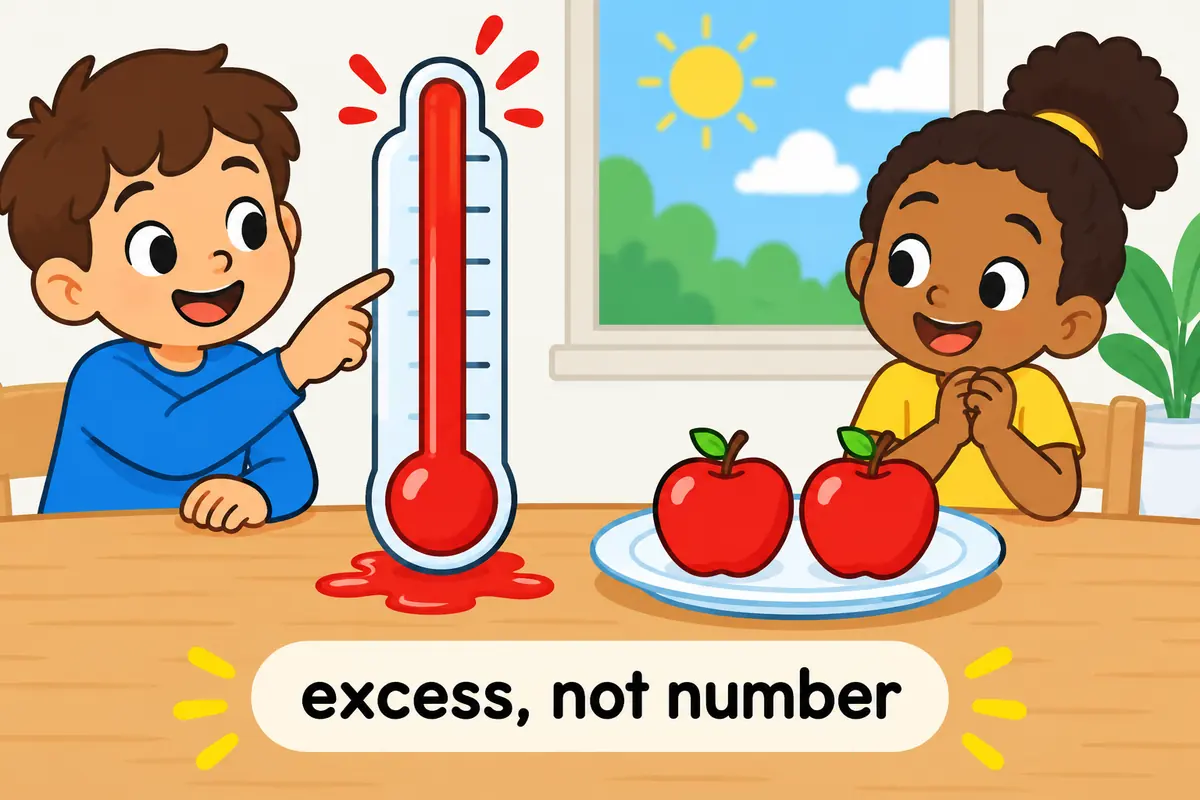
The bottom line
To vs too vs two stops being confusing once you check the job rather than the sound: to for direction and infinitives, too for excess and addition, and two for the number 2. Two memory rules cover most slips, since too has two senses and two has the w, and the word meaning also always takes the double o. Keep an eye on the paired pattern too heavy to lift, where both spellings appear in one sentence, and check your usage against the job each word performs.
Frequently asked questions about to vs too vs two
Why do to, too and two sound the same?
All three are pronounced /tuː/, which makes them homophones, words that sound alike but differ in meaning and spelling. English inherited them from different sources, so their spellings grew apart even as their pronunciation merged. The preposition to is often reduced to a short /tə/ in fast speech, which is the one small sound clue available.
What is the difference between too and very?
Very simply strengthens a description, as in very cold, while too means more than is wanted or possible, as in too cold to swim. Very cold is a neutral report, but too cold suggests a problem or a limit. Choose very to intensify and too to signal that the degree has gone past what the situation allows.
Is it ever correct to write to instead of too?
No. When the meaning is also or excessively, the spelling must be too. Writing me to instead of me too, or to hot instead of too hot, is always an error. To has its own separate jobs as a preposition and as the infinitive marker, so the two spellings never overlap in meaning.
How do you remember which spelling to use?
Use a short test on meaning. If you can replace the word with also or excessively, write too. If it shows direction, a recipient or the start of a verb, write to. If it answers how many, write two. The number two is the only one containing a w, and too is the only one with a double o.