The yogh vs letter question is a question about time and alphabet. Yogh was a letter in Middle English and Middle Scots, where it stood for sounds such as y, g and the ch in loch. It is not a letter of the modern English alphabet, so use yogh for historical texts and letter for the alphabet you read today.
Yogh vs letter at a glance
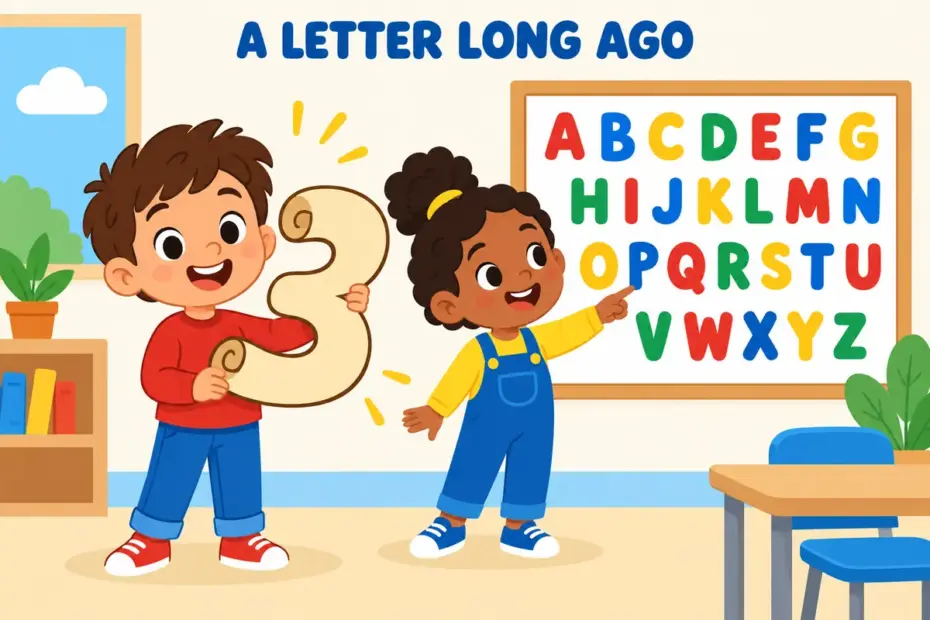
- Yogh is a character written in the shape of a curled three that appears in Middle English and Middle Scots texts.
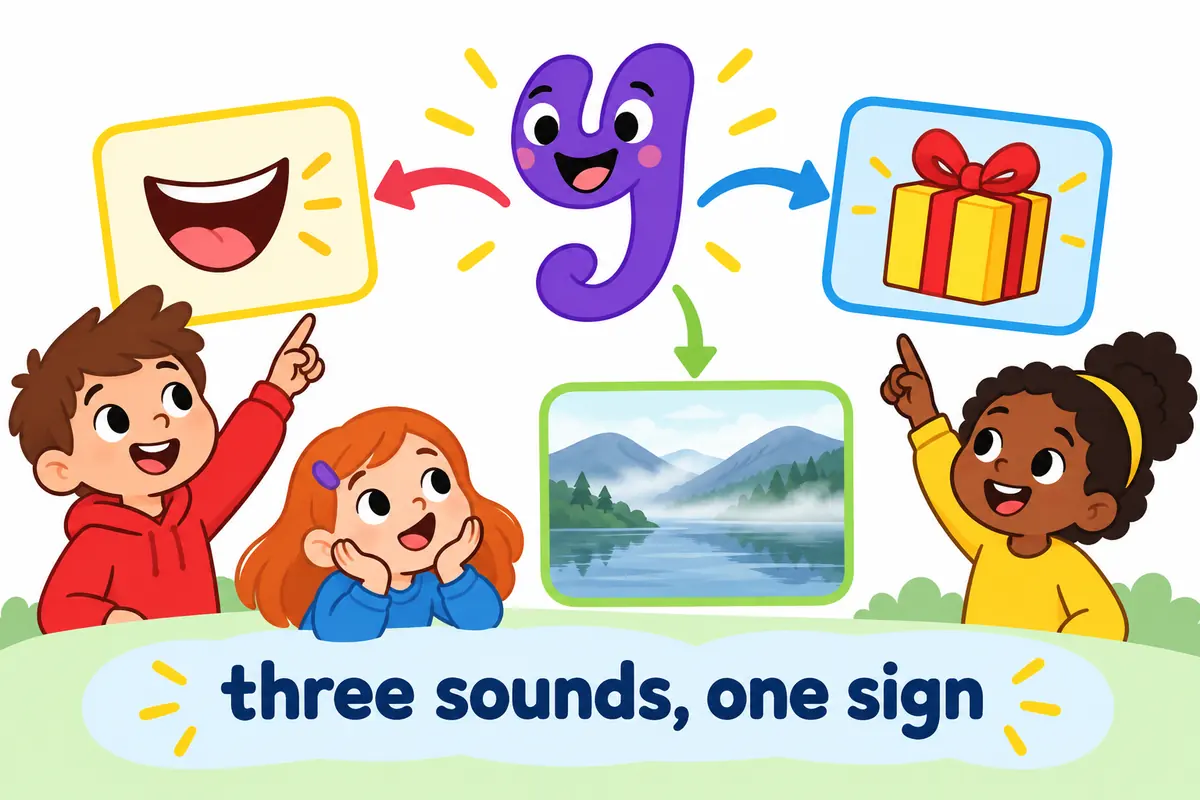
- Within those writing systems yogh was a letter: it could stand for the y sound, the g sound and the ch sound in loch.
- Yogh is not one of the 26 letters of the modern English alphabet.
- Letter is the general term for any member of an alphabet, so yogh counts as a letter only inside its historical alphabet.
- In modern printing a yogh needs a font that supports it, while a letter of the alphabet sits on every keyboard.
Yogh and letter compared
Yogh and letter are not rivals inside one alphabet; one is a specific historical character and the other is a general category. The table sets them side by side on the points that decide how you write about each.
| Criterion | yogh | letter |
|---|---|---|
| What it names | A single historical character | Any member of an alphabet |
| Alphabet it belongs to | Middle English and Middle Scots writing | Every alphabet, including today’s English |
| Modern English alphabet | Absent | All 26 members |
| Sounds | Stood for several sounds, including y, g and ch | Maps to one or more sounds in a language |
| Written today | Rare, and mainly in historical or Scots contexts | Constantly |
| Typing | Needs a font or code point that supports it | On every keyboard |
| Plural | yoghs | letters |
A second sense of the shorter word can mislead. Letter also means a written message, and the phrase the letter of the law means the exact wording of a rule. Yogh never carries those senses; it only ever names the character.
Which one should you use?
The choice is not a matter of taste; it depends on whether you are describing a historical text or the alphabet in front of you.
| Your situation | Use | Why |
|---|---|---|
| Writing about a Middle English manuscript | yogh | It names the exact character in the source. |
| Teaching the modern English alphabet | letter | Today’s alphabet has 26 letters and no yogh. |
| Reading a Scots surname printed with z | yogh | The z often stands where a yogh once did. |
| Typing ordinary English on a phone | letter | Yogh is not on standard keyboards. |
| Naming the members of any alphabet in general | letter | Letter is the general, period-neutral term. |
Verdict: if the sentence is about the writing of Middle English or Middle Scots, or about a Scots name where a z looks out of place, the accurate word is yogh; in every other sentence about reading and writing today, the accurate word is letter.
What does yogh mean?
Yogh is a character used in the writing of Middle English and Middle Scots, where it represented sounds such as the y in yes, the g in good and the ch in loch. The Cambridge entry for yogh treats it as a letter of those historical systems. Letter, by contrast, is the general noun for any member of an alphabet, as the entry for letter shows. The two meet only in the question of whether a yogh counts as a letter, and the answer depends on which alphabet you mean.
| Term | Plain meaning | Example sentence |
|---|---|---|
| yogh | A historical character used in Middle English and Middle Scots | The scribe closed the word with a yogh. |
| letter, alphabet sense | A member of an alphabet | The letter a begins the alphabet. |
| letter, message sense | A written message sent to a person | She posted a letter to her cousin. |
| letter, wording sense | The literal words of a rule | He obeyed the letter of the law. |
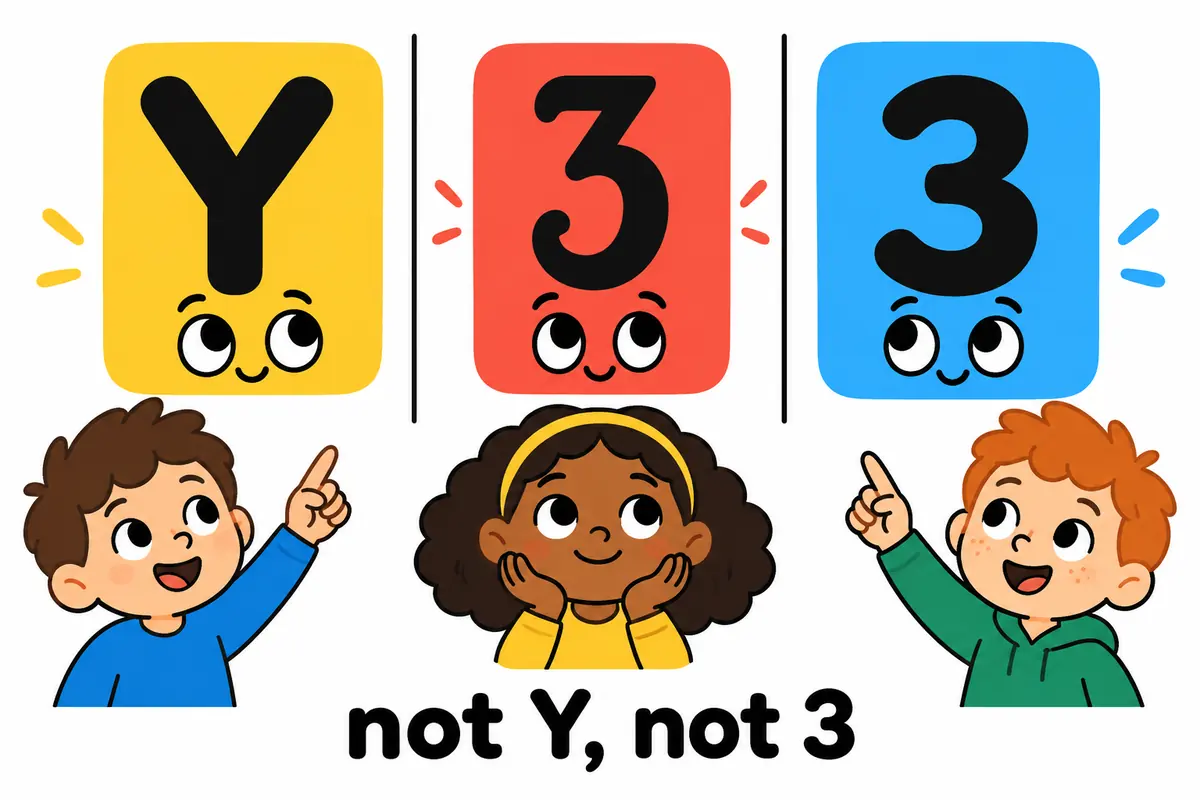
One honest limitation matters. Yogh is not simply an old form of the letter Y, and it is not another spelling of z, even though a printed z sometimes took its place. It was its own character with its own range of sounds. The phoneme at the end of loch is the clearest example of a sound the yogh could carry, and readers who meet it in an old script often mistake it for a number. Yogh is absent from the modern alphabet, which has 26 letters and no such character.
How do you use yogh and letter in a sentence?
Both words are countable nouns, so both take a or an and both form a plural. The contrast is in what they point at: yogh names one historical character, while letter names a member of an alphabet or a written message. The verb letter is a separate word again.
| Pattern | Example | What it signals |
|---|---|---|
| name the character | The word begins with a yogh. | Treats yogh as a countable noun. |
| yogh as a modifier | A yogh-shaped stroke puzzled the class. | A compound adjective describes the shape. |
| count letters | The name has seven letters. | Letter in its alphabet sense. |
| letter of the law | They followed the letter of the law. | A fixed phrase meaning exact wording. |
| a letter to someone | He sent a letter to the council. | The message sense, which yogh never has. |
| form the plural | Two yoghs appeared in the margin. | The plural is yoghs, formed with s. |
The verb is easy to miss: to letter a sign means to write its text by hand, and it has nothing to do with either the alphabet sense or the message sense of the noun.
Yogh and letter in a sentence: examples across contexts
The two words rarely share a sentence, because they belong to different periods. Each example below shows the word a writer would actually reach for in that setting.
| Context | Example sentence | Why this works |
|---|---|---|
| History essay | A yogh in the manuscript marks a sound later written gh. | Ties the old character to modern spelling. |
| Linguistics lecture | The lecturer read the yogh as a throaty consonant. | A technical register with the character as subject. |
| School lesson | The old letter yogh is missing from your alphabet chart. | Contrasts it plainly with today’s alphabet. |
| Museum label | The coin carries a yogh beside the king’s name. | Points to a real object a visitor can see. |
| Dictionary entry | The headword shows a yogh in its earliest spelling. | Names the source and the historical form. |
| Scots surname | The printed z in Menzies once stood for a yogh. | Shows how the character survives in names. |
| Calligraphy class | He practised the yogh until its tail curved neatly. | Treats the shape as a craft skill. |
| Exam answer | Write a letter of complaint in 200 words. | Uses the message sense of letter. |
| Text message | Send me a letter when you get there. | The informal message sense. |
A reader who can name every character on a modern page will still pause at a yogh, because it sits outside the set of letters we are taught.
Word forms and grammar of yogh and letter
The forms are regular, but the two words build their adjectives differently, which is a reliable way to tell them apart in a draft.
| Form | Part of speech | Example |
|---|---|---|
| yogh | noun, singular | A yogh stood between two vowels. |
| yoghs | noun, plural | Two yoghs appear in the margin. |
| yogh-shaped | compound adjective | A yogh-shaped curve marked the page. |
| letter | noun, singular | The letter b comes second. |
| letters | noun, plural | Count the letters in your name. |
| lettered | adjective | A neatly lettered sign hung above the door. |
| letter | verb | They letter banners by hand at the fair. |
Keep the adjective lettered for something written in letters; it never means marked with a yogh.
Common mistakes with yogh and letter
- Incorrect:
The modern word night contains a yogh.Correct: The modern word night contains the letters g and h; older spellings used a yogh. Rule: Yogh is historical and is not part of today’s spelling. - Incorrect:
Yogh is the 27th letter of the English alphabet.Correct: The English alphabet has 26 letters and no yogh. Rule: Yogh belonged to older writing systems, not to the modern alphabet. - Incorrect:
Yogh is just a fancy letter Y.Correct: Yogh is a separate character that could also stand for the g and ch sounds. Rule: Similar shape does not make two characters the same letter. - Incorrect:
He wrote me a yogh.Correct: He wrote me a letter. Rule: Letter can mean a written message; yogh never does. - Incorrect:
Please type a yogh in the online form.Correct: Please type the name using letters your keyboard supports. Rule: Yogh is not on standard keyboards, so ask for a supported character instead.
Practice using yogh and letter
Work through the six items, then read the reasons rather than only the keys.
- Fill the gap: A ______ in the old manuscript later became the letters gh.
- Choose the better word: The English alphabet has 26 (yoghs / letters).
- Correct the error: Yogh is the 27th letter of the alphabet.
- Build a sentence: use letter in the message sense about writing to a friend.
- Spot the register: which belongs in a history essay – the scribe used a yogh, or the scribe used a weird squiggle?
- Fix the sense error: He obeyed the yogh of the law.
Answers
- yogh – the historical character is the one later written as gh.
- letters – the modern alphabet has 26 letters and no yogh.
- The English alphabet has 26 letters – yogh belongs to older writing systems.
- Model answer: I sent a letter to my friend to thank her for the visit.
- The scribe used a yogh – a history essay names the character precisely.
- He obeyed the letter of the law – the fixed phrase uses letter, not yogh.
The bottom line
Keep the yogh vs letter distinction straight by asking which alphabet is on the page. Yogh was a real letter in Middle English and Middle Scots, standing for several sounds, but it is absent from the 26 letters of modern English. For present-day reading and writing, letter is the correct general term, and yogh is reserved for historical texts and the occasional Scots name.
Frequently asked questions about yogh and letter
Is yogh a letter?
Yes, in its own writing systems. Yogh was a letter of Middle English and Middle Scots, where it stood for a range of sounds. It is not a letter of the modern English alphabet, which has 26 letters. So the honest answer names the alphabet: a letter historically, not a letter today.
What sound did yogh represent?
Yogh carried several sounds depending on the word and period. It could stand for the y sound in yes, the g sound in good, and the throaty ch sound in Scots loch. That range is why the character is best described as one sign doing the work of more than one letter.
Why does a z appear in some Scots names?
In some printed Scots surnames a z stands where a yogh once appeared, because early printers lacked the character and reused z in its place. Names such as Menzies and Dalziel keep the trace, and they are now pronounced as though the z were never there.
What is the difference between yogh and the letter Y?
Yogh and the letter Y are separate characters that only look similar. Yogh was a historical sign able to represent g and ch sounds as well as a y sound, while the letter Y is a modern alphabet member with its own fixed sound values. The shared shape is the only real link between them.