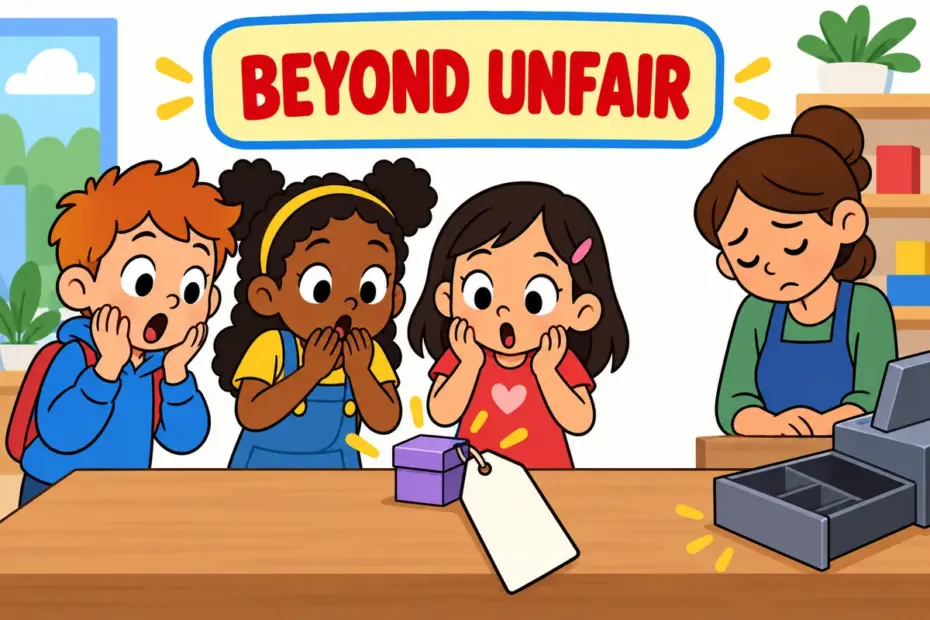
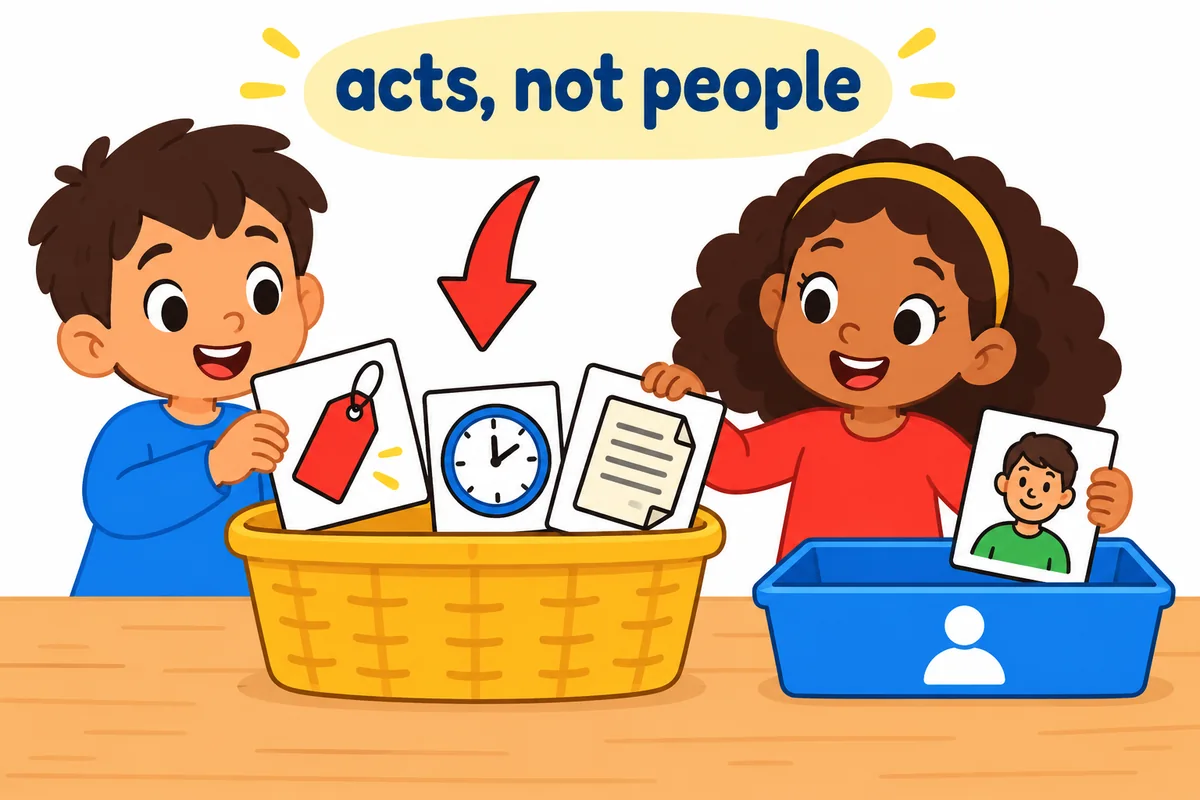
Unconscionable describes an action, price or term that is so unfair or wrong that no decent person could defend it. To use unconscionable in a sentence, apply it to the act rather than the person: “The fee was unconscionable for a single night.” The adjective takes no object, and its steady force makes it rare in casual talk.
Unconscionable at a glance
- Unconscionable is an adjective; related forms are unconscionably and the legal noun unconscionability.
- It describes acts, prices, delays and terms, not people in general.
- The word combines two signals: shocking unfairness and a moral limit that has been crossed.
- It appears in legal writing, journalism and formal complaint more than in speech.
- The commonest error is confusing it with unscrupulous, which describes a person willing to behave badly.
- The adverb unconscionably usually modifies an adjective, as in unconscionably slow, rather than a verb.
What does unconscionable mean?
Unconscionable is an adjective meaning morally indefensible, or so unfair and excessive that it should not be allowed. The Cambridge entry for unconscionable gives this sense of unreasonable wrong. A rent rise that traps tenants is called unconscionable, and so is a delay that keeps a family waiting years for a decision. The word is stronger than excessive and narrower than evil: it points at an act that no fair standard can justify. Weaker judgements often settle for unjust, which stops short of the moral force here.
| Sense | Plain meaning | Example sentence |
|---|---|---|
| Morally indefensible | Wrong beyond any excuse | The council called the eviction unconscionable. |
| Shockingly excessive | So unfair it offends reason | The interest rate was unconscionable. |
| Legal: unenforceable | A term so unfair a court sets it aside | The clause was struck down as unconscionable. |
How do you use unconscionable in a sentence?
Unconscionable almost always attaches to the thing judged, and the pattern decides whether the sentence sounds legal, journalistic or personal. The table below sets out the five patterns that cover almost every use.
| Pattern | Example | What it signals |
|---|---|---|
| unconscionable + noun | An unconscionable delay left the family waiting. | Before a noun; the commonest use. |
| be / seem unconscionable | The charge seemed unconscionable to tenants. | After a linking verb, often with a to-phrase. |
| find it unconscionable that | The judge found it unconscionable that rents doubled. | A formal clause for naming the wrong. |
| it is unconscionable to + verb | It is unconscionable to charge for clean water. | An impersonal pattern common in argument. |
| utterly / wholly unconscionable | The omission was wholly unconscionable. | Intensifiers that fit the word’s strength. |
Unconscionable in a sentence: examples across contexts
| Context | Example sentence | Why this works |
|---|---|---|
| News report | Tenants described the sudden rent rise as unconscionable. | Applies the word to a charge. |
| Legal writing | The court held the clause unconscionable and set it aside. | Uses the established legal sense. |
| Consumer complaint | An unconscionable fee appeared on the final bill. | Before a noun in a formal complaint. |
| Formal letter | It is unconscionable that no one answered for a year. | Uses the impersonal that-clause. |
| Editorial | Calling the delay unconscionable, the paper demanded action. | Shows the word inside a report of speech. |
| Public meeting | Residents found the new parking charge unconscionable. | Links a personal judgement to a policy. |
| Business writing | The supplier called the penalty wholly unconscionable. | Pairs the word with an intensifier. |
| Academic writing | The study argues that such terms are unconscionable. | Keeps an argumentative, formal tone. |
| Charity appeal | Leaving families without water is unconscionable. | Uses a gerund subject before the adjective. |
| Everyday argument | Charging her twice felt unconscionable to everyone there. | Shows the word in a firm but spoken judgement. |
| Housing | An unconscionable rent rise pushed families out of the city. | Applies the word to a policy effect. |
| Insurance | The insurer called the claim delay unconscionable. | Shows a company labelling an act this way. |
| Schools | Parents found the sudden bus charge unconscionable. | Records an ordinary reaction to a fee. |
| Banking | Customers called the overdraft fee unconscionable. | Uses a familiar money complaint. |
Unconscionable vs unscrupulous
The two words sound alike and both concern wrongdoing, but they judge different things. Close relatives such as indefensible conduct and egregious errors sharpen the sense of an act beyond defence. Several words sit near unconscionable without matching its force: heinous acts are deeply wicked, in relaxed speech outrageous usually sounds lighter, and reasonable marks the standard that has been failed.
| Feature | Unconscionable | Unscrupulous |
|---|---|---|
| Meaning | An act so wrong it cannot be defended | A person ready to act immorally |
| Target | Deeds, terms, prices and delays | People and their habits |
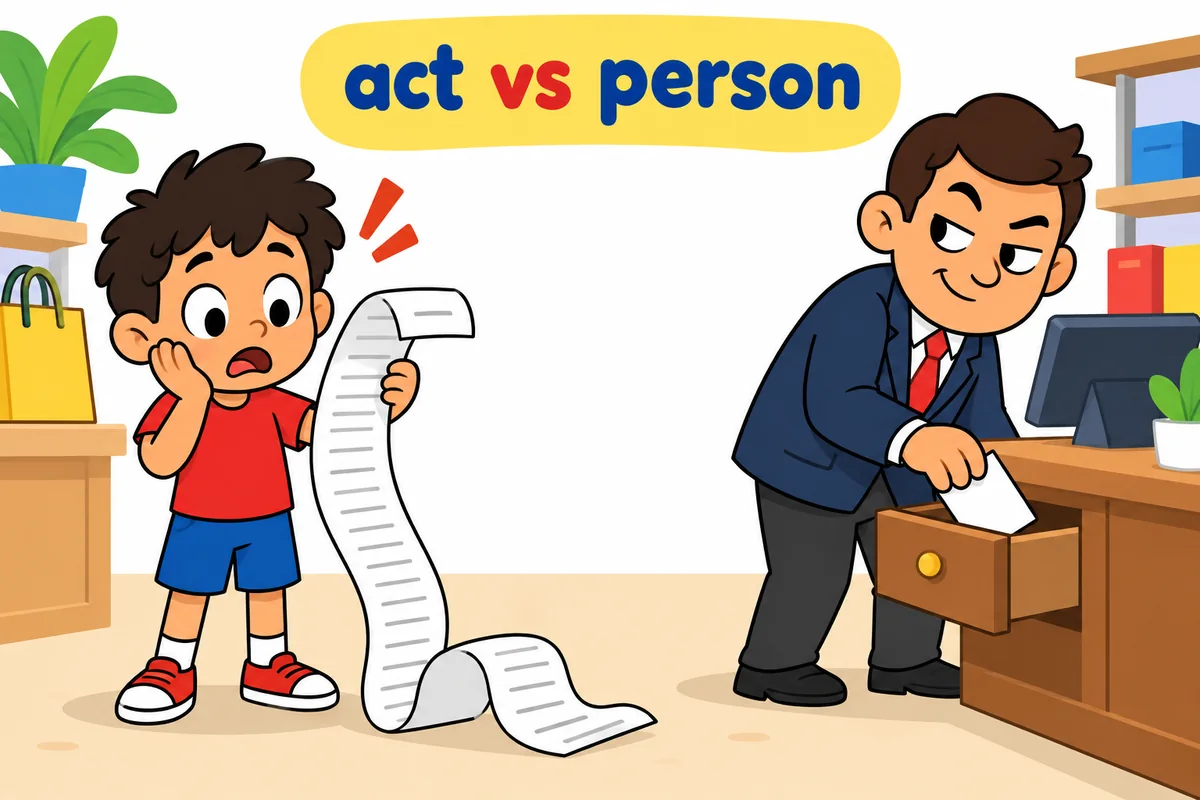
| Focus | Judges the act | Judges the character |
| Implication | A limit has been crossed | Cunning and no shame |
| Register | Formal and legal | General and journalistic |
| Example | The penalty was unconscionable. | The unscrupulous agent hid the fee. |
Use unconscionable for the shocking act, and unscrupulous dealings for the person who is willing to do it.
Unconscionable in law and contracts
Courts use unconscionable for a bargain so one-sided that enforcing it would offend fair dealing, and the noun unconscionability names that doctrine. Outside the courtroom, journalists borrow the word for charges and delays that cross a similar limit.
| Where it appears | Typical sentence | What is being judged |
|---|---|---|
| Consumer contracts | The court struck out the unconscionable clause. | A term that offends fair dealing. |
| Pricing | Tenants called the rent increase unconscionable. | A charge far beyond what is fair. |
| Delays | Waiting four years for a decision was unconscionable. | An avoidable and unjustified delay. |
| Penalties | The league called the fine unconscionable. | A punishment out of all proportion. |
The doctrine does not require a broken rule. A term can be lawful in form and still unconscionable in effect because it traps the weaker side, which is why courts look at the whole bargain rather than a single clause. The label travels easily from the courtroom to a newspaper column, carrying the same judgement of unfairness without any legal machinery behind it.
How is unconscionable different from illegal?
Illegal and unconscionable are not the same charge. An act is illegal when it breaks a specific rule or statute, while unconscionable is a judgement about fairness that can apply even where no written rule was broken. A term may be lawful in form and still unconscionable in effect. The table below keeps the two apart.
| Feature | Unconscionable | Illegal |
|---|---|---|
| Basis | A judgement about fairness | A specific rule or statute |
| Proof needed | Shockingly one-sided terms | A breach of the written law |
| Court result | A remedy may be refused | A penalty may follow |
| Example | A term that traps tenants | Driving without a licence |
Word forms and grammar of unconscionable
The adjective keeps the same form before singular and plural nouns, so unconscionable term and unconscionable terms are both correct.
| Form | Part of speech | Example |
|---|---|---|
| unconscionable | adjective | The fee was unconscionable. |
| unconscionably | adverb | The rent rose unconscionably fast. |
| unconscionability | noun, chiefly legal | The judge considered unconscionability. |
| unconscionableness | noun, rare | The unconscionableness of the delay was plain. |
| conscionable | adjective, rare | A conscionable solution was finally reached. |
| conscience | noun | Her conscience would not allow it. |
Common mistakes with unconscionable
- Incorrect: The unconscionable manager cheated the staff. Correct: The unscrupulous manager cheated the staff. Rule: people are unscrupulous; acts and terms are unconscionable.
- Incorrect: He is unconscionable about money. Correct: He is unscrupulous about money. Rule: do not use the act-adjective for a habit.
- Incorrect: The wait was unconscionable unfair. Correct: The wait was unconscionably unfair. Rule: use the adverb to modify an adjective.
- Incorrect: It was unconscionable of the price. Correct: The price was unconscionable. Rule: the adjective takes a noun subject, not of.
- Incorrect: The referee made an unconscious decision. Correct: The referee made an unconscionable decision. Rule: unconscious means unaware, not unfair.
Is unconscionable only for legal writing?
Unconscionable began in law, and courts still use it for terms that no fair standard can support, but it is not confined to legal writing. Journalists use it for rent rises, delays and penalties, and ordinary writers use it for any act that crosses a moral limit. Even in a legal setting, the word describes the quality of the bargain rather than any single clause. The word stays formal, so in relaxed speech outrageous or indefensible usually sounds lighter.
Practice using unconscionable
- The court described the late payment charge as ___.
- Choose the better word: The (unconscionable / unscrupulous) trader lied about the warranty.
- Correct the error: It was unconscionable of the rent.
- Build a sentence using the pattern “it is unconscionable to” about clean water.
- Spot the register: which fits a formal report, “The delay was unconscionable” or “The delay was really not on”?
- Residents called the new fee ___ for a single visit.
Answers
- unconscionable – the adjective describes the charge.
- unscrupulous – lying is a habit of a person, so the person-adjective fits.
- The rent was unconscionable. – the adjective takes a noun subject.
- It is unconscionable to charge for clean water. – keeps the impersonal to-pattern.
- “The delay was unconscionable” – it keeps the formal adjective and register.
- unconscionable – the adjective follows the noun in the object position.
The bottom line
Unconscionable in a sentence judges an act, price or term that is so unfair no reasonable standard can defend it. The adjective attaches to the thing judged rather than the person, which keeps it apart from unscrupulous. It is formal and strong, so reach for it in legal, journalistic and complaint writing, and choose outrageous or indefensible for a lighter spoken tone.
Frequently asked questions about unconscionable
Is unconscionable a legal term?
Unconscionable has a settled place in law, where it describes a term or bargain so one-sided that a court will not enforce it. The noun unconscionability names that doctrine. The word also lives well outside the courtroom, appearing in journalism and formal complaint whenever an act crosses a fair limit.
What is the difference between unconscionable and unscrupulous?
Unconscionable describes an act, price or term that cannot be defended, while unscrupulous describes a person willing to behave immorally. A fee can be unconscionable and the agent who set it unscrupulous. Keep the two apart by asking what is being judged: a deed or a character.
Can a person be described as unconscionable?
Rarely. The adjective normally lands on what a person does or sets, such as an unconscionable delay or an unconscionable charge. When writers describe a person, they usually choose unscrupulous or callous. Treat any sentence that calls a person unconscionable as marked, and prefer the act as the target.
Is unconscionable stronger than unfair?
Yes. Unfair reports a lack of balance, while unconscionable reports a moral limit that has been crossed so clearly that the act should not stand. A short delay can be unfair, but calling it unconscionable claims something far graver. Save the word for acts that truly shock.