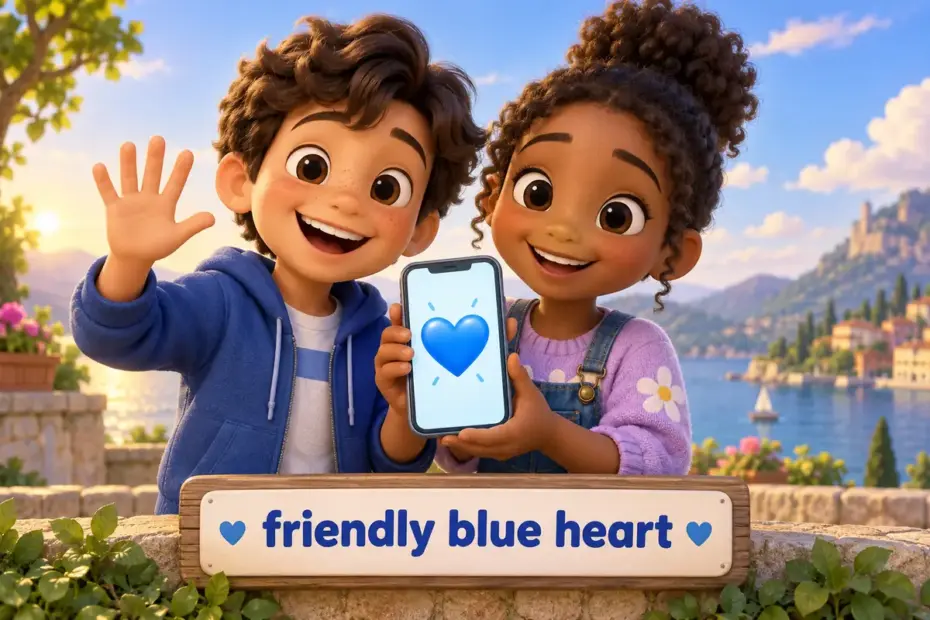
Blue heart emoji meaning leans towards trust, loyalty and calm affection rather than fiery romance. People send it to a good friend, a sibling or someone they want to support quietly. A simple example is “Take care, blue heart”, which reads as warm friendship instead of a love note.
Blue heart emoji meaning at a glance
- The blue heart emoji shows a heart in a calm, bright blue.
- It usually means trust, loyalty or friendship rather than romance.
- It can also signal calm, support or a cool, wintry mood.
- Its tone depends on the words around it, so context does the work.
- The commonest mistake is sending it to carry strong romantic love.
What does the blue heart emoji mean?
The blue heart emoji is a heart symbol in blue, and it usually carries a calm, steady feeling. It can mark friendship, trust, loyalty or quiet support, and it can also fit a cool or wintry mood. The table below shows the senses a reader is most likely to meet.
| Sense | What it signals | Example message |
|---|---|---|
| Friendship | Warm, non-romantic care | Miss you, blue heart. |
| Trust and loyalty | A reliable bond | Always got your back, blue heart. |
| Calm support | Steady, quiet care | Here if you need me, blue heart. |
| Cool mood | Peace or a wintry feeling | First snow today, blue heart. |
| Gentle admiration | Respect rather than a crush | Great work, blue heart. |
Because the blue heart stays cool, it rarely reads as an intense romance. A sender who wants to show steady care without pressure reaches for blue rather than red. The colour is what carries the calm, so the same words beside a red heart would read far warmer.
How do you use the blue heart emoji?
The blue heart sits at the end of a message or the middle of a sentence, and the words around it set the tone. A sender who wants to keep a friendship calm chooses blue, while one who wants to show warmth chooses a brighter heart. The patterns below show the commonest placements.
| Pattern | Example | What it signals |
|---|---|---|
| after a friendly line | Miss you, blue heart | Warm friendship. |
| after a loyal promise | I have your back, blue heart | Steady trust. |
| after a calm line | Rest well, blue heart | Quiet, gentle care. |
| beside a weather word | Cold morning, blue heart | A cool, wintry mood. |
| alone in reply | blue heart | A short, calm acknowledgement. |

Blue heart emoji across contexts
One emoji can fit a supportive note, a friendship message or a weather post, and the setting decides the reading. Each example below shows the blue heart doing a different job.
| Context | Example message | Why this works |
|---|---|---|
| Best friend | Thanks for listening, blue heart. | It shows warm, steady care. |
| Sibling | Proud of you, little bro, blue heart. | It marks affectionate family love. |
| Team chat | Great effort today, blue heart. | It offers calm praise. |
| Sympathy note | Thinking of you, blue heart. | It gives quiet support. |
| Weather post | Clear blue sky, blue heart. | It matches a cool, calm mood. |
| Study buddy | We will pass this, blue heart. | It steadies a nervous friend. |
| Farewell | Safe travels, blue heart. | It sends calm good wishes. |
| Fan message | Loved the show, blue heart. | It admires without a crush. |
| Group chat | Calm down, we are fine, blue heart. | It soothes a busy chat. |
| Romance | I love you so much, red heart. | Strong romance needs the red heart. |
| Winter post | First frost, blue heart. | It suits a cold, quiet mood. |
| Sibling joke | You owe me a snack, blue heart. | It keeps a tease gentle. |
Blue heart and red heart compared
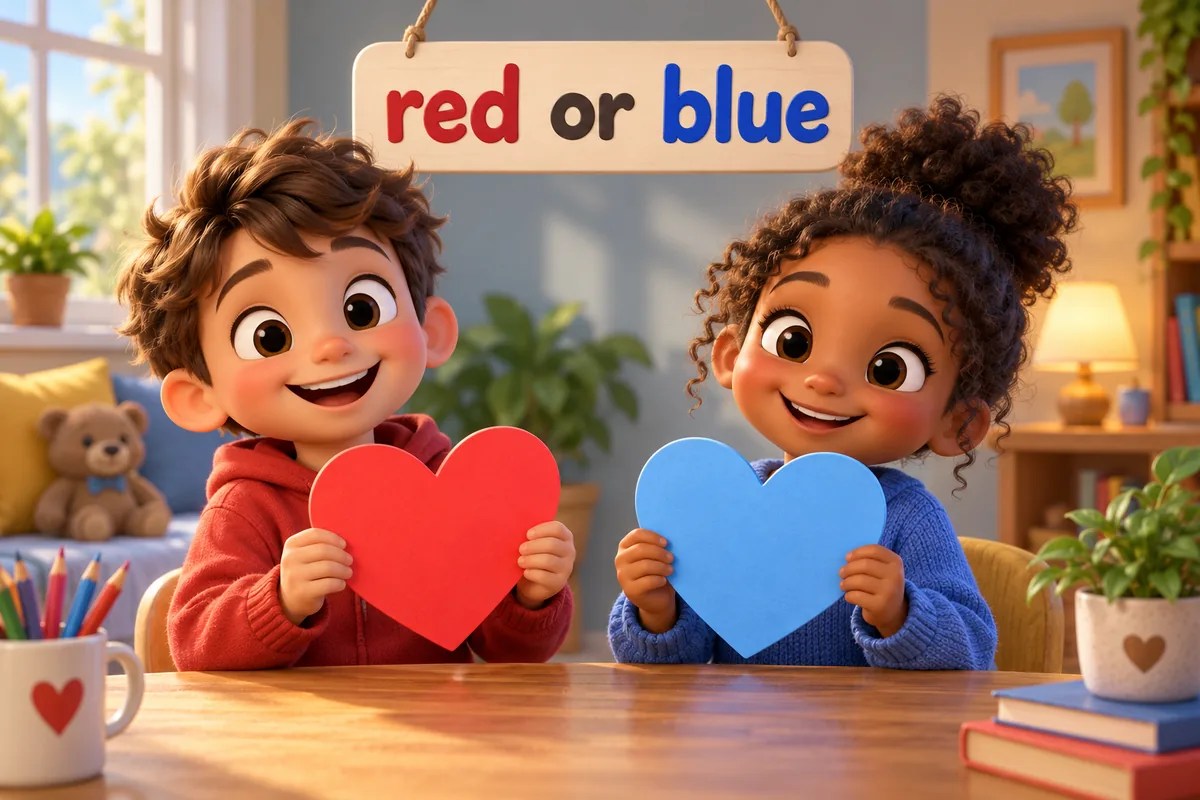
The two hearts share a shape but send different signals, and choosing the wrong one changes the message.
| Point | blue heart | red heart |
|---|---|---|
| Main sense | friendship and trust | romantic love |
| Warmth | calm and steady | warm and intense |
| Example | Always here, blue heart. | I love you, red heart. |
| Setting | friends, family and teammates | partners and close romance |
| Risk | can read as too cool for romance | can read as too strong for a friend |
Choose the blue heart for friendship and steady care, and the red heart for romance, and the message will land the way you mean it.
Related heart emojis and word forms
The heart set is large, and each colour adds its own shade of feeling. The table lists a few neighbours beside the words people use to talk about them.
| Emoji or word | What it adds | Example |
|---|---|---|
| red heart | romantic love | I love you, red heart. |
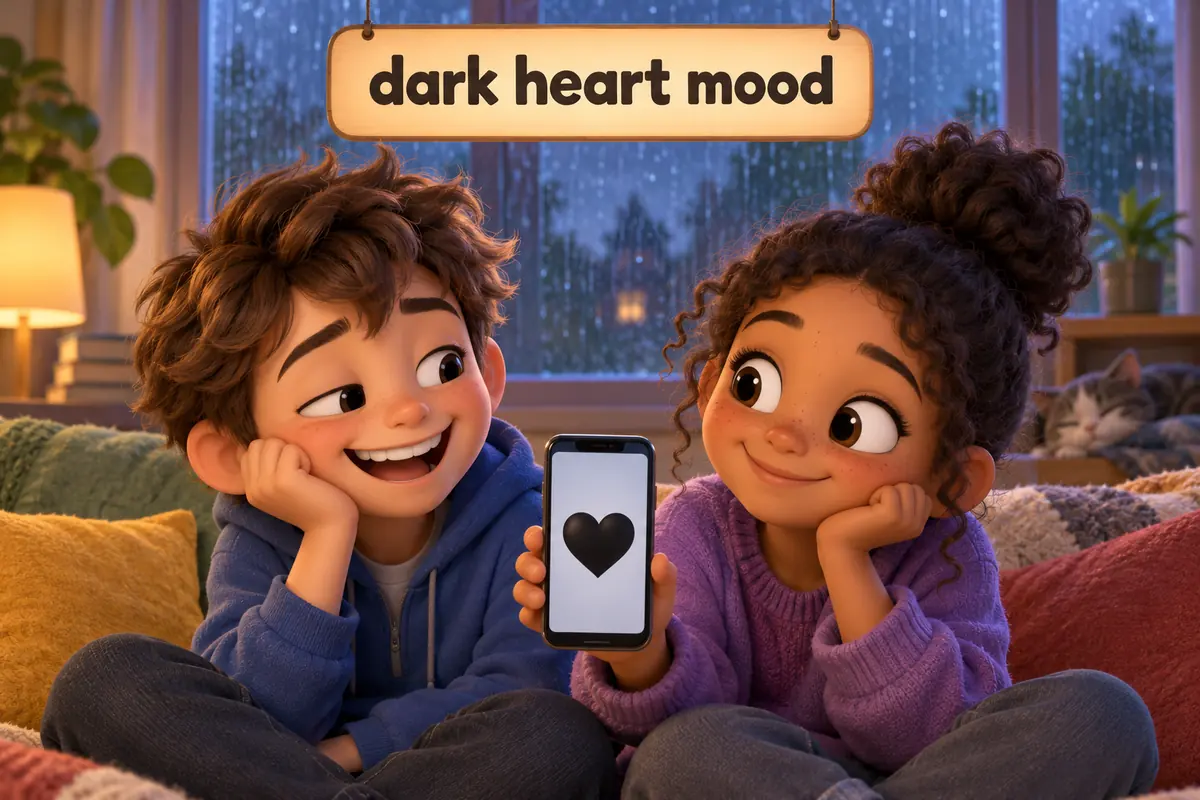
| black heart | dark humour and support | Here for you, black heart. |
| purple heart | care and admiration | So kind, purple heart. |
| green heart | nature and calm | Fresh leaves, green heart. |
| heart of gold | a kind nature | He has a heart of gold. |
| bolt from the blue | a sudden surprise | The news was a bolt from the blue. |
The emoji echoes older phrases about the heart. A kind person has a heart of gold in a sentence, an unexpected shock is a bolt from the blue, and a private feeling is often kept at heart. Plain shades are described with adjectives for heart such as warm or heavy.
Common mistakes with the blue heart emoji
Most errors come from tone, because the same heart can read as friendly, calm or even cold. These five slips cover the trouble.
- Incorrect:
Sending a blue heart to a new partner to say I am in love.Correct: Send a red heart to say I am in love. Rule: the blue heart reads as friendship. - Incorrect:
Sorry for your loss, blue heart, blue heart, blue heart.Correct: Sorry for your loss, thinking of you, blue heart. Rule: one heart with kind words reads better than three. - Incorrect:
I am furious with you, blue heart.Correct: I am furious with you, angry face. Rule: the blue heart carries a calm tone. - Incorrect:
Congratulations, blue heart, I am so excited.Correct: Congratulations, party popper. Rule: match the heart to a lively event. - Incorrect:
blue heart, lol, whatever.Correct: Good to hear from you, blue heart. Rule: too many tags blur the meaning.
Practice using the blue heart emoji
Try each item, then read the reason beside the answer to check your thinking.
- Fill in the blank: to support a good friend, a sender might use a ________ heart. (blue / red)
- Fill in the blank: for strong romance, the safer choice is a ________ heart. (red / blue)
- Choose the better emoji: a calm note of thanks to a teammate. (blue heart / fire)
- Correct the error: I am madly in love with you, blue heart.
- Build a message: use a blue heart and one word of steady friendship.
- Spot the tone: which is calmer, “Always here, blue heart” or “Always here, fire”?
Answers
- blue, because the blue heart shows steady friendship and support.
- red, because the red heart carries romantic love.
- blue heart, because it reads as calm and friendly.
- I am madly in love with you, red heart: romance needs the red heart.
- Sample: We are a great team, blue heart. It pairs steady care with the emoji.
- Always here, blue heart, because the blue heart stays calm and steady.
The bottom line
Blue heart emoji meaning comes down to calm, steady care: it usually signals friendship, trust or quiet support, and it rarely means intense romance. Read the words around it, because they set the reading more than the colour alone. Keep it for friends, family and teammates, and leave strong romance to the red heart.
Frequently asked questions about the blue heart emoji
Does the blue heart emoji mean love?
It can mean a warm, caring love, but not the intense romantic kind. The blue heart suits friendship, family and steady support, where the feeling is calm rather than fiery. For strong romance, the red heart is the clearer choice, so the reader understands the intent at once.
Why is the blue heart used for boys?
Blue is a common colour for baby boys in many cultures, so the blue heart often appears in gender announcements and in messages about a son, brother or male friend. That use is a custom rather than a rule, and plenty of people send the blue heart with no gender meaning at all.
Is the blue heart emoji friendly or romantic?
It is usually friendly, and it stays calm even when the friendship is close. The words beside it decide the exact reading, so here for you leans supportive while miss you leans warm. Only a clearly romantic message turns the blue heart romantic, and even then the red heart is clearer.
How is the blue heart different from the purple heart?
The blue heart centres on trust, loyalty and calm friendship, while the purple heart leans towards care and admiration. Purple often marks a thoughtful gesture or gentle praise. Both are warm, but blue feels steady and quiet, and purple feels a touch softer and more admiring.