English words borrowed from other languages are a normal result of contact between speakers, so a single conversation may use a word from French, Italian and Japanese. A borrowed word can keep its foreign shape or settle into English habits, and the everyday examples make the pattern easy to see.
English words borrowed from other languages at a glance
- A borrowed word, or loanword, is one English has taken from another language.
- Borrowed words often keep the spelling and sound of their source.
- Some arrive whole, while others are reshaped to fit English patterns.
- Borrowing goes both ways, since other languages take English words in return.
- The commonest mistake is giving a foreign plural to a word that has settled into English.
What are borrowed words?
A borrowed word is a word English has taken from another language and made its own. The process rarely copies a word exactly; the table names the main ways a foreign word enters English.
| Process | What happens | Example |
|---|---|---|
| Loanword | A word is taken whole | piano from Italian |
| Loan translation | A phrase is translated part by part | that goes without saying |
| Adapted spelling | A word is reshaped to English letters | a loanword is spelled as one word |
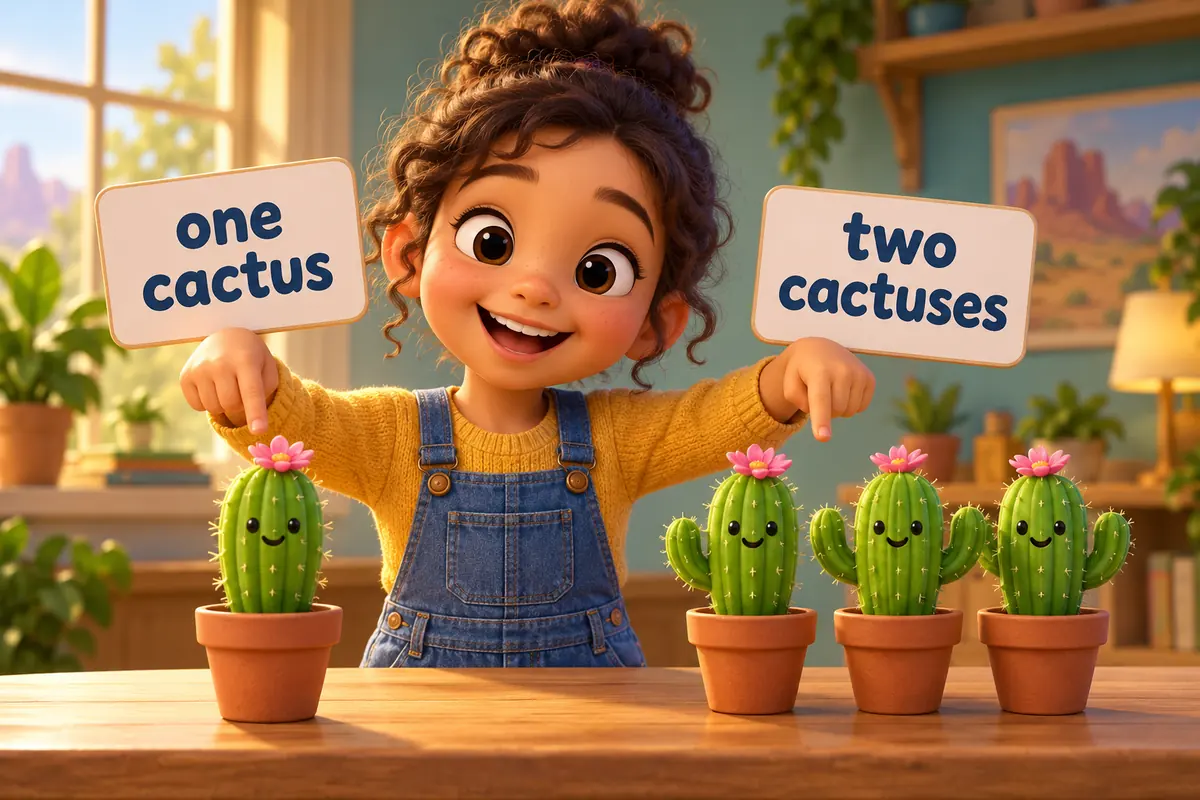
| Retained form | Spelling and plural stay foreign | cactus and cacti |
| Back formation | A new word is cut from a longer one | edit from editor |
Speakers rarely notice the debt, and borrowing shows up all over the everyday vocabulary that these borrowed sentence examples collect in context.
English words borrowed from other languages
The list below pairs fifteen common loanwords with the language they came from and their plain meaning.
| Word | Source language | Meaning |
|---|---|---|
| ballet | French | a formal style of dance |
| restaurant | French | a place that serves meals |
| piano | Italian | a large keyboard instrument |
| opera | Italian | a drama that is sung |
| kindergarten | German | a school for young children |
| yoga | Sanskrit | a system of exercise and meditation |
| algebra | Arabic | a branch of mathematics |
| sofa | Arabic | a long padded seat |
| tsunami | Japanese | a huge sea wave |
| karaoke | Japanese | singing along to recorded music |
| salsa | Spanish | a dance and a sauce |
| taco | Spanish | a folded filled bread |
| robot | Czech | a machine that works automatically |
| safari | Swahili | a journey to watch wild animals |
| cookie | Dutch | a small sweet biscuit |
The map of borrowing follows the map of contact, and these a to z language names show how many sources a single vocabulary can draw on.
Borrowed words examples across contexts
Each borrowed word settles into a particular part of daily life, and the setting often hints at where it came from.
| Context | Sentence | Why this works |
|---|---|---|
| Music lesson | She practises the piano every evening. | An Italian instrument keeps its name. |
| Dance class | The ballet opened with a slow adagio. | French dance terms travel together. |
| Science news | A tsunami warning reached the coast. | A Japanese word names the event. |
| Cafe menu | We ordered salsa with the tacos. | Spanish food words stay paired. |
| Classroom | The children practised yoga before class. | A Sanskrit term has widened in meaning. |
| Maths lesson | She explained the algebra step by step. | An Arabic term survives in school. |
| Living room | They relaxed on the new sofa. | The borrowing is fully naturalised. |
| Technology | The robot sorted the parcels. | A Czech word moved to machines. |
| Travel diary | They booked a safari for the spring. | A Swahili word entered tourism. |
| Art class | The opera poster hung above the stage door. | An Italian term stayed in the arts. |
| Evening class | She has studied karaoke singing for a year. | A Japanese word widened into leisure. |
Language contact runs across the globe, and these language sentence examples show that every living language borrows and lends at the same time.
How borrowed words change
Once a word enters English, time pushes it toward English habits, and the retained and naturalised forms often sit side by side.
| Feature | Retained foreign trait | English-naturalised form |
|---|---|---|
| Plural ending | cacti, radii | cactuses, radiuses in everyday use |
| Stress | Stress kept from the source | Stress shifted to an earlier syllable |
| Silent letters | Letters kept that are not said | A shortened, phonetic shape |
| Verb use | Noun only in the source | The noun works as a verb |
| Combination | Fixed phrase in the source | Recombined with English parts |
Two habits decide how fast a borrowing settles. The first is frequency: a word used every day, such as piano, loses its foreign feel within a generation. The second is fit: a word with unfamiliar sounds or endings is often trimmed, so a long foreign plural gives way to an English one once most speakers stop hearing the source.
A borrowed word also becomes a base for English relatives, and these english language sentence examples show the vocabulary taking a shared grammatical shape.
Word forms and grammar of borrowed words
Borrowed words behave like the English class they join, so most follow English inflection once they settle.
| Form | Part of speech | Example |
|---|---|---|
| loanword | noun | Piano is a loanword from Italian. |
| loanwords | plural noun | English is rich in loanwords. |
| borrowed | adjective | a borrowed word from Dutch |
| borrowing | noun | Borrowing works in both directions. |
| naturalised | adjective | Sofa is a naturalised word. |
| anglicised | adjective | The name was anglicised over time. |
A borrowed word can also shift meaning after it arrives, so a term that named one thing in its source language may widen or narrow in English. That drift is why the meaning and the origin of a loanword should be checked separately, because a settled English sense is not always the one the source first carried.
Common mistakes with borrowed words
Five errors show where a foreign model clashes with English habit.
We baked two biscotti. Correct: We baked two biscotti biscuits. Rule: do not add an English noun to an already plural borrowed form.
Please bring two cacti. Correct: Please bring two cactuses or cacti. Rule: a settled word may take an English plural without being wrong.
He karaoke a song last night. Correct: He sang karaoke last night. Rule: a borrowed noun does not become a verb until usage allows it.
The architecture was very nice. Correct: The architecture was striking. Rule: borrowed words are not automatically more formal, so keep the meaning specific.
That is a French loanword word. Correct: That is a French loanword. Rule: loanword already means a borrowed word, so the extra noun is redundant.
Practice with borrowed words
Work through the six items, then check the reasoned answers.
- Name the source language of piano.
- Correct the error: They ate two tacos and three sushi.
- Fill the blank: A word taken from another language is a ______.
- Build a sentence using a borrowed word in a workplace setting.
- Choose: is tsunami a loanword or a loan translation?
- Spot the register: which fits a formal essay, kids or kindergarten?
Answers
- Italian. Piano came into English from Italian.
- They ate two tacos and three sushi pieces. Sushi has no English plural, so a counter word helps.
- loanword. It names a word borrowed from another language.
- The team measured the risk with a single metric. Metric is a borrowed word in a technical frame.
- a loanword. The whole word was taken, rather than translated part by part.
- kindergarten. It is the more formal term for a setting of young children.
The bottom line
English words borrowed from other languages are a normal result of contact, not an accident of history. A loanword can keep its foreign shape, as piano does, or settle fully into English habits, as sofa has. The practical rule is to follow the plural the dictionary gives and to treat a borrowed word as an ordinary English word unless the source keeps pulling it back.
Frequently asked questions about borrowed words
What is a loanword?
A loanword is a word that English has taken from another language and uses as its own, such as piano from Italian or sofa from Arabic. The language it came from is called the source, and the borrowing usually reshapes the sound to fit English, so the word no longer sounds foreign to most speakers.
Why does English have so many borrowed words?
English borrows because its speakers have met other languages through trade, travel, learning and settlement, and each encounter leaves words behind. Subjects such as music, food and science carry many loanwords because they spread across borders along with the ideas. Borrowing never stops, so new words keep arriving.
Do borrowed words keep their foreign plurals?
Some borrowed words keep a foreign plural such as cacti or criteria, while others settle into an English plural such as cactuses or curriculums. Both forms can be correct, and the safer choice is the one your dictionary lists first. Formal writing often prefers the retained plural.
Do all borrowed words keep their original spelling?
Not all borrowed words keep an original spelling, because time reshapes a word toward English habits. Some keep silent letters and an unfamiliar accent mark, while others are shortened or respelled to fit English patterns. A dictionary records the settled spelling rather than the source form.