Examples of synecdoche in English with meanings revolve around one idea: a part can stand for a whole, or a whole for a part, so hands can mean workers and the police can mean a single officer. The figure is common in everyday speech, headlines and poetry alike.
Examples of synecdoche in English with meanings at a glance
- Synecdoche names a whole thing by one of its parts, or a part by the whole.
- Part for whole is the commonest form, as in hands for workers.
- Whole for part is rarer, as when a country’s name stands for its team.
- Synecdoche belongs to everyday speech as much as to poetry.
- The commonest mistake is confusing synecdoche with metonymy.
What is synecdoche?
Synecdoche is a figure of speech in which a part stands for a whole or a whole stands for a part. The two directions do different work, and the table keeps them apart.
| Type | What it does | Example |
|---|---|---|
| Part for whole | One part names the entire thing | All hands on deck. |
| Whole for part | The whole names a single piece | The police are at the door. |
| Material for thing | A substance names the object | a fine set of wheels |
| Species for genus | One kind names the group | a fleet of Hoovers |
Definitions are easy to read but hard to picture, and these example sentence models show the figure doing real work in a line of prose.
How do you use synecdoche in a sentence?
The figure works when the part chosen names something the reader already associates with the whole, and the table gives the patterns.
| Pattern | Example | What it signals |
|---|---|---|
| part noun + whole verb | The sails appeared on the horizon. | Sails stand for ships. |
| body part for person | We need more hands. | Hands stand for workers. |
| material for object | He paid with plastic. | Plastic stands for cards. |
| whole for one member | The college sent its report. | The body stands for one officer. |
| piece for the set | A string broke mid-concert. | One violin stands for the section. |
Once the part is chosen, the reader fills in the whole, which is why the figure saves words without losing meaning.
Examples of synecdoche in English with meanings
The table lists twelve common examples with the part named, the whole meant and a sentence that shows the figure at work.
| Expression | Part named | Whole meant | Example |
|---|---|---|---|
| hands | the workers | a workforce | We need more hands on deck. |
| wheels | the car | a vehicle | Check the wheels before we go. |
| boots | the soldiers | an army | Boots marched through the square. |
| strings | the violins | an orchestra section | The strings opened the piece. |
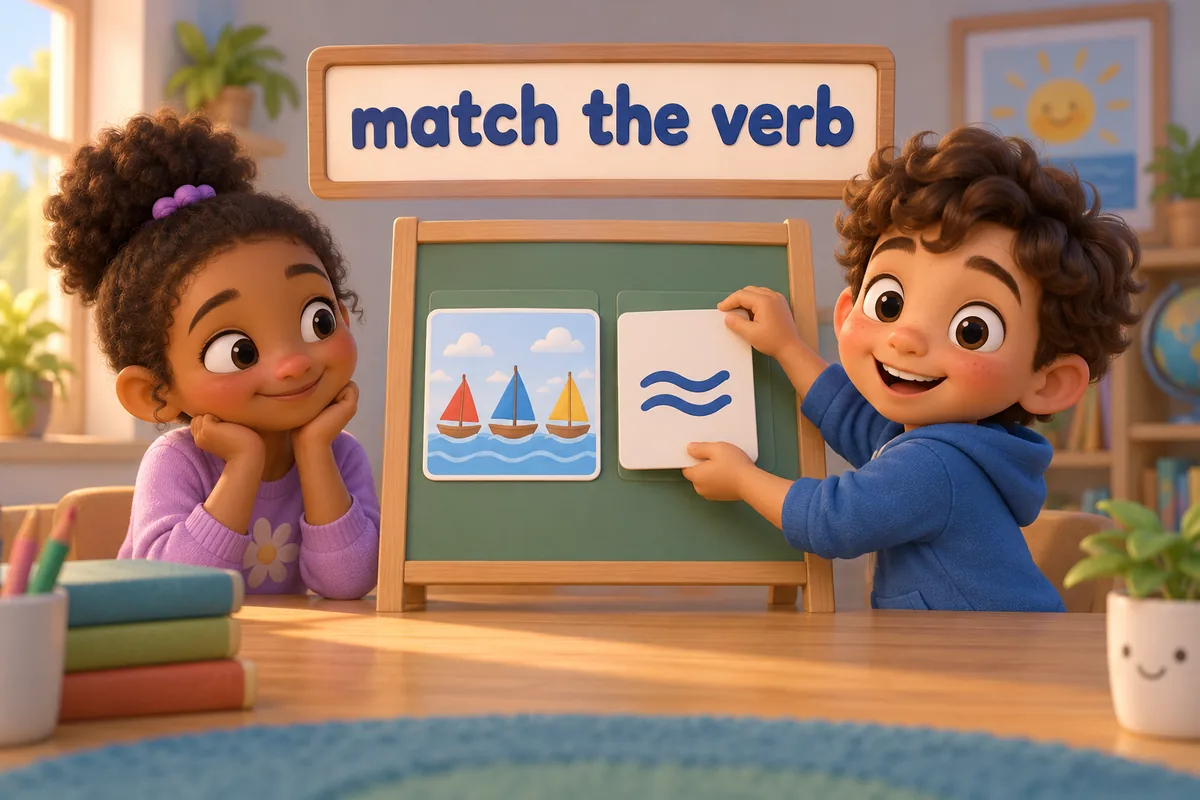
| sail | the ship | a vessel | A sail appeared on the horizon. |
| roof | the home | a household | They finally have a roof over their heads. |
| ivories | the piano keys | a piano | She tickled the ivories. |
| threads | the fabric | clothes | He wore his finest threads. |
| bread | the food or wage | a livelihood | He works to put bread on the table. |
| mouths | the people | a household | There are many mouths to feed. |
| heads | the people | a group | We counted heads at the gate. |
| the police | a single officer | the whole force | The police are at the door. |
| a string | one violin | the violin section | A string carried the melody. |
| grey hairs | older people | experience | The team trusts its grey hairs. |
The figure reaches beyond the page, and these examine sentence examples show how closely a reader has to look to see a whole hiding inside a part.
Synecdoche vs metonymy
The two figures are often mixed up because both swap one name for another, but the link between the two names is different.
| Feature | Synecdoche | Metonymy |
|---|---|---|
| Basis of the swap | A part-whole relationship | A close association |
| Example | hands for workers | the crown for the monarchy |
| Test | Is the part inside the whole? | Is the thing merely linked? |
| Everyday use | a head count | the press for journalists |
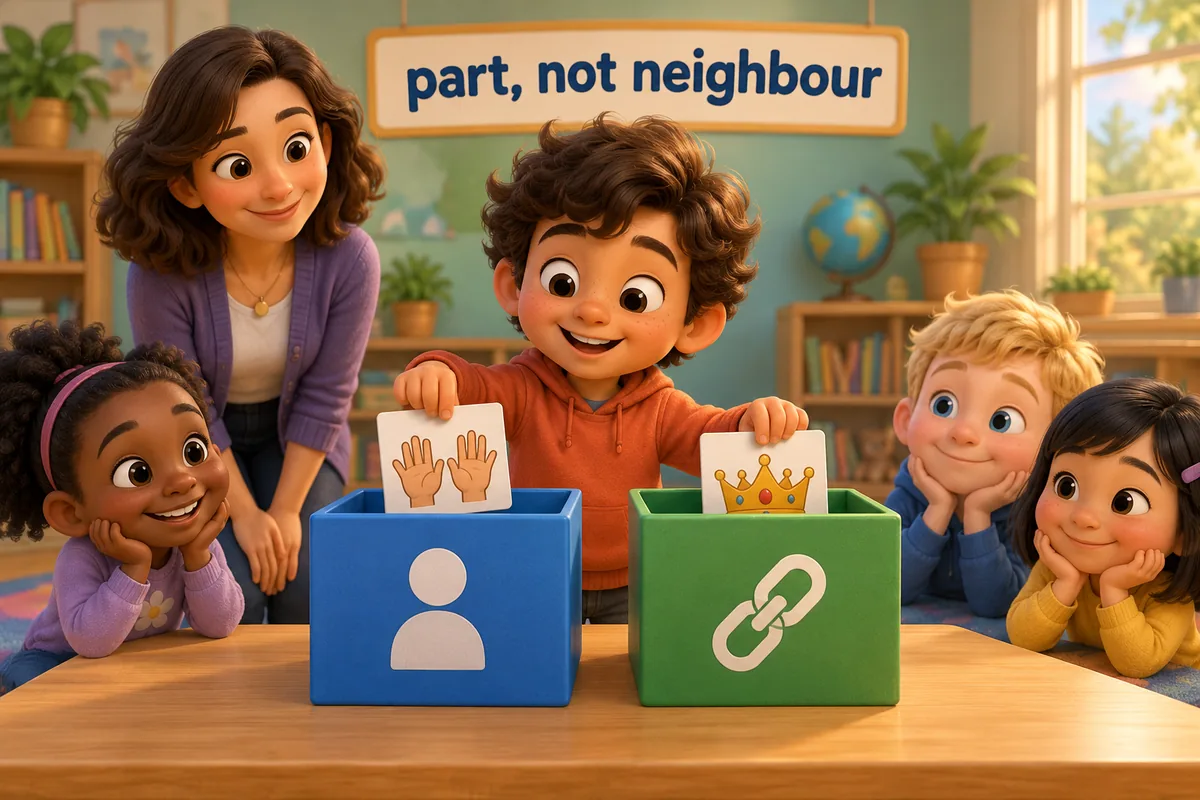
| Effect | Names a thing by its piece | Names a thing by its neighbour |
The verdict is simple: if the chosen word is physically part of what it names, the figure is synecdoche; if it is only connected to it, the figure is metonymy.
A quick way to test a doubtful phrase is to ask whether the named word could sit inside the whole. A wheel is part of a car, so wheels for cars is synecdoche; a pen is used by a writer but is not part of one, so the pen for the writer is metonymy. The question of part-hood settles nearly every case.
Word forms and grammar of synecdoche
Synecdoche is a noun with a rare plural and a related adjective that describes the style rather than the device.
| Form | Part of speech | Example |
|---|---|---|
| synecdoche | noun | Hands for workers is a synecdoche. |
| synecdoches | plural noun | The poem uses several synecdoches. |
| synecdochic | adjective | a synecdochic image |
| synecdochical | adjective | The phrase is synecdochical. |
| synecdochically | adverb | He writes synecdochically. |
The adjective is uncommon, and these exam sentence examples show the more familiar noun carrying the whole idea on its own.
Common mistakes with synecdoche
Five slips show where the figure goes wrong, and each has a rule.
The White House is an example of synecdoche. Correct: The White House is metonymy, since the building is linked to the administration rather than part of it. Rule: an associated place is metonymy, not synecdoche.
He has a heavy hand for the job. Correct: He is a good hand for the job. Rule: the part must stand for a person or a role, not an unrelated quality.
We counted ten wheels in the garage. Correct: We counted ten cars in the garage. Rule: the part must be capable of naming the whole without confusion.
The strings was tuning up. Correct: The strings were tuning up. Rule: the part noun takes the verb of the whole it names.
A synecdoche is always a single word. Correct: A synecdoche can be a phrase, as in a fleet of sails. Rule: the figure turns on meaning, not length.
Practice using synecdoche
Answer all six items, then check the reasoning below.
- What whole does hands name in all hands on deck?
- Label the figure: the crown for the monarchy.
- Correct the error: The sails was visible from the cliff.
- Build a sentence using boots for soldiers.
- Which is synecdoche: wheels for a car, or the press for journalists?
- Spot the register: which suits a formal essay, a head count or counting people?
Answers
- The workers or the crew. The hand is a part of the person it names.
- Metonymy. The crown is linked to the monarchy by association, not by being part of it.
- The sails were visible from the cliff. The part noun takes a plural verb.
- The boots advanced at dawn. Boots stand for the soldiers wearing them.
- wheels for a car. The wheels are part of the vehicle, while the press is merely associated with journalists.
- counting people. A formal essay usually prefers the plain wording over the figure.
The bottom line
Examples of synecdoche in English with meanings turn on a single idea: a part can name a whole and a whole can name a part. Hands, wheels and boots stand for people and vehicles, while the police can stand for one officer. The figure saves words and sharpens an image, so long as the chosen part points clearly to the whole and is not confused with metonymy.
Frequently asked questions about synecdoche
What is the difference between synecdoche and metonymy?
Synecdoche uses a part to name a whole or a whole to name a part, while metonymy uses something closely associated with the thing. Hands for workers is synecdoche because a hand is part of a person, and the crown for the monarchy is metonymy because the crown is linked rather than included. The part-whole test separates them.
Is the White House an example of synecdoche?
The White House is usually classed as metonymy rather than synecdoche, because the building is associated with the administration without being a part of it. Synecdoche would need a part of the administration, such as a single spokesperson standing for the whole office. Association marks metonymy, and inclusion marks synecdoche.
Why do writers use synecdoche?
Writers use synecdoche because a well-chosen part is concrete, brief and vivid, so sails on the horizon reads faster than ships on the horizon. The figure also lets a single detail suggest a whole scene, which suits poetry and headlines. Used too often it becomes a cliché, so it works best sparingly.
What is a simple example of synecdoche for students?
A simple example is asking for all hands on deck, where hands stands for the whole crew. Students meet the figure in phrases such as a head count, where head stands for a person, and wheels for a car. Each one takes a single part and lets it name the whole thing.