Irregular subjunctive verbs are the verb forms that break the normal pattern of person and tense, so a sentence keeps the base form where ordinary grammar would add an -s. After verbs such as insist or suggest, English writes that she arrive, not that she arrives, and the older were-subjunctive survives in if I were you.
Irregular subjunctive verbs at a glance
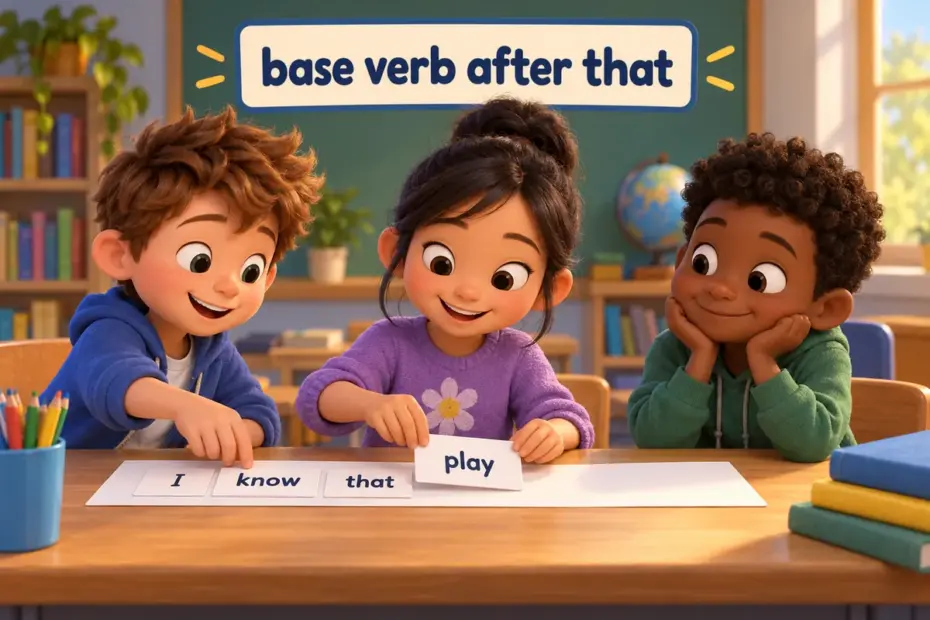
- The mandative subjunctive keeps the base verb after that, so it is that he go, not that he goes.
- Verbs such as insist, demand, suggest, recommend, and require commonly trigger it.
- The were-subjunctive uses were for every subject, as in if I were you.
- It is called irregular because the third-person -s and the past tense are dropped.
- The commonest error is adding -s to the subjunctive after that.
What are irregular subjunctive verbs?
The subjunctive is a mood rather than a tense, and it marks statements that are wanted, imagined, or supposed rather than simply true. It looks irregular because the normal agreement rules are set aside: the verb stays in its base form whatever the subject. Two patterns carry almost all of it in modern English.
| Pattern | Plain meaning | Example |
|---|---|---|
| mandative subjunctive | the base verb after that, for a demand or wish | I insist that he be present. |
| were-subjunctive | were for all subjects in unreal conditions | If I were taller, I would play. |
| fixed phrases | surviving old forms in set expressions | Come what may, we will finish. |
| negative subjunctive | not placed before the base verb | She asked that he not leave early. |
The mood signals distance from plain fact. A sentence such as the board demanded that the policy be reviewed reports a demand, not a completed action, and the base form be marks that distance. A clause built this way counts as an irregular sentence because it sets the usual agreement aside.
How do you use the subjunctive in a sentence?
The form is decided by the clause that comes before it, not by the subject that follows that. When a trigger verb introduces a that-clause, the verb inside stays in the base form, and in the negative the word not comes straight before it. The table sets out the main patterns.
| Pattern | Example | What it signals |
|---|---|---|
| trigger + that + base verb | They suggested that she wait. | a wish or recommendation |
| It is + adjective + that + base | It is vital that he attend. | a judgement of necessity |
| trigger + that + not + base | I recommend that you not delay. | a negative wish |
| if + subject + were | If she were here, we would start. | an unreal condition |
| wish + subject + were | I wish it were Friday. | a contrary-to-fact wish |

Irregular subjunctive verbs: examples across contexts
The mood appears in formal writing more often than in casual speech, and each setting uses it for the same reason: to mark something wanted rather than something stated as true. Reading it in different registers makes the trigger easy to spot, and the same verb behaviour is compared with other odd forms in irregular adjective comparisons in English.
| Context | Sentence | Why this works |
|---|---|---|
| Formal request | I request that the meeting be postponed. | base verb be after a trigger |
| Rule book | The rules require that each member wear a badge. | base verb wear, not wears |
| Everyday speech | If I were you, I would wait. | were for an unreal condition |
| Academic writing | The study suggests that the theory hold in both cases. | base verb in a that-clause |
| Email to a manager | I suggest that he take the early train. | recommendation with base verb |
| Recipe note | It is essential that the oven be hot. | necessity with base verb be |
| News report | The court ordered that the file remain sealed. | legal demand, base remain |
| Wish | She wishes she were taller. | were after wish |
| Sports report | The coach insisted that every player be on time. | base be after insist |
| Meeting minutes | The committee proposed that the budget be cut. | proposal with base be |
Which verbs and phrases trigger the subjunctive?
Triggers fall into two groups: verbs of wanting or directing, and adjectives of importance that open an It is clause. A that-clause after one of these keeps the base verb. The list reads like a stretch of verbs that start with a, and more sit among verbs that start with c such as command and compel.
| Trigger | Type | Example |
|---|---|---|
| insist | verb of directing | I insist that she stay. |
| suggest | verb of advising | They suggest that he apply early. |
| demand | verb of requiring | Customers demand that it work. |
| recommend | verb of advising | We recommend that she rest. |
| require | verb of requiring | The law requires that he register. |
| vital / essential | adjective of importance | It is vital that he attend. |
Register decides how often a writer meets the mood. A lawyer drafting a contract writes the tenant shall maintain the garden, while a friend says I wish I were on holiday. The formal clause marks an obligation, and the spoken wish marks a situation that is not true.
Word forms and grammar of the subjunctive
The subjunctive borrows the base form of any verb, so its forms look plain beside the ordinary ones. The only clearly irregular survivor is be, which appears as be for every subject, and were, which replaces was in unreal clauses. The table pairs the subjunctive with its everyday counterpart.
| Form | Ordinary grammar | Subjunctive example |
|---|---|---|
| go | she goes | I insist that she go. |
| be | he is | It is vital that he be ready. |
| were | she was | If she were here. |
| not + base | do not go | I ask that you not go. |
| have | it has | He asked that it have a lock. |
Common mistakes with irregular subjunctive verbs
Each error below shows the wrong sentence, the corrected one, and the rule that explains the fix.
Mistake 1: adding -s. Incorrect: I insist that she arrives on time. Correct: I insist that she arrive on time. Rule: a trigger verb keeps the base form in the that-clause.
Mistake 2: was in an unreal clause. Incorrect: If I was you, I would wait. Correct: If I were you, I would wait. Rule: unreal conditions take were for every subject.
Mistake 3: do-support in the negative. Incorrect: I suggest that he does not go. Correct: I suggest that he not go. Rule: the negative subjunctive places not before the base verb.
Mistake 4: subjunctive after a fact verb. Incorrect: I know that she be right. Correct: I know that she is right. Rule: verbs of plain knowledge take ordinary agreement.
Mistake 5: a stray that in front. Incorrect: That the policy be reviewed, the board demanded. Correct: The board demanded that the policy be reviewed. Rule: the subjunctive sits inside the that-clause, not before it.
Practice using irregular subjunctive verbs
Each item turns on one of the triggers above, and the answers explain the form.
- Fill in the blank: The doctor recommended that she ___ rest. (rest)
- Choose the better form: If it (was / were) warmer, we would walk.
- Correct the error: They insist that he
staysin touch. - Build a sentence: use insist and a base verb to make a demand about punctuality.
- Spot the register: which suits a formal memo, (a) we want the fee cancelled or (b) we recommend that the fee be cancelled?
- Fill in the blank: It is essential that the door ___ locked. (be)
Answers
- rest, because recommend triggers the base verb in the that-clause.
- were, because an unreal condition takes were for every subject.
- They insist that he stay in touch; the trigger verb keeps the base form.
- The coach insists that every player arrive early, using the base verb arrive.
- (b), because the subjunctive be matches the formal register.
- be, because essential opens an It is clause with the base verb.

The bottom line
Irregular subjunctive verbs keep the base form where ordinary grammar would add agreement, and the trigger is always the clause before the subject. Learn the small set of verbs and adjectives that demand it, and the were that marks an unreal condition. Once the trigger is recognised, the subjunctive stops looking irregular.
Frequently asked questions about the subjunctive
Why is it called irregular if it uses the base verb?
It is called irregular because it drops the usual -s and the past-tense marking, so it departs from the normal pattern of agreement. The base form itself is regular, but the way it ignores the subject is not, so the label sticks.
Is the subjunctive still used in modern English?
Yes, the mandative subjunctive survives in formal, academic, and legal writing, and the were-subjunctive remains common in speech. Some speakers replace the mandative form with should, as in that she should arrive, but the base form is still standard in careful writing and exams.
Which is correct, if I was or if I were?
Both appear, but if I were is the standard form for an unreal condition, meaning a situation that is not true. If I was suits a real past statement about fact. The choice depends on whether the condition is imagined or reported.
Do all that-clauses take the subjunctive?
No. Only a clause after a trigger of wanting, demanding, or importance takes it. A clause after a verb of knowing or reporting keeps ordinary agreement, so I know that she is right stays as it is. The trigger, not the conjunction, decides.