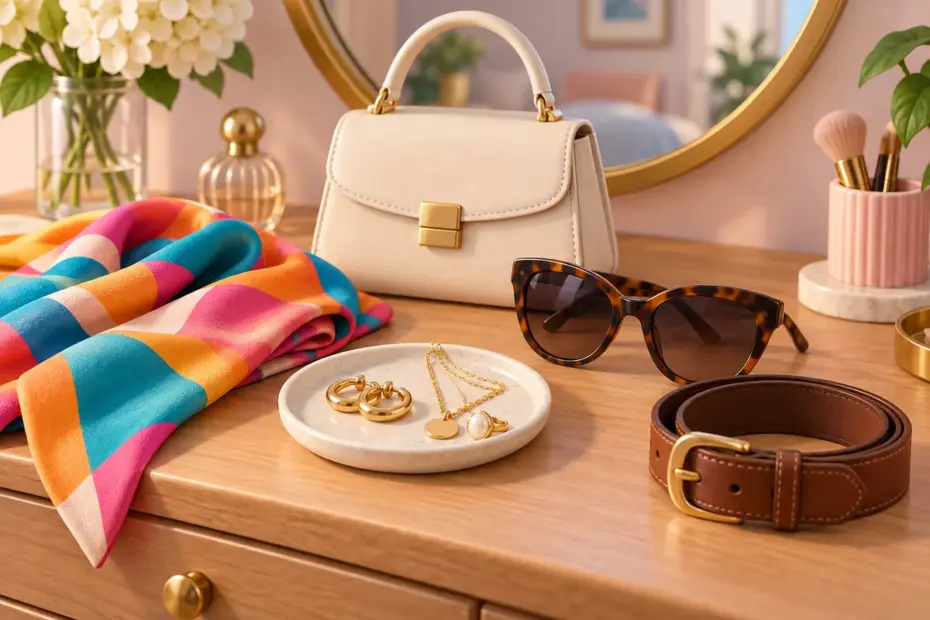
Adjectives for Accessories: Stylish Words and Examples
Adjectives for accessories can describe appearance, function, material, or style: a versatile bag suits different occasions, an ornate brooch has elaborate decoration, and a functional belt serves a practical purpose. Choose a word that tells readers what stands out instead of relying on general praise such as “nice.”
- Appearance: sleek, elegant, ornate, colorful.
- Style: minimalist, bold, vintage, fashionable.
- Use: functional, practical, versatile, lightweight.
- Condition or quality: polished, durable, delicate.
- Best practice: match the adjective to a visible feature or real use.
Which adjectives describe accessories?
Useful adjectives for accessories include stylish, elegant, sleek, ornate, bold, understated, colorful, versatile, functional, and durable. An accessory can be added to clothing for a useful or decorative purpose, so the best adjective depends on whether you are describing design, use, material, or effect. (Cambridge Dictionary: accessory)
Dictionary meanings help sharpen the choice. Versatile describes something that can be used for many purposes; fashionable means popular at a particular time; sleek suggests a smooth, neat appearance; and ornate means richly decorated. The terms are not interchangeable: a simple bag may be versatile and understated without being ornate. (versatile; fashionable; sleek; ornate)
How do you choose an adjective for an accessory?
Start with the detail a reader needs to picture: shape, decoration, color, material, comfort, or use. Then choose one precise adjective and, when helpful, support it with a concrete noun or example. “A compact crossbody bag with a secure clasp” gives more useful information than “a great bag.”
| Adjective | What it emphasizes | Example phrase |
|---|---|---|
| Elegant | Refined or graceful appearance | an elegant silver pendant |
| Sleek | Smooth, streamlined look | sleek black sunglasses |
| Ornate | Elaborate decoration | an ornate vintage brooch |
| Understated | Subtle design that does not attract attention | an understated leather belt |
| Versatile | Useful in different settings or combinations | a versatile neutral tote |
| Functional | Designed to serve a practical purpose | a functional travel wallet |
| Bold | Strong color, shape, or visual impact | a bold geometric necklace |
| Durable | Likely to withstand regular use | a durable canvas backpack |
- “She paired the plain dress with a bold, colorful necklace.”
- “The sleek watch has a narrow band and a simple face.”
- “A versatile scarf can be worn around the neck or tied to a bag.”
- “The ornate clutch is decorated with small glass beads.”
- “He chose a functional backpack with padded straps and several pockets.”
Adjectives for accessories by category
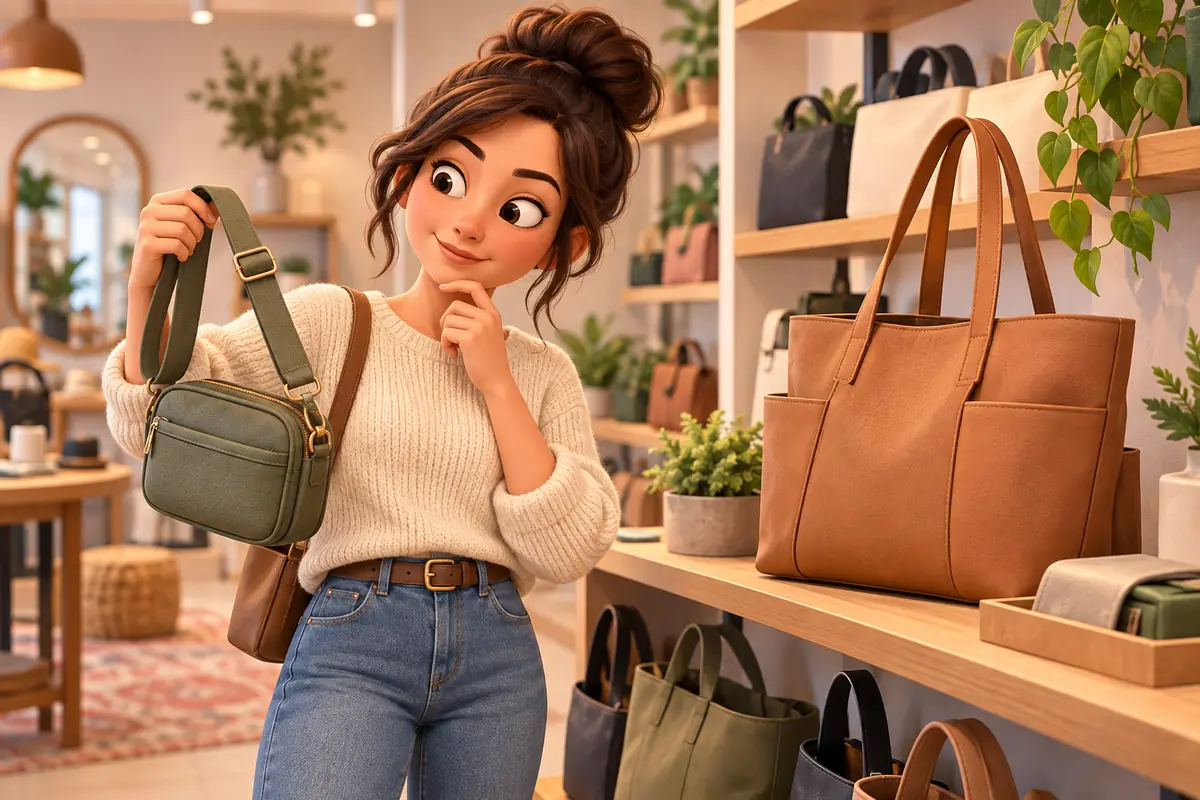
Design and appearance: use elegant, sleek, ornate, minimalist, colorful, or eye-catching. These words help readers picture lines, decoration, and visual impact. For instance, “a sleek metal watch” points to a streamlined shape; “an ornate hair comb” suggests elaborate details.
Use and comfort: functional, practical, versatile, lightweight, and comfortable describe how an item works for its owner. A bag with adjustable straps can be practical; a scarf that works with several outfits may be versatile. Mention the feature that supports the adjective so it does not sound like an empty claim.
Trend and character: fashionable, timeless, vintage, quirky, and bold describe a style impression. Fashionable is time-sensitive because it means popular now or in a period; timeless is a judgment that a design seems to outlast trends. If the writing should stay factual, describe color, shape, or material instead of making a subjective claim.
How do you make accessory descriptions more precise?
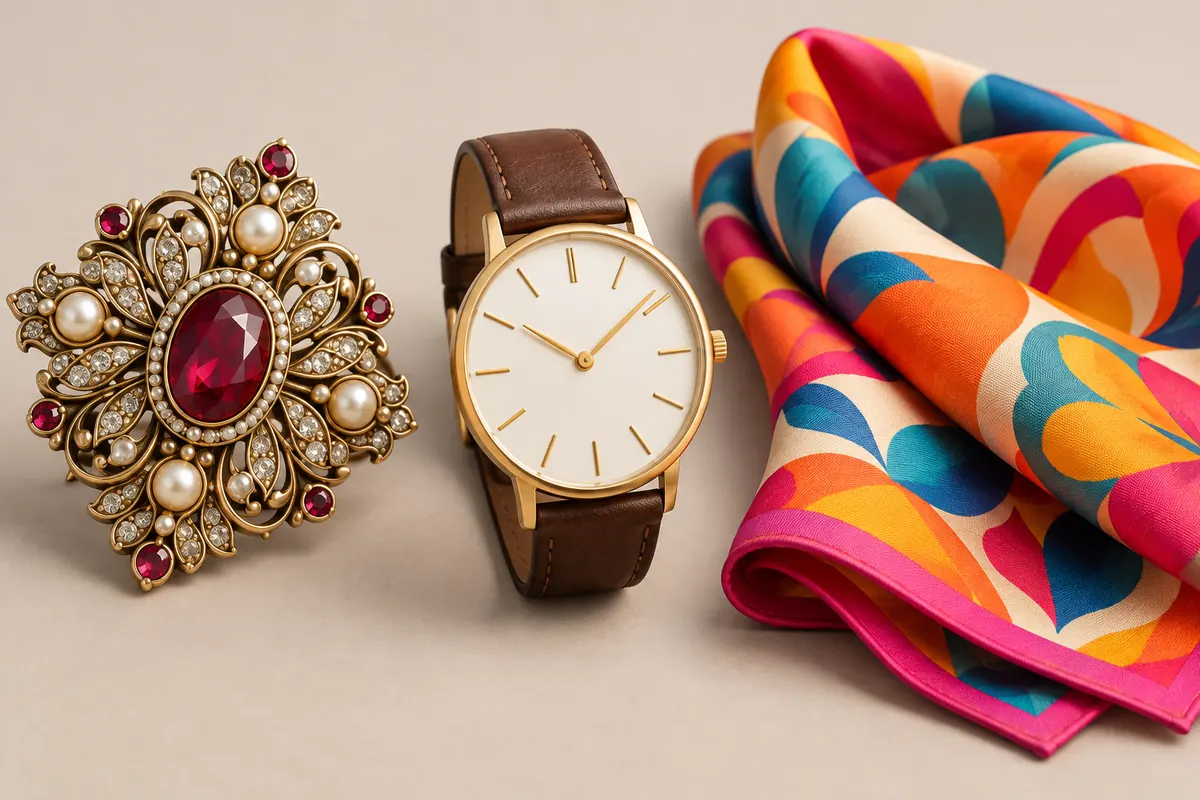
Combine one evaluative adjective with an observable feature: “a delicate gold chain,” “a roomy canvas tote,” or “a polished silver clasp.” This structure lets readers distinguish opinion from description. If you call an item durable, explain the construction or material you can verify; if you call it fashionable, identify the trend or context.
Avoid stacking near-synonyms such as “beautiful, gorgeous, lovely, stylish.” One or two well-chosen words usually do more work. Also remember that a fashion accessory can have practical value as well as decorative value, so a good description may mention both: “a lightweight, water-resistant crossbody bag.”
Frequently asked questions about adjectives for accessories
What are positive adjectives for accessories?
Positive choices include stylish, elegant, versatile, durable, and well-crafted, but use each only when it fits. Elegant describes refined appearance, versatile suggests several uses, and durable makes a claim about wear. A visible detail makes the description more credible.
What adjective means an accessory goes with many outfits?
Versatile is a good choice for an accessory that works in several settings or with different outfits. For example, “a versatile navy scarf pairs with casual and formal clothes.” If you mean it matches one specific color scheme, coordinated or matching may be more exact.
What is the difference between ornate and minimalist?
Ornate describes an accessory with a lot of detailed decoration, such as an embellished brooch. Minimalist describes a deliberately simple design with few decorative elements. They mark contrasting visual approaches; neither is automatically better, and the right description depends on the item’s visible design.
How can I describe accessories without repeating stylish?
Name the feature you notice: a bag can be roomy, lightweight, or structured; a bracelet can be delicate, bold, or ornate. Mention color, material, shape, or function alongside one adjective. Concrete details make descriptions clearer and reduce repetitive praise.
When it comes to accessorizing, finding the perfect adjectives to describe your accessories can make all the difference. Whether you’re looking for words to highlight the elegance of a necklace, the versatility of a handbag, or the edginess of a pair of sunglasses, having a variety of adjectives in your vocabulary is essential. In this article, I’ll share with you some stylish and descriptive adjectives that will help you elevate your accessory game.
Accessories are more than just add-ons; they have the power to transform an outfit from ordinary to extraordinary. By choosing the right adjectives, you can convey the mood or style that you want to achieve effortlessly. From “dainty” and “delicate” for understated pieces to “bold” and “eye-catching” for statement accessories, there’s an adjective out there that perfectly captures what you’re looking for.
So whether you’re getting ready for a night out on the town or simply want to add some flair to your everyday attire, knowing which adjectives best describe your accessories will give you that extra boost of confidence. Join me as we delve into a world of beautiful words and discover how they can enhance our personal style through our choice of accessories. Let’s dive in!
How to Describe accessories? – Different Scenarios

When it comes to describing accessories, the key is to be specific and paint a vivid picture for your readers. Whether you’re writing about fashion accessories, home decor pieces, or even tech gadgets, using the right adjectives can make all the difference in capturing your audience’s attention. Let’s explore some different scenarios and see how we can describe accessories effectively.
- Fashion Accessories: When describing fashion accessories like handbags or jewelry, it’s important to consider their style, material, and overall aesthetic. Here are a few examples:
- Elegant: A sleek silver necklace that adds an elegant touch to any outfit.
- Playful: A colorful beaded bracelet that exudes a playful vibe.
- Luxurious: A soft leather handbag that oozes luxury and sophistication.
- Home Decor Pieces: If you’re writing about home decor accessories such as vases or cushions, focus on their design elements and functionality:
- Vintage: A charming vintage vase that adds a nostalgic touch to your living room.
- Cozy: Plush velvet cushions that create a cozy atmosphere in any space.
- Minimalist: Clean lines and simple shapes define this minimalist table lamp.
- Tech Gadgets: When describing tech gadgets like headphones or smartwatches, highlight their features and performance:
- Cutting-edge: These cutting-edge wireless earbuds offer crystal-clear sound quality.
- Sleek: With its slim design and vibrant display, this sleek smartwatch is both stylish and functional.
- Innovative: This innovative gadget combines multiple functions into one compact device.
Remember, the goal is to engage your readers by providing detailed descriptions that help them visualize the accessory in question. By using descriptive adjectives tailored to each scenario, you’ll captivate your audience while imparting valuable information about these items.
So next time you’re tasked with describing accessories in your writing, don’t hesitate to get creative and experiment with different adjectives that accurately represent their unique qualities.
Describing words for accessories in English

When it comes to describing accessories, there are a plethora of adjectives that can be used to capture their unique qualities and enhance our understanding of their aesthetics. Whether it’s a stylish handbag, a dainty necklace, or a trendy pair of sunglasses, the right adjectives can bring these accessories to life. Here are some descriptive words that can help you paint a vivid picture when talking about accessories:
- Chic: This adjective is perfect for describing accessories that exude elegance and sophistication. Think sleek leather bags, delicate gold bracelets, or statement earrings that effortlessly elevate any outfit.
- Quirky: For those who prefer accessories with a touch of personality and individuality, “quirky” is the go-to word. Use it to describe pieces like colorful patterned socks, funky headbands adorned with unique embellishments, or mismatched earrings that make a bold fashion statement.
- Timeless: Some accessories have stood the test of time and remain classics throughout the years. Use “timeless” to describe items like pearl necklaces, diamond studs, or simple silver watches that never go out of style.
- Versatile: Accessories that can be worn with multiple outfits and for various occasions deserve the label “versatile.” It could be a scarf in neutral colors that complements any ensemble or a reversible belt that allows you to switch up your look effortlessly.
- Glamorous: When an accessory oozes glamour and luxury, use this word to capture its essence. Picture sparkling chandelier earrings, shimmering sequined clutches, or dazzling crystal-encrusted hairpins – all perfect examples of glamorous accessories.
Remember to choose adjectives based on the specific characteristics you want to highlight about each accessory in question. The right choice of words will not only enhance your descriptions but also engage readers by allowing them to visualize these fashionable items in their minds.
So, whether you’re discussing accessories with your friends, writing a blog post about the latest trends, or simply appreciating the beauty of these adornments, employ these descriptive words to bring out the best in each accessory and captivate your audience.
Adjectives for Accessories

Positive Adjectives for Accessories with 10 Examples
When it comes to describing accessories, there are plenty of positive adjectives that can bring out their charm and appeal. Here are ten examples of adjectives that capture the essence of various accessories:
- Chic – Elevate your outfit with a chic handbag.
- Stylish – These sunglasses add a touch of style to any look.
- Elegant – A pair of elegant earrings can enhance your evening attire.
- Versatile – This versatile scarf complements both casual and formal ensembles.
- Trendy – Stay on top of fashion trends with this trendy bracelet.
- Unique – Stand out from the crowd with a unique statement necklace.
- Dainty – Delicate and dainty rings make for lovely everyday accessories.
- Glamorous – Add some glamour to your outfit with a glamorous clutch.
- Fashionable – Keep up with the latest fashion by wearing fashionable shoes.
- Eye-catching – Make a statement with an eye-catching belt that draws attention.
Negative Adjectives for Accessories with 5 Examples
While accessories often embody positivity, there are also negative adjectives that can be used to describe certain aspects or qualities:
- Tacky – Avoid wearing tacky earrings that clash with your overall look.
- Bulky – Steer clear of bulky bracelets that may overpower your wrist.
- Outdated – Replace outdated sunglasses with more modern options.
- Uncomfortable ‚Äì Don’t sacrifice comfort for style when choosing accessories like shoes or bags
- Gaudy – Opt for subtlety over gaudiness when selecting necklaces or other jewelry pieces.
Remember, these negative adjectives don’t apply to all accessories but rather serve as cautionary reminders about certain design elements or styles to avoid.
As you explore the world of accessories, keep in mind these adjectives to help you express your personal style and enhance your overall look. Choose accessories that reflect your unique taste while ensuring they complement your outfit in a positive way.
Other Words for Accessories – Synonyms and Antonyms With Example Usage

When it comes to describing accessories, there are a plethora of words that can be used to add flair and variety to your descriptions. Whether you’re writing about fashion, home decor, or any other realm where accessories play a role, incorporating synonyms and antonyms can make your writing more engaging. Let’s explore some alternative words for accessories and how they can be used:
- Synonyms for Accessories:
- Additions: These are the little extras that enhance an outfit or space. Example: She adorned her wrist with delicate additions like bangle bracelets and a dainty watch.
- Accents: Use this word to highlight how accessories bring attention to specific elements. Example: The statement necklace served as the perfect accent, drawing all eyes to her neckline.
- Embellishments: When you want to emphasize how accessories enhance or decorate something. Example: The handbag was adorned with intricate embellishments, adding an elegant touch.
- Antonyms for Accessories:
- Minimals: This term refers to the concept of simplicity and understatement in accessorizing. Example: Her style was characterized by clean lines and minimals; she believed less is more.
- Bareness: Use this word when highlighting a lack of adornment or minimal use of accessories. Example: The minimalist design showcased the beauty of bareness, allowing each piece to shine individually.
- Sparsity: This term emphasizes scarcity or shortage in terms of accessory usage. Example: The overall look exuded sophistication through its intentional sparsity in accessorizing.
Remember, choosing the right words when describing accessories can greatly impact how your readers perceive them. By utilizing synonyms and antonyms effectively, you can create vivid descriptions that captivate your audience’s imagination. So go ahead and experiment with these alternative words while crafting your next piece on accessories!
Conclusion
To sum up, adjectives play a crucial role in describing and enhancing the qualities of accessories. Throughout this article, we have explored various adjectives that can be used to describe different types of accessories, from jewelry to handbags and everything in between. These adjectives not only help us express our personal style but also convey the characteristics and attributes of these items.
In conclusion, when it comes to choosing the right adjectives for accessories, it’s essential to consider factors such as color, material, shape, size, and overall design. By using descriptive words that accurately capture the essence of an accessory, we can effectively communicate its unique features and appeal.
Remember that selecting appropriate adjectives for accessories can greatly enhance our ability to express ourselves creatively while also providing valuable information to others. Whether you’re a fashion enthusiast looking to describe your favorite statement necklace or a teacher introducing new vocabulary words to young learners, having a wide range of adjectives at your disposal will undoubtedly enrich your communication skills.
So next time you’re describing an accessory, think beyond basic terms like “beautiful” or “nice” and challenge yourself to use more specific and vivid adjectives that truly capture its essence. By doing so, you’ll not only elevate your language skills but also bring life and excitement into your descriptions.
Incorporating colorful language into our everyday conversations about accessories allows us to appreciate their unique qualities even more. So go ahead and have fun exploring the world of descriptive adjectives for accessories – it’s a wonderful way to infuse creativity into your fashion expression!


