Adjectives for Air: Words, Meanings & Examples
Adjectives for air describe separate features such as temperature, moisture, movement, visible particles, smell, or a person’s impression. Words like cool and humid report different conditions; terms such as clean or polluted need evidence about contaminants, not just a pleasant or unpleasant feeling.
Air at a Glance
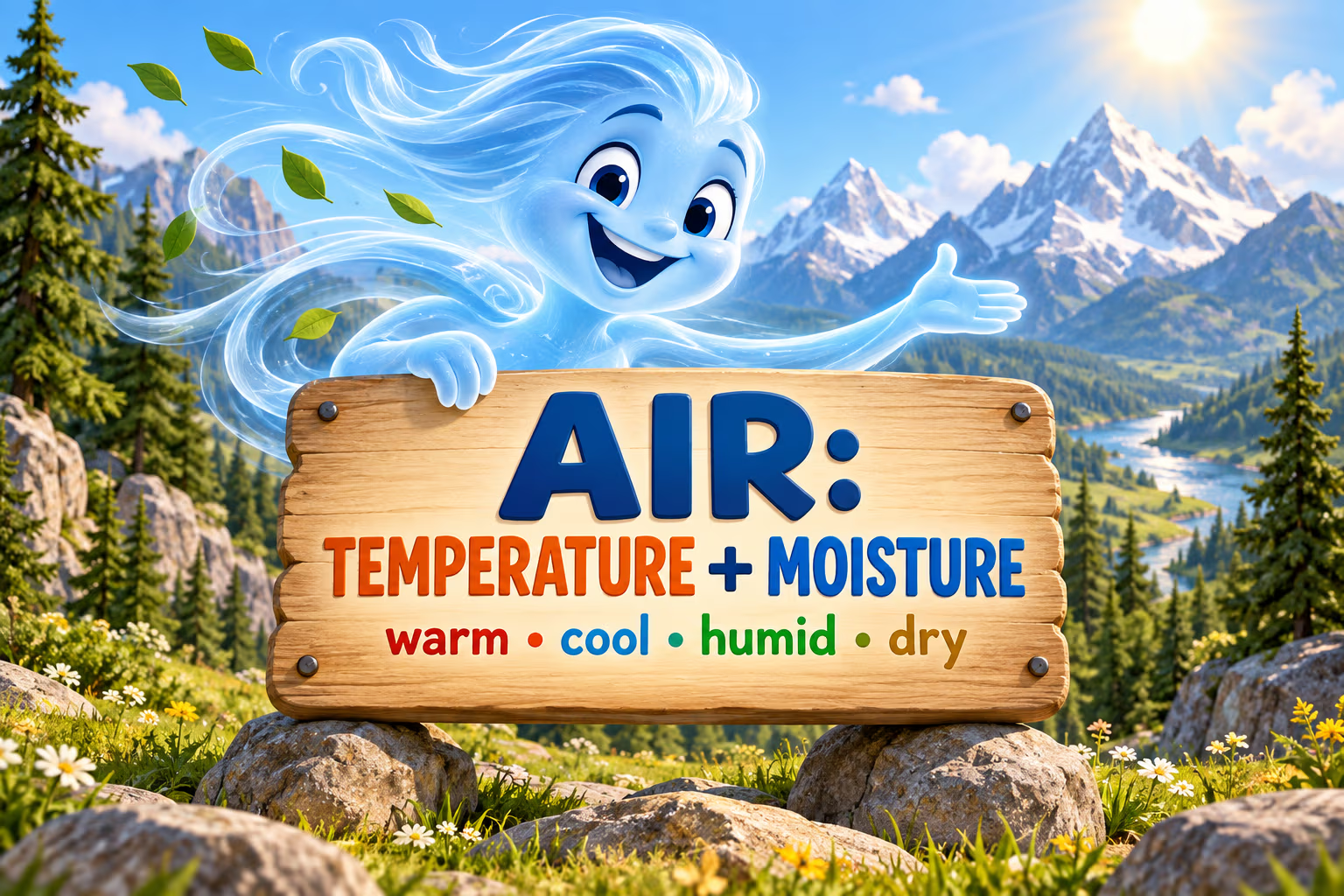
- Temperature: warm, cool, hot, and cold describe how warm the air is.
- Moisture: humid, muggy, and dry describe water vapor or how moist conditions feel; dew point is often more useful than relative humidity for muggy-feel comparisons.
- Movement: still, breezy, gusty, and windy describe air in motion.
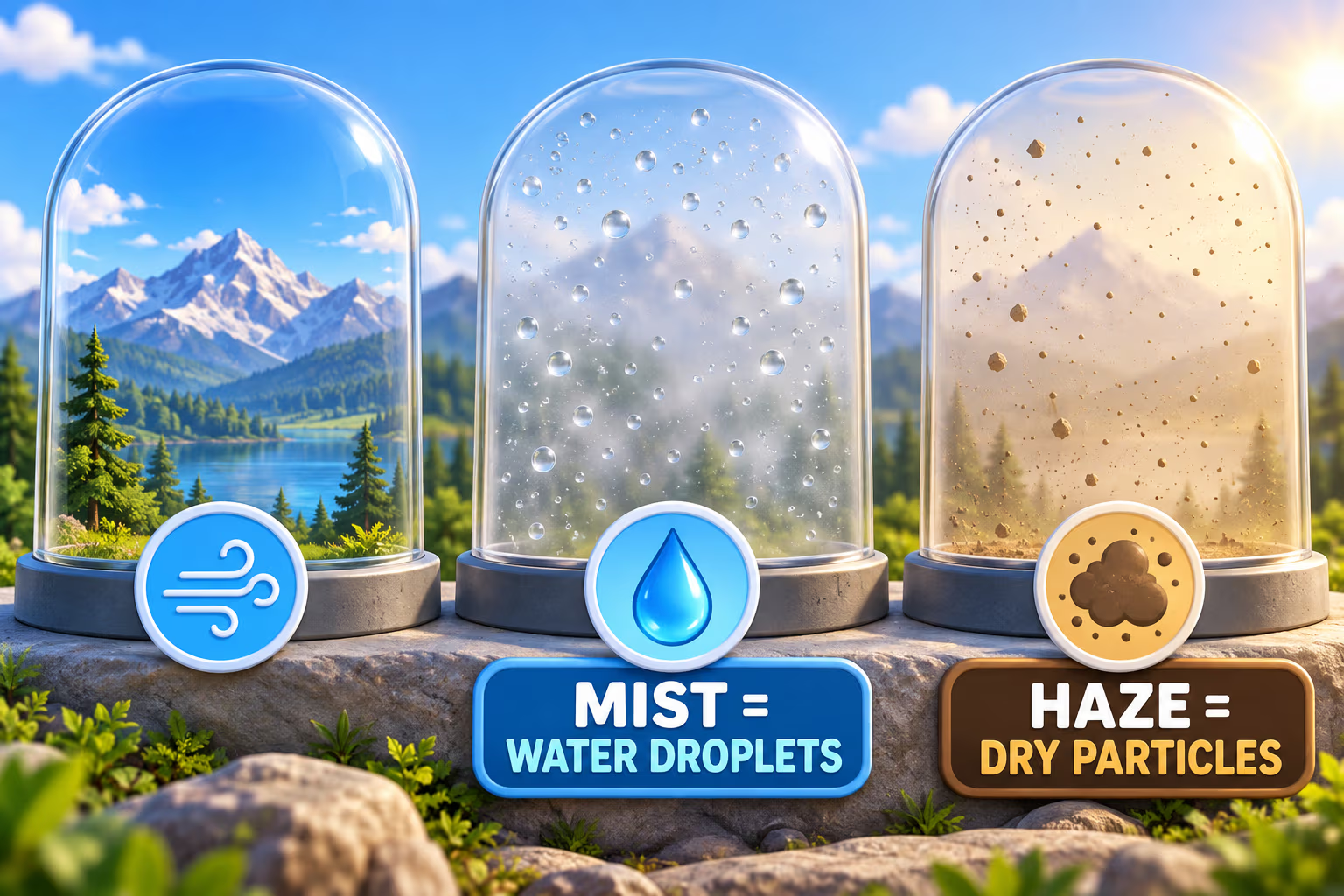
- Visibility: mist and fog involve suspended water droplets; haze commonly comes from dry particles.
- Air quality: clean, smoky, or polluted are claims about substances in the air and may need measurements.
How do you choose a precise adjective for air?
Name the feature you observed, then choose a word from that category. For a weather report, say “cool and humid” rather than “heavy” if you mean lower temperature and moisture; for a room, say “stuffy” as a subjective comfort description and mention poor ventilation only if you have evidence.
Which kinds of air adjectives describe measurable conditions?
| Feature | Useful adjectives | What the word describes |
|---|---|---|
| Temperature | warm, hot, cool, cold, frigid | Air temperature or thermal sensation; ideally pair with a thermometer reading when precision matters. |
| Moisture | humid, muggy, damp, dry, arid | Water vapor and its effects. Dew point relates directly to moisture amount; relative humidity changes with temperature. |
| Movement | still, breezy, gusty, windy | Air motion, which can be described with wind speed and gust observations. |
| Visibility | misty, foggy, hazy, smoky | Obscuration from droplets or particles; identify the cause when known. |
| Odor or impression | fragrant, musty, stale, fresh, stuffy | A smell or human impression, not a direct measurement of safety or pollutant concentration. |
How are humidity and temperature different?
Humidity describes water vapor, while temperature describes how warm or cold the air is. They can occur in any combination: air can be cool and humid, or hot and dry. The U.S. National Weather Service explains that relative humidity compares water vapor with the amount possible at the current temperature; dew point is a more direct guide to how muggy outdoor air may feel.

For example, “warm, muggy air” describes both heat and moisture. Avoid using heavy as if it were a weather measurement: it is usually figurative language for humid discomfort. At high elevations, “thin air” is common wording for lower air pressure and oxygen availability, not an adjective for light weight or purity.
What do misty, foggy, and hazy mean?
Misty and foggy refer to tiny suspended water droplets that reduce visibility; hazy often refers to fine dry particles such as dust, smoke, or pollution. Meteorological thresholds differ by service and context, so use measured visibility if an exact distinction matters.
When should you use clean, fresh, smoky, or polluted?
Fresh often expresses a pleasant impression or suggests outdoor air, while clean can imply low contamination. Neither word proves that air is safe. Smoke may irritate eyes or airways and can contribute to particulate pollution; official air-quality reporting uses measurements, such as the EPA’s Air Quality Index, rather than smell alone.
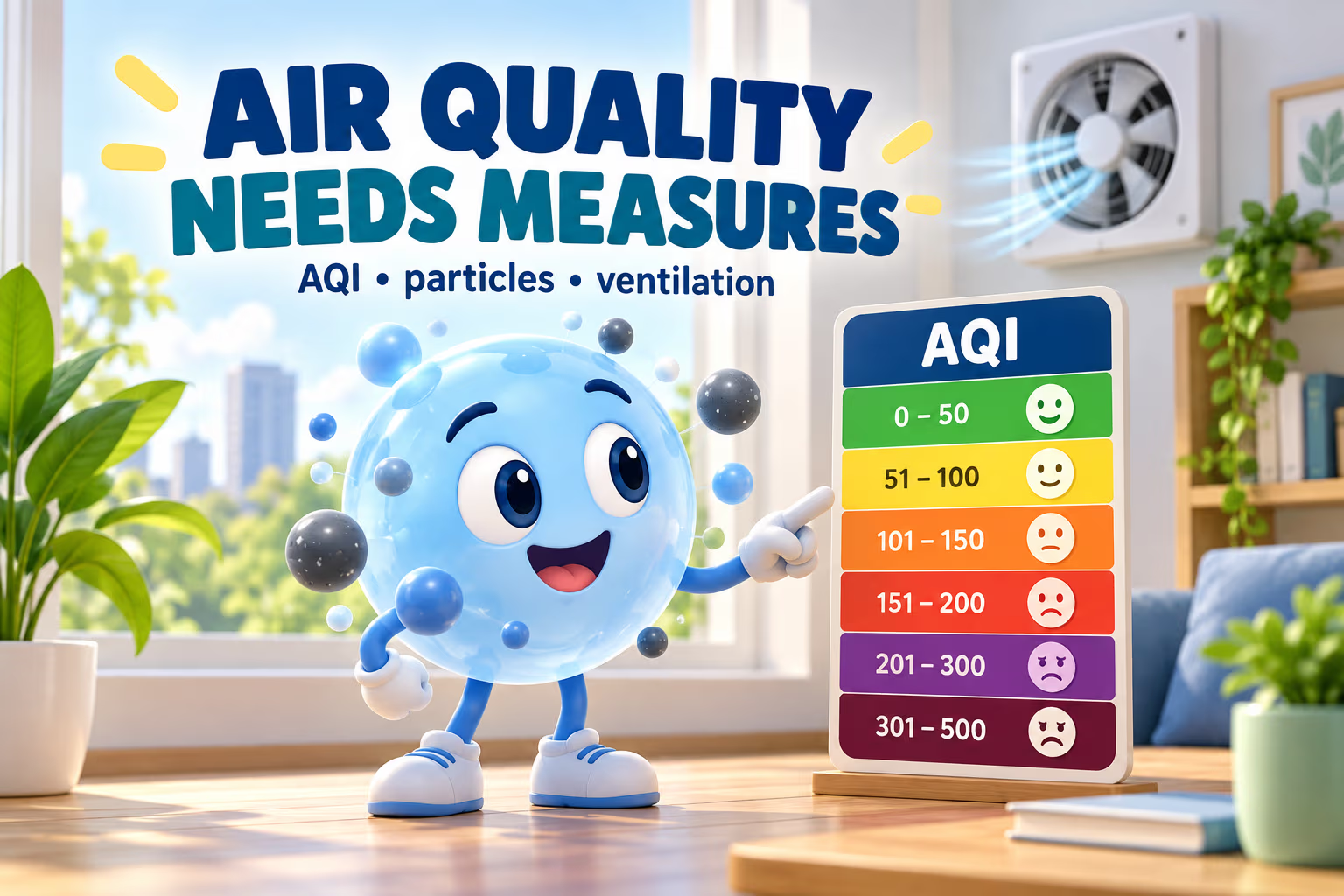
Use “smoky” when smoke is observable, “musty” for a stale or damp odor, and “stuffy” for a room that feels poorly ventilated. Describe the evidence separately: “The room smelled musty after a leak” is more informative than claiming that the air is dangerous without testing.
Which air adjectives are literal, subjective, or figurative?
- Usually literal: warm, cool, dry, humid, breezy, and windy can identify observable conditions.
- Context-dependent: crisp may mean pleasantly cool and dry, while fresh and clean often combine observation with personal judgment.
- Primarily subjective or figurative: serene and invigorating describe a mood or effect; heavy commonly conveys discomfort, not air density.
- Evidence-sensitive: pure and polluted are broad claims. Prefer a named pollutant, test result, or recognized index when accuracy matters.
Examples: describe the air with evidence
- “The morning air was cool, dry, and nearly still.”
- “Warm, humid air made the shaded room feel muggy.”
- “A gusty wind carried smoke from the wildfire area.”
- “Fog reduced visibility along the road.”
- “The closed basement smelled musty, so we checked for moisture.”
- “The air-quality alert reported elevated fine-particle pollution.”
Original examples and word lists
The following source article is retained in full, including all 21 original list items and all 20 original table rows. Its original featured illustration is also kept inline. The added notes above clarify where sensory, figurative, and measurable descriptions differ.

Breathing in fresh, crisp air can instantly uplift our spirits and invigorate our senses. But have you ever stopped to think about the different qualities that air can possess? From the gentle breeze that caresses your face on a warm summer day to the brisk, icy air that nips at your nose in the winter, air comes in various forms, each with its own unique characteristics. In this article, I’ll be exploring a range of adjectives that can be used to describe air, providing you with a deeper appreciation for this essential element.
Firstly, let’s consider the adjectives that describe the temperature of the air. We have scorching hot air that leaves you longing for shade, or icy cold air that sends shivers down your spine. Then there’s the refreshing cool air that provides relief on a sweltering day, or the balmy air that wraps you in a comforting embrace during a pleasant evening stroll. By using these adjectives, we can paint a vivid picture of the sensations that different temperatures of air can evoke.
Next, we delve into the adjectives that describe the quality or texture of the air. We have the invigorating and crisp air of a mountain peak, the thick and humid air of a tropical rainforest, and the musty and stagnant air of a closed room. These adjectives help us understand how the air feels on our skin and how it affects our overall experience in a particular environment.
In this article, we’ll explore even more adjectives that capture the essence of air, allowing us to appreciate its diversity and impact on our daily lives. So, whether you’re a nature enthusiast or simply curious about the world around you, join me as we uncover the fascinating world of adjectives for air.
How to Describe air? – Different Scenarios
When it comes to describing air, there are a multitude of scenarios that can be considered. The qualities of air can vary depending on the temperature, the location, and the season. Let’s explore some different scenarios and the adjectives that best describe the air in each situation.
- Sunny Summer Day:
On a sunny summer day, the air is often warm and muggy. It feels sticky against the skin and carries a slight scent of sunscreen and flowers. The air is light and breezy, creating a sense of relief from the heat. It’s the perfect time to enjoy outdoor activities and feel the gentle caress of the summer air.
- Crackling Winter Morning:
During the winter season, the air takes on a different character. On a crackling winter morning, the air is brisk and frosty. It feels crisp in the lungs and creates a cloud of visible breath when exhaled. The air can be biting and chilly, requiring warm layers to stay comfortable. Despite the cold, it can also bring a feeling of freshness and invigoration.
- Rainy Day:
On a rainy day, the air has a unique quality to it. It is often damp and moist, carrying the scent of petrichor – the earthy smell that accompanies the rain. The air feels heavy and saturated, as if it’s holding the weight of the raindrops. It can create a sense of coziness and make you want to curl up indoors with a good book.
- Mountain Top:
At higher altitudes, the air becomes thin and crisp. It feels refreshing and invigorating as it fills your lungs. The lack of humidity creates a dry and cool sensation. Breathing in the mountain air can make you feel alive and connected to nature.
Describing Words for air in English
When it comes to describing the air around us, there are a variety of words we can use to capture its different qualities. From the gentle breeze on a sunny day to the crisp chill of a winter morning, each scenario paints a unique picture in our minds. Let’s explore some adjectives that help us describe the air in different situations:
- Refreshing: The air on a sunny summer day is often described as refreshing. It feels cool and invigorating, making us feel alive and rejuvenated.
- Crisp: On a crackling winter morning, the air has a crispness to it. It feels sharp and cold, instantly waking us up and making us aware of the frosty surroundings.
- Moist: Rainy days bring with them a moistness in the air. The atmosphere feels damp and heavy, as if the rain has infused every breath we take.
- Light: As we ascend to a mountain top, the air becomes lighter. It feels thin and pure, making each breath a revitalizing experience.
Now that we’ve explored some adjectives for describing air, let’s look at a few examples to solidify our understanding:
| Scenario | Describing Word |
|---|---|
| Sunny summer day | Refreshing |
| Crackling winter morning | Crisp |
| Rainy day | Moist |
| Mountain top | Light |
By using descriptive words, we can paint a vivid picture of the air in different situations. Whether it’s the refreshing breeze on a summer day or the crisp chill of a winter morning, these adjectives help us capture the essence of the air around us.
Next, let’s continue our exploration by uncovering even more adjectives that describe the fascinating qualities of air.
Adjectives for air
Positive Adjectives for Air with Examples
When it comes to describing the air, we have a wide array of positive adjectives that can paint a vivid picture. Here are some adjectives to capture the essence of various air qualities, along with example sentences:
| Adjective | Example Sentence |
|---|---|
| Refreshing | The cool breeze on a hot summer day feels refreshing. |
| Crisp | The air in the early morning is crisp and invigorating. |
| Invigorating | The mountain air is invigorating, filling me with energy. |
| Pure | The air near the beach has a pure and clean scent. |
| Energizing | The fresh air after a rainstorm is energizing. |
| Fragrant | The air in the garden is filled with fragrant floral scents. |
| Serene | The gentle breeze on a calm evening creates a serene atmosphere. |
| Brisk | The brisk autumn air tingles on my cheeks. |
These adjectives help us appreciate the positive qualities that the air can possess, adding depth to our descriptions.
Negative Adjectives for Air with Examples
While we often associate the air with positive characteristics, it’s also essential to acknowledge negative qualities in certain situations. Here are some negative adjectives to describe the air, along with example sentences:
| Adjective | Example Sentence |
|---|---|
| Stuffy | The air in the crowded room felt stuffy and uncomfortable. |
| Smoky | The air near the burning wood was thick and smoky. |
| Polluted | The city air was polluted and filled with smog. |
| Musty | The air in the old attic had a musty smell. |
| Stale | The air in the closed room lacked freshness and felt stale. |
These adjectives convey the less pleasant aspects of the air and allow us to communicate a more complete picture.
Remember, using descriptive words to describe the air can create a more engaging and vivid experience. So, let’s explore more adjectives and encourage a deeper understanding and appreciation of the fascinating qualities of air.
Synonyms and Antonyms with Example Sentences
Synonyms for air
When it comes to describing the air around us, there are plenty of words we can use to capture its various qualities. Here are some synonyms for air that you can use to give a more vivid and engaging description:
- Refreshing: The refreshing air in the mountains invigorated me as I took a deep breath.
- Crisp: The crisp autumn air held a hint of the coming winter.
- Invigorating: The invigorating sea air filled my lungs as I walked along the beach.
- Pure: The pure air in the countryside was a welcome change from the city smog.
- Energizing: The energizing air of the forest made me feel alive and rejuvenated.
- Fragrant: The fragrant air of the garden was filled with the scent of blooming flowers.
- Serene: The serene mountain air calmed my mind and lifted my spirits.
- Brisk: The brisk morning air woke me up as I went for a run in the park.
Using these synonyms allows you to paint a more vibrant picture of the air and enhance the overall experience for your readers.
Antonyms for air
While we often focus on the positive aspects of air, it’s important to acknowledge that there can be negative qualities as well. Here are some antonyms for air that can be used to describe less pleasant air conditions:
- Stuffy: The stuffy air inside the crowded room made it hard to breathe.
- Smoky: The smoky air from the bonfire irritated my eyes and throat.
- Polluted: The polluted air in the city made it difficult to see the stars at night.
- Musty: The musty air in the old attic had a stale and unpleasant smell.
- Stale: The stale air in the office made it feel stuffy and uncomfortable.
By using these antonyms, you can provide a more comprehensive description of the air and help your readers understand the different conditions they may encounter.
Incorporating synonyms and antonyms into your writing adds depth and variety to your descriptions. It allows your readers to fully grasp the nuances of different air qualities and provides them with a more engaging reading experience.
Conclusion
Exploring the world of adjectives for air has been an enlightening journey. We have discovered a range of descriptive words that capture the essence of different air qualities, both positive and negative. From refreshing and invigorating to stuffy and polluted, these adjectives allow us to paint a vivid picture of the air around us.
By incorporating these descriptive words into our writing, we can create a more engaging and immersive experience for our readers. Whether we want to transport them to a serene and fragrant garden, or alert them to the smoky and musty air of a crowded room, these adjectives help to convey the atmosphere and ambiance in a more powerful way.
But our exploration does not end here. There are countless other adjectives waiting to be discovered and used to deepen our understanding and appreciation of the fascinating qualities of air. So let us continue to expand our vocabulary and experiment with different adjectives, as we strive to create more captivating and evocative descriptions of the air around us.
Frequently Asked Questions About Adjectives for Air
What is a good adjective for fresh air?
Cool, crisp, or breezy can work when those conditions are present. Fresh is a common positive impression, but it is subjective; it does not certify that air is free of pollutants. For health or building decisions, check relevant air-quality data or testing.
Can air be humid but cool?
Yes. Temperature and moisture are different properties, so air can be cool and humid at once. Relative humidity is temperature-dependent, while dew point more directly reflects moisture content and often better signals how muggy warm weather may feel.
Is “heavy air” a scientific term?
Usually no. In everyday writing, heavy air generally means muggy or uncomfortable air. It does not specify air density, moisture, or pollution. Use a more direct adjective—or provide a measurement—when you need a literal description.
What is the difference between stale and stuffy air?
Stale suggests air that seems old or lacks freshness; stuffy describes an uncomfortable, often poorly ventilated feeling. These are impressions rather than diagnostic measurements. If ventilation is the concern, describe airflow or refer to an indoor-air assessment.
Does “pure air” mean air is safe?
No. Pure is often an impression or an overbroad claim. Air may look and smell clean while containing pollutants that cannot be seen or smelled. Use measurements, pollutant-specific tests, or an official AQI report to support a safety statement.
Sources and Further Reading
For humidity and dew point, see the National Weather Service dew-point guide and its dew point vs. humidity explanation. The UK Met Office guide to mist, fog, and haze explains the difference between droplets and dry particles. The U.S. Environmental Protection Agency overview of the Air Quality Index describes how AQI reports common regulated pollutants.


