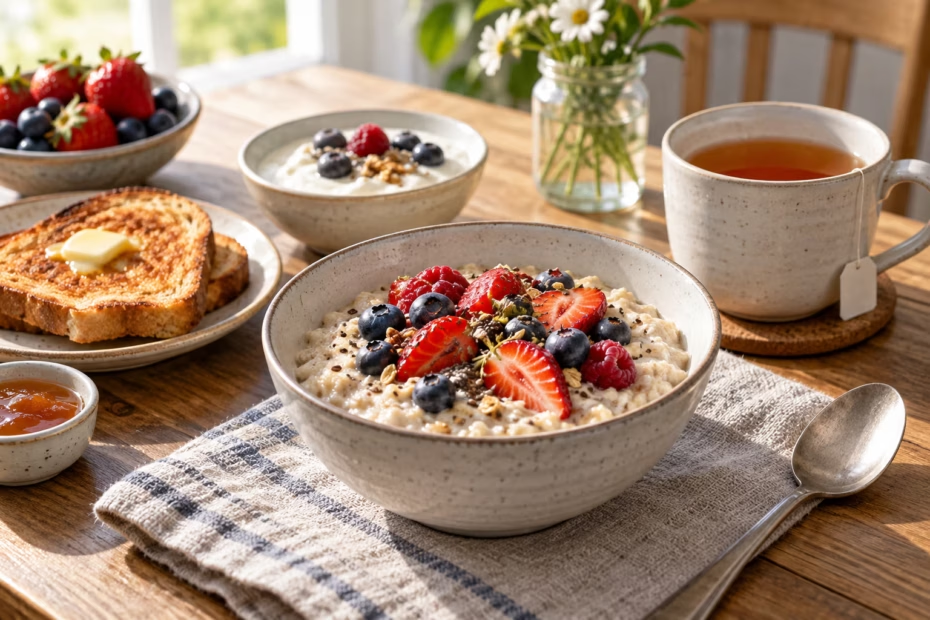
How to Describe breakfast? – Different Scenarios
When it comes to describing breakfast, there are various scenarios and situations that can be captured with the right adjectives. Whether it’s a cozy Sunday morning or a bustling weekday, the adjectives we use can bring the breakfast experience to life. Here are some different scenarios and the adjectives that perfectly describe them:1. Quick and Energizing
In those busy mornings when time is of the essence, breakfast needs to be quick and energizing. Use these adjectives to describe a breakfast that gets you ready to conquer the day:- Nutritious: Start your day with a breakfast that provides essential nutrients.
- Invigorating: Feel refreshed and rejuvenated with a breakfast that boosts your energy.
- Convenient: Enjoy a breakfast that is easy to prepare and fits your fast-paced lifestyle.
- Efficient: Get a breakfast that fuels your body efficiently without taking up too much time.
2. Comforting and Homely
Some mornings call for a warm and comforting breakfast that reminds you of home. Use these adjectives to describe a breakfast that wraps you in a cozy embrace:- Homestyle: Savor a breakfast that brings back memories of family and traditions.
- Nurturing: Experience a breakfast that soothes and comforts your soul.
- Familiar: Indulge in a breakfast that feels like a familiar hug.
- Satisfying: Delight in a breakfast that leaves you feeling content and contented.
3. Indulgent and Luxurious
For those occasions when you want to treat yourself to a special breakfast, use these adjectives to describe a decadent and luxurious experience:- Decadent: Spoil yourself with a breakfast that is rich in flavor and indulgence.
- Sumptuous: Indulge in a breakfast that is lavish and extravagant.
- Exquisite: Delight in a breakfast that is beautifully presented and of the highest quality.
- Opulent: Treat yourself to a breakfast that oozes luxury and sophistication.
- Refreshing: Enjoy a breakfast that awakens your senses with its cool and revitalizing qualities.
- Zesty: Discover a breakfast that is full of zest and tanginess.
Describing Words for breakfast in English
When it comes to breakfast, there are so many delicious options to choose from. Describing breakfast using the right adjectives can make it sound even more enticing and enjoyable. In this section, I’ll share some descriptive words you can use to talk about breakfast in English.Adjectives for the Taste of Breakfast
- Savory: A breakfast with a salty and rich flavor, like a plate of eggs and bacon.
- Sweet: A breakfast that is sugary and delicious, such as a stack of pancakes with syrup.
- Fresh: Describing breakfast foods that are crisp and bursting with flavor, like a bowl of fruit salad.
- Fluffy: Referring to breakfast items that are light and airy, such as fluffy scrambled eggs.
Adjectives for the Texture of Breakfast
- Crispy: A breakfast that has a satisfying crunch, like crispy bacon or toasted bread.
- Smooth: Describing breakfast foods that are creamy and velvety, such as a smoothie or yogurt.
- Moist: Referring to breakfast dishes that are soft and retain moisture, like a moist blueberry muffin.
- Crumbly: A breakfast item that breaks apart easily, like a crumbly scone or biscuit.
Adjectives for the Presentation of Breakfast
- Colorful: Describing a visually appealing breakfast with vibrant hues, like a plate of mixed fruit.
- Artful: Referring to a breakfast that is beautifully arranged and presented, such as a gourmet parfait.
- Homestyle: A breakfast that has a simple and comforting appearance, like a fluffy stack of pancakes.
- Gourmet: Describing a breakfast that is crafted with precision and sophistication, like an elegant Eggs Benedict.
| Taste | Texture | Presentation |
|---|---|---|
| Savory | Crispy | Colorful |
| Sweet | Smooth | Artful |
| Fresh | Moist | Homestyle |
| Fluffy | Crumbly | Gourmet |
Adjectives for Breakfast
Adjectives for breakfast
When it comes to describing breakfast, adjectives play a powerful role in capturing the essence of the meal. From the taste and texture to the presentation, having the right adjectives can enhance the experience, making it even more enjoyable. Let’s explore some positive and negative adjectives for breakfast, along with example sentences, to help paint a vivid picture of morning meals.Positive Adjectives for Breakfast
Start your day off right with a breakfast that’s not only delicious but also energizing. Here are some positive adjectives to describe the taste, texture, and presentation of your morning meal:- Refreshing: Wake up your taste buds with a refreshing glass of orange juice.
- Crispy: Enjoy crispy bacon alongside your scrambled eggs for a satisfying crunch.
- Fluffy: Savor a stack of fluffy pancakes dripping with maple syrup.
- Golden: Delight in golden-brown toast served with a dollop of creamy butter.
- Juicy: Bite into a juicy, ripe strawberry to add a burst of flavor to your breakfast.
- Creamy: Indulge in a creamy bowl of oatmeal topped with fresh berries and a drizzle of honey.
- Savory: Treat yourself to a savory omelet filled with cheese, spinach, and mushrooms.
- Zesty: Spice up your morning with a zesty salsa to accompany your eggs.
- Crunchy: Enjoy a bowl of crunchy granola mixed with yogurt and fruit for added texture.
- Colorful: Feast your eyes on a colorful fruit salad packed with vibrant hues.
- Hearty: Opt for a hearty breakfast burrito filled with eggs, sausage, and vegetables.
- Decadent: Indulge in a decadent chocolate croissant for a special morning treat.
Negative Adjectives for Breakfast
While breakfast is usually associated with positive adjectives, there may be times when your morning meal falls short. Here are some negative adjectives to describe less desirable aspects of breakfast:- Bland: Unfortunately, the oatmeal was bland and lacked any flavor.
- Stale: The toast was stale, making it difficult to enjoy.
- Soggy: The cereal had been sitting in the milk for too long, resulting in a soggy texture.
- Bitter: The coffee tasted bitter, leaving a unpleasant aftertaste.
- Greasy: The bacon was greasy and left an oily residue on the plate.
Synonyms and Antonyms with Example Sentences
Synonyms for breakfast
When it comes to describing breakfast, having a wide range of adjectives at your disposal can make your descriptions more vibrant and engaging. Here are some synonyms that you can use to add variety to your breakfast descriptions:| Word | Definition |
|---|---|
| Morning meal | The first meal of the day, usually consumed in the morning. |
| Sunrise feast | A meal enjoyed at the beginning of the day, often associated with the rising sun. |
| Daybreak repast | A nourishing meal consumed at the break of day. |
| A.M. nourishment | Food eaten in the morning hours to fuel the body for the day ahead. |
| Sunup sustenance | A satisfying meal consumed when the sun is just coming up. |
- I started my day with a delicious sunrise feast of fluffy pancakes and crispy bacon.
- Every morning, I look forward to enjoying a hearty daybreak repast of eggs, toast, and fresh fruit.
Antonyms for breakfast
To create a balanced and well-rounded description of breakfast, it’s important to consider both positive and negative aspects. Here are some antonyms that you can use to describe breakfast in different ways:| Word | Definition |
|---|---|
| No morning meal | The absence of a meal in the morning. |
| Late start | Beginning the day without consuming any food in the morning. |
| Empty stomach | Having not eaten anything in the morning, resulting in hunger. |
| Missed breakfast | Not having the opportunity to eat a meal in the morning. |
| Skipped nourishment | Choosing to forego food during the morning hours. |
- On busy mornings, I sometimes find myself with a late start, skipping breakfast in favor of a quick cup of coffee.
- The feeling of an empty stomach reminded me that I had missed breakfast and needed to grab a snack.
Conclusion
Describing breakfast with adjectives is a powerful way to elevate the experience of the morning meal. In this article, we explored a range of synonyms and antonyms that can be used to add variety and creativity to breakfast descriptions. By using synonyms like “morning meal,” “sunrise feast,” “daybreak repast,” “A.M. nourishment,” and “sunup sustenance,” we can paint a vivid picture of the breakfast experience. These words allow us to capture the essence of breakfast in different ways, appealing to different senses and emotions. On the other hand, antonyms such as “no morning meal,” “late start,” “empty stomach,” “missed breakfast,” and “skipped nourishment” offer a contrasting perspective. These words can be used to highlight the absence or delay of breakfast, creating a sense of longing or urgency. By incorporating these synonyms and antonyms into our descriptions, we can create more engaging and well-rounded narratives of breakfast. So, whether you’re writing a blog post, a menu description, or simply sharing your breakfast experience with others, remember the power of adjectives to bring your words to life.Choose breakfast adjectives that match the food
A precise description names the food first, then adds the quality you want readers to notice. “Crispy toast,” “creamy yogurt,” and “a savory rice bowl” are clearer than calling an entire breakfast crispy or creamy. Breakfast varies from place to place and person to person, so describe the actual meal instead of assuming every morning includes the same foods.
| What you want to describe | Adjectives to consider | Example |
|---|---|---|
| Taste | sweet, savory, tangy, bitter | The eggs were savory, while the berries tasted sweet. |
| Texture | crisp, crunchy, creamy, fluffy, soggy | The toast was crisp, and the porridge was creamy. |
| Appearance or temperature | golden, colorful, warm, chilled | Warm porridge came with colorful fruit. |
| The meal or occasion | light, filling, quick, leisurely, celebratory | We shared a leisurely breakfast on Sunday. |
Words that seem interchangeable can draw attention to different details. Cambridge describes crunchy as firm and making a short, loud sound when eaten; crispy emphasizes food that breaks easily. They overlap, but “crunchy granola” highlights the sound and bite, while “crispy bacon” often highlights its brittle texture. Cambridge also notes that savory describes food that is salty or spicy rather than sweet.
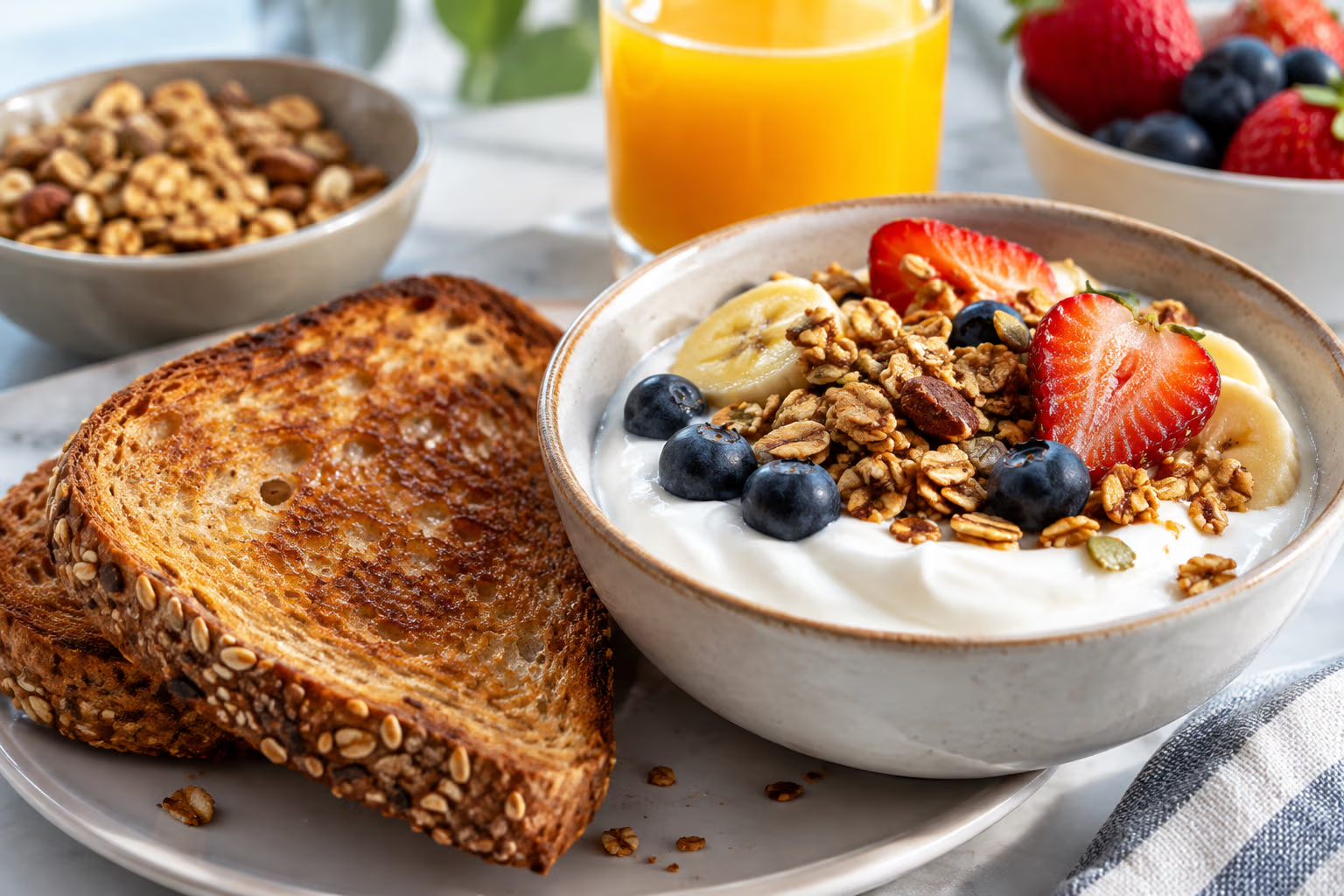
Separate sensory detail from opinion
Some adjectives report a detail a reader can picture or taste, such as chilled juice, golden toast, or crunchy cereal. Others express a reaction: delicious, comforting, and decadent tell the reader how someone feels about the meal. Both kinds are useful; combine them when you can: “The warm, cinnamon-scented oatmeal felt comforting on a cold morning.”
Use words such as nutritious or healthy carefully. They make a broader claim than a sensory adjective like sweet or crisp. If you need to describe a nutritional quality, be specific and support it with reliable information rather than treating “healthy” as another word for tasty.
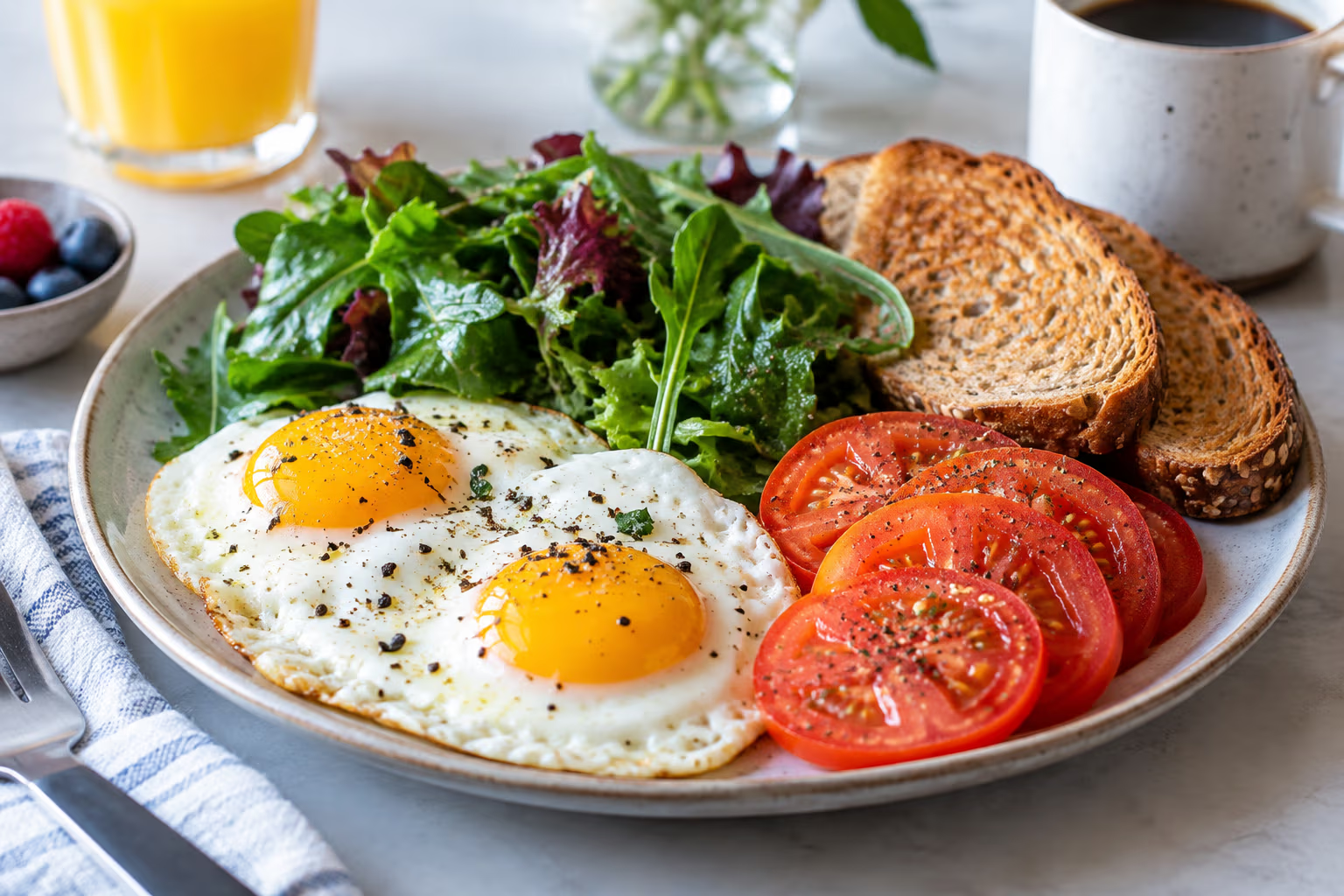
Place the adjective beside the thing it describes
An adjective can come before a noun (“a fluffy omelet”) or after a linking verb (“the omelet is fluffy”). In “The toast browned evenly,” evenly is an adverb describing how it browned. Cambridge Grammar explains that adjectives modify or describe features and qualities of the nouns or pronouns in a sentence. When revising, ask: which dish, ingredient, or part of the meal has this quality?
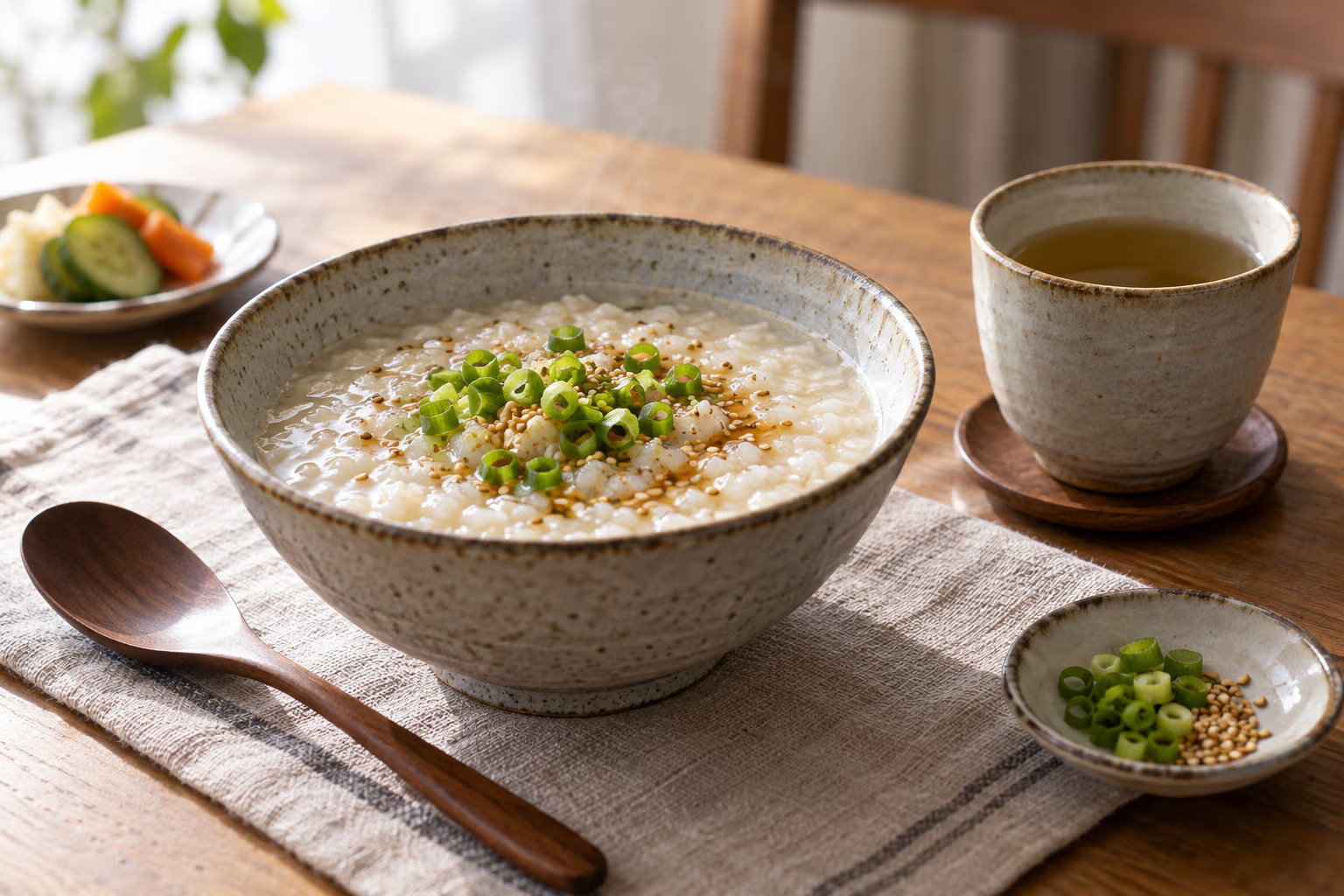
Use a mix of foods to make examples more inclusive and accurate. A description might mention a savory bowl of rice porridge, fruit and yogurt, toast, or eggs; these are examples, not a definition of what breakfast must be. Let the ingredients and preparation guide the adjectives.
Synonyms, creative phrases, and the “opposite” of breakfast
Morning meal is a straightforward phrase for breakfast. Expressions such as sunrise feast or daybreak repast can sound playful or literary, but they are creative alternatives rather than everyday synonyms. Choose them when the style suits your writing, not when you need a plain definition.
There is no direct antonym for the meal breakfast. Phrases such as skip breakfast, miss breakfast, or have no breakfast describe omitting it; they are not opposite words. “Late start” describes a delayed beginning to the day and may or may not mean that breakfast was missed.
Quick questions
What adjective describes a breakfast that is quick to prepare? Quick or easy-to-prepare describes the meal or recipe; convenient can describe how well it fits a schedule.
What is the difference between savory and sweet? Savory describes salty or spicy, non-sweet flavors; sweet describes a sugary taste.
What is an opposite of breakfast? The meal itself has no direct antonym. Use a phrase such as skipping breakfast to say it was omitted.
Choose one or two adjectives that identify the taste, texture, temperature, or mood you mean, and attach them to the exact dish or ingredient.


