Clock Adjectives: A Practical Word Guide
To describe a clock clearly, choose words that name what a reader can notice: its appearance, construction, sound, timekeeping method, or condition. Ornate describes decoration; mechanical describes a movement; and accurate describes how closely the displayed time matches the correct time. These words are not interchangeable, and none is automatically a synonym for clock.
Quick examples: “A silent, minimalist clock hangs above the desk.” “The antique pendulum clock has an ornate walnut case.” “The radio-controlled clock is accurate after it synchronizes.” Each adjective adds a different kind of information.
Adjectives for a Clock by What They Describe
Appearance and style
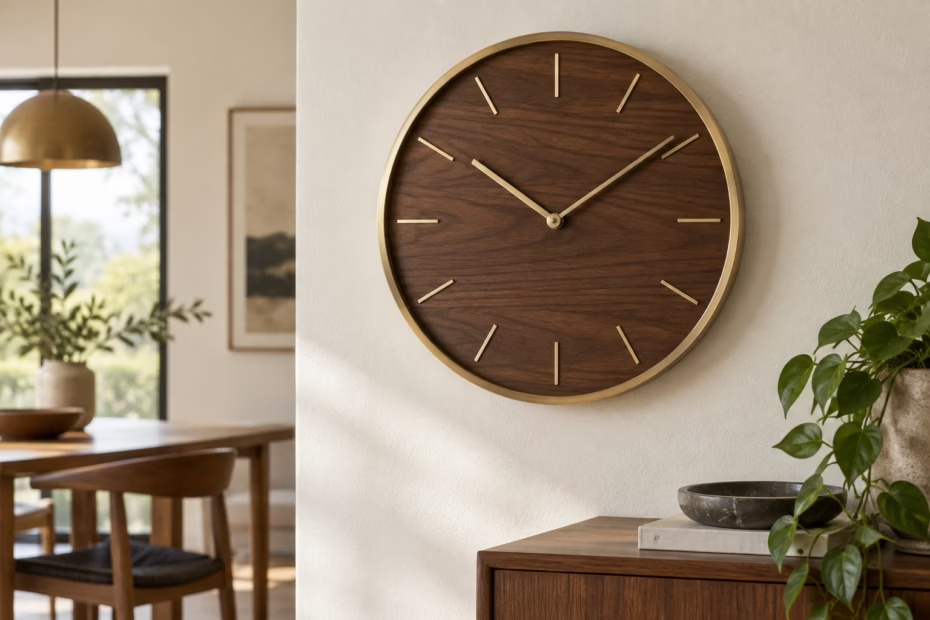
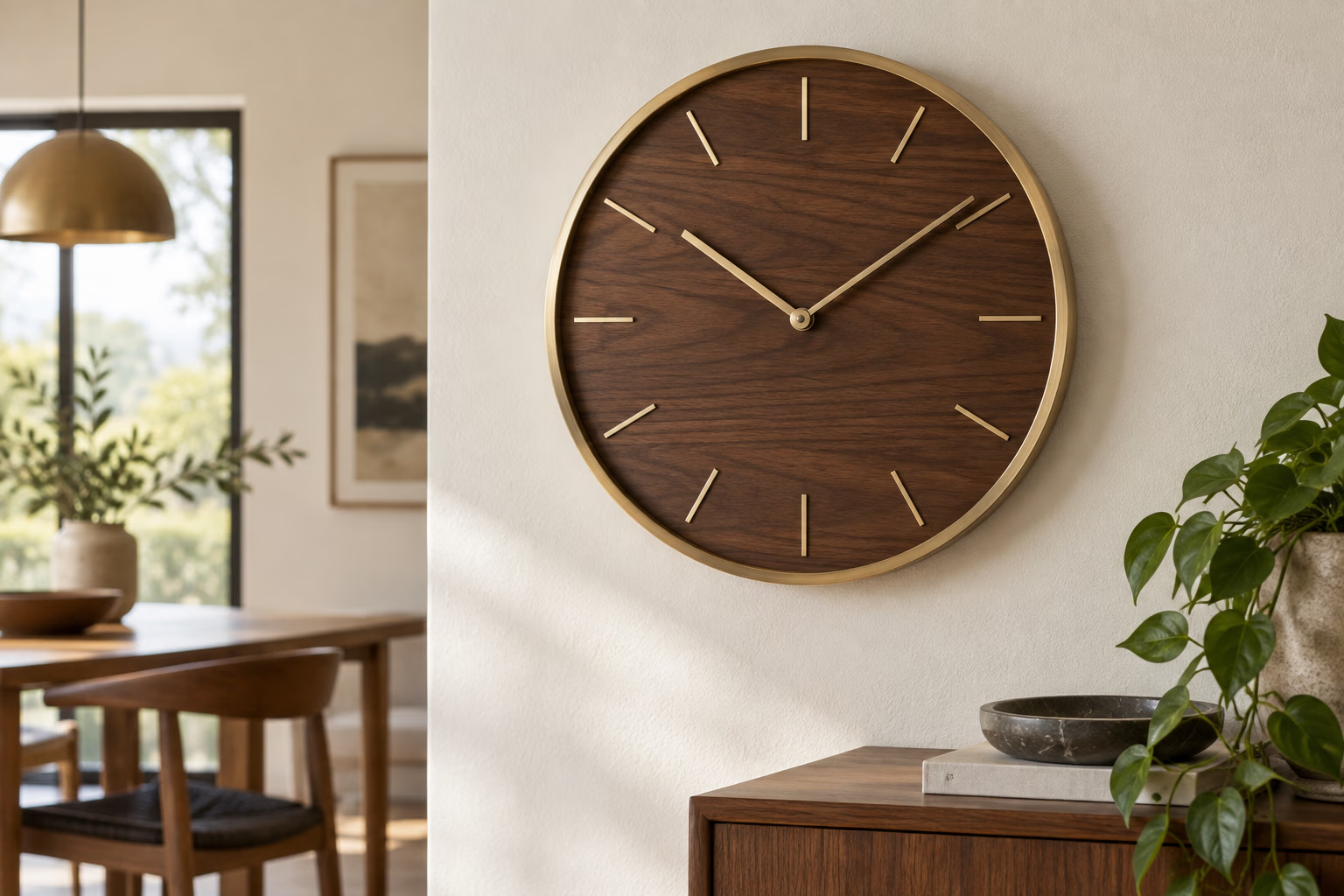
- Minimalist: simple in form, with few decorative details. “A minimalist clock has a plain face and slim hands.”
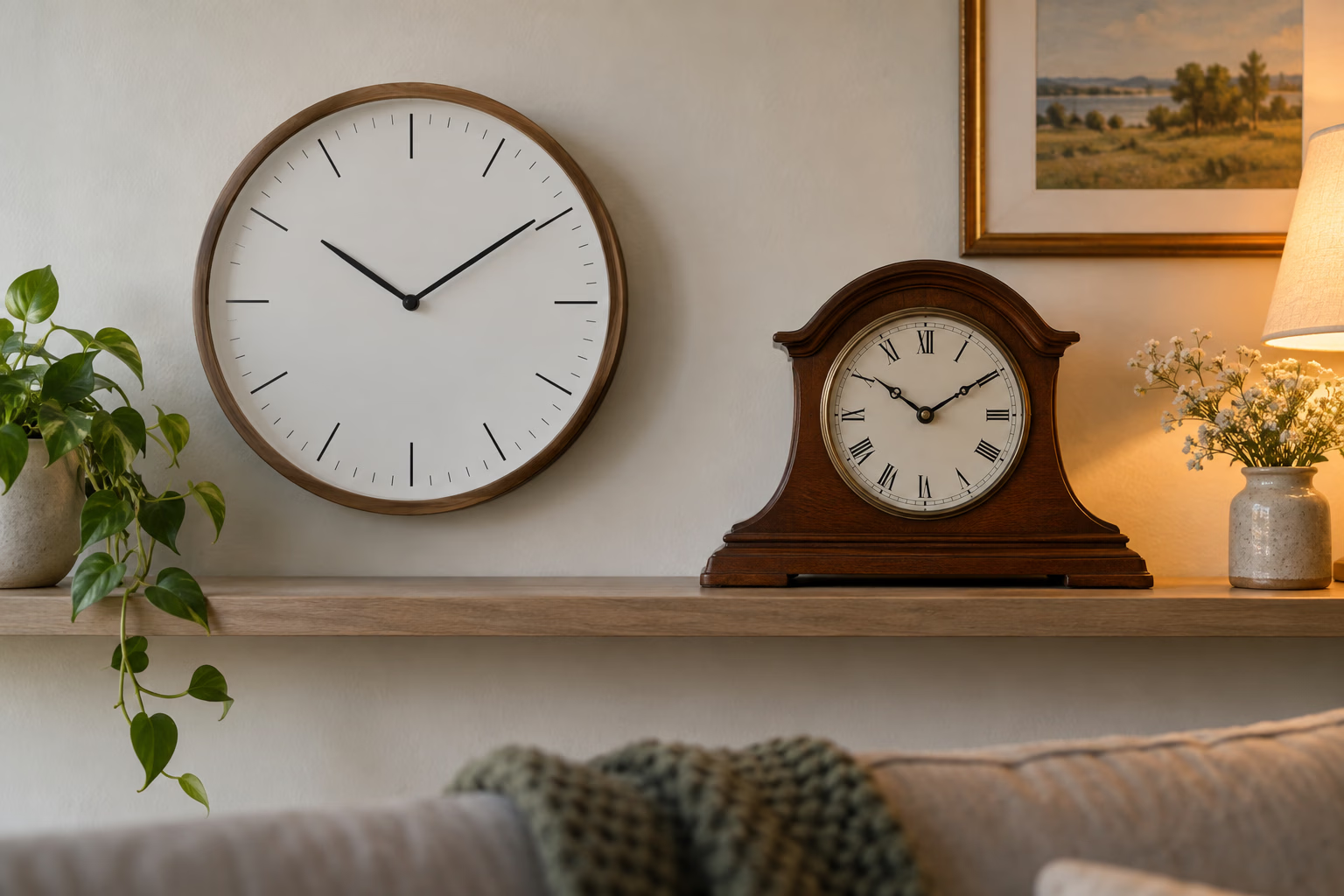
- Ornate: richly decorated. “The ornate mantel clock is covered with carved leaves.”
- Modern: associated with a current or recent design style. “A modern clock uses a clean face and geometric case.”
- Antique: old, often valued for age or craftsmanship. The word is not just another way to say “vintage”; exact age conventions vary by context.
- Compact: small without taking up much space. “A compact travel clock fits in her overnight bag.”
- Oversized: unusually large for its setting or purpose. “The oversized station clock is easy to read from the platform.”
- Polished: smooth and glossy, or carefully refined in appearance. “Its polished brass bezel catches the light.”
- Weathered: visibly worn or marked by exposure and age. “The weathered clock face suits the old station.”
Construction and timekeeping
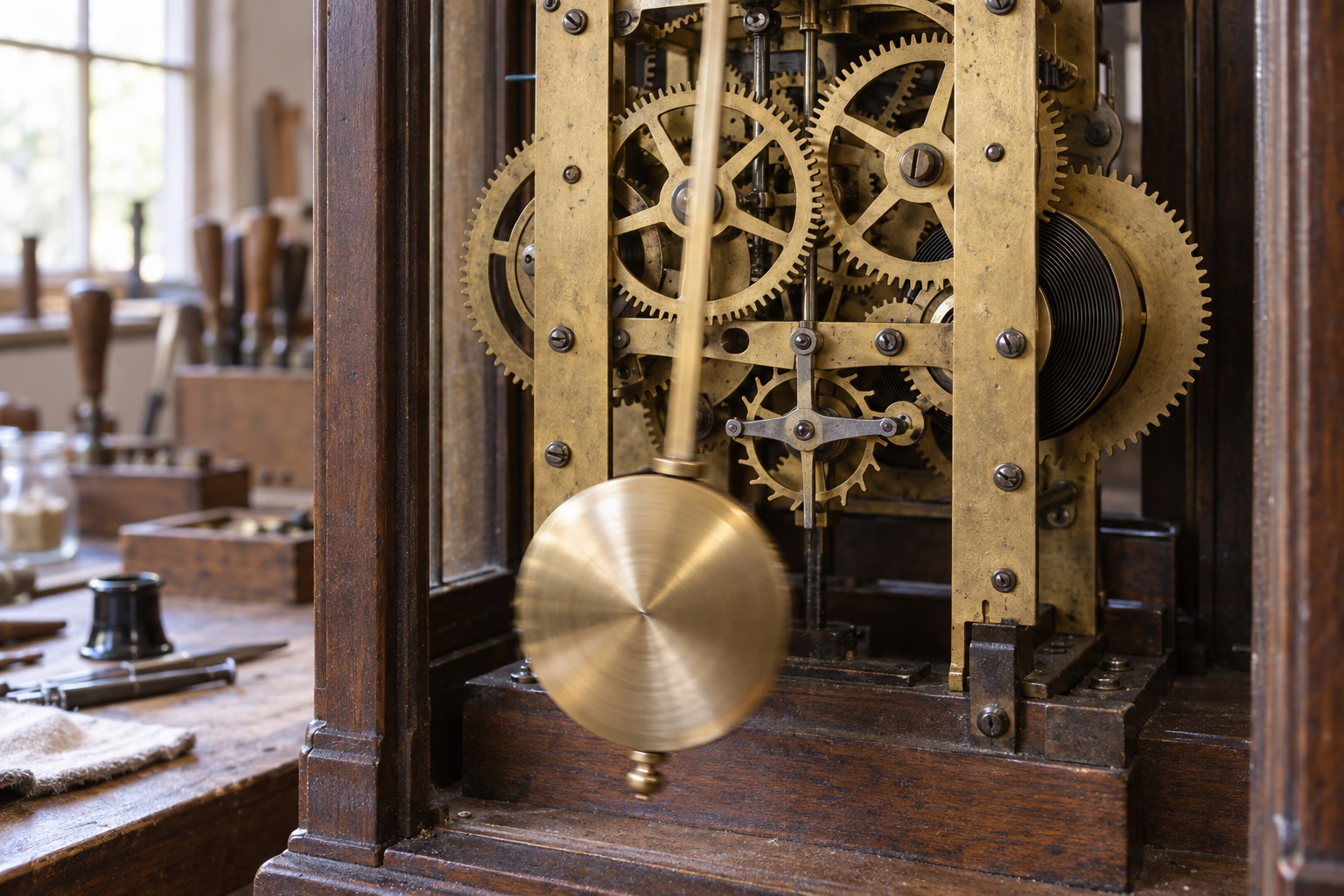
- Mechanical: powered by a wound spring or weights and regulated by a mechanism. “The mechanical clock needs winding every week.”
- Quartz: regulated by a quartz crystal oscillator, commonly powered by a battery. “A quartz clock is convenient for everyday use.”
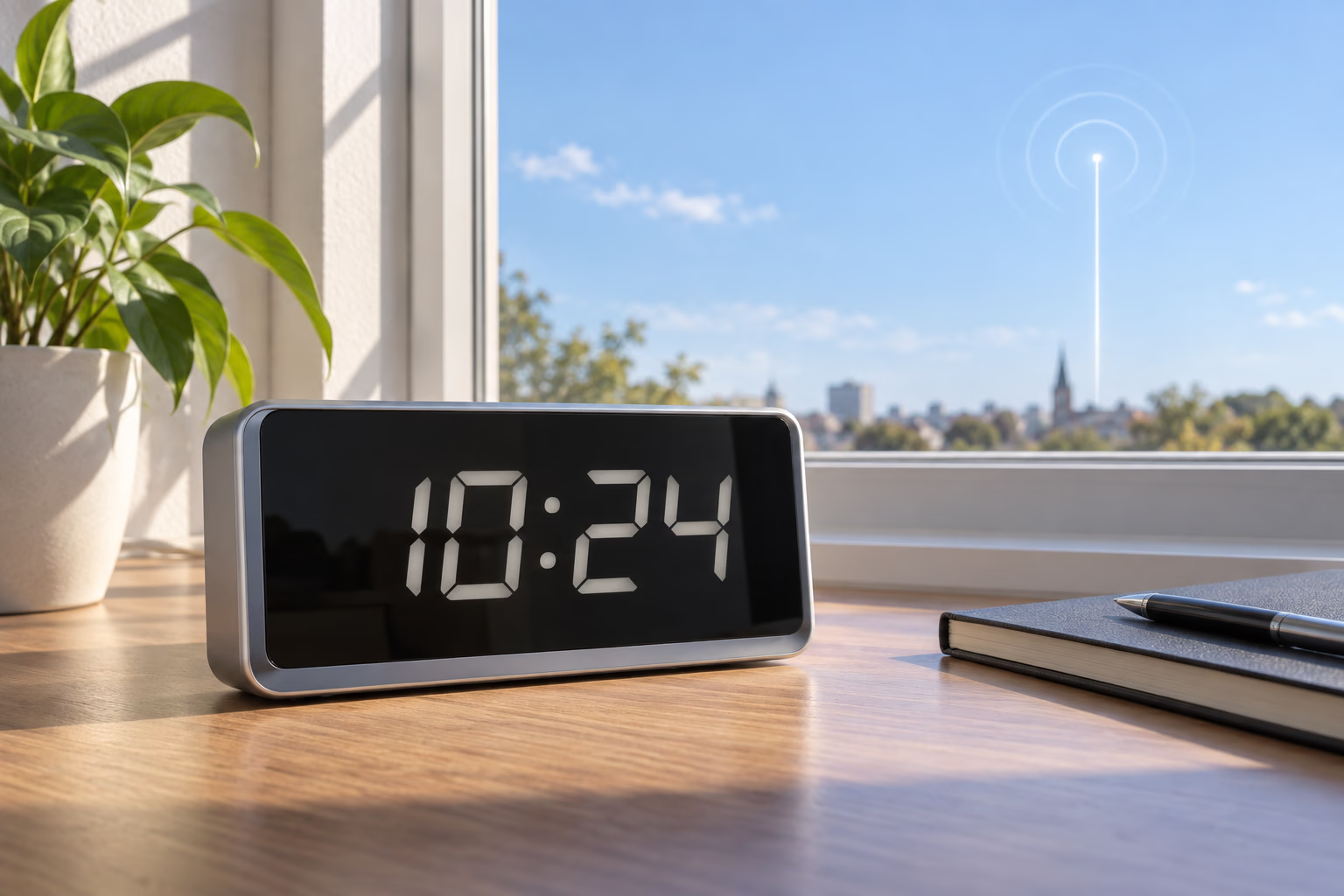
- Digital: displays the time with digits rather than clock hands. “The digital clock shows the time in large numerals.”
- Analog: typically displays time with hands moving around a dial. “The analog clock has a clear minute hand.”
- Radio-controlled: can receive a broadcast time signal and correct its display when reception allows. “The radio-controlled clock synchronized overnight.”
- Precise: able to measure or display time in fine increments. Precision is not identical to accuracy: a display can show seconds consistently while still being a little fast or slow.
- Accurate: close to the correct time. “The clock remained accurate after its battery was replaced.”
- Reliable: works dependably over time. “Their reliable kitchen clock has run for years without trouble.”
For a real-world example, NIST explains that U.S. radio-controlled clocks may synchronize from its WWVB time signal, but reception can be affected by the clock’s location, buildings, or radio interference. A clock that cannot receive a signal may continue running on its internal timekeeping mechanism. So radio-controlled describes a capability; it does not guarantee that synchronization is happening at every moment. NIST’s WWVB guidance provides more detail.
Sound, condition, and impression
- Ticking: making repeated sounds as it runs. “The ticking clock was audible in the quiet room.”
- Silent: designed to make little or no audible operating sound in ordinary use. “A silent wall clock suits a bedroom.”
- Chiming: sounding musical notes at set times. “The chiming clock marks each hour with a brief melody.”
- Clattering: making a series of hard, irregular noises. “The loose clock mechanism began clattering.”
- Well-maintained: cared for and kept in working condition. “The well-maintained clock still keeps time.”
- Temperamental: working inconsistently or unpredictably. “The temperamental clock stops whenever the room gets cold.”
- Worn: showing use, age, or deterioration. “The worn hands have lost some of their paint.”
- Imposing: large or striking enough to command attention. “An imposing clock tower stands above the square.”
Choosing the Right Word
Ask what you want the reader to picture. If the case has elaborate carving, choose ornate. If it has a plain face and restrained shape, choose minimalist. If you mean that it shows the correct time, choose accurate; if you mean that it keeps working dependably, choose reliable. The clock could be reliable without being especially accurate, or accurate for a period but not reliable over the long term.
Some tempting pairs also have different meanings:
- Antique / vintage: both refer to the past, but antique often suggests greater age or historical value. Vintage can describe an older style or item from a particular period.
- Silent / quiet: silent makes a stronger claim that little or no sound is audible; quiet means it makes little sound.
- Charming / ornate: charming gives a favorable impression; ornate specifically describes abundant decoration.
- Unreliable / inaccurate: unreliable means it does not work dependably; inaccurate means its time reading is wrong. An inaccurate clock can still run consistently.
For balanced description, pair an evaluative adjective with an observable detail: “The handsome clock has a scratched glass cover”; “The dated plastic clock still keeps accurate time.” This makes the description specific instead of relying on praise or criticism alone.
How to Use Clock Adjectives in a Sentence
Adjectives usually come before the noun they describe: “a small brass clock,” “an unusually accurate clock,” or “a softly ticking clock.” They can also follow a linking verb: “The clock is silent,” “Its face looks weathered,” or “The old mechanism sounds temperamental.”
When you use several adjectives, order them so the phrase reads naturally and avoid stacking words that repeat the same idea. “A beautiful, ornate, decorative clock” is redundant; “an ornate brass clock” gives two distinct details. A comparison can sharpen the picture too: “The clock tower is taller than the nearby rooftops,” or “This bedside clock is quieter than the one in the kitchen.”
Short Descriptions to Adapt
- For a classroom: “The large, easy-to-read clock has bold black numerals and a bright red second hand.”
- For an antique shop: “An ornate mahogany mantel clock gives a warm chime on the hour.”
- For a product description: “This compact digital clock has a dimmable display and a quiet alarm.”
- For a story: “A lonely, slow-ticking clock measured the silence in the empty house.”
Are Positive and Negative Clock Adjectives Antonyms?
Words such as beautiful, majestic, or impressive express a positive opinion; words such as noisy, dated, or unreliable may express criticism in context. These are not all direct opposites, and they are not antonyms of the noun clock. An antonym is a word with an opposing meaning, such as accurate and inaccurate in the relevant sense, or quiet and noisy. Use a true opposing pair only when the meanings actually contrast.
Likewise, words such as alarm, mantel, and grandfather can identify clock types or functions, but they are not adjectives in phrases such as “alarm clock” or “grandfather clock.” In “a reliable alarm clock,” reliable is the adjective; alarm clock names the kind of clock.
Frequently Asked Questions
What are good adjectives for a clock?
Useful choices include accurate, ornate, digital, mechanical, compact, silent, ticking, reliable, weathered, and chiming. Pick the word that describes a real feature you want the reader to notice.
What is an adjective for a clock that keeps good time?
Accurate describes a clock that shows the correct time. Reliable describes one that works dependably; the words are related in everyday praise but do not mean exactly the same thing.
What is the opposite of “noisy” for a clock?
Quiet is a natural opposite when the clock makes little sound. Silent is stronger and may suggest that it makes no audible sound during normal operation.
Is “grandfather clock” an adjective?
No. It is a compound noun naming a type of tall, freestanding clock. In “an impressive grandfather clock,” impressive is the adjective.
Sources and Further Reading
- NIST: Help with WWVB Radio-Controlled Clocks (signal reception, synchronization, and timekeeping between signals).
- NIST: How Do Atomic Clocks Work? (background on precision timekeeping).

Hey there! Have you ever stopped to think about all the different ways you can describe a clock? Well, I certainly have, and let me tell you, the possibilities are endless! In this article, I’ll be sharing with you a variety of adjectives that you can use to describe clocks, along with some examples to help bring these words to life.
When it comes to describing clocks, there are so many adjectives that can be used to capture their unique characteristics. From sleek and modern to ornate and antique, clocks come in all shapes, sizes, and styles. Whether you’re talking about a grandpa clock that fills a room with its majestic presence or a tiny wristwatch that keeps you on schedule, there’s an adjective out there to perfectly capture the essence of each timepiece.
How to Describe clock? – Different Scenarios
When it comes to describing a clock, there are numerous adjectives that can perfectly capture its unique characteristics. In different scenarios, clocks may possess distinct qualities and evoke various feelings. Let’s explore some of these scenarios and the adjectives that can be used to describe clocks in each situation.
Describing a Modern Clock
Modern clocks are known for their sleek and contemporary design. They are often minimalistic and stylish, adding a touch of elegance to any space. When describing a modern clock, some suitable adjectives would include:
- Sleek: With clean lines and a polished appearance, modern clocks have a sleek and modern look.
- Contemporary: These clocks are a perfect blend of modern and current styles, making them a popular choice for contemporary spaces.
- Minimalistic: Simple and uncluttered, modern clocks embrace the philosophy of minimalism, making them a symbol of modernity and simplicity.
Describing an Antique Clock
Antique clocks hold a rich history and are treasured for their craftsmanship and intricate detailing. When describing an antique clock, consider these descriptive adjectives:
- Ornate: Elaborate carvings, intricate patterns, and decorative elements make antique clocks ornate and visually captivating.
- Vintage: These clocks possess a sense of old-world charm and evoke nostalgia, connecting the present to the past.
- Timeless: Antique clocks are timeless treasures that withstand the test of time and continue to mesmerize with their beauty.
Describing a Grand Clock
Grand clocks are often seen in public spaces, such as train stations or town squares. They are majestic and impressive, commanding attention wherever they are placed. Here are some suitable adjectives for describing a grand clock:
- Majestic: Grand clocks exude grandeur and majesty, with their impressive size and commanding presence.
- Monumental: These clocks are often monumental structures that serve as landmarks and symbols of a city’s history.
- Regal: The intricate detailing and ornate features of grand clocks embody a regal and dignified aura.
Describing Words for clock in English
When it comes to describing a clock, there are many adjectives that can be used to paint a vivid picture in someone’s mind. Here are some examples of words you can use to describe different types of clocks:
1. Modern Clocks:
- Sleek: Minimalist and stylish design.
- Digital: Displays time electronically with numbers.
- LED: Uses light-emitting diodes for display.
- Atomic: Maintains extremely accurate time through radio signal reception.
- Smart: Connects to the internet and offers additional features like weather updates.
- Sustainable: Made from recycled materials or powered by renewable energy.
2. Antique Clocks:
- Vintage: From a specific past era, often with a classic design.
- Ornate: Highly decorated with intricate details.
- Heirloom: Passed down through generations and holding sentimental value.
- Mechanical: Uses gears and springs to keep time.
- Pendulum: Has a swinging weight that regulates the movement of the hands.
- Grandfather: A tall, free-standing clock with a chime.
3. Grand Clocks:
- Majestic: Imposing and impressive in size and design.
- Elaborate: Highly detailed and ornate.
- Stately: Dignified and elegant.
- Chiming: Plays bells or chimes on the hour and/or half-hour.
- Heirloom: Often passed down through families and treasured for generations.
- Carriage: A smaller, portable version of a grandfather clock.
It’s important to note that these adjectives can also be used to describe clocks in other contexts, such as describing a clock in a story or in a classroom setting to expand students’ vocabulary.
Remember, when describing a clock or any object, using specific and descriptive adjectives adds depth and richness to your language. It helps paint a more vivid picture and engages the reader’s imagination.
Using these words, you can create a captivating description that captures the essence of the clock, whether it’s a sleek modern timepiece, an ornate antique treasure, or a grand centerpiece that commands attention.
The next time you see a clock, take a moment to think about how you would describe it. Is it sleek and minimalistic, or is it ornate and vintage? Embrace the beauty of language and let your imagination soar as you find the perfect words to describe the clocks around you.
Adjectives for clock
Positive Adjectives for Clock with 12 Example Sentences
When it comes to describing clocks in a positive light, there are a variety of adjectives that can be used. Let’s take a look at some examples with sentences to give you a better idea:
- Sleek: The sleek clock on my wall adds a touch of modernity to the room.
- Contemporary: This contemporary clock design perfectly complements my minimalist decor.
- Minimalistic: I love the minimalistic style of this clock – simple, yet elegant.
- Stylish: This stylish clock is the focal point of my living room.
- Impressive: The size and craftsmanship of this clock make it truly impressive.
- Intricate: The intricate details on this vintage clock have stood the test of time.
- Stunning: This ornate clock is absolutely stunning – a true work of art.
- Graceful: The graceful curves of this antique clock exude elegance.
- Timeless: The timeless beauty of this vintage clock makes it a cherished heirloom.
- Majestic: The grandeur and presence of this majestic clock is awe-inspiring.
- Monumental: The size and weight of this clock make it a truly monumental piece.
- Regal: This regal clock with its golden accents adds a touch of royalty to any room.
These adjectives help paint a vivid picture of the clock’s appearance, style, and impact, engaging the reader’s imagination.
Negative Adjectives for Clock with 5 Example Sentences
While it is important to focus on the positive aspects of a clock, there are also negative adjectives that can be used to describe certain characteristics. Here are a few examples with sentences:
- Tarnished: The once beautiful clock is now tarnished and in need of restoration.
- Dated: This clock’s design feels dated and out of place in modern interiors.
- Austere: The austere design of this clock may not fit in with more opulent decor styles.
- Noisy: Unfortunately, this clock is quite noisy, disrupting the peaceful ambiance of the room.
- Unreliable: The clock’s mechanism is unreliable, often running fast or slow.
While negative adjectives can be useful in highlighting certain aspects or drawbacks of a clock, it is essential to strike a balance and not overshadow the positive features.
Remember, choosing the right adjectives when describing a clock can make all the difference in capturing its essence and engaging the reader’s imagination.
Synonyms and Antonyms with Example Sentences
Synonyms for clock
When we want to describe a clock, we often look for words that capture its unique qualities. Here are some synonyms that can be used to describe clocks, along with example sentences:
| Adjective | Example Sentence |
|---|---|
| Sleek | The sleek clock on the wall perfectly matches the modern decor. |
| Contemporary | This contemporary clock adds a touch of elegance to any room. |
| Minimalistic | The minimalistic design of this clock creates a sense of calm. |
| Stylish | The stylish clock in the living room is always a conversation starter. |
| Impressive | The intricate details of this clock make it truly impressive. |
| Intricate | The intricate patterns on this antique clock are a sight to behold. |
| Stunning | The stunning craftsmanship of this clock makes it a true work of art. |
| Graceful | The graceful curves of this clock give it a timeless beauty. |
| Timeless | The timeless design of this clock will never go out of style. |
| Majestic | This majestic grandfather clock commands attention in the room. |
| Monumental | The monumental size of this clock makes it a focal point of the space. |
| Regal | The regal appearance of this clock adds a touch of sophistication. |
Antonyms for clock
While there are many positive adjectives that can be used to describe clocks, there are also negative adjectives that may be applicable in certain situations. Here are some antonyms that can be used to describe certain characteristics of a clock, along with example sentences:
| Adjective | Example Sentence |
|---|---|
| Tarnished | The tarnished clock on the mantel gives a vintage charm to the room. |
| Dated | The dated design of this clock reminds us of a bygone era. |
| Austere | The austere clock in the office reflects a minimalist approach. |
| Noisy | The noisy ticking of this clock can be quite distracting. |
| Unreliable | The unreliable clock often loses track of time and needs frequent adjustments. |
It is important to strike a balance when using negative adjectives to describe clocks. While these characteristics may be present, it is essential not to overshadow the positive features that make each clock unique and special.
Conclusion
Choosing the right adjectives to describe a clock is essential in capturing its true essence and engaging the reader’s imagination. Throughout this article, we have explored a range of positive adjectives that can be used to depict clocks, such as sleek, contemporary, minimalistic, stylish, impressive, intricate, stunning, graceful, timeless, majestic, monumental, and regal. These adjectives paint a vivid picture of the clock’s aesthetic appeal and evoke a sense of admiration.
While negative adjectives, such as tarnished, dated, austere, noisy, and unreliable, can be used to describe certain characteristics of a clock, it is important to strike a balance. The negative aspects should not overshadow the positive features, as the overall impression should be one of admiration and appreciation.
By carefully selecting the right adjectives, we can effectively convey the unique qualities of a clock and create a sense of intrigue and fascination. Whether it is a sleek and contemporary timepiece or a majestic and regal clock, the right adjectives can bring the description to life and captivate the reader’s attention.
The adjectives we choose to describe clocks play a crucial role in capturing their essence and captivating our audience. So, let’s choose our words wisely and let the beauty of clocks shine through in our descriptions.


