Adjectives for Cookies: Texture, Flavor, and Appearance
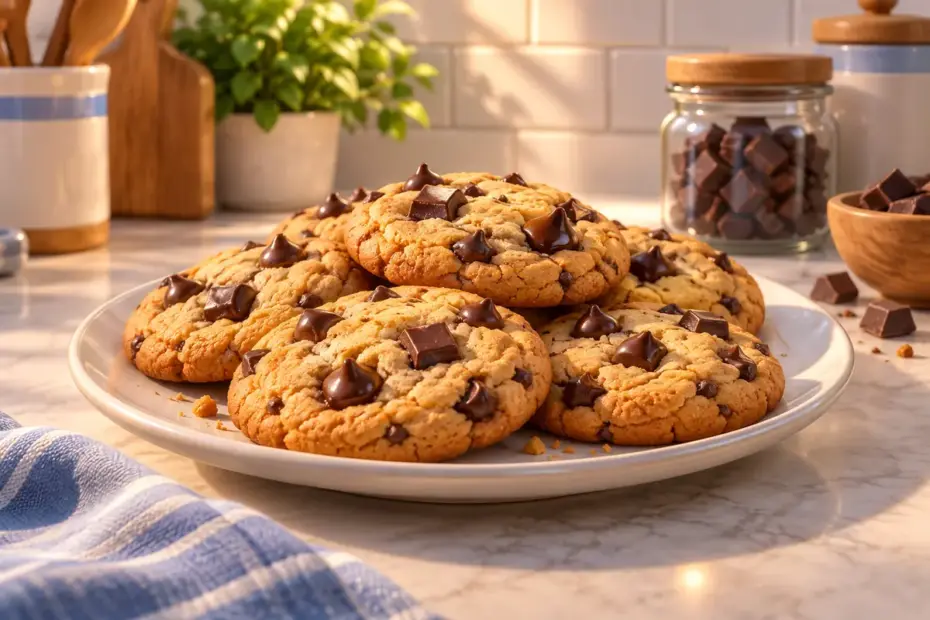
Adjectives for cookies describe texture, flavor, appearance, or serving temperature: chewy, crisp, crumbly, buttery, golden, and warm are useful choices. “Golden cookies with chewy centers” combines color with texture. Match the adjective to the actual cookie instead of treating words such as fresh, soft, and delicious as interchangeable descriptions.
Cookies descriptions at a glance
- chewy describes texture with resistance.
- crisp describes firm dry bite.
- crumbly describes breaking into crumbs.
- buttery describes flavor or ingredient impression.
- golden describes appearance.
Which adjectives for cookies fit each feature?
Choose the feature before the adjective. Words for appearance, movement, atmosphere, and evaluation answer different questions; they are not interchangeable simply because they can occur beside the same noun.
| Word or phrase | Feature | Example |
|---|---|---|
| chewy | texture with resistance | The chewy cookies bent before breaking. |
| crisp | firm dry bite | The crisp cookies snapped at the edges. |
| crumbly | breaking into crumbs | Crumbly cookies left a trail on the plate. |
| buttery | flavor or ingredient impression | The buttery cookies had a rich flavor. |
| golden | appearance | Golden cookies cooled on the rack. |
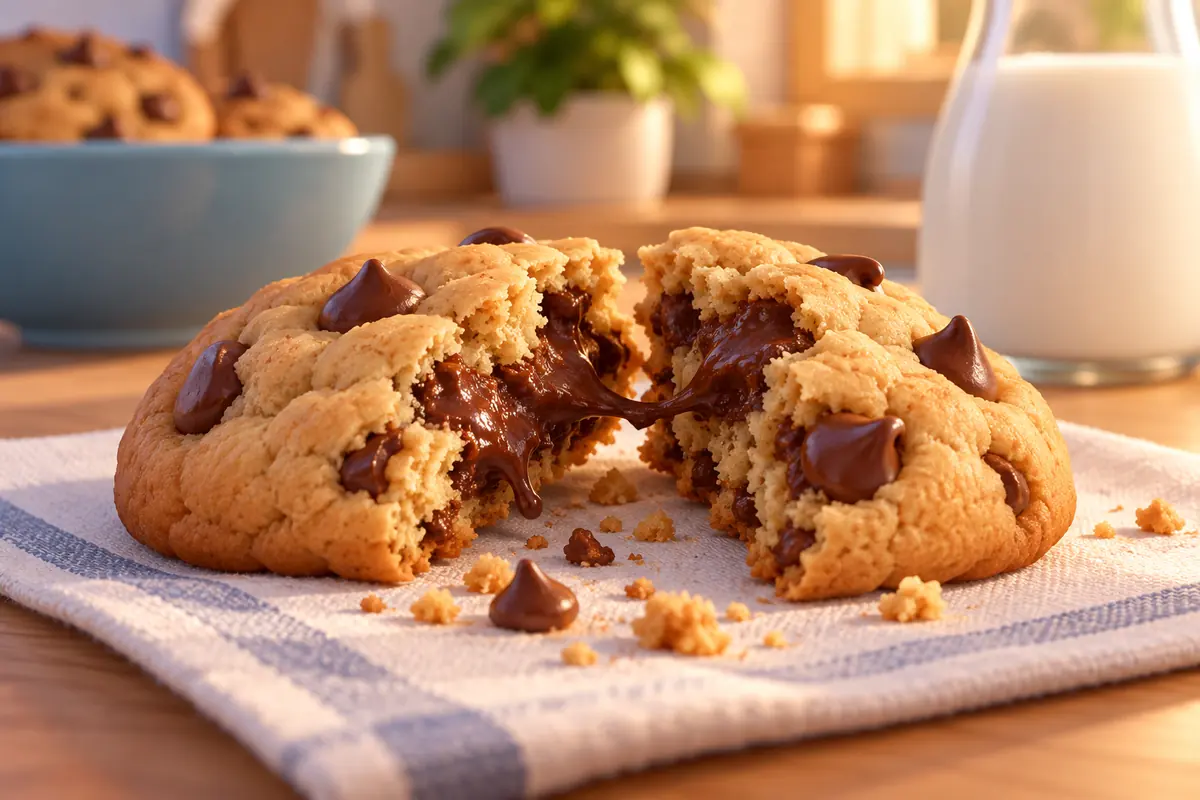
| warm | serving temperature | The warm cookies softened the chocolate pieces. |
| spiced | flavoring | Spiced cookies filled the kitchen with a fragrant aroma. |
| homemade | preparation context | She brought homemade cookies to the gathering. |
How do you make the description precise?
Chewy, soft, and tender describe different impressions. Chewy emphasizes resistance during biting; soft emphasizes lack of hardness; tender suggests yielding easily. A cookie can have a soft center with crisp edges, so specify the part when one texture word cannot describe the whole.
Golden describes visible color, not a guaranteed cooking result. Fresh can describe recent preparation or a favorable condition, depending on context. State what you mean rather than treating fresh as proof of texture, storage history, or food safety. This article concerns descriptive language, not a baking or storage procedure.
Buttery and chocolatey describe perceived flavor or character. They are not substitutes for an ingredient list when allergies or dietary needs matter. Homemade describes where or how the cookies were prepared; it does not automatically mean healthier, softer, or better than another cookie.
What are natural example sentences?
- Golden cookies cooled on the rack.
- The crisp cookies snapped at the edges.
- Crumbly cookies left a trail on the plate.
- The warm cookies softened the chocolate pieces.
- She brought homemade cookies to the gathering.
- The chewy centers contrasted with the crisp edges.
- The lightly spiced cookies had a delicate flavor.
- The chocolate cookies had a rich aroma.
How should you choose between similar words?
The dictionary entry for cookies helps establish the central noun. Keep the exact thing being described in view: a word can be grammatically possible but still fail to identify the detail that matters in your scene.
- Identify the person, object, activity, or setting you are describing.
- Choose the relevant attribute rather than a general value judgment.
- Add a concrete action or circumstance that explains the adjective.
- Remove another modifier if it repeats the same information.
Use one or two modifiers when they contribute distinct details. A contrast, a specific action, or a named setting often explains more than several near synonyms. Read the sentence aloud to check whether the wording sounds natural for the narrator, audience, and intended purpose.
Frequently asked questions about cookies adjectives
Are crisp and crunchy identical?
Crisp and crunchy overlap in food descriptions, but they can suggest different texture impressions. Crisp often emphasizes a firm, dry bite or edge; crunchy foregrounds the noticeable texture and sound during eating. Use the word that fits the actual experience, and specify the edge or center when the cookie has contrasting parts.
Is delicious a precise cookie adjective?
Delicious expresses a favorable taste judgment rather than a specific flavor or texture. It can fit a personal reaction, but buttery, spiced, chewy, or crisp supplies more concrete information. For a description intended to help someone choose, pair the evaluation with a detail that explains what the person might enjoy.
Can a cookie be both chewy and crisp?
Yes. A cookie may have a chewy center and crisp edges. The adjectives describe different parts, so they are not necessarily contradictory. State the contrast explicitly: “The cookies had crisp edges and chewy centers.” A broad label such as soft may leave out that useful distinction for the reader.
Is chocolate chip an adjective?
Chocolate chip functions as a compound modifier in chocolate chip cookies, identifying a kind of cookie by an ingredient. It differs from a descriptive adjective such as warm or crumbly. A phrase may contain both kinds of information: “warm chocolate chip cookies” gives the cookie type and its serving temperature.
How to Describe cookies? – Different Scenarios
When it comes to describing cookies, there are countless words that can capture their deliciousness and charm. Whether you’re a teacher looking to expand your students’ vocabulary or simply someone who appreciates the joy of a good cookie, here are various scenarios to help you find the perfect adjectives for describing cookies:
- Appearance:
- Texture:
- Flavor:
-
- Bite-sized: Cookies that are small and easy to pop into your mouth in one bite.
- Jumbo: Referring to oversized cookies that make a bold statement and are perfect for indulgence.
- Round: Describing cookies that are perfectly circular, giving
Describing Words for cookies in English
When it comes to describing cookies, there are a wide array of words that can help capture their deliciousness and charm. Let’s explore some adjectives that can be used to describe the appearance, texture, and flavor of cookies.
Appearance
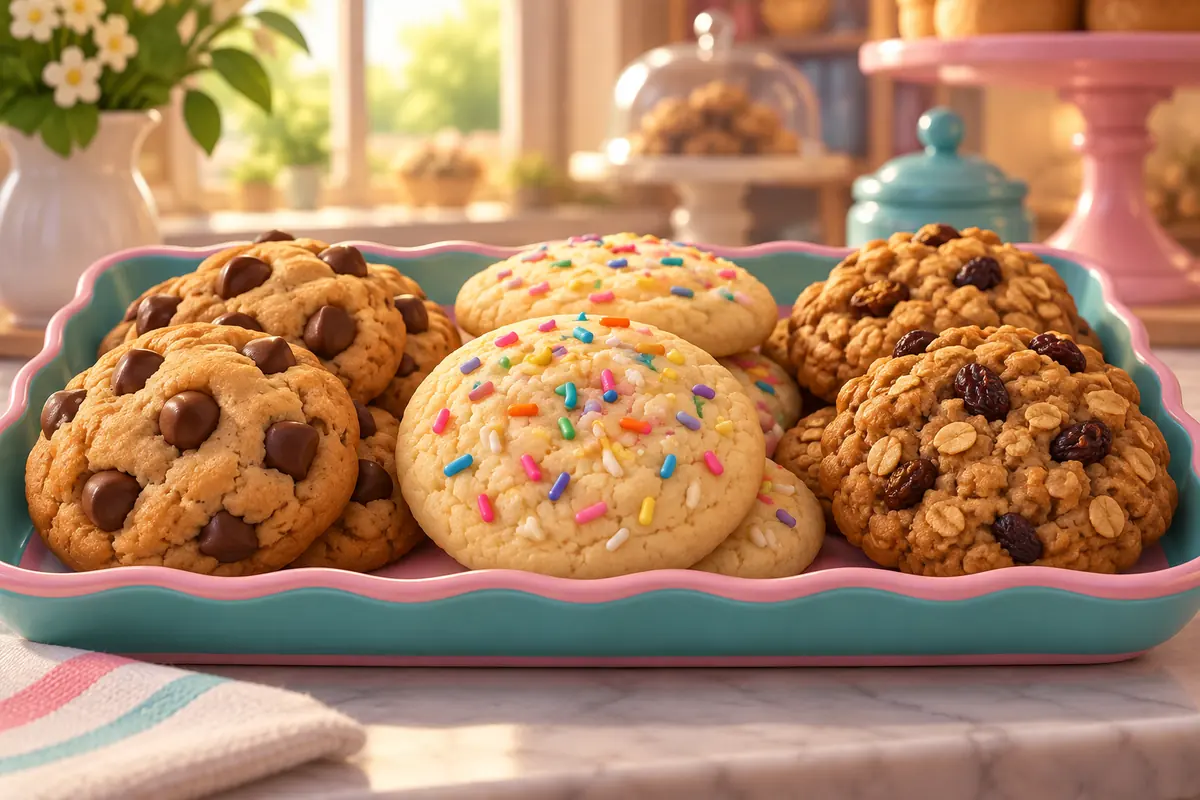
- Golden: Cookies with a rich golden hue, like freshly baked chocolate chip cookies, have an inviting and appetizing appearance.
- Sprinkled: Cookies adorned with colorful sprinkles add a playful touch and make them visually appealing.
- Perfectly Circular: Some cookies, like shortbread and sugar cookies, are known for their perfectly round shape, giving them a neat and uniform appearance.
Texture
- Chewy: Cookies with a chewy texture have a slight resistance when bitten into, offering a satisfying and enjoyable mouthfeel. Examples include oatmeal raisin cookies and molasses cookies.
- Crisp: Cookies that are crisp are light and crunchy, producing a satisfying sound when bitten into. Examples include ginger snaps and butter cookies.
- Buttery: Cookies that are buttery are rich and smooth, with a melt-in-your-mouth texture. Examples include shortbread and linzer cookies.
- Moist: Some cookies, like brownies and certain types of cake cookies, have a moist and fudgy texture, making them extra indulgent.
- Soft: Soft cookies are tender and delicate, with a pillowy texture. Examples include snickerdoodles and peanut butter cookies.
- Sweet: Most cookies have a sweet flavor profile, making them a delightful treat. Examples include chocolate chip, sugar, and butter cookies.
- Chocolatey: Cookies that are chocolatey have a rich and intense chocolate flavor, perfect for chocolate lovers. Examples include brownie cookies and double chocolate cookies.
- Zesty: Citrus-flavored cookies, like lemon or orange cookies, have a zesty and refreshing taste that adds a tangy twist.
- Spicy: Spiced cookies, such as gingerbread or cinnamon cookies, have a warm and fragrant flavor that is perfect for the holiday season.
- Nutty: Cookies with a nutty flavor, like almond or pecan cookies, have a delightful crunch and a subtle nuttiness that adds depth to their taste.
Adjectives for cookies
Positive Adjectives for Cookies
When it comes to describing cookies, there are plenty of positive adjectives that can capture their delicious qualities. Here are 12 example sentences to help you express the delectable characteristics of cookies:
| Adjective | Example Sentence |
|---|---|
| Irresistible | These warm chocolate chip cookies are simply irresistible. |
| Delightful | The aroma of freshly baked cookies is absolutely delightful. |
| Heavenly | One bite of these cookies and you’ll be in heavenly bliss. |
| Delectable | These homemade cookies are delectable, with just the right amount of sweetness. |
| Melt-in-your-mouth | These buttery cookies are so tender, they melt in your mouth. |
| Scrumptious | These scrumptious cookies are the perfect treat for any occasion. |
| Mouthwatering | The mouthwatering smell of cookies wafted through the kitchen. |
| Divine | These cookies are a divine combination of flavors and textures. |
| Blissful | The first bite of these cookies brought blissful satisfaction. |
| Flavorful | Each cookie is packed with flavorful ingredients that make them truly special. |
| Addictive | These cookies are so delicious, they’re addictive – you won’t be able to stop at just one. |
| Irresistible | The irresistible crunch of the cookies made them impossible to resist. |
Negative Adjectives for Cookies
While cookies are generally delightful, there are times when they might not turn out as expected. Here are 5 example sentences using negative adjectives to describe cookies that may not meet your taste buds’ desires:
| Adjective | Example Sentence |
|---|---|
| Stale | These cookies had been left out for too long and became stale. |
| Bland | The flavor of these cookies was disappointingly bland. |
| Burnt | Unfortunately, these cookies were burnt and didn’t taste good. |
| Dense | These cookies turned out dense and lacked the desired lightness. |
| Stodgy | These cookies were stodgy, and I didn’t enjoy the texture at all. |
Synonyms and Antonyms with Example Sentences
Synonyms for Cookies
When it comes to describing cookies, there are plenty of synonyms that can help you paint a vivid picture of their tempting qualities. Here are some alternative words that you can use to describe cookies:
- Delectable – These cookies are simply irresistible. They are a treat for your taste buds.
- Scrumptious – These cookies are so delightful. They are a pleasure to eat.
- Heavenly – These cookies are like a taste of paradise. They are divine.
- Mouthwatering – These cookies make your mouth water just by looking at them. They are incredibly appetizing.
- Yummy – These cookies are delicious. They are guaranteed to satisfy your sweet tooth.
Antonyms for Cookies
Sometimes, cookies may not meet our expectations and fall short in terms of taste or freshness. When that happens, you can use these antonyms to describe cookies that don’t quite hit the mark:
- Stale – These cookies are no longer fresh and have lost their crispness. They are past their prime.
- Bland – These cookies lack flavor and are tasteless. They are dull and unexciting.
- Burnt – These cookies have been overcooked and have a charred taste. They are ruined.
- Soggy – These cookies are damp and lack the desired crunch. They are disappointingly moist.
- Hard – These cookies are overly firm and difficult to enjoy. They are tough to bite into.
Conclusion
With a wide range of adjectives to choose from, describing cookies has never been easier. This article has provided an extensive list of positive and negative qualities to help you accurately express the characteristics of these delectable treats.
From synonyms like “scrumptious,” “heavenly,” and “yummy,” to antonyms such as “bland,” “burnt,” and “soggy,” you now have a variety of options to describe the taste, texture, and appearance of cookies. Whether you want to convey their mouthwatering appeal or warn others about their staleness, these adjectives will help you paint a vivid picture.
Remember, using descriptive words not only enhances your writing but also allows readers to fully understand and appreciate the cookies you’re describing. So, next time you find yourself indulging in a batch of cookies, use these adjectives to elevate your descriptions and make others crave the same delightful experience.
Incorporate these adjectives into your vocabulary and watch as your descriptions of cookies become more vivid, enticing, and accurate. Happy cookie describing!


