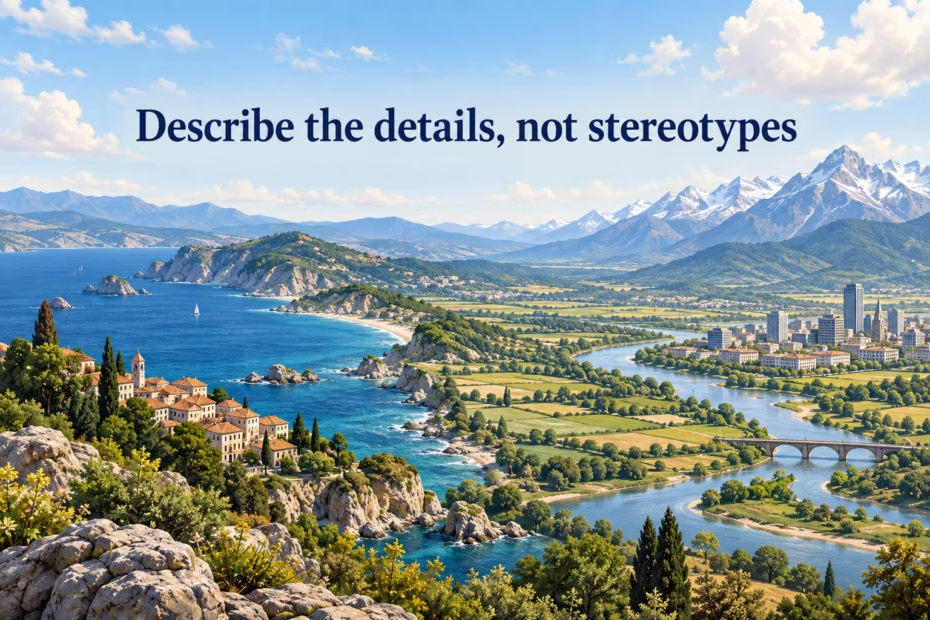
When it comes to describing countries, finding the right words can truly paint a vivid picture. Whether you’re a travel enthusiast, a language lover, or simply curious about different cultures, having a repertoire of adjectives to describe countries is essential. In this article, I’ll be sharing a collection of descriptive words that capture the essence of various countries around the world. From bustling metropolises to serene landscapes, these adjectives will help you bring your descriptions to life.
From the vibrant streets of Tokyo to the breathtaking landscapes of New Zealand, each country has its own unique charm. By using adjectives, we can delve deeper into the characteristics that make each country special. Whether you’re writing a travel blog, crafting a story, or simply engaging in conversation, these adjectives will add depth and color to your descriptions. So, let’s dive in and explore the diverse array of adjectives that can be used to describe countries, along with some examples to illustrate their usage.
How to Describe country? – Different Scenarios
When it comes to describing a country, there are various scenarios and aspects to consider. Whether you are writing a travel blog, crafting a story, or simply engaging in a conversation, using descriptive adjectives can help paint a vivid picture and bring your words to life. Let’s explore different scenarios and the appropriate adjectives to use in each situation:
1. Describing the Landscape:
When describing the landscape of a country, it’s important to capture its natural beauty and unique features. Here are some adjectives you can use:
- Picturesque: The country is known for its breathtaking scenery, like rolling hills or pristine beaches.
- Spectacular: The landscape is awe-inspiring, with majestic mountains or stunning waterfalls.
- Serene: The country offers peaceful and tranquil landscapes, such as calm lakes or serene forests.
- Vast: The landscape is expansive, with wide open spaces or expansive plains.
2. Describing the People and Culture:
The people and culture of a country play a significant role in its identity. Use these adjectives to describe the people and their way of life:
- Hospitality: The people are warm and welcoming, making visitors feel at home.
- Vibrant: The culture is lively and full of energy, with vibrant traditions and festivals.
- Diverse: The country is home to a multicultural society, with diverse traditions and customs.
- Resilient: The people have a strong spirit and determination, overcoming challenges and adversity.
3. Describing the Cuisine:
Food is often an important aspect when describing a country. Here are some adjectives to describe the cuisine:
- Delicious: The country is known for its mouthwatering and flavorful dishes.
- Exquisite: The cuisine is characterized by its refined and gourmet flavors.
- Traditional: The food represents the authentic and traditional flavors of the country.
- Spicy: The cuisine is known for its bold and spicy flavors that leave a lasting impression.
4. Describing the Architecture:
- Historic: The country is rich in historical architecture, with ancient buildings and landmarks.
- Modern: The architecture showcases contemporary and innovative designs.
- Elegant: The buildings and structures are characterized by their grace and sophistication
Describing Words for country in English
When it comes to describing countries, using the right adjectives can help paint a vivid and captivating picture. Whether you’re writing a travel blog, storytelling, or simply engaging in a conversation, descriptive words can add depth and color to your descriptions.
Below are some adjectives that can be used to describe countries in various contexts, showcasing their unique charm and characteristics:
1. Landscape:
- Sweeping: Vast plains, rolling hills, or dramatic mountain ranges.
- Rugged: Jagged peaks, deep canyons, or windswept coastlines.
- Serene: Tranquil lakes, lush valleys, or secluded islands.
- Vibrant: Colorful coral reefs, bustling rainforests, or sun-drenched deserts.
- Ancient: Timeworn monuments, weathered landscapes, or mystical ruins.
2. People and Culture:
- Warm and welcoming: Friendly smiles, open arms, and a strong sense of community.
- Passionate and expressive: Vibrant traditions, lively music, and energetic celebrations.
- Sophisticated and refined: Elegant manners, rich history, and a focus on etiquette.
- Resilient and resourceful: Adaptable to challenges, innovative spirit, and strong work ethic.
- Diverse and inclusive: Multicultural tapestry, celebrating differences, and embracing individuality.
3. Cuisine:
- Delicate and flavorful: Subtle spices, fresh ingredients, and complex flavor profiles.
- Hearty and comforting: Rich sauces, slow-cooked dishes, and warming spices.
- Spicy and vibrant: Bold flavors, exotic spices, and a focus on fresh herbs.
- Healthy and fresh: Locally sourced ingredients, seasonal produce, and emphasis on balanced meals.
- Unique and innovative: Fusion of traditional techniques with modern influences.
4. Architecture:
- Grand and imposing: Majestic castles, towering skyscrapers, and ornate palaces.
- Colorful and vibrant: Mosaic facades, intricate tilework, and playful use of color.
- Simple and elegant: Minimalist designs, clean lines, and harmonious proportions.
- Sustainable and eco-friendly: Locally sourced materials, energy-efficient features, and respect for the environment.
- Historic and evocative: Timeworn structures, rich architectural heritage, and stories whispered in stone.
5. Weather:
- Sunny and idyllic: Warm beaches, clear skies, and endless sunshine.
- Misty and mysterious: Rolling fog, dramatic cloud formations, and a touch of magic.
- Temperate and comfortable: Mild seasons, gentle breezes, and a pleasant climate.
- Dramatic and unpredictable: Seasonal storms, powerful winds, and a constantly changing landscape.
- Four distinct seasons: Vibrant spring blooms, warm summer days, colorful fall foliage, and snowy winters.
Each country has its own unique blend of qualities and characteristics, making it essential to choose the right adjectives that capture its essence. By using these descriptive words, you can create a more engaging and immersive experience for your readers or listeners.
Remember, the key is to choose adjectives that accurately reflect the country you’re describing. Whether it’s the breathtaking landscapes, the rich culture, the delectable cuisine, or the architectural wonders, let these adjectives help you bring your descriptions to life.
So go ahead, explore the world of adjectives and let your descriptions transport your audience to the vibrant and captivating countries you’re describing.
Adjectives for country
As an expert blogger with years of experience, I understand the importance of using descriptive adjectives to create a vivid picture when describing countries. The right choice of adjectives can help capture the essence of a country, whether it’s the landscape, people and culture, cuisine, architecture, or even the weather. In this section, I will provide you with a variety of adjectives that can be used to effectively describe countries in different contexts. Let’s explore!
Positive Adjectives for Country
When describing a country in a positive light, it’s important to choose adjectives that highlight its unique qualities and strengths. Here are some positive adjectives you can use:
| Adjective | Example Sentence |
|---|---|
| Breathtaking | The breathtaking views of the mountains in Switzerland leave you in awe. |
| Enchanting | Italy’s enchanting cities, with their cobblestone streets and historic architecture, are a delight to explore. |
| Welcoming | The people of Thailand are known for their welcoming and friendly nature. |
| Vibrant | India’s vibrant culture and colorful festivals make it a captivating destination. |
| Picturesque | The picturesque countryside of New Zealand offers stunning views at every turn. |
| Serene | The serene beaches of the Maldives provide the perfect setting for relaxation. |
| Exquisite | France is renowned for its exquisite cuisine and fine wines. |
| Charming | The charming towns of Ireland, with their quaint cottages and friendly locals, have a unique appeal. |
| Lively | Brazil’s carnival is a lively celebration of music, dance, and culture. |
| Majestic | The majestic castles of Scotland reflect its rich history and heritage. |
| Captivating | Japan’s captivating blend of tradition and modernity makes it a fascinating destination. |
| Peaceful | The peaceful temples and gardens of Kyoto, Japan, offer a tranquil escape from city life. |
Negative Adjectives for Country
While it’s important to highlight a country’s positive aspects, there may also be times when you need to describe certain aspects in a more critical or negative light. Here are some negative adjectives you can use:
| Adjective | Example Sentence |
|---|---|
| Polluted | The polluted air in some major cities can be a concern for visitors. |
| Crowded | The crowded streets of certain tourist destinations can be overwhelming for some. |
| Dangerous | Some remote areas of the country can be dangerous for hikers and adventurers. |
| Corrupt | The corrupt political system in the country has led to widespread dissatisfaction among the population. |
| Unsanitary | The unsanitary conditions in certain areas can pose health risks to visitors. |
By using these descriptive adjectives, you can paint a more engaging and immersive picture of a country for your audience. Whether you’re writing for kindergarten or preschool teachers, or simply want to teach easy words to kids, the right choice of adjectives can make a significant impact. Remember to choose words that accurately reflect the unique qualities and characteristics of each country, and use diverse vocabulary and sentence types to keep your writing engaging and informative.
Synonyms and Antonyms with Example Sentences
Synonyms for country
When it comes to describing a country, there are various synonyms that can be used to add depth and clarity to our descriptions. Here are some examples:
| Synonym | Definition |
|---|---|
| Nation | A large body of people united by a common language, culture, or history. |
| Land | The physical territory of a country, including its soil, geography, and natural resources. |
| State | A politically organized territory with its own government and administrative system. |
| Homeland | The place where a person or a particular group of people have their roots or origins. |
| Motherland | The country in which a person is born, regarded as a place of affection or loyalty. |
Let’s use these synonyms in example sentences to better understand how they can be used:
- “China is an ancient nation with a rich cultural heritage.”
- “Australia is a vast land filled with breathtaking natural wonders.”
- “The United States is a democratic state with a diverse population.”
- “For many, India is not just a country, it is a homeland that holds a special place in their hearts.”
- “Italy, also known as the motherland of art and romance, is a favorite destination for many travelers.”
Antonyms for country
On the other hand, when we want to highlight contrasting qualities or aspects of a country, we can use antonyms. Here are a few examples:
| Antonym | Definition |
|---|---|
| City | A large and highly populated urban area, usually the center of commerce, culture, and government. |
| Town | A smaller urban area that is usually less densely populated than a city. |
| Metropolis | A large and important city, often the capital or center of a region or country. |
| Megalopolis | A cluster of multiple metropolitan areas that have grown together due to urban expansion. |
| Suburb | A residential area situated on the outskirts of a city or town. |
Let’s see how these antonyms can be used in example sentences:
- “New York City, a thriving and bustling metropolis, offers a vibrant and cosmopolitan experience.”
- “In contrast to the city, life in small towns often feels more relaxed and close-knit.”
- “Los Angeles is a sprawling megalopolis that stretches across a vast area in Southern California.”
- “Many people prefer the tranquility and green spaces offered by suburbs rather than the busy city life.”
- “Paris is not just any city; it is the epitome of elegance, culture, and sophistication.”
By incorporating a variety of synonyms and antonyms, we can paint a vivid and nuanced picture of countries and their unique characteristics, helping to engage and captivate our readers.
Conclusion
Descriptive adjectives play a crucial role in painting a vivid and captivating picture when describing countries. By utilizing synonyms and antonyms, writers can add depth and clarity to their descriptions, making them more engaging and memorable for readers.
Throughout this article, we have explored a range of synonyms and antonyms that can be used to enhance our descriptions of countries. Synonyms such as nation, land, state, homeland, and motherland provide alternative ways to refer to a country, each offering a unique perspective and connotation. On the other hand, antonyms like city, town, metropolis, megalopolis, and suburb allow us to contrast the characteristics of a country with those of its urban areas.
By incorporating these descriptive words into our writing, we can create a more nuanced and comprehensive portrayal of countries. Whether we are describing the vast landscapes, cultural heritage, or socio-economic aspects, these adjectives help us capture the essence of a country in a way that resonates with our readers.
So, the next time you embark on a journey to describe a country, remember to employ these adjectives to bring your writing to life. By doing so, you will create a rich and immersive experience for your readers, leaving a lasting impression that goes beyond mere words.
How to choose adjectives for a country
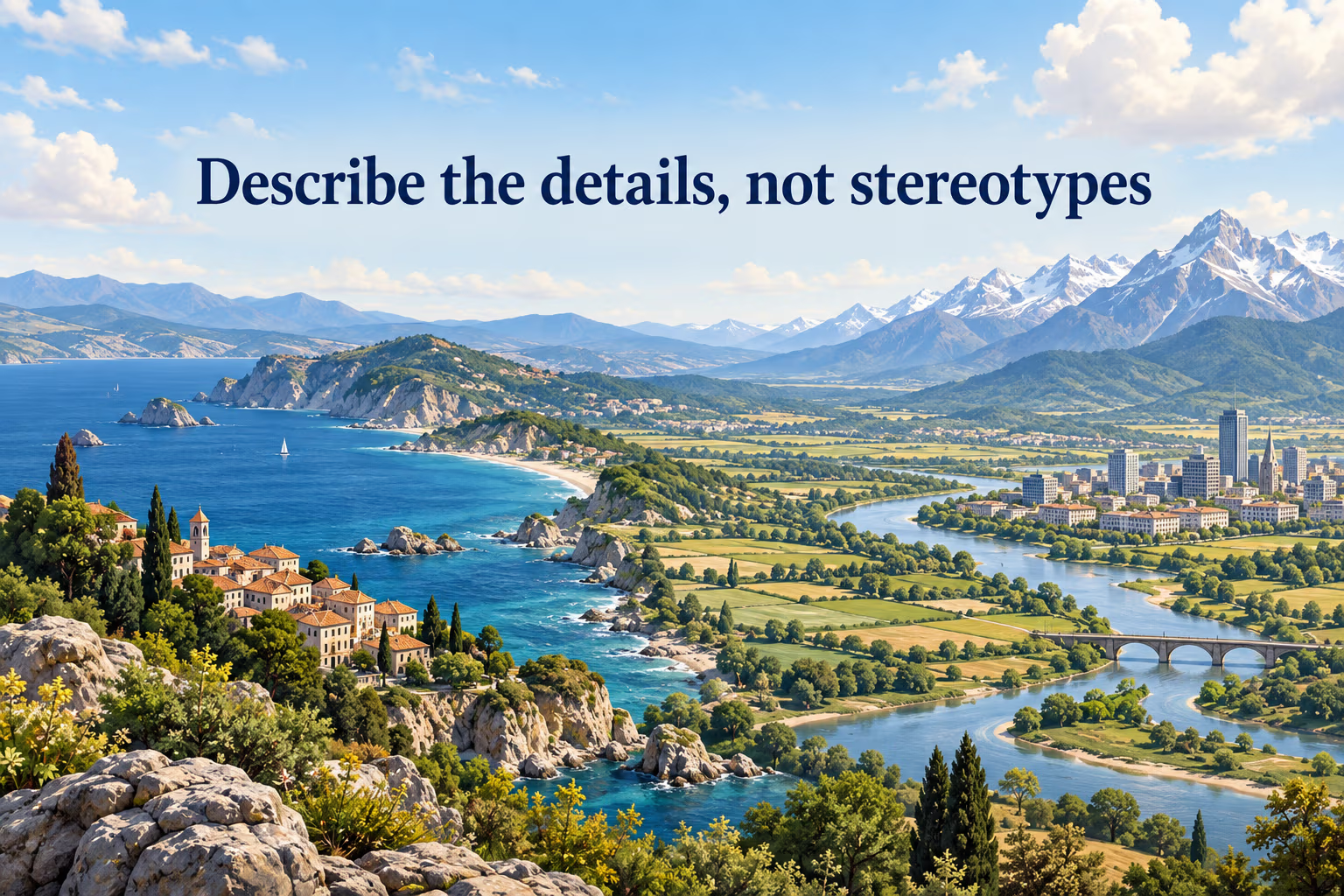
A useful country description tells readers what feature you mean. “A mountainous country” points to terrain; “a multilingual country” describes language use; and “a constitutional monarchy” names a form of government. The word country can also mean rural land, so make the political or geographic sense clear when context might be ambiguous. Rather than stacking broad praise words, select a detail that a reader can picture or verify.
Adjectives by descriptive focus
| Focus | Useful adjectives | Example |
|---|---|---|
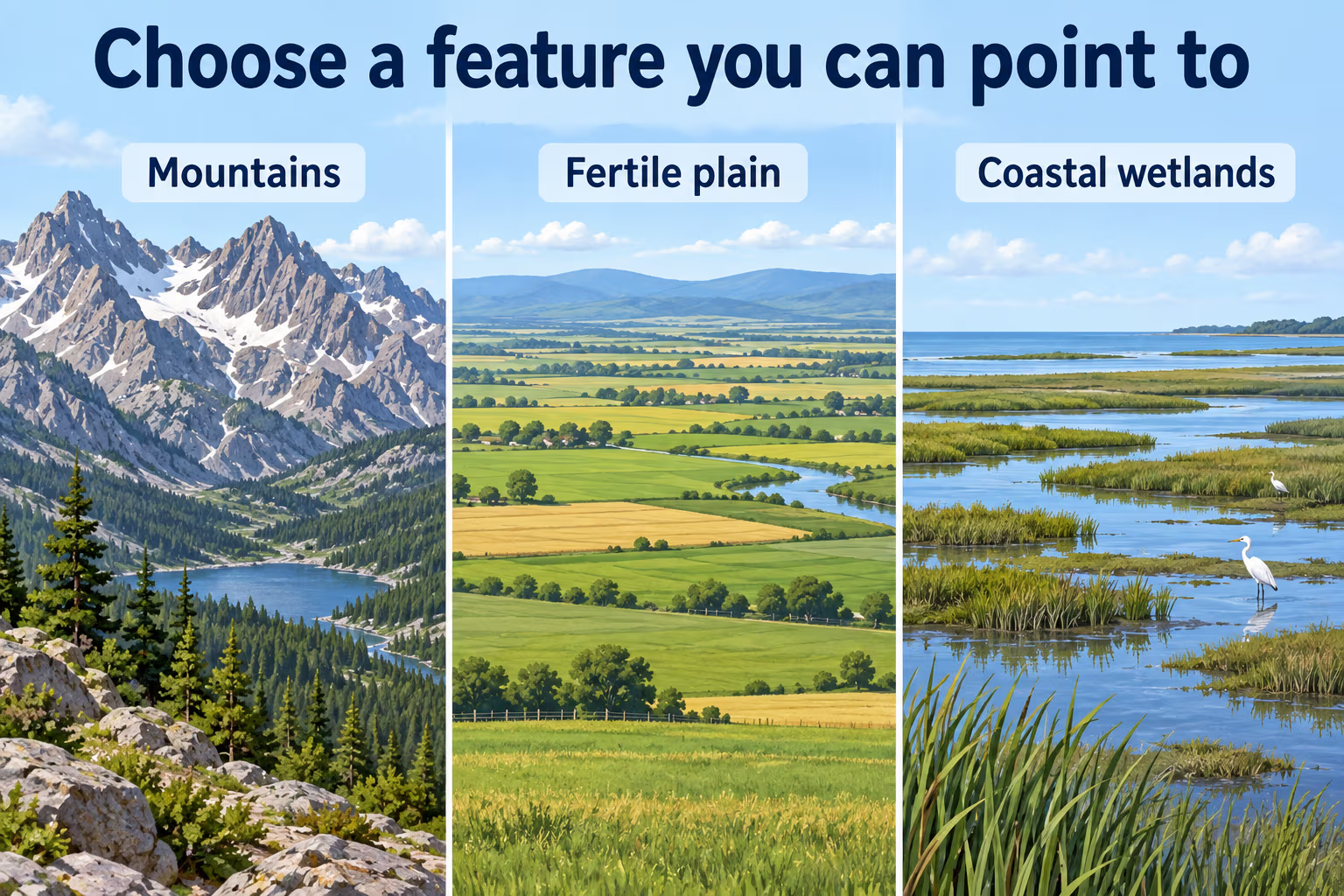
| Land and relief | mountainous, hilly, low-lying, coastal, landlocked, archipelagic, rugged | The archipelagic nation includes several inhabited islands. |
| Climate and seasons | arid, humid, temperate, tropical, alpine, seasonal, drought-prone | The northern plateau has an alpine climate. |
| Settlement and infrastructure | urban, rural, densely populated, sparsely populated, well-connected, remote | Remote villages are connected to the regional hub by a seasonal road. |
| Language and society | multilingual, bilingual, diverse, Indigenous, immigrant-rich, cosmopolitan | The multilingual capital publishes public information in several languages. |
| History and built environment | historic, contemporary, industrial, agricultural, postcolonial, well-preserved | The historic quarter sits beside contemporary civic buildings. |
These words describe different kinds of evidence. A country can be coastal and mountainous, urban and agricultural, or historic and contemporary at the same time. Avoid using a label as if it explains the whole place: “rural” may describe a region, not every settlement, and “diverse” is clearer when you say which languages, communities, or traditions you mean.
Describe people and culture with care
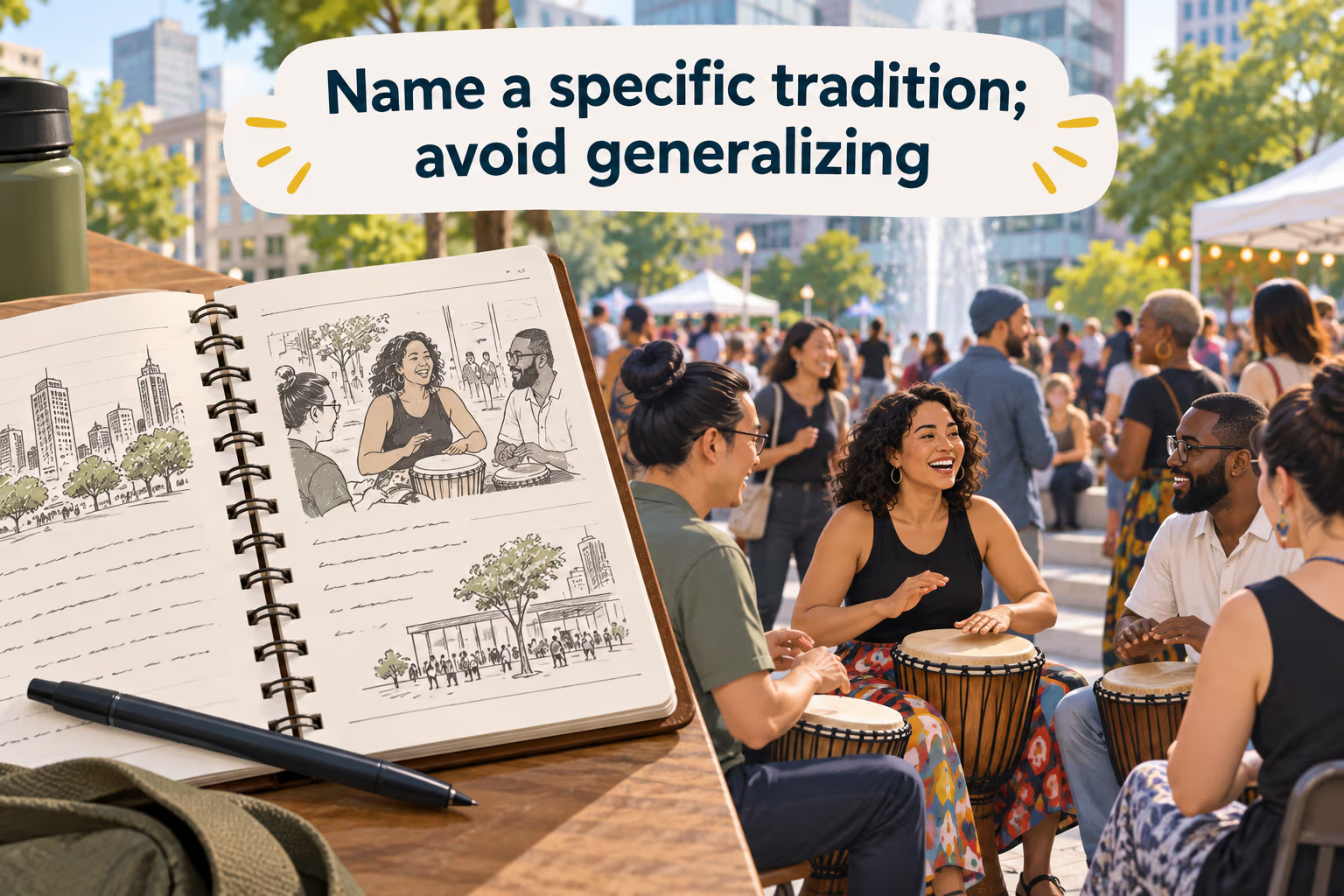
Words such as welcoming, reserved, hardworking, or traditional can sound like judgments about an entire population. They may flatten differences of region, generation, language, and personal experience. If you are describing your own visit, make the point specific and situated: “The hosts at the community-run guesthouse were welcoming,” or “The festival program included traditional music from the region.” If the claim is broader, identify the source and the group or practice it covers.
Likewise, “hospitality” is a noun; hospitable is the adjective. You can write “the community is hospitable” only when the description is grounded and appropriately scoped. For food, say “the cuisine is aromatic” or “the dish is spicy,” rather than assigning one flavor to an entire country.
Country adjectives and nationality forms
English country and nationality forms do not all follow one pattern. Some are regular (Brazil → Brazilian); others need to be learned (Japan → Japanese, the Netherlands → Dutch). Nationality adjectives and country names begin with capital letters: “Japanese literature,” “Brazilian music,” and “Dutch design.” Check a dictionary or a reliable style reference for less familiar forms, and use the wording people and institutions use for themselves.
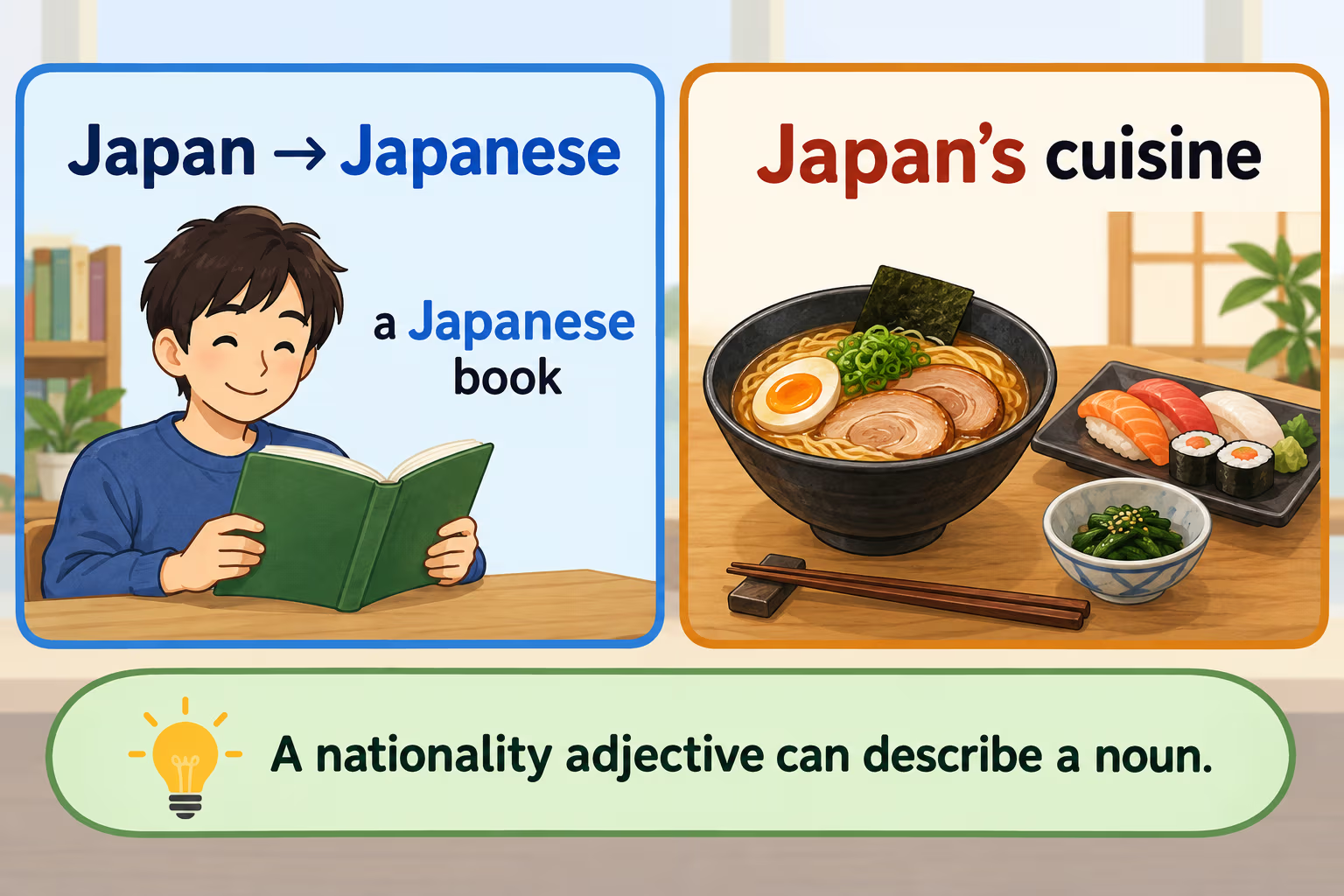
A nationality adjective can modify a thing without making a claim about every person: “Japanese architecture” refers to architecture associated with Japan, while “Japanese people are …” makes a broad claim about people and needs much more care. When you mean citizenship, ancestry, language, or a particular community, name that specifically. These categories do not always overlap.
Examples that make the detail clear
- Geography: “The country has a rugged western coastline and a low-lying central plain.”
- Climate: “Its highland districts are cooler and wetter than the dry interior.”
- Languages: “The multilingual city uses three languages in its transit notices.”
- Architecture: “The historic port has restored warehouses beside modern office towers.”
- Food: “The coastal region is known for citrus-rich seafood dishes.”
- Travel writing: “The train route crosses a densely forested valley before reaching the capital.”
For factual claims about population, climate, land area, or government, use a dated source and be precise about the region. Countries contain local variation, and statistics change. For creative writing, the same principle helps: give readers a concrete landscape, sound, building, or routine instead of relying on a single adjective to stand in for a whole nation.
Quick checklist
- What exactly does the adjective describe: land, weather, a city, an institution, a dish, or a specific practice?
- Can you support a factual claim with a named source and date?
- Would a narrower region or group make the sentence more accurate?
- Is the word an adjective, or do you need its related adjective form (such as hospitality → hospitable)?
- Have you capitalized a country or nationality adjective correctly?
Frequently asked questions
What are good adjectives to describe a country?
Choose according to the feature: mountainous, coastal, or arid for geography and climate; multilingual for language use; and historic or contemporary for a built environment. Add a specific example so readers know what the word refers to.
Is “hospitality” an adjective?
No. Hospitality is a noun; hospitable is the adjective. For example, “the inn offers hospitality” uses the noun, while “the staff were hospitable” uses the adjective.
Should country adjectives be capitalized?
Yes. Capitalize country names and nationality adjectives in English, as in Canadian, Thai, and French. Some country-to-adjective forms are irregular, so verify unfamiliar ones in a trusted reference.
How can I describe a culture without stereotyping?
Describe a named tradition, artwork, language, institution, or firsthand interaction; specify where and when it applies; and avoid presenting one observation as true of every resident.
What is the difference between “country” and “nationality” adjectives?
A country adjective can describe something associated with a place (“Peruvian textiles”). Nationality can also refer to a person’s legal or social identity. Choose the term that matches what you actually mean, and do not assume these categories are interchangeable.
Sources: Cambridge Grammar: Nationalities, languages, countries and regions; Cambridge Dictionary: country; United Nations World Statistics Pocketbook; MLA Style Center: Editing Your Own Writing.


