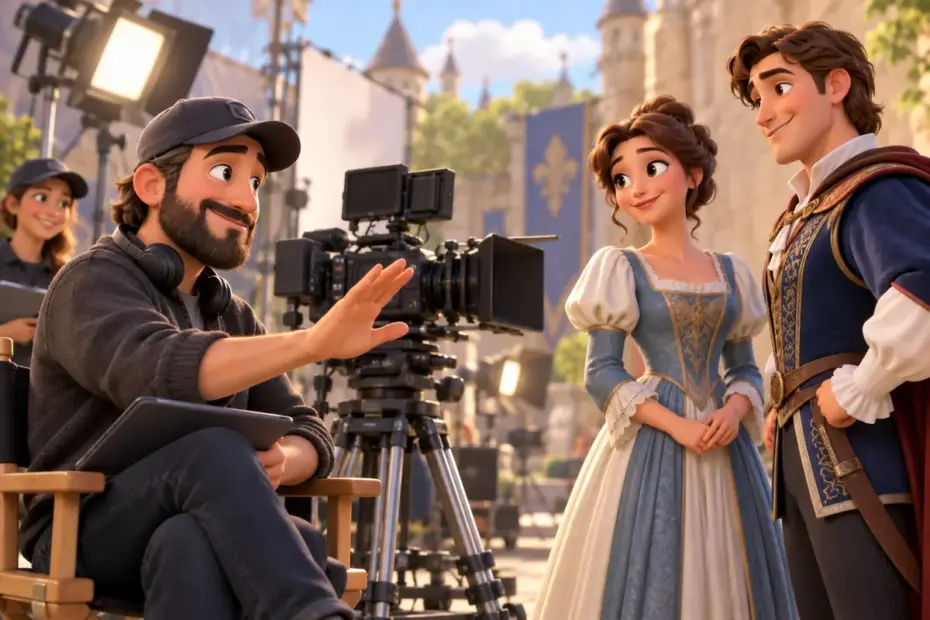
Adjectives for Director: Leadership and Creative Style
Adjectives for director describe leadership, creative judgment, communication, or working style: decisive, collaborative, imaginative, meticulous, and demanding are useful examples. The role may involve film, theater, music, or an organization. Specify the setting and the behavior behind the adjective so a description becomes more informative than a broad compliment or criticism.
Director descriptions at a glance
- decisive describes decision-making.
- collaborative describes working with others.
- imaginative describes creative ideas.
- meticulous describes attention to detail.
- calm describes manner under pressure.
Which adjectives for director fit each feature?
Choose the feature before the adjective. Words for appearance, movement, atmosphere, and evaluation answer different questions; they are not interchangeable simply because they can occur beside the same noun.
| Word or phrase | Feature | Example |
|---|---|---|
| decisive | decision-making | The decisive director selected a location after reviewing the options. |
| collaborative | working with others | The collaborative director invited suggestions from the cast. |
| imaginative | creative ideas | An imaginative director developed an unusual staging concept. |
| meticulous | attention to detail | The meticulous director checked every transition. |
| calm | manner under pressure | The calm director explained the revised schedule. |
| demanding | high expectations | The demanding director asked for another rehearsal. |
| experienced | background in the role | The experienced director recognized the production problem. |
| visionary | future-oriented creative judgment | The reviewer called the director’s approach visionary. |
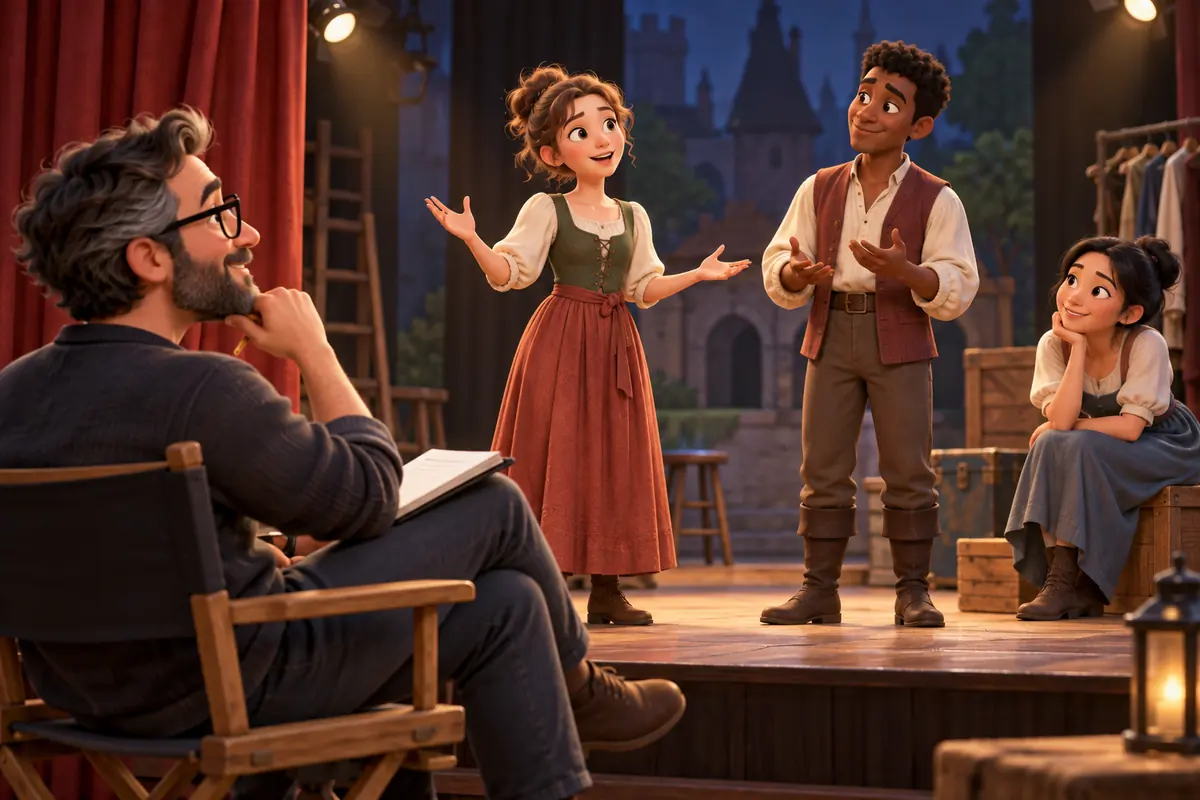
How do you make the description precise?
Director can name different roles. A film director guides a screen production, while an organizational director may lead a department or serve on a board. Choose the adjectives that match the actual responsibilities rather than importing every filmmaking term into a business description.
Decisive and authoritarian are different judgments. Decisive identifies willingness to choose; authoritarian describes a controlling use of authority. A director can make prompt decisions while welcoming input. Describe the action before deciding whether the stronger evaluative word is warranted.
Meticulous emphasizes detail, while visionary emphasizes broader possibilities. Neither guarantees a successful outcome. “The meticulous director checked each lighting change” supports the first adjective; “The critic called the director visionary” attributes the second judgment to a source.
What are natural example sentences?
- The collaborative director invited suggestions from the cast.
- The decisive director selected a location after reviewing the options.
- The meticulous director checked every transition.
- An imaginative director developed an unusual staging concept.
- The calm director explained the revised schedule.
- The demanding director asked for another rehearsal.
- The experienced director recognized the production problem.
- The reviewer called the director’s approach visionary.
How should you choose between similar words?
The dictionary entry for director helps establish the central noun. Keep the exact thing being described in view: a word can be grammatically possible but still fail to identify the detail that matters in your scene.
- Identify the person, object, activity, or setting you are describing.
- Choose the relevant attribute rather than a general value judgment.
- Add a concrete action or circumstance that explains the adjective.
- Remove another modifier if it repeats the same information.
Use one or two modifiers when they contribute distinct details. A contrast, a specific action, or a named setting often explains more than several near synonyms. Read the sentence aloud to check whether the wording sounds natural for the narrator, audience, and intended purpose.

Frequently asked questions about director adjectives
What is a positive adjective for a director?
Collaborative is a useful positive adjective when a director works constructively with other people. Support the description with an action, such as inviting performers’ suggestions or coordinating departments. Decisive, imaginative, and meticulous describe different strengths. Choose the quality you actually observed rather than treating the words as interchangeable compliments.
Is demanding always a negative word?
No. Demanding can describe high expectations without necessarily implying unfairness. The context determines whether those expectations seem productive, excessive, or unreasonable. “The demanding director asked for precise timing” differs from a sentence about impossible deadlines. Add the specific expectation so readers can understand the intended evaluation rather than guessing at it.
Can director be modified by film or theater?
Yes. Film director and theater director are natural noun phrases that identify the area of work. Film and theater act as noun modifiers there. They differ from descriptive adjectives such as patient or imaginative, which express qualities. A phrase can include both: “an imaginative theater director” gives role and style.
How do I describe a director without overpraising?
Name a specific behavior and choose one adjective that captures it. “The attentive director listened to each actor’s concern” is more informative than “the amazing, brilliant, perfect director.” When an evaluation is subjective or quoted, identify whose judgment it is. A clear example makes restrained praise easier to assess.
When it comes to describing a director, there are numerous adjectives that come to mind. A director is the visionary behind a film or a play, responsible for bringing the script to life and guiding the actors. They possess a unique set of skills and qualities that make them stand out in their field. In this article, I’ll be exploring a variety of adjectives that can be used to describe a director, along with examples that showcase their expertise and talent. Whether you’re a film enthusiast or aspiring director yourself, this guide will help you better understand the qualities that make a director truly exceptional.
Directors can be described as creative, as they possess the ability to envision and execute their artistic vision. They have a keen eye for detail and are adept at transforming words on a page into captivating visuals on the screen. Take, for example, the director’s use of color in a film. A skilled director can use color to evoke specific emotions and enhance the overall storytelling experience. From vibrant and energetic palettes to muted and somber tones, the choices made by a director can greatly impact the mood and atmosphere of a film.
How to Describe director? – Different Scenarios
As an experienced blogger, I’ve had the opportunity to work with many exceptional directors. Each director possesses unique qualities and skills that make them stand out in their field. In different scenarios, I’ve noticed several ways to describe a director’s abilities and expertise. Let’s explore some of these scenarios and the adjectives that perfectly describe them.
Visionary Director:
- Bold: Unfraid of pushing boundaries and experimenting with unconventional ideas.
- Prescient: Able to anticipate trends and envision future possibilities.
- Dreamy: Possessing a vast and imaginative vision that inspires and captivates.
- Storytelling genius: Skilled at crafting narratives that resonate deeply with audiences.
- Transformative: Able to take familiar themes and present them in a fresh and innovative way.
Adaptable Director:
- Resourceful: Able to think on their feet and adjust to unexpected challenges.
- Flexible: Willing to compromise and adapt their vision based on circumstances.
- Collaborative: Open to feedback and willing to incorporate ideas from others.
- Quick-thinking: Able to make decisions quickly and effectively in high-pressure situations.
- Resilient: Able to bounce back from setbacks and keep moving forward.
Collaborative Director:
- Communicative: Skilled at clearly and effectively conveying their vision to others.
- Empathetic: Able to understand and appreciate different perspectives.
- Team player: Values the contributions of everyone involved in the project.
- Delegative: Trusts and empowers others to take ownership of their tasks.
- Inclusive: Creates an environment where everyone feels valued and heard.
Technical Director:
- Meticulous: Pays close attention to detail and ensures technical precision.
- Problem-solving: Able to identify and resolve technical challenges efficiently.
- Organized: Maintains a clear and efficient workflow.
- Knowledgeable: Possesses a deep understanding of technical equipment and processes.
- Innovative: Able to utilize technology in new and creative ways.
Masterful Director:
- Inspiring: Able to motivate and guide their team to achieve their best work.
- Charismatic: Possesses a magnetic personality that commands attention and respect.
- Intuitive: Able to understand and respond to the emotional needs of their actors and crew.
- Confident: Possesses a strong belief in their own vision and abilities.
- Legendary: Leaves a lasting impression on audiences and collaborators alike.
Describing Words for director in English
As a seasoned film expert, I have encountered countless talented directors throughout my career. These directors possess a unique blend of skills and qualities that set them apart in the industry. In this section, I will provide you with a range of adjectives that can be used to describe directors, along with examples of renowned directors who embody these characteristics.
Creative:
- Visionary: Dreamy, groundbreaking, trailblazing, imaginative, iconoclastic
- Innovative: Genre-bending, thought-provoking, unconventional, daring, rule-breaking
- Original: Idiosyncratic, fresh, unique, unorthodox, pathfinding
- Captivating: Mesmerizing, evocative, atmospheric, immersive, enchanting
- Poetic: Lyrical, evocative, dreamlike, symbolic, layered
Versatile:
- Chameleon: Genre-hopping, adaptable, multi-faceted, fluid, transformative
- Master of all trades: Well-rounded, skilled in various genres, diverse, flexible, multi-talented
- Ever-evolving: Continuously growing, exploring new styles, challenging norms, defying expectations
- Genre-defying: Blending styles seamlessly, pushing boundaries, creating hybrids
- Risk-taker: Willing to experiment, embrace new territory, unafraid of challenges
Collaborative:
- Communicative: Articulate, empathetic, open-minded, inclusive, team player
- Leader: Inspiring, motivating, trusting, empowering, fostering creativity
- Vision-sharer: Collaborative in vision-building, receptive to feedback, open to input
- Actor’s director: Nurturing talent, understanding performance, drawing out the best
- Team builder: Creating a positive atmosphere, fostering trust, valuing diverse perspectives
Technical:
- Precisionist: Meticulous, detail-oriented, meticulous, exacting, perfectionist
- Problem-solver: Resourceful, inventive, adaptable, quick-thinking, analytical
- Visionary technician: Utilizing technology creatively, pushing boundaries, exploring new possibilities
- Master of craft: Deeply knowledgeable, skilled in all aspects of filmmaking, technically sound
- Innovator: Experimenting with new techniques, pushing boundaries, embracing the cutting edge
Masterful:
- Storyteller: Captivating, emotionally resonant, thought-provoking, impactful, unforgettable
- Character sculptor: Bringing characters to life, revealing depth, evoking empathy, unforgettable
- Visionary leader: Guiding the project with clarity, inspiring the team, achieving the impossible
- Cinematic auteur: Distinctive style, recognizable voice, signature touch, leaving a lasting legacy
- Genre-defining: Shaping a genre, setting trends, influencing generations of filmmakers
Remember: These are just a few examples to inspire you!
- Consider the specific director and their body of work when choosing the most fitting adjectives.
- Don’t be afraid to use figurative language and evocative descriptions to paint a vivid picture of the director’s style and impact.
- Combine multiple adjectives to create nuanced and insightful descriptions.
Adjectives for director
Positive Adjectives for director with 12 Example Sentences
Being a director requires a unique set of skills and qualities. Here are some positive adjectives that can be used to describe exceptional directors, along with example sentences to illustrate their application:
- Innovative: Innovative directors are always thinking of new and creative ways to tell stories. For example, Quentin Tarantino’s unique storytelling techniques in “Pulp Fiction” captivated audiences.
- Adaptable: Adaptable directors can effortlessly switch between different genres and styles. Steven Spielberg is a prime example of an adaptable director who has successfully directed everything from sci-fi adventures like “Jurassic Park” to historical dramas like “Schindler’s List”.
- Collaborative: Collaborative directors value the input and expertise of their team members. Christopher Nolan famously collaborated with cinematographer Hoyte van Hoytema to create visually stunning sequences in “Dunkirk”.
- Technically skilled: Technical directors possess a deep understanding of the technical aspects of filmmaking. James Cameron’s technical expertise in creating groundbreaking visual effects in “Avatar” is unparalleled.
- Detail-oriented: Detail-oriented directors have a keen eye for even the smallest aspects of a film. Wes Anderson’s meticulous attention to detail is evident in every frame of his movies, such as “The Grand Budapest Hotel”.
- Passionate: Passionate directors pour their heart and soul into their projects, leading to incredibly heartfelt films. Martin Scorsese’s passion for storytelling shines through in films like “Goodfellas” and “Taxi Driver”.
- Visionary: Visionary directors have a clear and unique artistic vision that sets them apart. Stanley Kubrick’s visionary approach to filmmaking is evident in masterpieces like “2001: A Space Odyssey”.
- Versatile: Versatile directors can successfully navigate different genres and film in various styles. From romantic comedies like “When Harry Met Sally” to action-packed thrillers like “Die Hard”, director Rob Reiner has proven his versatility.
- Confident: Confident directors have a strong belief in their vision and are able to make bold choices. Jordan Peele’s confidence in blending horror and social commentary in “Get Out” resulted in critical acclaim and commercial success.
- Inspiring: Inspiring directors have the ability to motivate and inspire their cast and crew to give their best. The late Penny Marshall was known for her inspiring leadership on the set of “A League of Their Own”.
- Inexperienced: Inexperienced directors may lack the necessary skills and knowledge to effectively bring a vision to life. The film “The Room,” directed by Tommy Wiseau, is often criticized for its inexperienced direction.
- Micromanaging: Micromanaging directors tend to control every aspect of the filmmaking process, which can stifle creativity. The reputation of director David O. Russell for excessive micromanaging on set has been a topic of discussion within the industry.
- Indecisive: Indecisive directors struggle to make decisions, leading to delays and confusion. Reports of director Terrence Malick’s indecisiveness during the production of “The Tree of Life” caused frustration among the cast and crew.
- Chaotic: Chaotic directors lack organization and structure, making it difficult for the production to run smoothly. Terry Gilliam’s reputation for chaotic film shoots is well-known within the industry, such as with the movie “The Man Who Killed Don Quixote”.
- Uninspired: Uninspired directors lack creativity and fail to bring fresh ideas to the table. The lackluster direction of M. Night Shyamalan in
Synonyms and Antonyms with Example Sentences
Synonyms for director
As a director, I have come across various adjectives that can be used to describe my role. Here are some synonyms for a director, along with example sentences illustrating their usage:
| Synonym | Definition | Example Sentence |
|---|---|---|
| Filmmaker | A person who directs or produces films | I have always aspired to be a filmmaker who tells compelling stories through the medium of cinema. |
| Auteur | A filmmaker who exercises creative control over their work | Quentin Tarantino is known for being an auteur, as he has a distinct style that permeates all of his films. |
| Captain | The person in charge of a production | As the captain of the film crew, I ensure that everyone is working towards a common goal. |
| Maestro | A master in the art of directing | Martin Scorsese is considered a maestro when it comes to directing, as he has created numerous cinematic masterpieces. |
| Conductor | One who guides or leads the performance | A director is like a conductor who orchestrates the talents of the actors and crew members to create a cohesive production. |
Antonyms for director
Although being a director is often associated with positive attributes, there are also negative adjectives that can describe this role. Here are some antonyms for a director, along with example sentences showcasing their usage:
| Antonym | Definition | Example Sentence |
|---|---|---|
| Inexperienced | Lacking the necessary skill or knowledge in directing | The inexperienced director struggled to communicate his vision to the cast and crew. |
| Micromanaging | Overly controlling and involving oneself in every minor detail | The micromanaging director stifled the creativity of the actors by dictating their every move. |
| Indecisive | Unable to make decisions quickly or effectively | The indecisive director wasted valuable time on set by constantly questioning their choices. |
| Chaotic | Disorganized and lacking structure in their approach | The chaotic director’s lack of clear direction led to confusion among the production team. |
| Uninspired | Lacking creativity or motivation in their work | The uninspired director failed to bring a fresh perspective to the project, resulting in a lackluster film. |
As a director, I understand the importance of using the right words to accurately describe and define my role. These synonyms and antonyms shed light on the various qualities and characteristics associated with being a director, both positive and negative.
Conclusion
Describing a director requires the use of precise and impactful adjectives. Throughout this article, we have explored a wide range of adjectives that capture the essence of exceptional directors. By using these adjectives, we can paint a vivid picture of directors who possess qualities such as visionary, creative, decisive, and influential.
In addition to providing adjectives, we have introduced alternative terms for “director,” including filmmaker, auteur, captain, maestro, and conductor. These synonyms offer different perspectives on the role of a director and highlight the diverse skill set required to excel in this position.
Conversely, we have also explored antonyms for “director,” such as inexperienced, micromanaging, indecisive, chaotic, and uninspired. These words help us understand the negative qualities that can hinder a director’s effectiveness.
Remember, the words we choose to describe directors have a powerful impact on how they are perceived. By selecting the right adjectives, we can accurately convey the unique qualities and skills that define exceptional directors.
So, whether you are discussing the work of renowned directors or evaluating the qualities of a director you admire, using the appropriate adjectives will ensure that your descriptions are precise and impactful.


