Adjectives for Feet: Words for Shape and Condition
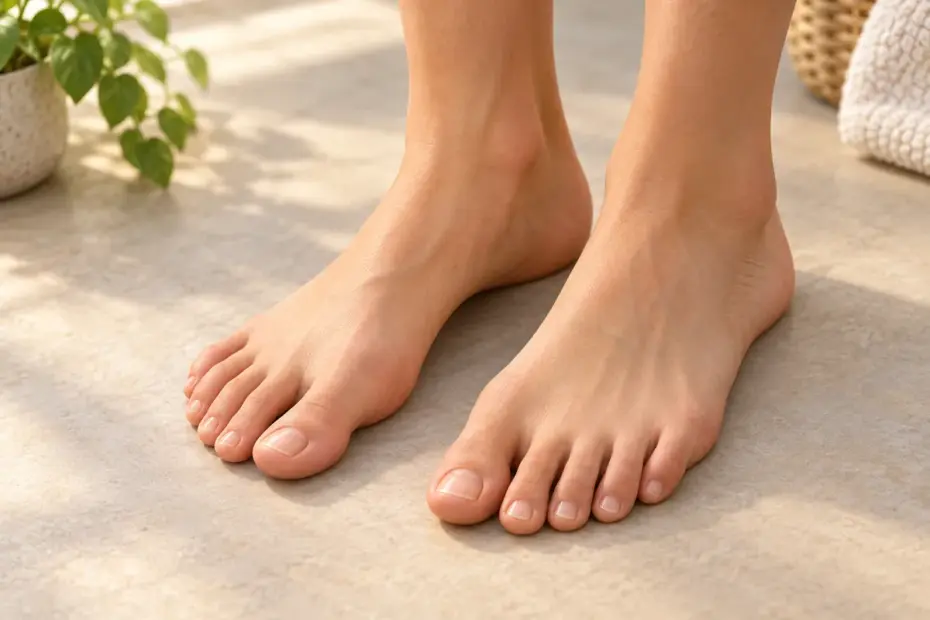
Adjectives for feet help writers describe shape, skin, movement, comfort, and condition with precision. Words such as arched, broad, calloused, smooth, and nimble refer to different features, so choose one that fits the visible detail and context. Neutral, specific language works better than judgments about someone’s body.
Key facts at a glance
- Shape words include broad, narrow, arched, flat, and slender.
- Texture words include smooth, rough, dry, and calloused.
- Movement words such as nimble describe action, not appearance.
- Words like swollen and sore report condition but do not identify a cause.
What adjectives describe feet?
Choose an adjective based on the feature you want readers to picture. A small, focused detail is usually clearer than a string of loosely related words.
| Feature | Useful adjectives | Example |
|---|---|---|
| Shape and size | arched, flat, broad, narrow, long, small, slender | Her broad feet fit comfortably in the sandals. |
| Skin and texture | smooth, rough, dry, moisturized, calloused, sweaty | His calloused heels showed years of walking. |
| Movement and feeling | nimble, ticklish, sore, tired, numb | After the hike, her tired feet needed a rest. |
| Visible condition | clean, muddy, swollen, cracked, bare | They crossed the yard with muddy bare feet. |
How do you choose the right word?
- Name the feature. Decide whether you mean shape, skin, movement, sensation, or a temporary condition.
- Be specific about location. “Calloused heels” is clearer than “rough feet” if only the heel skin is thickened.
- Check the tone. Neutral description fits informative writing; playful or judgmental words can change how a sentence feels.
Use structural terms carefully. Mayo Clinic explains that flatfeet describe arches that flatten under weight and are often painless, while Cleveland Clinic notes that high arches can be symptom-free for some people. Those terms describe structure; they do not, by themselves, establish a health problem.

Adjectives for feet in example sentences
- The dancer balanced on her narrow feet as she crossed the stage.
- After the trail walk, his dusty feet left prints by the door.
- Her smooth, moisturized feet slipped into comfortable slippers.
- The puppy’s tiny paws made nimble steps across the rug.
- He rested his sore feet after standing through the concert.
Feet adjectives and footwear adjectives are different
Some words describe shoes rather than feet. High-heeled, sturdy, worn-out, and comfortable usually modify footwear; broad, arched, and calloused describe the foot itself. Keep the noun clear so readers know exactly what the adjective refers to. Also check the word class: sneakers, boots, and flip-flops name footwear, while wedge usually names a shoe or heel shape. Athlete’s foot is a skin condition, not an adjective for feet; if relevant, write “a foot affected by athlete’s foot.”

Use sensitive, accurate descriptions
Describe what is relevant to the scene and avoid treating body size or shape as a character judgment. If you mention a health-related observation such as swelling, pain, or cracked skin, report the visible detail without guessing its cause. Cleveland Clinic notes that calluses can develop from repeated pressure or friction, but a description alone is not a diagnosis.
Welcome to my article on “Adjectives for feet – Describing Words With Examples.” As someone who has always been fascinated by the power of language, I believe that finding the right words to describe something can truly bring it to life. And when it comes to our feet, there are countless adjectives that can capture their beauty, strength, and uniqueness.
Feet are not just a means of transportation; they are a reflection of our personality and individuality. From the delicate arches to the sturdy heels, each part of our feet tells a story. By using descriptive adjectives, we can paint a vivid picture of our feet and enhance our communication.
Describing feet in various scenarios can help us communicate effectively and paint a vivid picture. Whether you’re writing a story, describing someone’s appearance, or discussing foot care, choosing the right words is crucial. Here are some examples of how to describe feet in different situations:
How to Describe feet? – Different Scenarios
When describing someone’s feet, it’s important to pay attention to their appearance and overall condition. Here are some adjectives you can use:
- Well-groomed
- Calloused
- Odorless
- Dainty
- Slender
- Pudgy
- Smooth
- Ticklish
- Nimble
- Athlete’s feet (if applicable)
You can use these adjectives to complement someone’s appearance or provide specific details about their feet.
2. Describing Footwear
The type of footwear can say a lot about a person’s style and personality. Here are some adjectives you can use to describe different types of shoes:
- Sturdy
- Comfortable
- Fashionable
- Shiny
- Worn-out
- High-heeled
- Wedge
- Sneakers
- Flip-flops
- Boots
Using these adjectives can help bring footwear to life and create a more immersive experience for the reader.
3. Describing Foot Care
Taking care of our feet is essential for overall health and well-being. Here are some adjectives to describe the condition and appearance of feet in relation to foot care:
- Clean
- Moisturized
- Hydrated
- Callus-free
- Nurtured
- Pampered
- Healthy
- Cracked
- Rough
- Neglected
By using these adjectives, you can emphasize the importance of proper foot care and highlight the benefits of maintaining healthy feet.
Remember to choose the adjectives that best capture the intended meaning and create a vivid image in the reader’s mind. Adjectives play an important role in conveying information and evoking emotions. Using the right words can make your writing more engaging and effective.
Now that we have explored different scenarios for describing feet, let’s delve into the importance of adjectives in enhancing communication and self-expression.
Describing Words for feet in English
When it comes to describing feet, choosing the right adjectives is important to create a vivid and accurate image. Whether you’re discussing someone’s appearance, talking about footwear, or describing foot care, using the appropriate adjectives will help enhance communication and self-expression.
Below are some examples of adjectives that can be used to describe feet in English:
- Small: My feet are small and delicate, like a ballerina’s.
- Big: His feet are big and wide, like those of a professional basketball player.
- Bare: Her toes felt the cool grass as she walked barefoot through the park.
- Sweaty: After a long run, his feet were sweaty and moist.
- Numb: The freezing cold water made her feet go numb.
- Calloused: His feet were calloused and rough from years of walking barefoot.
- Pedicured: She proudly showed off her pedicured feet in a pair of sandals.
- Dirty: After playing in the mud, his feet were dirty and covered in dirt.
- Tired: Her tired feet begged for a rest after a long day of shopping.
- Ticklish: The feather lightly brushed against her ticklish feet, making her giggle.
Using these adjectives will not only help you accurately describe feet but also make your writing more engaging and descriptive. Remember to choose the adjectives that best capture the intended meaning and create a vivid image in the reader’s mind.
| Adjective | Example Sentence |
|---|---|
| Small | My feet are small and delicate. |
| Big | His feet are big and wide. |
| Bare | She walked barefoot through the park. |
| Sweaty | His feet were sweaty after a long run. |
| Numb | The cold water made her feet go numb. |
| Calloused | His feet were calloused and rough. |
| Pedicured | She showed off her pedicured feet. |
| Dirty | His feet were dirty from playing in the mud. |
| Tired | Her tired feet begged for a rest. |
| Ticklish | The feather brushed against her ticklish feet. |
Adjectives for feet
Feet, oh the things they do! As the foundation of our body, they carry us through life’s adventures. When it comes to describing feet, finding the right adjectives can make all the difference. Whether we’re talking about their appearance, the footwear we choose, or taking care of them, using the appropriate adjectives can add depth and vividness to our communication. Let’s explore some positive and negative adjectives that can be used to describe feet, along with example sentences.
Positive Adjectives for Feet
When it comes to describing feet in a positive light, there are various adjectives that can capture their beauty and functionality. Here are twelve examples of positive adjectives for feet:
| Adjective | Example Sentence |
|---|---|
| Graceful | Her ballet dancer’s feet moved gracefully across the stage. |
| Dainty | The toddler had dainty little feet that always seemed to find their way into daddy’s shoes. |
| Nimble | The hiker’s nimble feet effortlessly navigated the rocky terrain. |
| Elegant | She slipped on a pair of elegant high-heeled shoes for the evening event. |
| Strong | His feet, strong and sturdy, carried him through the long hike. |
| Agile | The gymnast’s agile feet landed perfectly after her daring somersault. |
| Well-proportioned | Her feet were well-proportioned, fitting comfortably into any shoe style. |
| Pliable | The yoga instructor’s feet were pliable and flexible, easily adapting to different poses. |
| Polished | He meticulously maintained his feet, always keeping them polished and looking their best. |
| Adaptable | Her feet were adaptable, adjusting to any type of surface or shoe. |
| Supple | The baby’s feet, so soft and supple, were a delight to touch. |
| Resilient | After a long day of walking, her feet remained resilient, ready for another adventure. |
Negative Adjectives for Feet
While we appreciate our feet, there are times when we may need to describe them in a less favorable light. Here are five negative adjectives that can be used to describe feet:
| Adjective | Example Sentence |
|---|---|
| Odorous | He removed his shoes, immediately revealing the odorous scent that had filled the room. |
| Calloused | Her calloused feet showed the signs of years spent walking barefoot on rough surfaces. |
| Repulsive | The sight of his toenails, overgrown and yellowed, was repulsive to the onlookers. |
| Sweaty | After the intense workout, her feet were sweaty and in need of some air. |
| Achy | His achy feet longed for the comfort of a soft cushion after a day of standing on his feet. |
By using these adjectives, we can paint a more vivid picture of our feet and enhance our communication. Remember, choosing adjectives that accurately convey the intended meaning is key. So the next time you want to describe your feet, go beyond the ordinary and let your words breathe life into this vital part of your body.
Synonyms and Antonyms with Example Sentences
Synonyms for feet
Synonyms and Antonyms with Example Sentences
When it comes to describing feet, there are several synonyms that can be used to add variety and depth to your descriptions. Here are some examples of synonyms for “feet”:
| Synonym | Definition |
|---|---|
| Tootsies | A playful word often used to describe cute or small feet. |
| Paws | A term often used to describe animal feet, but can also be used to add a touch of playfulness to human feet. |
| Hooves | A term primarily used to describe the feet of horses, but can also evoke a sense of strength or durability. |
| Trotters | A casual term often used to refer to the feet, particularly when talking about walking or running. |
Here are a few example sentences that incorporate these synonyms:
- “Her little tootsies pitter-pattered across the room.”
- “He had the biggest paws I had ever seen on a toddler.”
- “Her hooves pounded against the pavement as she galloped away.”
- “After a long day, my tired trotters were begging for rest.”
Antonyms for feet
In contrast to synonyms, antonyms provide a way to describe feet with opposite or contrasting qualities. Here are some antonyms for “feet”:
| Antonym | Definition |
|---|---|
| Hands | Referring to the upper limbs, using “hands” instead of “feet” can create an interesting contrast and unique perspective. |
| Head | While “head” typically refers to the uppermost part of the body, using it to describe feet can create a playful and unexpected image. |
| Wings | Using “wings” instead of “feet” can evoke a sense of lightness, freedom, or imagination. |
| Fins | Referring to fish-like appendages can add a sense of movement or underwater grace to your description of feet. |
Here are a few example sentences that incorporate these antonyms:
- “She used her hands to help her balance as she tiptoed across the room.”
- “He couldn’t resist wiggling his head up and down to mimic walking with his imaginary feet.”
- “She felt as if her feet had transformed into wings, gliding effortlessly across the dance floor.”
- “With each stroke of their fins, the synchronized swimmers created a mesmerizing display in the water.”
Remember, choosing the right words to describe feet is essential for effective communication and creating vivid imagery. By using synonyms and antonyms, you can add depth, creativity, and variety to your descriptions, making them more engaging and memorable. So go ahead and explore the diverse vocabulary that exists for describing feet, and have fun experimenting with new ways to bring your descriptions to life.
Conclusion
Describing our feet with the right words is an essential aspect of effective communication and creating vivid imagery. Throughout this article, we have explored various adjectives that can be used to bring our descriptions to life. By using synonyms like “tootsies” and “paws,” we can add playfulness and charm to our descriptions. On the other hand, terms like “hooves” and “trotters” evoke different qualities, providing a unique perspective.
Additionally, we have also discussed the use of antonyms to create contrasting or unexpected images. Words like “hands,” “head,” “wings,” and “fins” can be employed to generate interesting and thought-provoking descriptions.
It is important to remember that the right choice of words can make a significant difference in how our descriptions are perceived. By exploring the diverse vocabulary available for describing feet, we can enhance our writing and captivate our readers.
So, let’s have fun experimenting with new adjectives and bring our descriptions of feet to life!
Choose adjectives for feet with a clear purpose
The best adjectives for feet name a specific feature, give enough context, and keep the description respectful. Choose words such as arched, calloused, nimble, or sore only when they accurately fit the detail you want readers to notice.
Frequently Asked Questions About Adjectives for Feet
What adjectives can describe feet?
Useful choices include broad, narrow, arched, flat, smooth, calloused, dry, sweaty, nimble, sore, and tired. Pick a word for one clear feature rather than stacking unrelated labels. For example, “broad feet” describes shape, while “calloused heels” describes skin texture in a specific area.
How can I describe feet without sounding rude?
Focus on observable details and the purpose of the description. “Her feet were muddy from the garden” gives useful context; comments about size or attractiveness can feel personal when they are unnecessary. In fiction, show how a detail affects movement, footwear, or a scene instead of judging a person.
Are flat feet and high arches adjectives?
Flat-footed and high-arched can describe foot structure, while flat feet and high arches are noun phrases. These structural differences are not automatically problems: some people have no pain, while others may have discomfort. Use the terms descriptively, and leave diagnosis or treatment decisions to a health professional.
Is swollen an adjective for feet?
Yes. “Swollen” describes visible enlargement, as in “his ankle and foot looked swollen after the long hike.” The word reports an observation; it does not explain the cause. If swelling is sudden, severe, persistent, or paired with concerning symptoms, a clinician can assess it.


