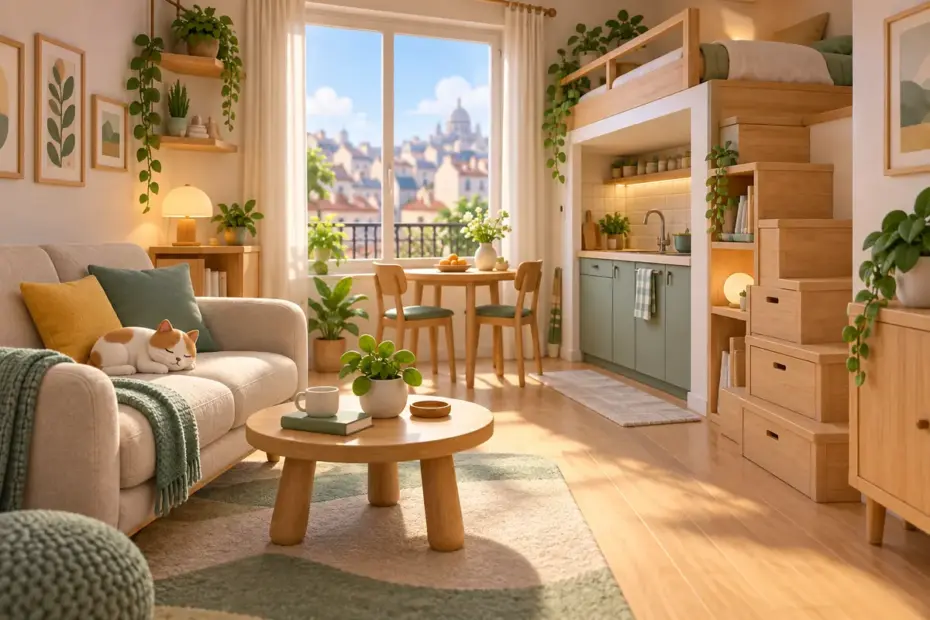
Adjectives for furniture describe specific qualities, features, or impressions, with choices such as compact, large, bulky. Select a word that matches the detail you want readers to notice, then add a concrete context. The most useful description explains something observable or meaningful rather than stacking several vague compliments together.
At a glance
- Choose an adjective for a specific property rather than general praise.
- Context determines whether a descriptive word fits.
- An adjective can appear before a noun or after a linking verb.
- One precise modifier often works better than several overlapping words.
- A common mistake is writing a furniture or several furnitures in ordinary English.
Adjectives for furniture: words by purpose
| Category | Descriptive words | Example sentence |
|---|---|---|
| Size | compact, large, bulky | Compact furniture fitted the small room. |
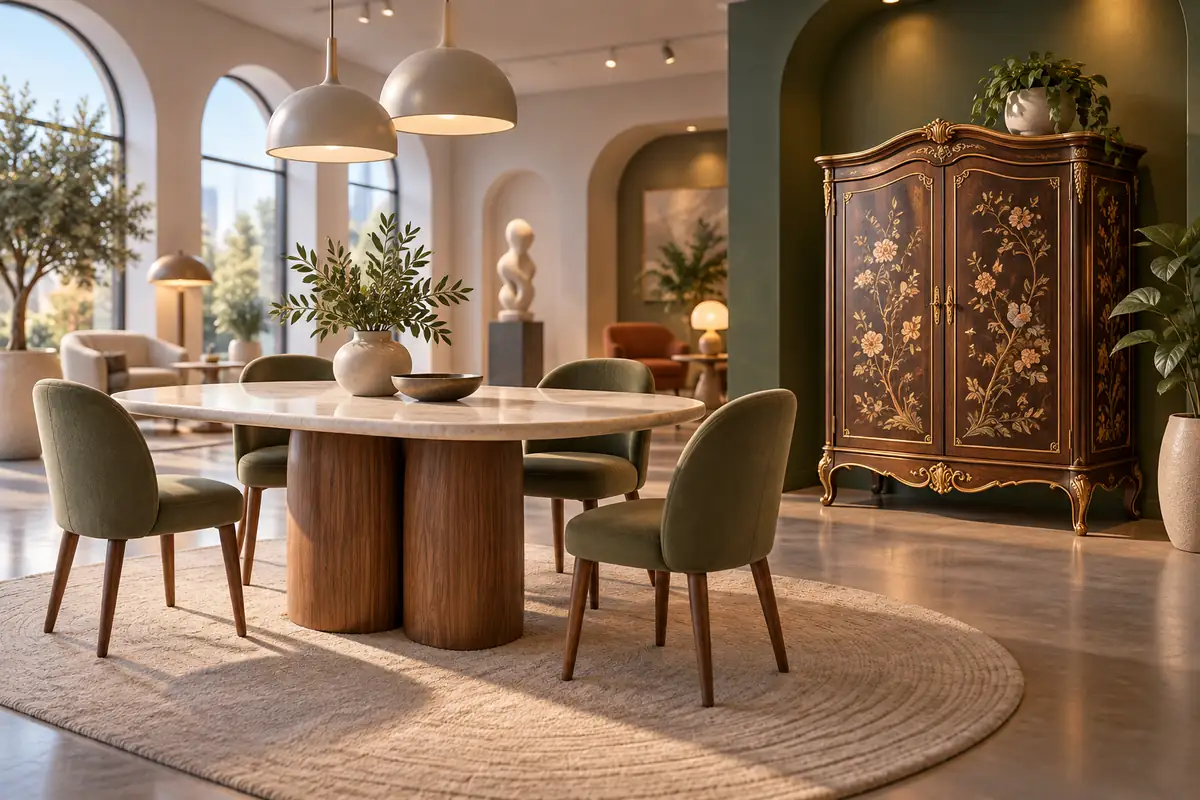
| Style | modern, traditional, ornate | The modern furniture had simple lines. |
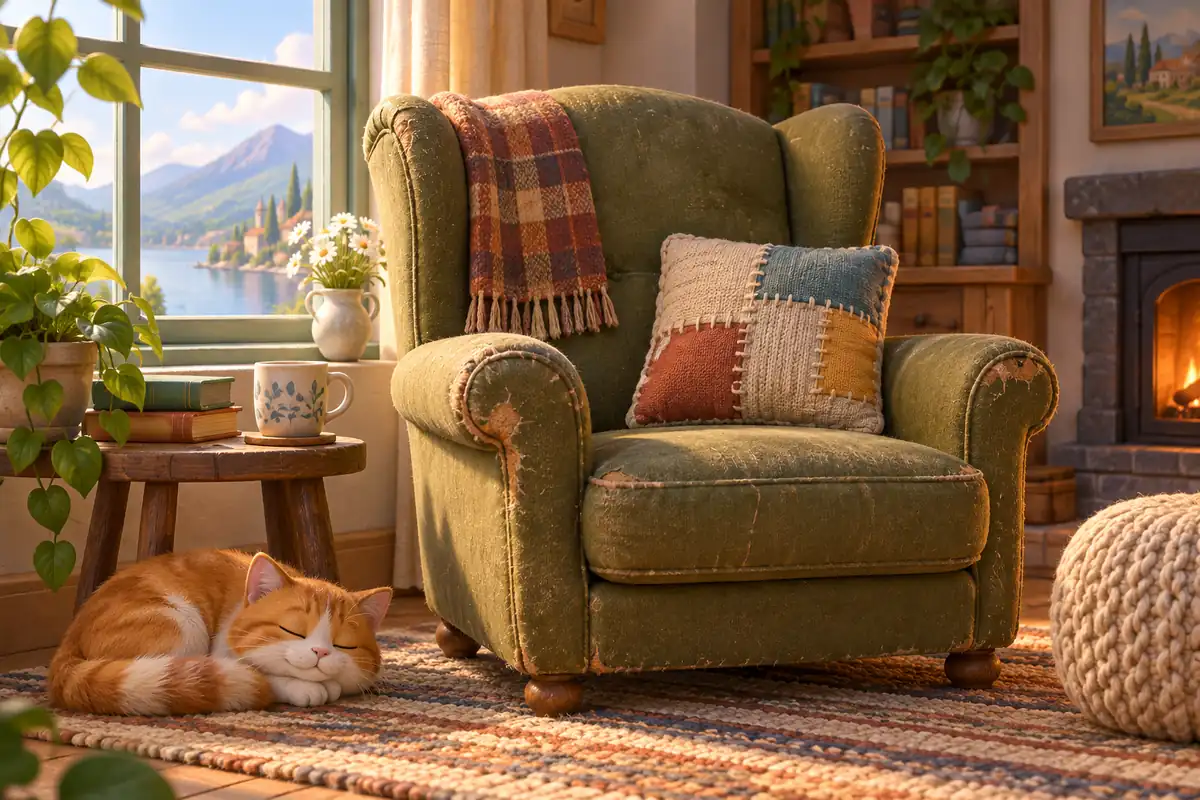
| Condition | worn, polished, damaged | Worn furniture stood near the window. |
| Function | comfortable, practical, sturdy | The sturdy furniture supported everyday use. |
| Material | wooden, metal, upholstered | Wooden furniture warmed the appearance of the room. |
Which adjectives identify physical features?
Compact and bulky describe size or visual mass, while wooden and upholstered concern materials or construction. A small chair can be bulky in appearance, and a large table can have a light frame. Name the feature actually being described instead of assuming one size adjective explains weight, comfort, and capacity.
How do style and condition differ?
Modern and traditional describe style; worn and polished describe condition or finish. An antique cabinet can be polished, while a modern chair can be damaged. Keep those categories separate when writing a product description so the reader does not mistake a style label for evidence of age or quality.
Is furniture countable?
Furniture is normally uncountable in standard English: “some furniture” rather than “a furniture.” Use a piece of furniture for a single item and pieces of furniture for several. An adjective does not change that grammar. Name the item directly, such as chair or table, when a countable noun is more useful.
How do you write a clear example?
- Identify the property or impression the reader needs to understand.
- Choose an adjective from the relevant category.
- Add one action, feature, or context that supports the description.
- Remove modifiers that repeat the same meaning without adding information.
For example, “Compact furniture fitted the small room.” connects the adjective to a specific subject. A stronger revision adds a relevant detail about why the description fits. Avoid treating a vivid word as proof of a factual claim; in reporting, the observation or evidence should support the adjective rather than the adjective substituting for evidence.
Sources and usage notes
The Cambridge Dictionary: furniture establishes the central noun or subject meaning. The grouped words and example sentences are a writing reference rather than a universal description. Choose terms for the individual scene, object, or experience, and check any specialized claim against an appropriate factual source.
Frequently asked questions
Can adjectives follow a linking verb?
Yes. An adjective can follow a linking verb such as is, seems, or feels when the subject and description fit together naturally. The same word may also appear directly before a noun. Check the complete sentence, because changing its position can affect emphasis even when both constructions are grammatical.
How many adjectives should I use together?
Use enough adjectives to identify distinct details, often one or two in a short sentence. Several near-synonyms can blur the description and slow the reader. If more detail matters, add an action or explanatory clause instead of a long string of modifiers that all express the same impression.
What is a common mistake in these descriptions?
A common mistake is writing a furniture or several furnitures in ordinary English. Furniture is normally uncountable, so use a piece of furniture or name the item directly. Also distinguish style from condition: modern does not automatically mean new, and antique does not automatically describe an object’s physical state.
How can I make the description more precise?
Connect the adjective to a visible feature, an action, a stated context, or a relevant measurement. Replace vague praise with the property that actually matters to the reader. A description becomes more informative when the supporting detail explains the word, rather than leaving the reader to infer an unspecified reason.
When it comes to furniture, finding the right words to describe it can make all the difference. Whether you’re an interior designer, a furniture enthusiast, or simply looking to spruce up your living space, having a variety of adjectives at your disposal can help you convey your vision with precision. In this article, I’ll be sharing a collection of adjectives that can be used to describe furniture, along with examples to illustrate their usage. From sleek and modern to rustic and cozy, these words will help you paint a vivid picture of your desired aesthetic. So, let’s dive in and explore the world of adjectives for furniture!
How to Describe furniture? – Different Scenarios
When it comes to describing furniture, it’s important to use the right adjectives to paint a vivid picture. The right words can help convey the desired aesthetic and style. In this section, I will explore different scenarios and provide examples of adjectives that can be used to describe furniture in those situations.
- Modern Furniture:
- Vintage Furniture:
- Rustic Furniture:
- Luxurious Furniture:
- Industrial Furniture:
- Cozy Furniture:
These adjectives provide a starting point for describing furniture in different scenarios. By using these words, you can create a clear and precise image of the desired aesthetic. Remember to consider the overall style and ambiance of the space when choosing adjectives to describe furniture.
To summarize, describing furniture effectively involves selecting the right adjectives to convey the desired style and aesthetic. By using adjectives that are specific to different scenarios, you can create a clear image of the intended look and feel of the furniture.
Describing Words for furniture in English
When it comes to describing furniture, choosing the right adjectives can make all the difference in creating a clear image and conveying a specific aesthetic. Whether you’re trying to describe furniture in a modern, vintage, rustic, luxurious, industrial, or cozy style, there are certain words that can help you capture the essence of your desired ambiance. In this section, I will provide you with a variety of adjectives to describe furniture in different scenarios.
Modern Furniture:
If you’re looking to describe modern furniture, you’ll want to choose adjectives that highlight sleekness, simplicity, and clean lines. Here are some examples:
- Minimalistic
- Contemporary
- Sleek
- Futuristic
- Streamlined
Vintage Furniture:
To describe vintage furniture, it’s important to use adjectives that evoke nostalgia, charm, and a sense of timelessness. Consider using these descriptive words:
- Retro
- Antique
- Classic
- Timeless
- Rustic
Rustic Furniture:
When it comes to rustic furniture, you’ll want to use adjectives that bring to mind a warm, cozy, and natural atmosphere. Take a look at these words:
- Weathered
- Distressed
- Cozy
- Country
- Handcrafted
Luxurious Furniture:
To describe luxurious furniture, it’s important to focus on elegance, opulence, and high-quality craftsmanship. Here are some adjectives that convey a sense of luxury:
- Lavish
- Sumptuous
- Grandiose
- Ornate
- Plush
Industrial Furniture:
To describe industrial furniture, you’ll want to use adjectives that highlight raw materials, minimalism, and a modern urban aesthetic. Consider these words:
- Edgy
- Raw
- Urban
- Minimalist
- Reclaimed
Cozy Furniture:
When it comes to cozy furniture, you’ll want to choose adjectives that create a warm, inviting, and comfortable atmosphere. Take a look at these descriptive words:
- Soft
- Snug
- Comfy
- Inviting
- Warm
Remember, when describing furniture, it’s important to consider the overall style and ambiance of the space. By utilizing the appropriate adjectives, you can effectively convey the desired aesthetic and create a visual image for your readers.
Adjectives for furniture
When it comes to describing furniture, using the right adjectives can make all the difference. Whether you want to create a cozy atmosphere or achieve a modern aesthetic, choosing the appropriate words can help convey your desired style. Let’s explore positive and negative adjectives commonly used to describe furniture, along with example sentences.
Positive Adjectives for Furniture
Positive adjectives can highlight the appealing qualities of furniture and create a positive perception. Here are twelve examples of positive adjectives and how they can be used:
| Adjective | Example Sentence |
|---|---|
| Elegant | The dining table has an elegant design. |
| Comfortable | The sofa is incredibly comfortable for lounging. |
| Stylish | The modern chair adds a stylish touch to the room. |
| Functional | The desk has various compartments, making it highly functional. |
| Spacious | The wardrobe provides ample storage space for clothes. |
| Durable | The coffee table is made of durable oak wood. |
| Versatile | The modular bookshelf is versatile and can be arranged in multiple ways. |
| Cozy | The plush armchair creates a cozy reading nook. |
| Charming | The vintage sideboard has a charming, rustic look. |
| Sleek | The glass coffee table has a sleek and minimalist design. |
| Luxurious | The velvet curtains give the room a touch of luxury. |
| Timeless | The antique dresser has a timeless appeal. |
Negative Adjectives for Furniture
On the other hand, negative adjectives can express undesirable qualities or characteristics of furniture. Here are five examples of negative adjectives and how they can be used:
| Adjective | Example Sentence |
|---|---|
| Wobbly | The chair feels wobbly and unstable. |
| Scratched | The wooden table has noticeable scratches on its surface. |
| Faded | The fabric on the couch has faded over time. |
| Flimsy | The plastic nightstand feels flimsy and cheap. |
| Cluttered | The room looks cluttered with the oversized furniture. |
By using these adjectives, you can effectively describe furniture in a way that conveys the desired ambiance and style. Remember to consider the overall aesthetic of the space when choosing the right words.
Synonyms and Antonyms with Example Sentences
Synonyms for Furniture
When it comes to describing furniture, it’s important to have a wide variety of adjectives to choose from. Here are some synonyms for furniture that can help you convey the right aesthetic and style:
- Elegant: This sofa adds an elegant touch to the living room.
- Comfortable: The plush cushions make this chair incredibly comfortable.
- Stylish: The sleek design of this coffee table makes it a stylish addition to any room.
- Functional: This desk offers plenty of storage space and is highly functional.
- Spacious: The spacious wardrobe provides ample room for all your clothes.
- Durable: Invest in this sturdy dining table for long-lasting durability.
- Versatile: The modular design of this bookshelf allows for versatile configurations.
- Cozy: Curl up on this cozy armchair with a good book.
- Charming: The antique dresser adds a charming touch to the bedroom.
- Sleek: The sleek lines of this console table create a modern look.
- Luxurious: Treat yourself to this luxurious velvet sofa for a touch of opulence.
- Timeless: The classic design of this sideboard never goes out of style.
Antonyms for Furniture
It’s also important to consider the negative qualities of furniture when describing it. Here are some antonyms that can be used to express undesirable qualities:
- Wobbly: Be cautious of this wobbly chair that might not provide stability.
- Scratched: The scratched surface of this table needs some refinishing.
- Faded: Avoid this faded sofa that has lost its vibrant color over time.
- Flimsy: Watch out for this flimsy dresser that may not hold up to daily use.
- Cluttered: The cluttered design of this desk can make it difficult to stay organized.
Remember to consider the overall aesthetic and style of the space when using these adjectives to describe furniture.
Conclusion
Describing furniture with the right adjectives is crucial for creating a specific aesthetic and conveying the desired atmosphere in a space. Throughout this article, we have explored a variety of positive adjectives that can be used to describe furniture, such as elegant, comfortable, stylish, and functional. These adjectives highlight the desirable qualities that furniture can possess, enhancing the overall appeal of a room.
On the other hand, we have also examined negative adjectives that express undesirable qualities, such as wobbly, scratched, faded, and flimsy. These adjectives serve as a warning to avoid furniture with such characteristics, ensuring that we make informed choices when purchasing or describing items.
It is important to consider the overall aesthetic of a space when selecting adjectives to describe furniture. By doing so, we can create a cohesive and harmonious environment that reflects our personal style and preferences.
By expanding our vocabulary with synonyms and antonyms for furniture, we can further enhance our ability to describe and articulate the qualities of different pieces. This not only allows us to better communicate our design vision but also helps us appreciate and understand the nuances of furniture.
Using the right adjectives to describe furniture is an essential skill for anyone interested in interior design or simply looking to create a visually pleasing and comfortable living space. With the examples and insights provided in this article, you are now equipped to confidently describe furniture and make informed choices that align with your design goals.


