How to Choose Precise Adjectives for a Journey
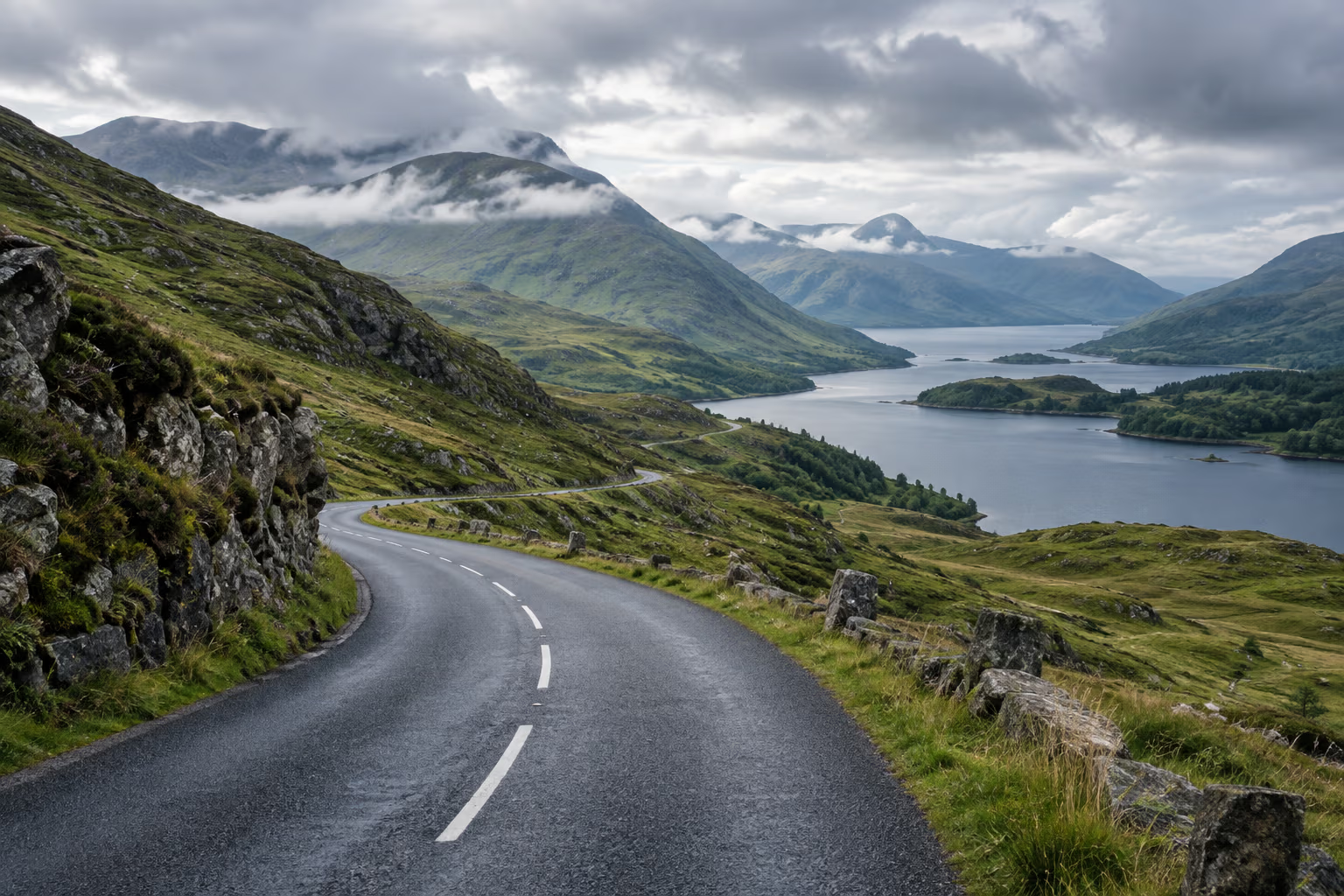
A strong description tells readers what made a journey distinctive. Was the route steep, the pace unhurried, the train crowded, or the experience transformative? These words describe different things: route, pace, travel conditions, and personal meaning. Choose the detail you want to foreground, then add a concrete observation that supports it.
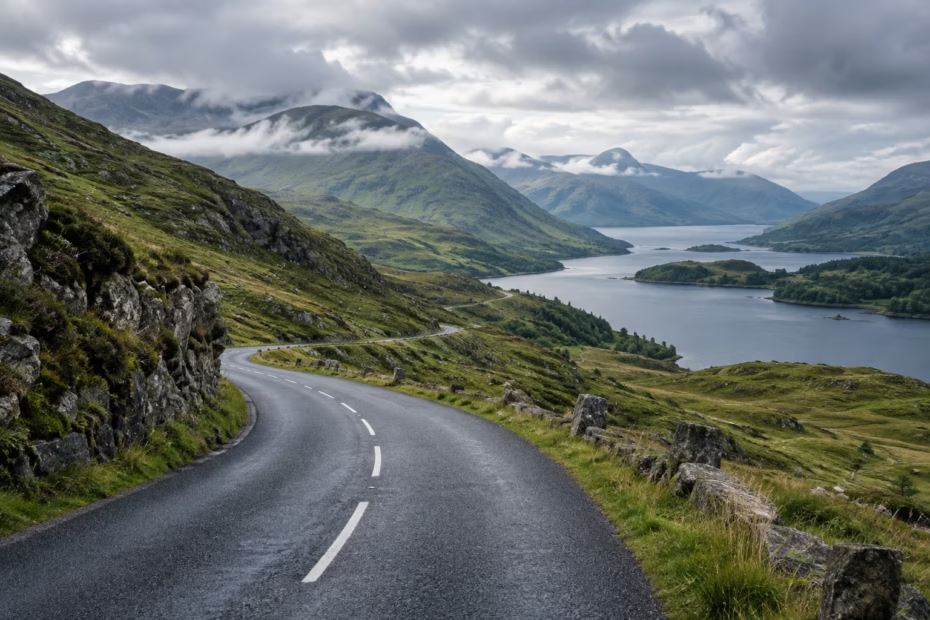
“The journey was amazing” gives a general reaction. “The winding coastal road offered broad sea views, though its final stretch was foggy” gives readers a route, a view, and a condition. A few specific adjectives usually do more work than a long string of near-synonyms.
Journey Adjectives by What They Describe
“Journey” can mean travel from one place to another, especially over distance, or a long process of change and development. The Oxford Learner’s Dictionaries entry for journey gives both senses and notes common pairings such as long, marathon, and short. Start by deciding whether you mean a physical trip or a figurative process.
Length, pace, and route
- Brief — lasting a short time: “A brief ferry journey connected the two islands.”
- Lengthy — taking a long time: “The lengthy bus journey crossed three provinces.”
- Winding — following a route with many bends: “A winding lane carried us through the hills.”
- Direct — following the most straightforward route: “The direct train journey avoided a transfer.”
- Roundabout — taking a less direct path: “Road repairs turned the trip into a roundabout journey.”
- Unhurried — proceeding without haste: “We took an unhurried journey, stopping at small towns along the way.”
Effort and travel conditions
- Arduous — requiring sustained effort: “The steep, rocky route made the final part arduous.”
- Demanding — requiring considerable attention or energy: “Changing trains twice made the journey demanding with heavy bags.”
- Comfortable — physically pleasant or convenient: “The spacious seats made the overnight journey comfortable.”
- Crowded — containing many people in limited space: “Our crowded commute slowed at every station.”
- Uneventful — proceeding without notable incidents: “Despite the rain, the drive was uneventful.”
- Disrupted — interrupted or changed from its plan: “A signal problem left the rail journey disrupted for an hour.”
Scenery, atmosphere, and feeling
- Scenic — offering attractive views: “The scenic coastal journey passed cliffs and quiet coves.”
- Picturesque — visually charming or pleasing: “Our route wound through picturesque villages.”
- Foggy — obscured by fog: “The foggy crossing hid the far shore from view.”
- Peaceful — calm and free from disturbance: “The early-morning walk was peaceful before the town awoke.”
- Exhilarating — producing excitement and energy: “The fast descent by bicycle felt exhilarating.”
- Disorienting — making it difficult to understand one’s surroundings: “The maze of unfamiliar streets made our first evening disorienting.”
- Memorable — worth remembering: “A sudden view of the valley made the detour memorable.”
Positive, Challenging, and Neutral Words
An adjective’s effect depends on context. Remote may suggest solitude or inconvenience; long can be welcome on a leisurely voyage and exhausting during a delayed commute. These examples show the usual emphasis, but the surrounding sentence matters.
| Adjective | Typical emphasis | Example |
|---|---|---|
| Rewarding | A satisfying result or experience | The demanding hike was rewarding once we reached the overlook. |
| Restorative | A chance to recover energy or perspective | A restorative weekend journey gave us time to slow down. |
| Unforgettable | An unusually lasting impression | The first view of the mountains made the journey unforgettable. |
| Exhausting | Severe tiredness | Repeated delays turned the overnight trip into an exhausting one. |
| Frustrating | Annoyance caused by obstacles | Unclear signs made the otherwise short journey frustrating. |
| Uncertain | An unclear outcome or plan | With the trail temporarily closed, the next part of our journey was uncertain. |
| Routine | Ordinary or repeated activity | Her routine commute became familiar after a few weeks. |
| Remote | Far from populated places | The remote route had little phone coverage, so we checked the map beforehand. |
When describing a challenging journey, name the cause rather than relying only on a judgment: “The journey was exhausting because the night bus stopped every hour” is more informative than “It was terrible.” This also keeps the description fair when readers may experience the same route differently.
Adjectives for a Personal or Figurative Journey
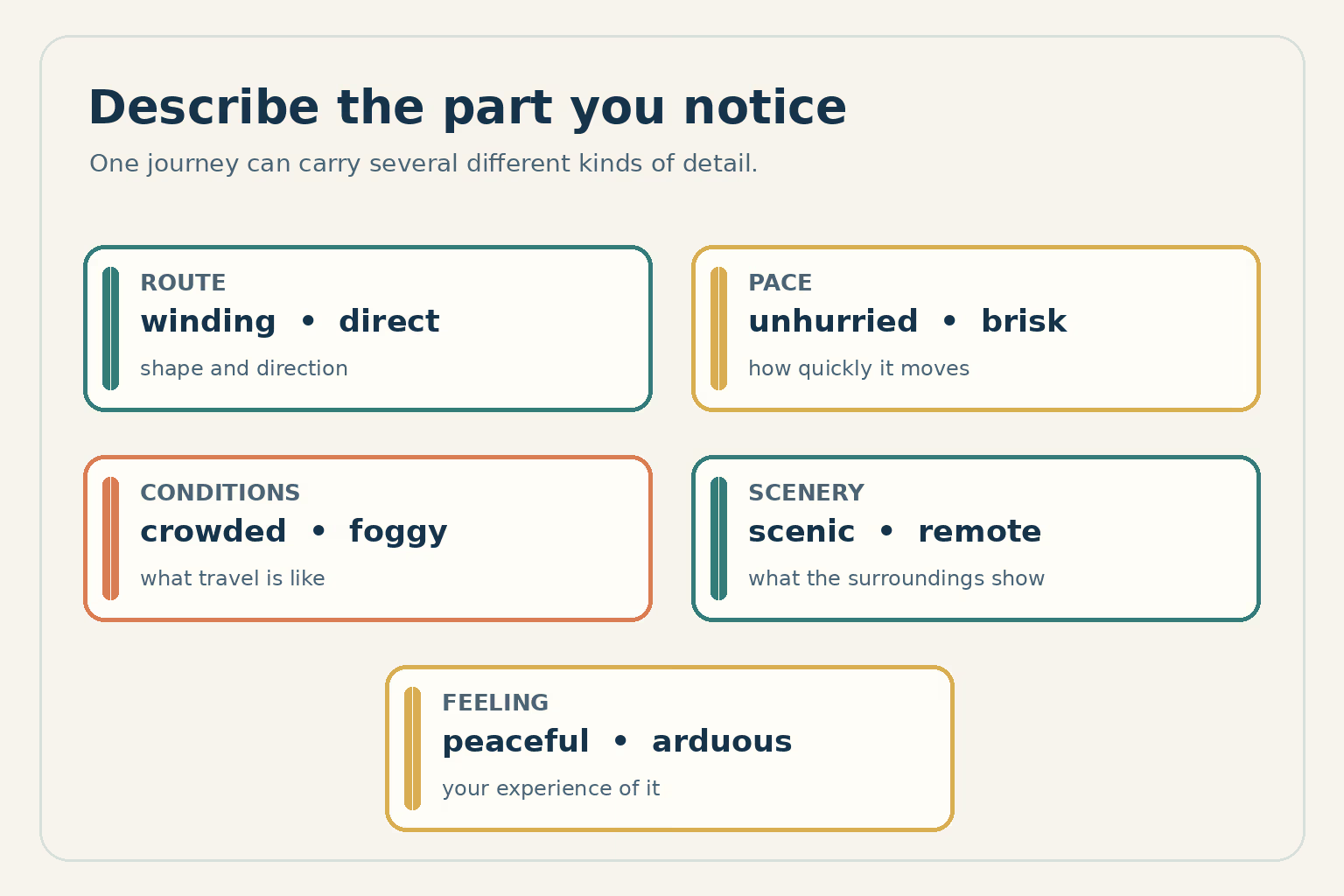
A journey can also describe a process of learning, recovery, creative work, or change. In this figurative sense, choose words that explain the stages or the person’s experience—not words that imply every process follows the same path.
- Gradual — developing over time: “Learning to read music was a gradual journey of practice.”
- Unpredictable — changing in ways that are difficult to anticipate: “Her career journey was unpredictable, with several unexpected turns.”
- Personal — shaped by an individual’s own experience: “The memoir follows a personal journey toward greater independence.”
- Collaborative — involving people working together: “The community project became a collaborative journey for its volunteers.”
- Transformative — producing a substantial change: “The course was a transformative journey that changed how he approached research.”
- Ongoing — continuing rather than finished: “Building confidence is an ongoing journey, not a single milestone.”
- Challenging — involving difficulty: “Returning to study after years away was challenging but manageable with support.”
- Meaningful — important or significant to the person: “Keeping a journal made the process a meaningful journey of reflection.”
How to Describe a Journey in a Sentence
Build a sentence by combining a type of journey with one or two precise modifiers, then add the evidence: route, pace, conditions, or result. These patterns can help:
- Adjective + route: “The winding forest road narrowed beside a fast-moving stream.”
- Condition + reaction: “The delayed, crowded commute left us tired before work began.”
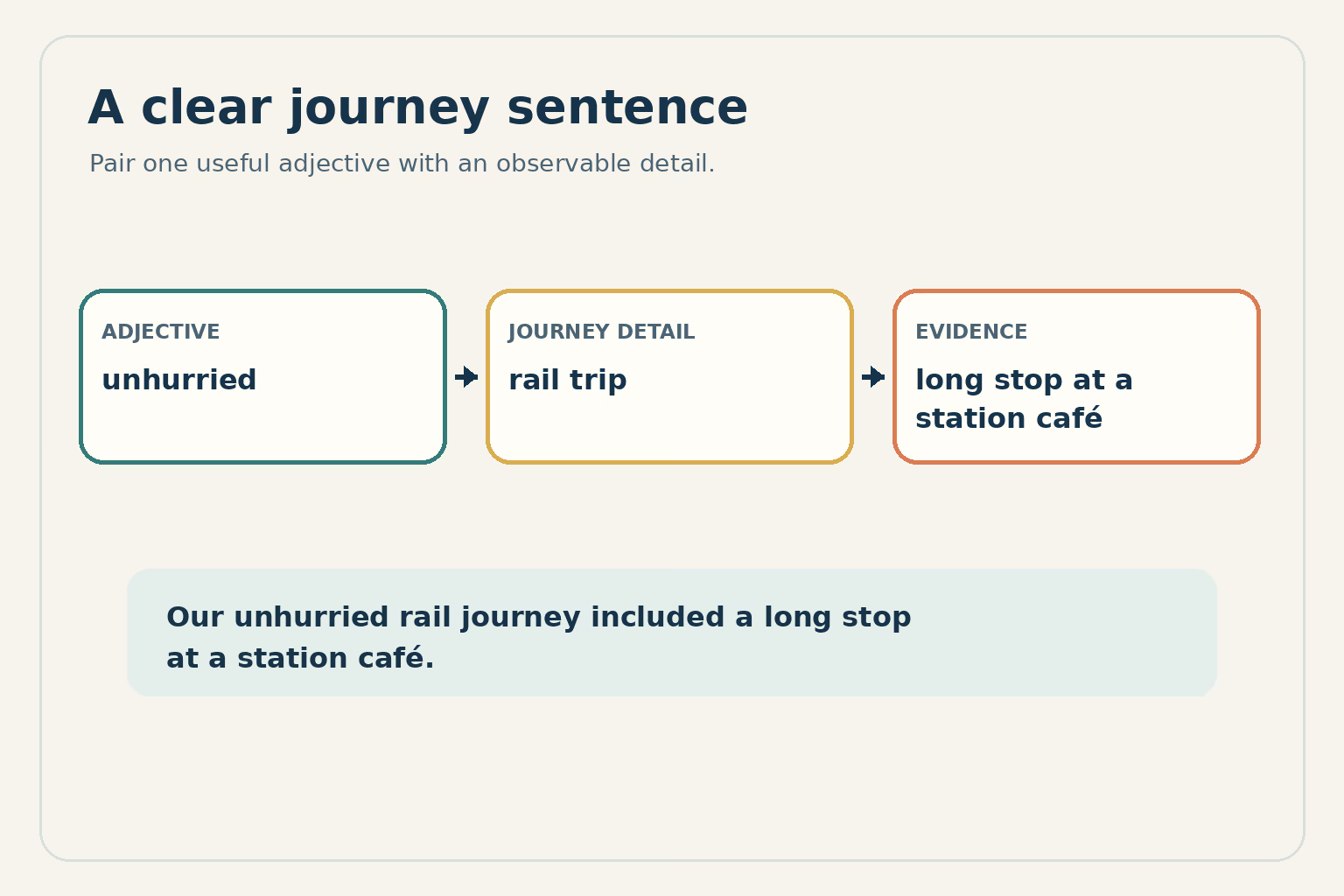
- Pace + detail: “Our unhurried rail journey included a long stop at a station café.”
- Process + change: “Her gradual language-learning journey became easier as daily practice turned into habit.”
Try not to stack adjectives that repeat the same idea. “Long, lengthy, extended journey” is redundant; “long, tiring journey” combines duration and effect. Likewise, scenic describes the views, while comfortable describes the experience of traveling, so both can add distinct information.
Journey, Trip, Voyage, and Expedition
These nouns overlap, but they do not always mean the same thing. Oxford’s usage note says a trip often involves going somewhere and returning, while a journey often emphasizes travel between places, especially over a longer distance or a difficult route. A voyage commonly refers to travel by sea or through space; an expedition suggests an organized trip with a particular purpose, such as exploration or research. These are tendencies, not rules: round-the-world trip and space journey are both natural phrases. See the dictionary’s examples before choosing a synonym for a specific sentence.
For adjective choice, match the noun and the detail: a marathon journey emphasizes duration, a research expedition names its purpose, and a return trip specifies direction. Avoid calling an ordinary outing an expedition unless the organized or exploratory sense fits.
Frequently Asked Questions
What are good adjectives to describe a journey?
Useful choices include scenic, winding, unhurried, arduous, comfortable, memorable, and disrupted. Select a word that describes a real feature of the route or experience, then give an example detail.
How can I describe a long journey without repeating “long”?
Choose a more specific word when it fits: lengthy emphasizes duration, marathon suggests exceptional length or effort, and overnight tells readers when the travel happens. You can also state the measurable detail, such as “a seven-hour train journey.”
Can “journey” describe personal growth?
Yes. The word can refer to a long process of change or development as well as travel between places. Adjectives such as gradual, personal, challenging, or transformative can fit when they accurately reflect the process.
What is the difference between a journey and a trip?
They overlap. A trip often means travel to a place and back, while journey often highlights the travel itself, particularly when it is long or difficult. Usage varies by region and context, so follow established collocations for the sentence you are writing.
How many adjectives should I use?
There is no fixed number, but one or two distinct adjectives are often enough. Add a specific noun or observation—such as a steep climb, a delayed connection, or a quiet shoreline—instead of piling up words with similar meanings.
Sources: Oxford Learner’s Dictionaries: “journey”; Cambridge Dictionary: “journey”. Oxford supports the travel and figurative senses and usage distinctions discussed above; Cambridge provides an additional learner-dictionary definition and examples.

Are you ready to embark on a journey through the world of adjectives? Join me as we explore the power of words and delve into the realm of describing words for journeys. From the thrilling to the serene, the mundane to the extraordinary, adjectives have the ability to paint vivid pictures and evoke emotions. In this article, I’ll introduce you to a variety of adjectives that will help you bring your travel experiences to life. So, strap in and get ready to discover the perfect words to describe your next adventure.
As we navigate the vast landscape of adjectives, we’ll uncover words that capture the essence of different types of journeys. Whether you’re embarking on a wild expedition through untamed wilderness or embarking on a soul-searching pilgrimage, the right adjectives can transport your readers to the heart of the experience. From the breathtaking vistas of a mountain trek to the bustling streets of a vibrant city, we’ll explore how adjectives can add depth and richness to your travel narratives. So, let’s dive in and uncover the descriptive gems that will elevate your storytelling to new heights.
Journeys are more than just physical travels; they are transformative experiences that shape our lives. And with the right adjectives, we can convey the essence of these journeys and take our readers along for the ride. In this article, I’ll share examples and insights into the world of adjectives for journeys, helping you find the perfect words to describe the sights, sounds, and emotions that accompany every step of the way. So, let’s embark on this linguistic adventure together and unlock the power of descriptive words for journeys.
How to Describe journey? – Different Scenarios
When it comes to describing a journey, it’s important to use the right adjectives to bring the experience to life. Let’s explore different scenarios and the adjectives that would accurately capture each one.
- Adventure: When describing an adventurous journey, you want to highlight the excitement, thrill, and sense of exploration. Adjectives like “thrilling,” “exhilarating,” “daring,” and “wild” can help convey the adrenaline rush and the sense of stepping into the unknown.
- Serenity: For a more peaceful and calming journey, words like “tranquil,” “serene,” “soothing,” and “relaxing” can help create a sense of tranquility. Think of a journey through a peaceful countryside or a serene beach at sunset.
- Transformation: Journeys can often be transformative experiences, where we learn and grow. Adjectives like “life-changing,” “transformative,” “enlightening,” and “inspiring” can capture the profound impact of such journeys on our lives.
- Cultural: If your journey involves immersing yourself in a new culture, you’ll want to use adjectives that highlight the richness and diversity of the experience. Words like “vibrant,” “colorful,” “authentic,” and “enriching” can convey the cultural significance and the depth of your immersion.
- Spiritual: For journeys that touch the soul and delve into spirituality, adjectives like “sacred,” “uplifting,” “soul-stirring,” and “transcendent” can help articulate the profound connection and sense of inner peace experienced through spiritual journeys.
- Epic: For journeys of epic proportions, adjectives like “majestic,” “awe-inspiring,” “grand,” and “monumental” can capture the scale, grandeur, and significance of the adventure. Think of scaling towering mountains or exploring ancient ruins.
In each scenario, it’s important to choose adjectives that best reflect the essence of the journey. By carefully selecting the right words, you can transport your readers to the sights, sounds, and emotions of your journey, making it come alive in their imagination.
Keep in mind that these descriptions are just a starting point. Feel free to explore and experiment with different adjectives to convey your own unique journey.
Describing Words for journey in English
Being able to effectively describe a journey is a valuable skill. The right choice of adjectives can bring a journey to life and paint a vivid picture in the reader’s mind. In this section, I will provide you with a list of adjectives to describe different aspects of a journey, allowing you to enhance your storytelling abilities.
Let’s dive into the world of descriptive words for journeys:
- Adventurous Journeys
- Peaceful and Calming Journeys
- Transformative Journeys
- Cultural Journeys
- Spiritual Journeys
- Journeys of Epic Proportions
Feel free to mix and match these adjectives to create descriptions that accurately capture the essence of your journeys. Remember, variety is key to keeping your prose engaging and captivating. Experiment with different adjectives to add depth and richness to your storytelling.
By using descriptive words effectively, you can transport your readers to far-off places, evoke emotions, and create lasting impressions. So go ahead and let these adjectives guide your journey descriptions!
Keep exploring, keep experimenting, and keep expanding your vocabulary. The possibilities are limitless!
And now, onto the next section of this article, where we will explore the importance of storytelling in journey descriptions.
Adjectives for journey
When it comes to describing a journey, the right choice of adjectives can make all the difference. They have the power to transport readers to a different time and place, evoke emotions, and create a vivid picture in their minds. In this section, I’ll provide you with a range of positive and negative adjectives that can be used to effectively describe different aspects of a journey.
Positive Adjectives for Journey
Positive adjectives can capture the excitement, beauty, and joy of a journey. They can paint a picture of adventure, discovery, and awe. Here are some examples of positive adjectives that can bring your descriptions to life:
| Adjective | Definition | Example Sentence |
|---|---|---|
| Breathtaking | Astonishingly beautiful or awe-inspiring | The view from the mountaintop was breathtaking. |
| Enchanting | Charming or delightful in a way that captures attention | The small, enchanting village was like stepping into a fairytale. |
| Exhilarating | Making one feel energetic, stimulated, or thrilled | The roller coaster ride was exhilarating, filled with twists and turns. |
| Majestic | Having grandeur or dignity | The majestic castle stood proudly on top of the hill. |
| Serene | Calm, peaceful, and untroubled | I closed my eyes, taking in the serene sounds of the ocean waves. |
Negative Adjectives for Journey
While journeys can be exciting and fulfilling, there are also moments of challenge, fear, and disappointment. Negative adjectives can help convey these experiences and add contrast to your descriptions. Here are a few negative adjectives that can be used to describe different aspects of a journey:
| Adjective | Definition | Example Sentence |
|---|---|---|
| Arduous | Difficult, requiring a lot of effort | The hike up the steep mountain was arduous and tested my endurance. |
| Disappointing | Failing to meet expectations | The long-awaited concert turned out to be disappointing with poor sound quality. |
| Frustrating | Causing feelings of annoyance or dissatisfaction | The constant delays and cancellations made the journey frustrating. |
| Intimidating | Making one feel frightened or overwhelmed | The sheer size of the city was intimidating to navigate, even with a map. |
| Tiring | Causing fatigue or exhaustion | The tiring train ride left me longing for a good night’s sleep. |
Synonyms and Antonyms with Example Sentences
Synonyms for journey
When it comes to finding the right words to describe a journey, it’s important to have a diverse vocabulary. Here are some synonyms for the word “journey” along with example sentences:
| Synonym | Example Sentence |
|---|---|
| Trip | I recently took a trip to the beach with my family. |
| Excursion | We went on an exciting excursion to the zoo. |
| Adventure | Exploring the jungle was an amazing adventure. |
| Voyage | The sailors embarked on a long voyage across the ocean. |
| Expedition | Our scientific expedition deep into the forest was filled with discoveries. |
| Odyssey | He embarked on a personal odyssey to find himself. |
Using these synonyms helps to add variety and depth to your journey descriptions.
Antonyms for journey
In addition to synonyms, it’s also helpful to have antonyms to create contrast in your descriptions. Here are some antonyms for the word “journey” along with example sentences:
| Antonym | Example Sentence |
|---|---|
| Stagnation | Instead of a journey, my life felt like a period of stagnation. |
| Stay | I decided to stay home instead of going on a journey. |
| Pause | Taking a pause from my constant travels allowed me to reflect and recharge. |
| Inactivity | His inactivity contrasted with the adventurous spirit of my journey. |
| Stillness | The stillness of the countryside was a stark contrast to the bustling city. |
By incorporating antonyms into your writing, you can effectively highlight the different aspects and emotions associated with a journey.
Remember to choose words that best capture the essence of your journey. Combining positive and negative adjectives can create engaging and captivating descriptions. Let your creativity shine and tell your story with vivid and impactful language.
Conclusion
Describing a journey is an art, and adjectives play a crucial role in capturing the essence of our experiences. Throughout this article, I have explored various types of journeys and provided examples of adjectives that can accurately depict each one.
From adventurous journeys filled with excitement and thrill, to peaceful and calming journeys that offer solace and tranquility, we have seen how the right choice of adjectives can transport readers to different worlds. Transformative journeys that change us from within, cultural journeys that immerse us in new traditions and customs, spiritual journeys that awaken our souls, and journeys of epic proportions that leave us in awe – each one can be vividly described with the right words.
I have also highlighted the importance of using synonyms and antonyms for the word “journey” to add variety and depth to our descriptions. By combining positive and negative adjectives, we can create engaging and captivating narratives that truly reflect our experiences.
So, as you embark on your own journey, remember to let your creativity shine and choose adjectives that paint a vivid picture. Captivate your readers with impactful language and tell your story in a way that is uniquely yours.
Happy writing and may your journeys be filled with beautiful words!


