Adjectives for Jungle: Precise Words and Examples
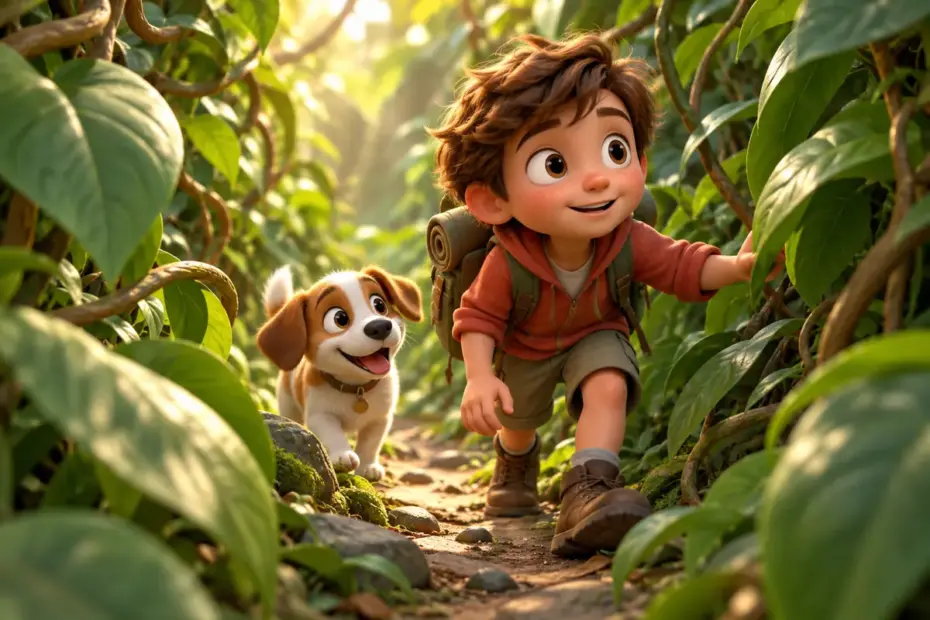
Adjectives for jungle include dense, lush, humid, tangled, shadowy, and noisy, depending on the detail you want to describe. Dense describes vegetation, humid describes air, and shadowy describes light. Choose words that fit the observed feature rather than assuming every jungle is dangerous, unexplored, or equally wet throughout the year.
Key facts at a glance
- Dense and tangled describe vegetation and obstacles.
- Humid describes moisture in the air, not rainfall at a particular moment.
- Shadowy describes limited light beneath vegetation.
- Remote describes location relative to access or settlements.
- Jungle is a broad ordinary word, not a precise label for every tropical ecosystem.
Which adjectives for jungle fit each feature?
| Adjective | Feature | Example |
|---|---|---|
| dense | Vegetation | Dense jungle lined the narrow trail. |
| lush | Abundant green growth | Lush foliage covered the riverbank. |
| humid | Air moisture | The humid air felt heavy after the shower. |
| tangled | Interwoven growth | Tangled vines crossed the path. |
| shadowy | Light | A shadowy clearing lay beneath the canopy. |
| noisy | Sound | The noisy jungle filled with calls at dusk. |
| remote | Accessibility | The remote jungle lay beyond the last village. |
| verdant | Green appearance | Verdant hills surrounded the camp. |
How do you describe a jungle without exaggeration?
Name the visible or audible detail before choosing the modifier. “Tangled vines blocked the path” explains the obstacle more precisely than “a terrifying jungle.” A word such as dangerous needs a concrete reason, such as a flooded crossing, rather than a stereotype about the whole setting.
The dictionary entry for jungle includes dense tropical vegetation and figurative complexity. In environmental writing, use a more specific habitat term when you know it. Jungle, rainforest, and tropical forest are related ordinary descriptions, but they do not always identify the same ecological category.
What are natural example sentences?
- A dense jungle surrounded the old footbridge.
- The tangled undergrowth hid the trail.
- Humid air hung over the quiet river.
- Sunlight touched a small clearing in the shadowy jungle.
- The remote forest required a long journey by boat.
Which words need extra context?
Untamed and wild can express a narrator’s impression, but they do not establish that a place has never been managed or inhabited. Avoid unexplored unless the claim is supported. A landscape may be unfamiliar to a visitor while well known to local communities.
Choose quiet or noisy for the specific moment. Dense vegetation can be quiet at one time and filled with animal calls at another. Lush describes the appearance of growth; humid describes air, so one cannot automatically substitute for the other.
How can you revise a vague description?
- Identify whether the sentence describes vegetation, light, sound, weather, or access.
- Choose one adjective that names that feature.
- Add the concrete observation supporting it.
- Remove an adjective that merely repeats the same impression.
“The lush, verdant, green jungle” repeats color and growth. “Tangled vines crossed the shadowy trail” contributes two different details: an obstacle and a light condition.
Frequently asked questions
Is lush the same as humid?
Lush and humid describe different features. Lush usually describes abundant, vigorous vegetation, while humid describes moisture in the air. “Lush plants grew beside the humid clearing” combines the two without treating them as synonyms. Choose the word that matches the detail the sentence actually observes.
Can I call a jungle mysterious?
Mysterious can describe a narrator’s impression, but it does not identify a measurable feature of the landscape. Explain what creates that impression: unfamiliar sounds, concealed paths, or shapes beyond the light. Use the word cautiously when writing factual geography, where specific observations serve readers better than atmosphere alone.
What is a simple adjective for a classroom example?
Dense is a useful classroom adjective because it can describe plants growing closely together. “Dense jungle lined the path” gives a concrete example without needing a dramatic judgment. Ask learners to compare dense with sparse, then explain how changing the adjective changes the scene they imagine.
How many adjectives should I use together?
Use as many adjectives as contribute separate useful details, usually one or two in a short sentence. “Dense, shadowy jungle” describes vegetation and light. Adding lush, verdant, and green may repeat one idea. Read the sentence aloud and remove modifiers that do not improve the reader’s understanding.
Welcome to my article on adjectives for the jungle! As an avid explorer and nature enthusiast, I have spent countless hours immersed in the lush greenery and captivating wildlife of the jungle. In this article, I’ll be sharing with you a collection of descriptive words that perfectly capture the essence of this enchanting ecosystem.
The jungle, with its dense foliage and teeming biodiversity, is a world unto itself. It’s a place where every step brings new discoveries and every breath is filled with the intoxicating scent of earth and vegetation. From the towering trees to the elusive creatures that call it home, the jungle is a symphony of sights, sounds, and sensations.
How to Describe jungle? – Different Scenarios
When it comes to describing the jungle, there are various scenarios that can help paint a vivid picture in the minds of readers. I’ll provide some examples of how to describe the jungle in different contexts, allowing readers to visualize its beauty and wonder.

- Describing the Jungle during the Day:
During the day, the jungle is a vibrant and bustling ecosystem. The following adjectives can be used to describe the jungle in this scenario:
- Lush: The jungle is filled with thick and abundant foliage.
- Green: The dominant color of the jungle is a rich, deep shade of green.
- Noisy: The jungle is alive with the sounds of chirping birds, buzzing insects, and rustling leaves.
- Exotic: The jungle is home to a myriad of unique and diverse plant and animal species.
- Describing the Jungle at Night:
When darkness falls, the jungle transforms into a mysterious and captivating place. Use these adjectives to describe the jungle at night:
- Enchanting: In the glow of the moon, the jungle takes on a magical quality.
- Eerie: The rustling of leaves and hooting of nocturnal creatures create an air of mystery.
- Primal: The sounds of howling monkeys and distant roars remind us of the untamed nature of the jungle.
- Starlit: The jungle becomes a canvas for the sparkling stars, creating a breathtaking scene.
- Describing the Sights and Sounds of the Jungle:
The jungle is a sensory experience like no other. Here are some adjectives to describe the sights and sounds of the jungle:
- Dense: The dense vegetation creates a lush and layered landscape.
- Vibrant: The jungle is bursting with colors, from the dazzling plumage of tropical birds to the vibrant hues of flowers.
- Roar: The deep roar of a tiger or the thunderous crash of a waterfall can be heard echoing through the jungle.
- Mystical: The ethereal beauty of the jungle creates a sense of wonder and awe.
By using these adjectives in your descriptions, you can transport your readers to the captivating world of the jungle.
Describing Words for jungle in English

When it comes to describing a jungle, there are countless adjectives that can capture the essence of this vibrant and captivating environment. Here are some words that can help you vividly portray the jungle in English:
- Lush: The jungle is known for its dense vegetation and abundant greenery. It’s a place where the plants and trees thrive, creating a lush and vibrant landscape.
- Mysterious: The jungle holds an air of mystery and intrigue. It’s a place where you can easily get lost among the tall trees and winding paths, creating an atmosphere of anticipation and discovery.
- Wild: The jungle is a truly untamed wilderness. It’s home to a wide variety of animals and insects, making it a place where the wild and unpredictable nature of the world thrives.
- Exotic: The jungle is a treasure trove of unique and exotic flora and fauna. With its colorful birds, rare flowers, and unusual creatures, it’s a place that’s unlike any other.
- Dense: The jungle is incredibly dense, with its thick foliage and closely packed trees. It’s a place where sunlight struggles to penetrate, creating a dark and mysterious ambiance.
- Noisy: The jungle is a cacophony of sounds. From the echoing calls of monkeys to the chirping of insects and the rustling of leaves, it’s a place where the symphony of nature never ceases.
- Humid: The jungle is known for its high humidity levels. The air is thick and heavy, making it a place where you can almost feel the moisture clinging to your skin.
- Majestic: The jungle is a place of grandeur and majesty. With its towering trees and majestic waterfalls, it’s a place that inspires awe and reverence.
- Dangerous: The jungle can be a dangerous place, with its hidden dangers and lurking predators. It’s a habitat where caution is necessary, highlighting the raw and unpredictable nature of the wild.
- Enchanting: The jungle has an enchanting quality that captivates the senses. From the vibrant colors of the flowers to the intoxicating scents of the plants, it’s a place that enchants and captivates all who visit.
Adjectives for jungle

Positive Adjectives for Jungle with 12 Example Sentences
When it comes to describing the jungle, there are countless positive adjectives that come to mind. These words beautifully capture the essence and allure of this incredible ecosystem. Let’s explore some of the adjectives that paint a positive picture of the jungle:
- Lush: The jungle is teeming with vibrant and lush vegetation.
- Mysterious: The jungle holds an air of mystery and intrigue, with hidden wonders waiting to be discovered.
- Wild: The jungle is a wild, untamed paradise, abundant with life.
- Exotic: The jungle boasts an exotic array of flora and fauna, found nowhere else on earth.
- Dense: The jungle is densely populated with trees, creating a lush canopy overhead.
- Noisy: The jungle resounds with the calls of birds, insects, and other creatures, creating a symphony of sound.
- Humid: The jungle is a hot and humid environment, with moisture lingering in the air.
- Majestic: The jungle reigns in all its majestic glory, with towering trees and breathtaking landscapes.
- Dangerous: While beautiful, the jungle can also be unforgiving and dangerous if one is not careful.
- Enchanting: The jungle casts a spell on any who venture into its depths, with its enchanting beauty.
- Adventurous: The jungle offers endless opportunities for exciting and daring adventures.
- Alive: The jungle is a living, breathing organism, pulsating with energy and vitality.
Negative Adjectives for Jungle with 5 Example Sentences
While the jungle is undoubtedly awe-inspiring, there are also certain aspects that can be described using negative adjectives. It’s important to acknowledge and respect the challenges that come with navigating this environment. Here are some negative adjectives that highlight the more daunting aspects of the jungle:
- Overwhelming: The jungle can be overwhelming due to its sheer size and complexity.
- Inhospitable: The jungle’s harsh conditions make it inhospitable for many creatures and humans alike.
- Inaccessible: The dense vegetation and treacherous terrain make some parts of the jungle completely inaccessible.
- Tangled: The jungle is characterized by a tangled web of trees, vines, and undergrowth, making movement difficult.
- Foreboding: The dense shadows and unknown dangers lurking in the jungle can create a foreboding atmosphere.
In conclusion (last paragraph of the section), the jungle is a remarkable place filled with a tapestry of emotions and experiences. From the positive adjectives that describe its beauty and charm to the negative adjectives that acknowledge the challenges it poses, the jungle remains an awe-inspiring wonder of nature. By carefully selecting the right adjectives, we can transport readers into the captivating world of the jungle.
Synonyms and Antonyms with Example Sentences

Synonyms for jungle
When describing a jungle, there are several synonyms you can use to add variety and depth to your writing. Here are some examples:
| Synonym | Definition | Example Sentence |
|---|---|---|
| Forest | A large area covered with trees and undergrowth | The jungle was so dense, it resembled a magnificent, untamed forest. |
| Thicket | A dense growth of shrubs or small trees | The explorers had to navigate through a thicket of tangled vegetation. |
| Wilderness | An uncultivated, uninhabited, and wild area | In the heart of the jungle, they discovered a vast and untamed wilderness. |
| Rainforest | A dense forest with high annual rainfall | The Amazon rainforest is home to countless species of plants and animals. |
| Woodland | An area covered in trees, smaller than a forest | The jungle transformed into a peaceful woodland as the sun started to set. |
Antonyms for jungle
If you want to contrast the jungle with a different kind of environment, here are some antonyms that you can use:
| Antonym | Definition | Example Sentence |
|---|---|---|
| Clearing | An open space in a forest or dense vegetation | They stumbled upon a small clearing in the jungle, providing a respite from the thick foliage. |
| Meadow | A field covered in grass and flowers | The jungle abruptly ended, giving way to a beautiful meadow bathed in sunlight. |
| Desert | A barren, arid, and sparsely populated area | The jungle was a stark contrast to the desolate desert they had just traversed. |
| Tundra | A vast, treeless, and frozen landscape | The explorer longed for the warmth of the jungle after weeks in the harsh tundra. |
| Savanna | A grassy plain with scattered trees and shrubs | They emerged from the jungle and found themselves in the expansive African savanna. |
Incorporating these synonyms and antonyms into your descriptions will help paint a more vivid picture of the jungle and create a more engaging reading experience.
Conclusion
By exploring various adjectives to describe the jungle, we have uncovered a plethora of options that can transform our descriptions from ordinary to extraordinary. From the dense forest to the lush rainforest, the jungle comes alive with vibrant imagery. On the other hand, the contrasting antonyms like clearing and meadow provide a stark contrast, adding depth and diversity to our writing.
Incorporating these adjectives into our descriptions allows us to paint a vivid picture in the reader’s mind, immersing them in the untamed beauty of the jungle. Whether we are writing a captivating story or crafting an informative piece, these adjectives serve as powerful tools to engage and captivate our audience.
So, the next time you find yourself in need of describing the jungle, remember to explore the vast array of adjectives at your disposal. By carefully selecting the right words, you can transport your readers into the heart of the jungle, allowing them to experience its sights, sounds, and sensations firsthand.
Unlock the full potential of your writing by harnessing the power of adjectives and watch as your descriptions of the jungle come alive on the page. Happy writing!


