Adjectives for Kitten: Words and Examples
Adjectives for kitten can describe appearance, movement, or an observed mood: fluffy, tiny, gray, playful, sleepy, and curious suit different scenes. “A sleepy gray kitten” combines a visible state and color, while “a playful kitten” describes behavior. Avoid using a brief observation to infer health, permanent temperament, or suitability as a pet.
Key facts at a glance
- Appearance: Fluffy, short-haired, gray, striped.
- Size: Tiny, small.
- Observed activity: Playful, curious, cautious.
- Momentary state: Sleepy, alert, quiet.
How do you choose the right descriptive word?
Choose the feature of kitten you want to describe before choosing an adjective. A word for appearance, behavior, or atmosphere may communicate a different kind of claim. Merriam-Webster: kitten supplies the relevant reference meaning.
Behavior adjectives need context: sleepy and playful can describe different moments of the same animal’s day. Cute is an opinion, and friendly is not established by appearance alone. Language examples should not be mistaken for an assessment of an animal’s health or a recommendation about care.
Adjectives for kitten: grouped examples
| Choice or pattern | Meaning or use | Example |
|---|---|---|
| Appearance | Fluffy, short-haired, gray, striped | A fluffy gray kitten rested nearby. |
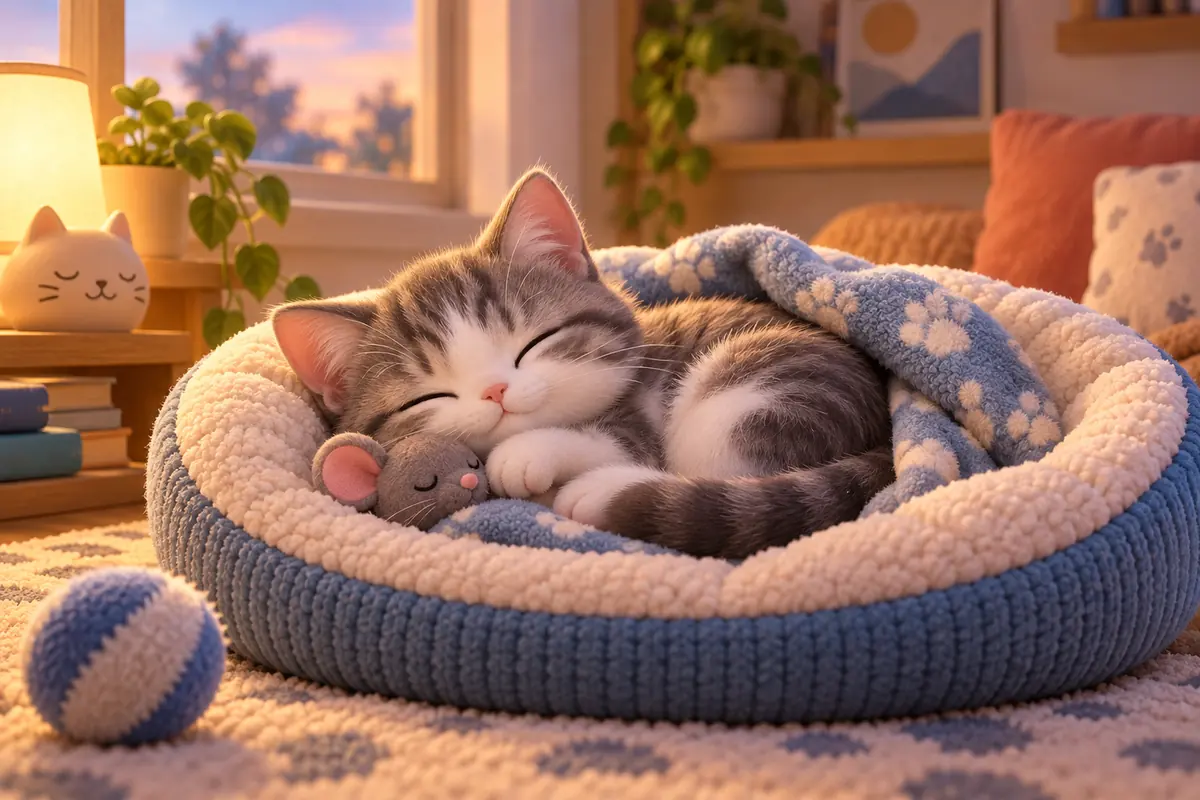
| Size | Tiny, small | The small kitten fit in the bed. |
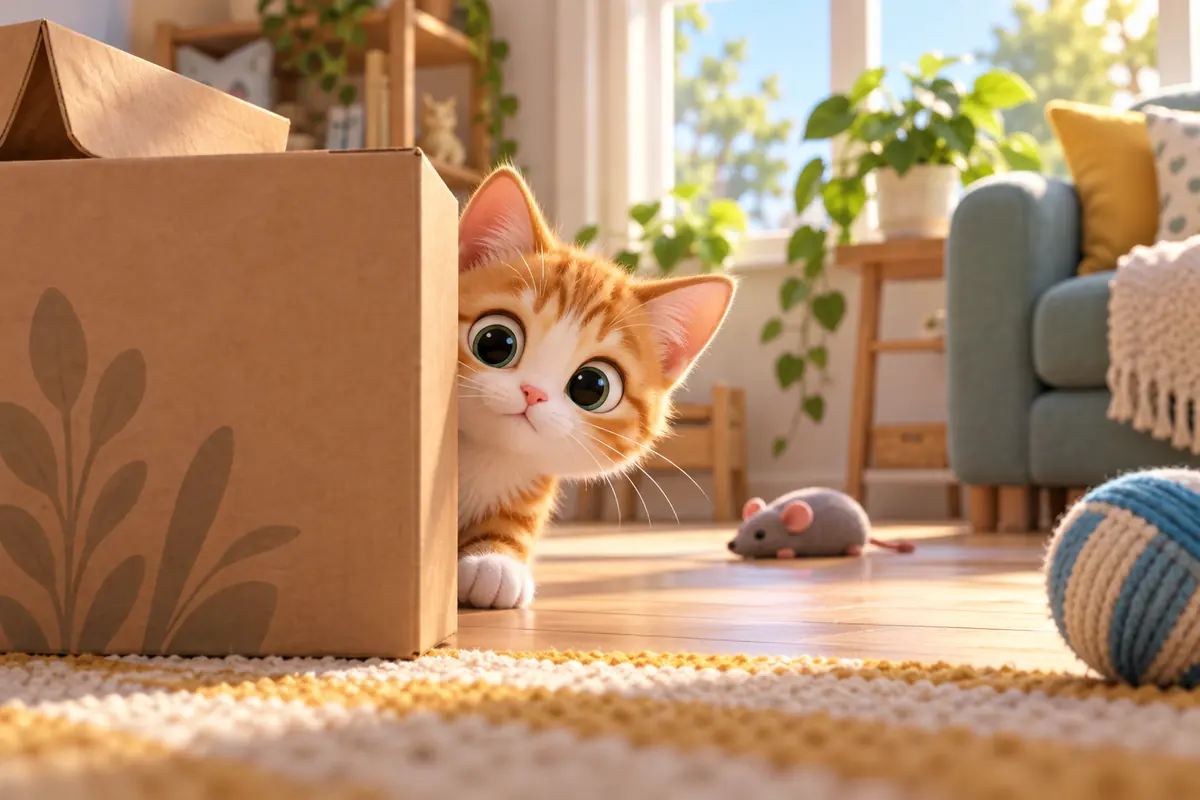
| Observed activity | Playful, curious, cautious | The curious kitten approached the box. |
| Momentary state | Sleepy, alert, quiet | The sleepy kitten rested after play. |
Example sentences for different contexts
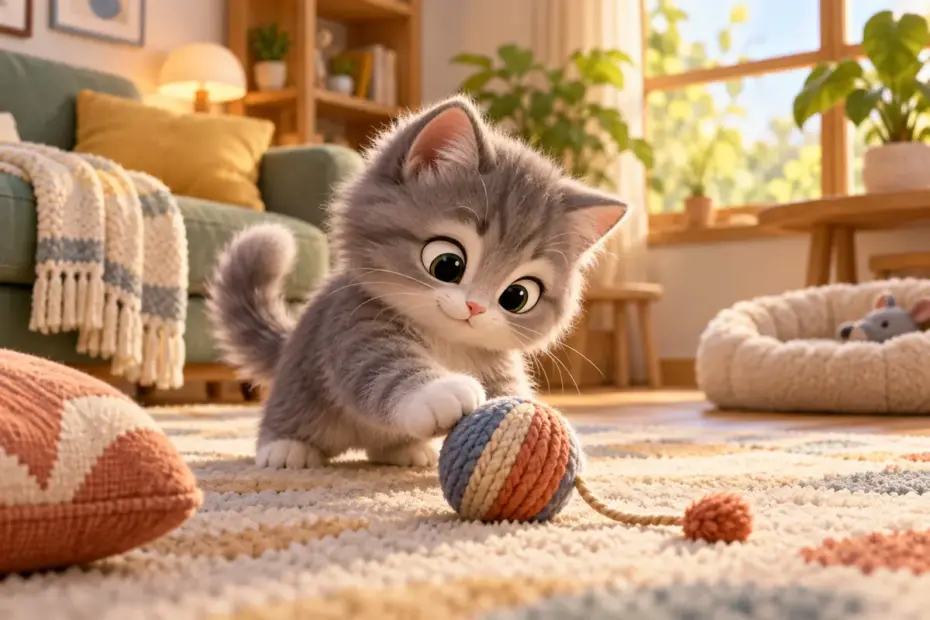
- The fluffy kitten curled up on the rug.
- A curious kitten peered inside the box.
- The sleepy gray kitten rested in its bed.
- A playful kitten chased the soft toy.
- The cautious kitten paused near the doorway.
- A quiet kitten watched from the corner.
Each sentence pairs a descriptive word with a specific subject or situation. Use the example as a grammatical model rather than assuming the description applies to every member of the category. A narrower observation is often more accurate than a sweeping description.
How do you keep the description precise?
Behavior adjectives need context: sleepy and playful can describe different moments of the same animal’s day. Cute is an opinion, and friendly is not established by appearance alone. Language examples should not be mistaken for an assessment of an animal’s health or a recommendation about care.
- Name the particular subject and context.
- Decide which attribute matters to your reader.
- Select an adjective supported by observation or reliable information.
- Add one detail explaining the word choice.
- Remove modifiers that merely repeat the same judgment.
Two adjectives work well when they add different information. Several words that all mean pleasing or impressive usually repeat praise instead. If the adjective implies a measurable feature or an emotional state, use evidence appropriate to that claim rather than inferring it from appearance alone.
Putting the examples into practice
Use adjectives for kitten with attention to meaning, context, and grammatical role. Choose an example that matches the idea you want to express, then replace its details with accurate information about your own subject.
Frequently asked questions
Can a kitten be playful and sleepy?
Yes. Playful and sleepy can describe different moments or aspects of the same kitten’s behavior. A kitten may play actively and rest afterward. Specify the scene when needed, such as a playful morning or a sleepy pause after activity, rather than treating a temporary state as a permanent contradiction in temperament.
Is cute an objective adjective?
Cute expresses an observer’s impression rather than a measurable feature. It is natural in affectionate writing, but fluffy, gray, striped, or small may provide more concrete information. If the reader needs identification rather than praise, combine observed appearance details and leave the personal judgment separate from those descriptive facts.
Does a quiet kitten have a calm temperament?
A quiet moment alone does not establish a permanent temperament or health condition. The animal may be resting, observing, or responding to its surroundings. For a descriptive sentence, name the behavior you can see rather than making a broad assessment. Persistent concerns about an animal require appropriate care advice rather than vocabulary labels.
How do I avoid repeating praise?
Choose adjectives from different dimensions, such as color and observed behavior. “A playful gray kitten” provides more distinct information than cute, adorable, and lovely in one phrase. A concrete action can add even more, as in “The gray kitten peered into the box,” where the sentence shows behavior instead of stacking opinions.
When it comes to kittens, there’s no denying their irresistible charm. These tiny bundles of fur bring joy and warmth to our lives. But have you ever wondered how to describe these adorable creatures? In this article, I’ll be sharing a list of adjectives that perfectly capture the essence of a kitten, along with examples to help you visualize their cuteness. So whether you’re a cat lover or simply curious about feline companions, get ready to explore the world of descriptive words for kittens.
From fluffy to playful, there’s a wide range of adjectives that can be used to describe kittens. These words not only paint a vivid picture of their appearance and personality but also evoke a sense of awe and wonder. Imagine a tiny kitten with its round, twinkling eyes and soft, velvety fur. It’s hard to resist the urge to cuddle and shower them with affection. With the help of these adjectives, you’ll be able to capture the essence of a kitten’s charm and share it with others.
So, without further ado, let’s dive into the enchanting world of adjectives for kittens. Get ready to be captivated by their cuteness and discover the perfect words to describe these adorable creatures.
How to Describe kitten? – Different Scenarios
When it comes to describing kittens, there are various scenarios in which you can use different adjectives. Let’s explore some of these scenarios and the words that can be used to paint a vivid picture of these adorable furballs.
1. Appearance
When describing the appearance of kittens, you can use adjectives to capture their physical attributes. Here are some examples:
- Fluffy: Their soft, delicate fur adds to their charm.
- Tiny: These little furballs are irresistibly small.
- Cute: With their round faces and innocent eyes, kittens are undeniably cute.
- Playful: Kittens are known for their energetic and lively nature.
- Colorful: From sleek black to calico patterns, kittens come in a variety of mesmerizing colors.
2. Personality
Kittens also have unique personalities that can be described using adjectives that highlight their temperament. Here are a few examples:
- Mischievous: Kittens have a knack for getting into playful trouble.
- Curious: Their inquisitive nature leads them to explore their surroundings.
- Affectionate: Kittens are known to be loving and cuddly companions.
- Adventurous: They fearlessly embark on new adventures, always curious to discover the world around them.
- Energetic: Kittens have boundless energy, bouncing around and keeping their owners entertained.
3. Interactions
Describing the interactions of kittens can also add depth to your description. Consider using adjectives like:
- Playful: Kittens love to engage in games and fun activities.
- Gentle: They can exhibit tenderness and delicacy in their play.
- Inquisitive: Kittens are always eager to interact and investigate their surroundings.
- Vocal: Their adorable meows and purrs can express a range of emotions.
- Friendly: Kittens often enjoy socializing and making new friends.
Remember, the choice of words depends on the context and your artistic interpretation of these charming creatures. Whether it’s their appearance, personality, or interactions, using the right adjectives will help convey the magic of kittens to others.
Now that we’ve explored various scenarios for describing kittens, it’s time to dive deeper into an extensive list of descriptive words. Stay tuned for our next section, where we’ll provide you with an extensive collection of adjectives to capture the essence of these adorable creatures.
Describing Words for kitten in English
When it comes to describing kittens, there is a wide range of adjectives we can use to paint a vivid picture of these adorable furballs. Whether you’re a preschool teacher looking to teach kids about kittens or simply a cat lover wanting to express their appreciation, here are some descriptive words that capture the essence of these playful creatures:
- Cuddly: Kittens are known for their soft and cuddly nature. They love to be held and cherished, making them the perfect snuggle buddies.
- Furry: With their fluffy coats, kittens are undeniably furry. Running your fingers through their velvety fur is sure to bring a sense of comfort.
- Playful: kittens are full of energy and love to play. They are always bounding around, chasing after toys with their tails wagging.
- Curious: Kittens have an insatiable curiosity. They are constantly exploring their surroundings, eager to discover new things with wide-eyed wonder.
- Mischievous: It’s hard to resist a giggle when you see a kitten getting into a playful mischief. They love to pounce, climb, and bat at things with their tiny paws.
- Inquisitive: Kittens have a natural inquisitiveness. Their keen senses make them observant, always on the lookout for anything that catches their attention.
- Adventurous: Kittens are fearless explorers. They are always seeking adventures, whether it’s climbing trees or leaping over obstacles.
- Gentle: Despite their playful nature, kittens can also be gentle. They have a knack for snuggling close and giving gentle nuzzles that melt your heart.
- Purrfect: Kittens are simply purrfect. From their fuzzy paws to their adorable meows, everything about them exudes cuteness.
- Joyful: Kittens bring joy into our lives. Their playful antics and affectionate nature never fail to put a smile on our faces.
Remember, the choice of words to describe kittens can depend on the context. These adjectives provide a starting point, but feel free to mix and match them to fully capture the magic of these delightful creatures. Let’s continue exploring more descriptive words for kittens in the upcoming sections of this article.
Adjectives for kitten
Positive Adjectives for Kittens with 12 Example Sentences
When it comes to describing kittens, there are plenty of positive adjectives that capture their charm and lovable nature. Here are some examples of adjectives to describe kittens in a positive light:
- Cuddly: Kittens are known for their soft and cuddly fur.
- Furry: Their fluffy and furry coats add to their irresistible appeal.
- Playful: Kittens are full of energy and love to play with toys and chase after anything that moves.
- Curious: These little creatures are always exploring their surroundings and ready to investigate new things.
- Mischievous: Kittens have a playful nature that can sometimes get them into a bit of trouble, making them even more endearing.
- Inquisitive: Their curiosity often leads them to carefully inspect every nook and cranny of their environment.
- Adventurous: Kittens are always up for an adventure, whether it’s climbing furniture or pouncing on toys.
- Gentle: Despite their energy, kittens can still be gentle and sweet, especially when they curl up in your lap and purr.
- Purrfect: This playful twist on the word “perfect” perfectly captures their delightful nature.
- Joyful: Kittens bring joy and happiness wherever they go with their playful antics and adorable faces.
- Affectionate: Kittens love to show affection through snuggles, head rubs, and gentle nuzzles.
- Lovable: With their charming personalities and innocence, kittens are undeniably lovable.
Negative Adjectives for Kittens with 5 Example Sentences
While kittens are generally seen in a positive light, there are a few negative adjectives that can be used to describe their less favorable behaviors or appearances. Here are some examples:
- Clumsy: Kittens are still learning to navigate the world, so they can be a bit clumsy at times.
- Unruly: Their playful and spirited nature can sometimes make them a little unruly.
- Scratchy: When kittens are in a particularly playful mood, their claws can get a bit scratchy.
- Demanding: Kittens can be quite demanding when they want attention or playtime.
- Messy: With their curious and explorative nature, kittens can leave a bit of a mess in their wake.
While these negative adjectives are true in certain contexts, it is important to remember that they are just part of the natural growth and development of kittens. Despite their occasional mischief or messiness, they are still adorable and lovable companions.
Remember, the choice of adjectives depends on the context in which you’re describing kittens. Feel free to mix and match these adjectives to fully capture the magic of these delightful creatures.
Synonyms and Antonyms with Example Sentences
Synonyms for kitten
When it comes to describing kittens, there are various synonyms that can help paint a vivid picture of their irresistible charm and adorable nature. Here are some synonyms that you can use to add more depth and variety to your descriptions:
- Feline: These furry creatures are often referred to as felines due to their membership in the cat family. Example sentence: “The feline creature pounced on the toy mouse with enthusiasm.”
- Whiskered: As kittens possess delicate and whiskered faces, this term can help highlight their distinctive facial feature. Example sentence: “I couldn’t resist the charm of the softly whiskered kitten.”
- Paw-some: This playful term combines “paws” and “awesome” to emphasize the cuteness and wonder of kittens. Example sentence: “The kitten’s antics were truly paw-some to witness.”
- Cute: This classic and straightforward synonym captures the sheer adorableness of kittens that is irresistible to many. Example sentence: “I couldn’t help but smile at the cute little kitten snoozing in the sun.”
- Charming: Kittens have an innate ability to captivate us with their charm and irresistible appeal. Example sentence: “The charming kitten instantly won over everyone with its playful antics.”
Antonyms for kitten
To provide a comprehensive description of kittens, it can be helpful to incorporate the opposite or antonyms of certain characteristics. Here are a few antonyms that can portray a different side of kittens:
- Independent: While kittens are often seen as dependent and in need of care, the term “independent” can contrast their behavior. Example sentence: “Unlike most kittens, this one displayed an independent streak.”
- Reserved: Kittens are known for their playful and outgoing nature, but there are moments when they may display more reserved or cautious behavior. Example sentence: “The usually boisterous kitten seemed surprisingly reserved in the presence of a new person.”
- Serious: Kittens are often associated with playfulness and curiosity, but occasionally, they can exhibit a more serious demeanor. Example sentence: “The kitten’s serious expression hinted at a contemplative nature beyond its playful exterior.”
- Distant: Though kittens are typically affectionate and seek human companionship, there may be times when they prefer to keep their distance. Example sentence: “The kitten appeared distant, preferring to observe from afar rather than engage in playful interactions.”
- Mature: While kittens are renowned for their playful and mischievous behavior, the term “mature” can highlight their growth and development. Example sentence: “The kitten’s mature behavior surprised everyone, as if it had suddenly grown wise beyond its years.”
By incorporating both synonyms and antonyms, you can create a well-rounded description of kittens that encompasses their diverse characteristics and behaviors.
Conclusion
In this article, I have explored various adjectives that can be used to describe kittens in different situations. By providing examples of synonyms and antonyms, I have highlighted the diverse range of characteristics and behaviors that kittens possess. From their adorable appearance to their playful and charming personalities, there are numerous words that can capture the essence of these furry creatures.
By incorporating descriptive words such as feline, whiskered, paw-some, cute, and charming, we can paint a vivid picture of kittens and convey their unique qualities. On the other hand, using antonyms like independent, reserved, serious, distant, and mature allows us to showcase the contrasting behaviors that kittens may exhibit.
By using a combination of synonyms and antonyms, we can create a well-rounded description of kittens that encompasses their various traits. Whether you’re writing a story, describing a photo, or simply expressing your love for these adorable creatures, these adjectives will help you bring your words to life.
So, next time you encounter a kitten, remember to choose your words wisely and let their true essence shine through.


