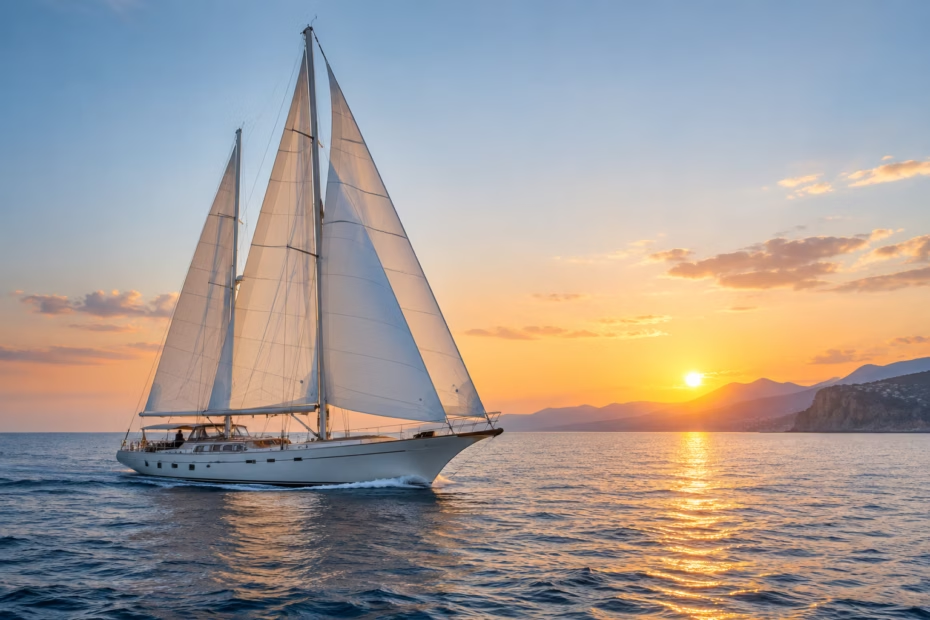
The best adjectives for a ship tell readers something specific: how it looks, what condition it is in, how it moves, or what it carries. A sleek hull describes appearance; a seaworthy vessel describes readiness for a safe sea voyage. Those words are not interchangeable, and a ship can look impressive without being fit to sail.
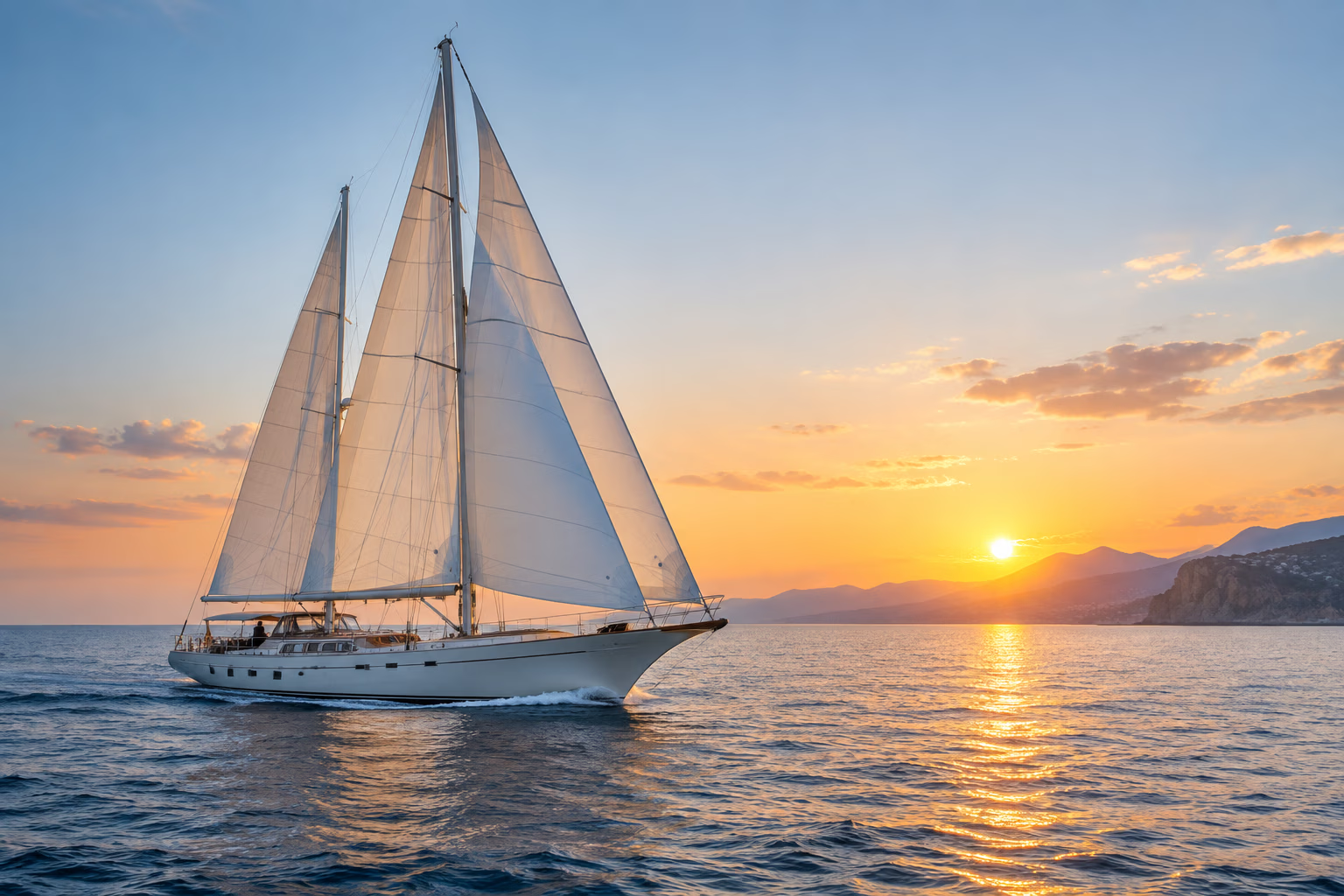
Quick list of descriptive ship adjectives
| Adjective | What it describes | Example |
|---|---|---|
| Sleek | A smooth, streamlined appearance. | “The sleek ferry left a narrow wake.” |
| Stately | An impressive, dignified look or measured movement. | “A stately tall ship crossed the harbor.” |
| Massive | Very great size or bulk. | “A massive container ship towered over the tugboat.” |
| Nimble | Quick and easy to maneuver. | “The nimble research vessel turned between the buoys.” |
| Sturdy | Solidly built or unlikely to break easily. | “The sturdy deck held steady underfoot.” |
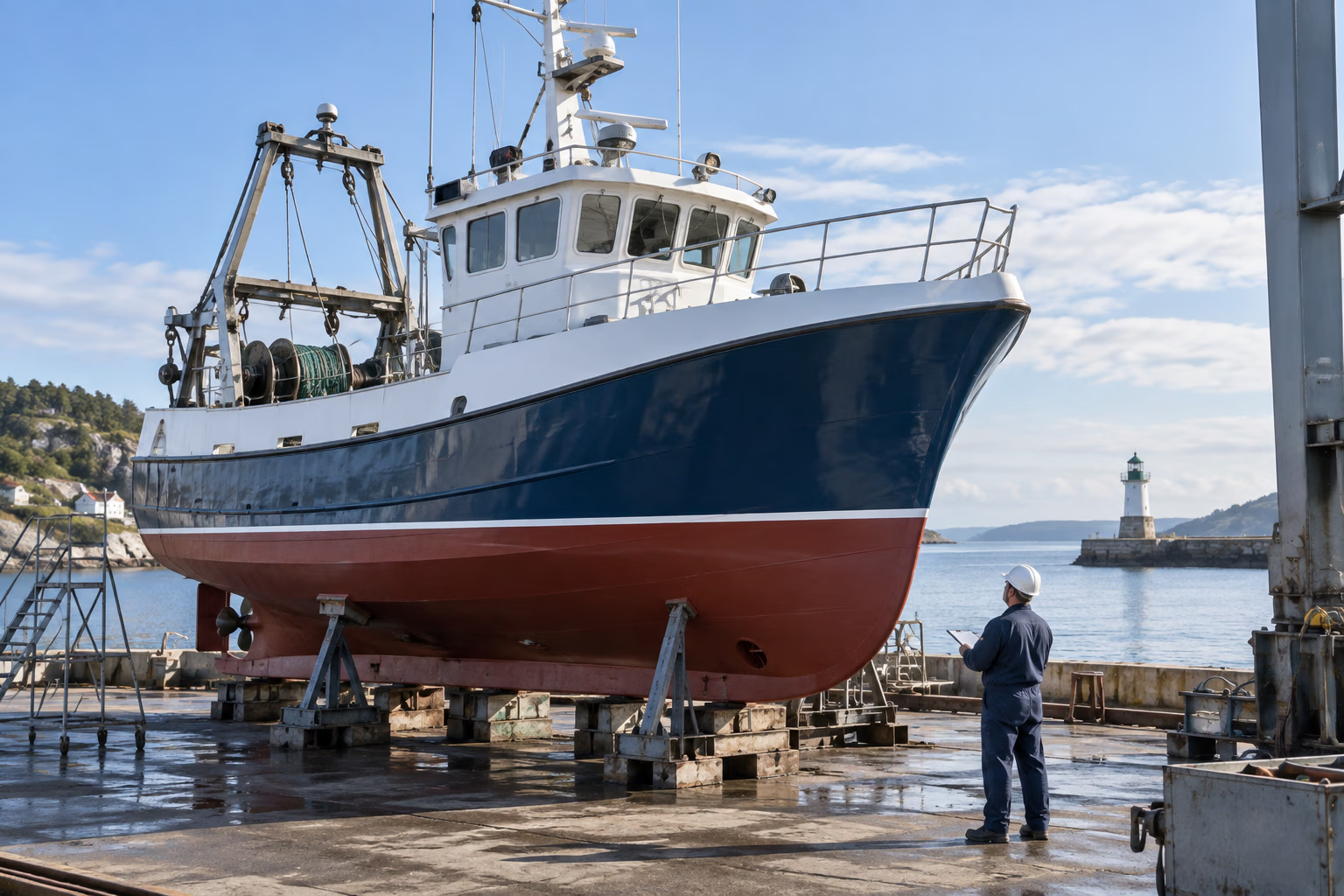
| Seaworthy | In good enough condition to travel safely at sea. | “An inspection confirmed that the vessel was seaworthy.” |
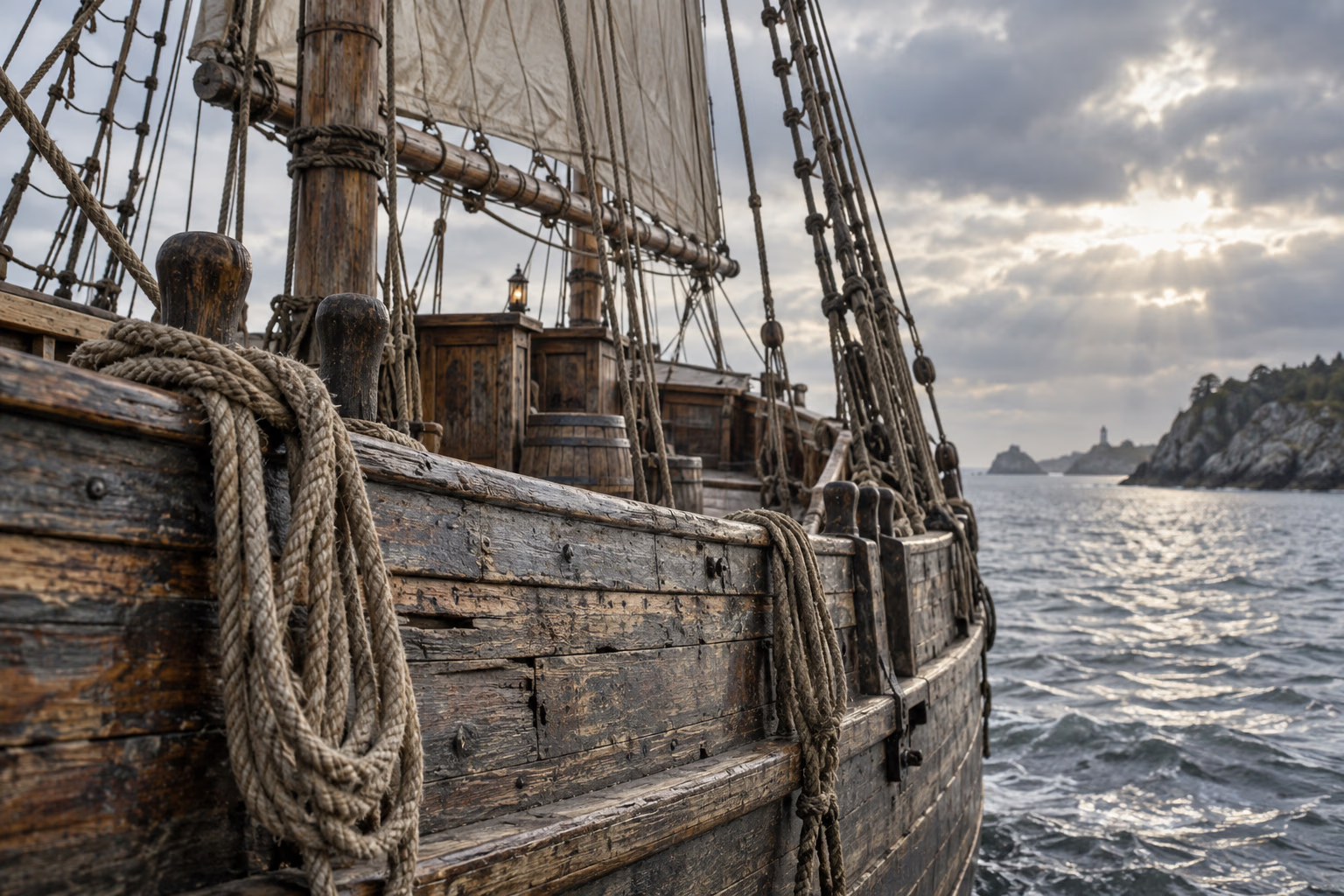
| Weather-beaten | Marked or worn by long exposure to wind, sun, or rain. | “The weather-beaten fishing boat showed years of coastal service.” |
| Rust-streaked | Marked by visible lines or patches of rust. | “Rust-streaked rails ran along the old freighter.” |
| Cargo-laden | Carrying a heavy or noticeable load. | “The cargo-laden ship moved slowly downriver.” |
| Ominous | Creating a sense that something threatening may happen. | “An ominous foghorn sounded beyond the breakwater.” |
Choose a word by the detail you want to show
Appearance and size: Try sleek, graceful, towering, massive, compact, or weather-beaten. “A sleek, compact launch slipped between the larger ships” gives a different image from “a massive, weather-beaten freighter.” If you use two or more adjectives, make sure each adds a new detail instead of repeating the same idea.
Condition and readiness: Use sturdy for something solidly built and seaworthy only when the intended meaning is that the ship is fit to travel safely at sea. Cambridge defines seaworthy in that specific way. A vessel can be weathered but seaworthy; a fresh coat of paint alone does not establish that it is safe. For fiction, words such as rickety, leaky, damaged, and neglected suggest visible problems, but they do not by themselves make an expert safety assessment.
Movement and scale: Choose nimble or maneuverable for a vessel that turns easily; choose slow-moving or ponderous for one that moves with effort. Stately usually gives an impression of dignified, measured movement or appearance. Cambridge notes that it can describe something formal and impressive; it does not mean a ship is fast.
Mood and atmosphere: Ominous, lonely, tranquil, busy, and mysterious express how a ship or its scene feels to an observer. For example, “The lonely schooner drifted through a silent inlet” creates atmosphere, while “The busy ferry carried commuters across the bay” reports activity.
Ship adjectives, nautical terms, and ship types
Some useful words relate to ships without describing a particular ship’s qualities. Nautical means related to ships, sailing, or sailors; a chart, uniform, or design can be nautical. Maritime is more formal and often refers to human activity at sea, such as maritime trade or law. Naval relates especially to a navy or its ships. These adjectives identify a subject area or connection, not a vessel’s condition.
Likewise, cargo ship, passenger ship, and warship name types or purposes. Cargo and warship are not descriptive adjectives in those phrases; passenger functions as a noun modifier. To describe the vessel itself, write “a crowded passenger ship,” “a cargo-laden freighter,” or “a heavily armed naval vessel.” Cambridge’s dictionary definitions of nautical and maritime show how these words relate to ships and activity at sea.
Examples for stories and school writing
- The sleek research ship passed quietly beneath the bridge.
- A weather-beaten schooner rocked beside the pier.
- The seaworthy lifeboat was ready for its next voyage.
- A stately cruise ship glided past the harbor lights.
- The nimble patrol boat circled the anchored freighter.
- Brightly painted fishing boats filled the crowded marina.
- An ominous ship emerged from the fog at dawn.
- The cargo-laden vessel carried grain toward the coast.
For a vivid description, combine one concrete feature with one interpretation: “The rust-streaked, seaworthy tug pulled the barge through rough water.” The first adjective gives a visible detail; the second makes a separate claim about the vessel’s condition. If you only know what the ship looks like, choose visual words and leave safety judgments out.
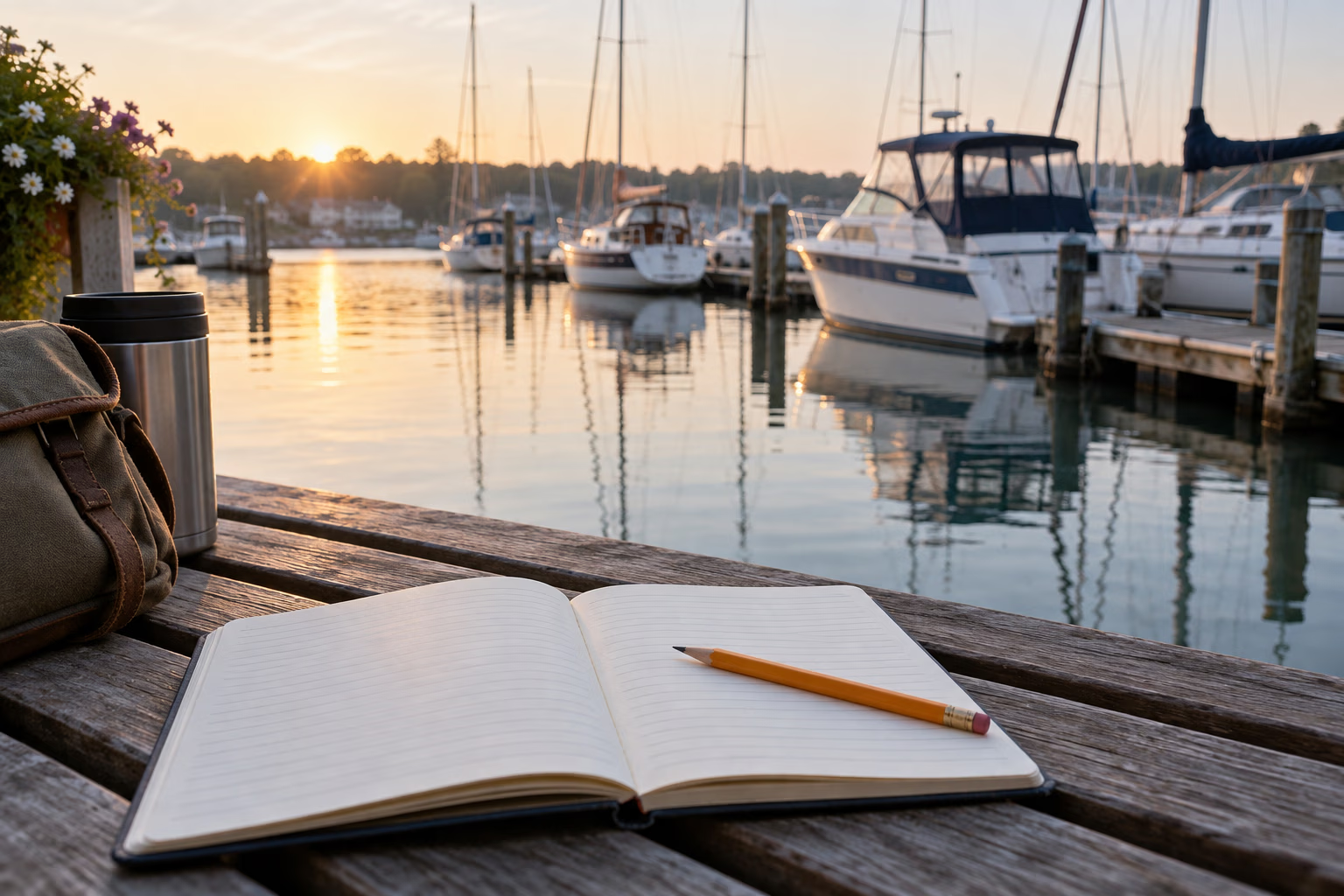
Dictionary references: seaworthy, weather-beaten, stately, and sturdy.
Editorial note: The older list below is retained in full. Its “synonyms for ship” section mixes close alternatives with broader terms, and its “antonyms for ship” entries such as land and stationary are contrasts, not true antonyms. The guide above separates descriptive adjectives from vessel types and related nautical words.
Ahoy there! Are you ready to set sail on a linguistic adventure? In this article, I’ll be diving deep into the vast sea of adjectives, specifically those that describe ships. Whether you’re a maritime enthusiast, a writer in need of descriptive words, or simply curious about the different ways we can paint a picture of these majestic vessels, you’ve come to the right place.
From sleek and modern to weathered and battle-worn, ships come in all shapes and sizes, each with its own unique character. In this article, I’ll be sharing a treasure trove of adjectives that will help you bring these ships to life on the page. So, whether you’re writing a thrilling naval battle scene or simply want to add some flair to your descriptions of seafaring adventures, you’ll find plenty of inspiration here.
How to Describe ship? – Different Scenarios
When it comes to describing ships, there are countless adjectives that can bring these majestic vessels to life on the page. Whether you’re writing a naval battle scene or a seafaring adventure, choosing the right words to capture the essence of a ship is crucial. Let’s explore how we can describe ships in different scenarios:
- Size and Shape:
Ships come in a wide variety of sizes and shapes, each with its own unique characteristics. Here are some adjectives to describe them:
- Massive: Big, imposing, and commanding, these ships dominate the seas.
- Sleek: Streamlined and elegant, these ships cut through the water with grace.
- Compact: Small yet efficient, these ships are designed for maneuverability.
- Condition and Age:
The condition and age of a ship can greatly influence its appearance and character. Here are some adjectives to describe them:
- Sturdy: Strong and well-built, these ships withstand the test of time.
- Weathered: Bearing the marks of age and experience, these ships have stories to tell.
- Immaculate: Pristine and well-maintained, these ships gleam in the sunlight.
- Purpose and Function:
Ships serve different purposes and have specific functions. Here are some adjectives to describe them:
- Cargo: Designed to transport goods and merchandise, these ships are spacious and utilitarian.
- Warship: Powerful and armored, these ships are built for battle and defense.
- Passenger: Luxurious and comfortable, these ships offer a pleasant journey for travelers.
- Atmosphere and Ambience:
Ships have a unique atmosphere that can be described in various ways. Here are some adjectives to capture the mood:
- Mysterious: Laden with secrets and hidden treasures, these ships evoke a sense of intrigue.
- Vibrant: Filled with bustling activity and vibrant colors, these ships are a sight to behold.
- Serene: Calm and tranquil, these ships offer a peaceful respite from the outside world.
Remember, the key to effectively describing ships is to choose words that paint a vivid picture in the reader’s mind. By utilizing a diverse range of adjectives, you can bring these fascinating vessels to life and immerse your readers in a captivating maritime world.
Describing Words for ship in English
As an expert in describing ships, I have compiled a list of adjectives that will help paint a vivid picture of these amazing vessels. Whether you are a kindergartener learning new words or a preschool teacher looking for easy words to teach kids, these descriptive words will come in handy. Let’s dive in and explore the world of ships!
- Majestic: Ships have a certain grandeur that commands attention. They are often large and impressive, leaving onlookers in awe of their majesty.
- Sleek: Some ships have a sleek and streamlined design, gliding effortlessly through the water. They are often characterized by smooth curves and a sleek silhouette.
- Sturdy: Ships need to be strong and able to withstand the forces of the ocean. They are built with durability in mind, ensuring that they can withstand rough waters and challenging conditions.
- Gigantic: Ships come in various sizes, and some are simply massive. These gigantic vessels dominate the seas, evoking feelings of wonder and amazement.
- Colorful: Ships often sport vibrant colors, adding a cheerful and playful element to their appearance. From bright reds to bold blues, these colorful vessels can be a sight to behold.
- Historic: Some ships have a rich history, having sailed the seas for many years. They carry with them stories of adventure and exploration, making them more than just vessels of transportation.
- Modern: On the other hand, there are modern ships that boast the latest technology and design. These sleek and state-of-the-art vessels showcase the advancements in shipbuilding.
- Magnificent: Ships have a certain allure that captures the imagination. They exude a sense of magnificence, making them perfect subjects for artists and photographers.
- Nautical: Ships create an unmistakably nautical atmosphere with their ropes, sails, and nautical-themed decor. They transport you to a world of maritime wonder.
- Efficient: Ships are designed to be efficient in their functionality. From cargo ships that transport goods to passenger ships that provide comfortable travel, efficiency is key in their design.
Now that you have an array of adjectives to describe ships, let your imagination run wild and transport yourself to the captivating maritime world.
Adjectives for ship
When it comes to describing ships, there are a wide range of adjectives that can be used to paint a vivid picture in the reader’s mind. From positive attributes that highlight the beauty and functionality of ships, to negative characteristics that may reference their condition or age, these descriptive words can enhance your writing and transport your readers to the captivating world of maritime adventures. Let’s explore some adjectives for ships in detail.
Positive Adjectives for Ship
When describing ships in a positive light, these adjectives can help you create an image of grandeur, efficiency, and elegance. Here are 12 example sentences that showcase these positive qualities:
- The majestic cruise ship glided effortlessly across the turquoise waters.
- The sleek yacht cut through the waves with grace and precision.
- The sturdy cargo ship carried its valuable cargo safely across the ocean.
- The gigantic aircraft carrier dominated the horizon with its sheer size.
- The colorful fishing boat bobbed cheerfully in the bustling harbor.
- The historic steamship held countless stories of voyages long past.
- The modern naval vessel boasted state-of-the-art technology.
- The magnificent ocean liner exuded luxury and opulence.
- The nautical sailboat sailed gracefully, propelled by the wind.
- The efficient container ship transported goods across the world with precision.
- The seaworthy cruise liner weathered the storm without a hitch.
- The adventurous pirate ship set sail in search of hidden treasure.
Negative Adjectives for Ship
On the other hand, if you want to portray ships in a more negative light, these adjectives can help you convey a sense of wear and tear, obsolescence, or neglect. Here are 5 example sentences that highlight these negative aspects:
- The rusty old freighter creaked with every wave it encountered.
- The dilapidated fishing boat barely held together, its paint faded and peeling.
- The rickety pirate ship seemed as if it would fall apart at any moment.
- The leaky sailboat constantly required repairs to keep it afloat.
- The outdated cruise ship struggled to keep up with modern amenities.
By using these adjectives, you can paint a vivid picture of ships in all their diverse glory, whether you want to convey their majestic beauty or their worn-out charm. Remember, the key to effective description is to choose words that engage the reader’s imagination and bring the maritime world to life.
Now that we’ve explored the different adjectives for ships, let’s move on to how ships can be described in terms of their size and shape.
Synonyms and Antonyms with Example Sentences
Synonyms for ship
When describing ships, it’s important to have a wide range of vocabulary to choose from. Here are some synonyms for the word “ship” that you can use to add variety and depth to your descriptions:
| Synonyms | Example Sentence |
|---|---|
| Vessel | The massive vessel glided smoothly through the water. |
| Boat | We saw a small boat sailing towards the harbor. |
| Craft | The sleek craft cut through the waves effortlessly. |
| Vessel | The majestic vessel stood tall against the horizon. |
| Maritime | The maritime vessel carried cargo across the sea. |
Antonyms for ship
On the other hand, if you want to describe a ship’s opposite characteristics, here are some antonyms for the word “ship”:
| Antonyms | Example Sentence |
|---|---|
| Land | The sailors were happy to set foot on land after a long journey at sea. |
| Air | The airplane soared through the sky, leaving the ship far below. |
| Vehicle | The vehicle on land couldn’t compare to the ship’s grandeur on the water. |
| Stationary | While the ship sailed, the lighthouse stood stationary on the coast. |
| Inland | The ship sailed away from the coast and into the inland waterways. |
As you can see, using synonyms and antonyms can greatly enhance your descriptions of ships. Try incorporating these words into your writing to make it more engaging and vivid.
Conclusion
The use of descriptive adjectives can greatly enhance our descriptions of ships. By incorporating synonyms and antonyms for the word “ship,” such as “vessel,” “boat,” “craft,” “land,” “air,” and “stationary,” we can create more engaging and vivid portrayals of these majestic vessels. Whether we are writing about their size, appearance, or function, the right choice of adjectives can transport our readers to the vast oceans and rivers where ships roam. So, let’s embrace the power of words and paint a captivating picture of ships that captivates the imagination of our audience. With these descriptive adjectives in our writing arsenal, we can truly bring ships to life on the page. Happy writing!


