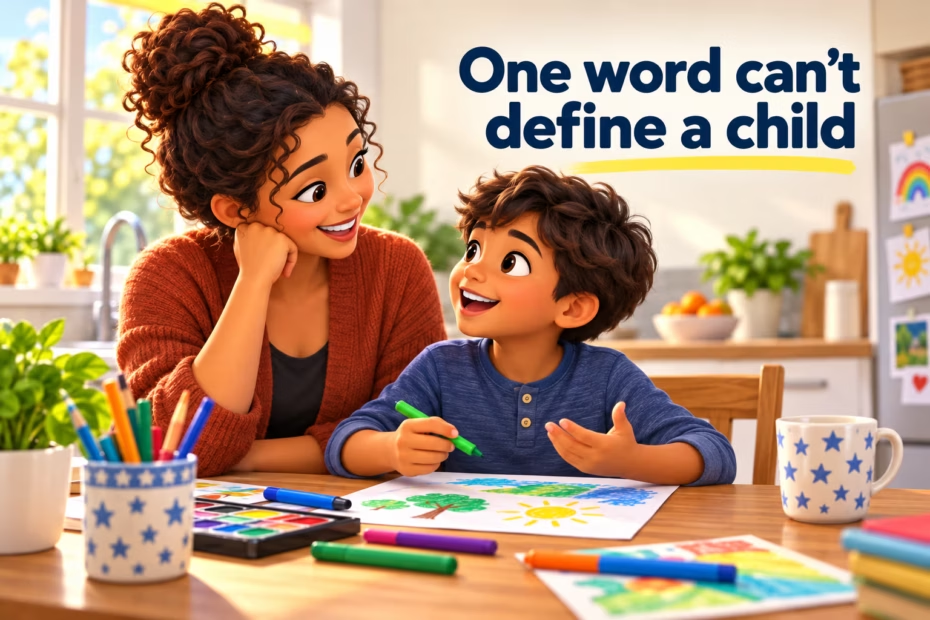
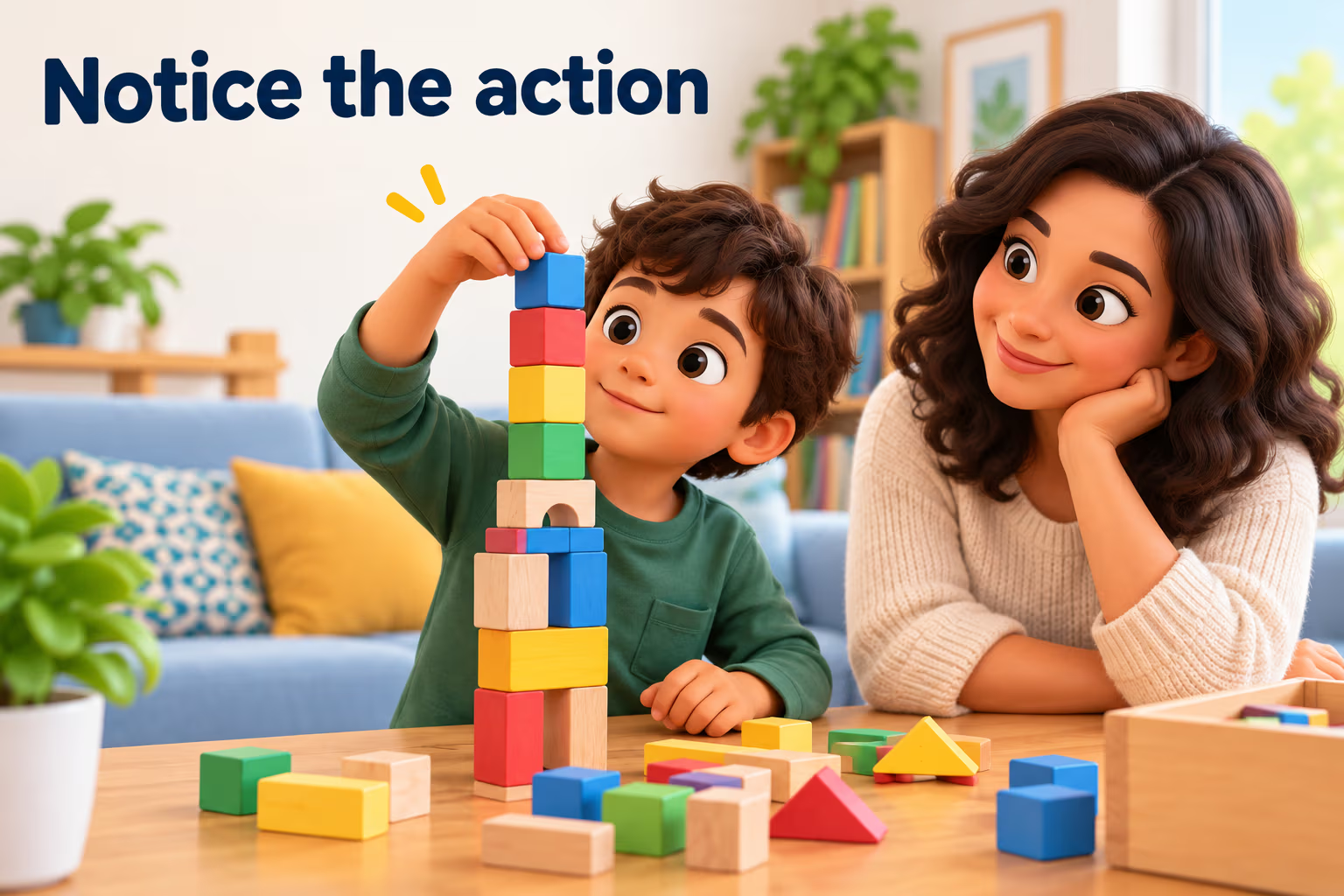
Adjectives for a son can describe a particular action, interest, feeling, appearance, or achievement. Choose a word that fits the moment and explain what you noticed; one adjective cannot capture a child’s whole personality.
- Start with something observable, such as “he asked how the paper bridge could hold more books.”
- Then choose a fitting adjective, such as curious, inventive, or persistent, if it matches that moment.
- Personality words are summaries, not permanent definitions; the same child may act differently in different settings.
- Ask what word the child would choose for himself, especially for a card, speech, or school assignment.
As a parent, describing our children can often be a challenge. We want to capture their essence, their unique qualities, and what makes them so special. When it comes to our sons, finding the right words to describe them can be even more important. From their playful nature to their curious minds, there are countless adjectives that can help us paint a vivid picture of our incredible sons.
In this article, I’ll be sharing a comprehensive list of adjectives that can be used to describe your son. Whether you’re writing a heartfelt birthday card, creating a school project, or simply want to express your love and admiration, these adjectives will help you find the perfect words. From affectionate and adventurous to intelligent and imaginative, you’ll find a wide range of descriptive words that truly capture the essence of your son. So let’s dive in and explore the wonderful world of adjectives for our beloved sons.
How to Describe son? – Different Scenarios
When it comes to describing our sons, finding the right words can be a wonderful and sometimes challenging task. Whether it’s for a birthday card, a school project, or simply expressing our love and admiration, the words we choose to describe our sons can have a powerful impact. In this section, I’ll guide you through different scenarios and provide you with examples of adjectives that truly capture the essence of a son.
1. Describing a Son’s Personality Traits
Describing a son’s personality is a great way to showcase his unique qualities and characteristics. Here are some adjectives you can use to describe your son’s personality:
| Adjective | Example Sentence |
|---|---|
| Energetic | My son is always full of energy. |
| Kind-hearted | He has a kind heart and helps others. |
| Intelligent | My son is incredibly intelligent and always curious. |
| Creative | He has a vivid imagination and loves to create things. |
| Confident | He approaches challenges with confidence. |
2. Describing a Son’s Appearance
Describing a son’s appearance allows us to highlight his unique physical features. Here are some adjectives you can use to describe your son’s appearance:
| Adjective | Example Sentence |
|---|---|
| Handsome | My son has a handsome face and charming smile. |
| Athletic | He has a strong and athletic build. |
| Expressive | His eyes are incredibly expressive and convey his emotions. |
| Dashing | My son’s sense of style is dashing and always on point. |
| Striking | His features are striking and always catch everyone’s attention. |
| Adjective | Example Sentence |
|---|---|
| Accomplished | My son has achieved so much at such a young age. |
| Determined | He is a determined individual who always strives for success. |
| Talented | My son has a natural talent for music and plays multiple instruments. |
| Ambitious | He sets high goals for himself and works hard to achieve them. |
Describing Words for son in English
When it comes to describing our sons, finding the right words can sometimes be a challenge. We want to paint a vivid picture of who they are and capture their essence in our words. Whether you’re writing a birthday card, a school project, or simply expressing love and admiration, having a list of adjectives at hand can be very helpful.
Here are some describing words that can be used to capture different aspects of your son’s personality traits, appearance, and accomplishments:
Personality Traits:
- Loving: My son has a tender and affectionate nature that warms my heart.
- Brave: He displays courage and fearlessness in the face of challenges.
- Curious: Always eager to learn, he asks endless questions and seeks knowledge.
- Honest: His integrity and truthfulness make me proud.
- Resilient: He bounces back from setbacks and displays inner strength.
- Compassionate: He shows empathy and kindness towards others.
- Confident: He believes in himself and approaches life with self-assuredness.
Appearance:
- Handsome: With his striking features and charming smile, he catches everyone’s attention.
- Athletic: He has a strong and energetic physique, excelling in sports.
- Stylish: He effortlessly carries himself with a sense of fashion and flair.
- Distinguished: His elegance and refined appearance make him stand out in a crowd.
- Radiant: His glowing face and vibrant presence light up a room.
- Expressive: His eyes and facial expressions convey a wide range of emotions.
- Intelligent: He demonstrates sharp intellect and a thirst for knowledge.
- Creative: His imaginative ideas and artistic abilities amaze me.
- Determined: He sets goals and works hard to achieve them.
- Talented: Whether it’s playing an instrument, painting, or excelling in academics, he possesses exceptional skills.
- Charismatic: His charm and charisma captivate others and leave a lasting impression.
- Inspiring: He motivates those around him with his achievements and positive attitude.
Adjectives for son
As a loving parent, finding the right words to describe your son’s unique qualities can be a delightful challenge. In this section, I will provide you with a list of adjectives that can be used to describe different aspects of your son’s personality traits, appearance, and accomplishments. These adjectives can come in handy when writing birthday cards, school projects, or expressing your love and admiration for your son. Let’s dive in!
Positive Adjectives for Son
Here are some positive adjectives that can capture the wonderful qualities of your son accompanied by example sentences:
| Adjective | Example Sentence |
|---|---|
| Courageous | My son demonstrated a courageous act when he stood up for his friend. |
| Compassionate | I am proud of my son’s compassionate nature, as he always cares for others. |
| Intelligent | My son’s intelligence shines through his exceptional problem-solving skills. |
| Creative | I’m amazed by my son’s creative thinking, particularly in his art projects. |
| Ambitious | My son’s ambitious nature pushes him to achieve his goals and reach for the stars. |
| Talented | It’s incredible to witness the talents my son possesses in playing the guitar. |
| Responsible | I can always count on my son to be responsible and complete his chores on time. |
| Kind-hearted | My son’s kind-hearted nature is evident in the way he treats others with respect. |
| Enthusiastic | I love my son’s enthusiastic approach to trying new things and exploring the world. |
| Confident | My son’s confidence shines through in the way he presents himself to others. |
| Thoughtful | It warms my heart to see my son’s thoughtful gestures towards his siblings. |
| Determined | My son’s determined attitude enables him to overcome challenges and never give up. |
Negative Adjectives for Son
While we all have our flaws, it’s important to acknowledge that we are also capable of growth and improvement. Here are some negative adjectives that can be used to describe areas where your son may need guidance, accompanied by example sentences:
| Adjective | Example Sentence |
|---|---|
| Impatient | Sometimes my son can be impatient, but we’re working on it together. |
| Disorganized | My son’s disorganized nature makes it challenging for him to find his belongings. |
| Stubborn | At times, my son’s stubbornness can make it difficult to compromise. |
| Impulsive | My son’s impulsive behavior sometimes leads to hasty decisions. |
| Forgetful | My son tends to be forgetful, often misplacing his keys and wallet. |
Remember, when using these adjectives, be mindful of the context and tone. It’s essential to focus on the positive traits and offer guidance with love and understanding when using negative adjectives. Your love and support will help shape your son’s character and promote their personal growth.
Now that we have explored a range of adjectives to describe your son, you can unleash your creativity and use these words to express your admiration and pride for the incredible individual your son is.
Synonyms and Antonyms with Example Sentences
Synonyms for son
When it comes to describing our sons, we can get creative with the words we use. Here are some synonyms that can be used as alternatives to the word “son”:
- Boy – He’s not just my son, he’s also my little boy.
- Child – My son is a special child who brings joy into my life.
- Offspring – As a proud parent, I cherish every moment with my offspring.
- Lad – I’m proud to say that my son is growing into a fine young lad.
- Youngster – Watching my son grow into a confident youngster fills my heart with pride.
Using these synonyms can add variety and richness to our descriptions of our sons. It allows us to express our love and admiration from different angles.
Antonyms for son
Sometimes, we may want to describe characteristics that are the opposite of what we typically associate with the word “son.” Here are some antonyms that can be used to provide a contrast in our descriptions:
- Daughter – While I don’t have a daughter, I still appreciate the unique qualities that come with having a son.
- Stranger – My son is no stranger to hard work and determination.
- Enemy – My son may challenge me at times, but he is not my enemy; he is my pride and joy.
- Adult – While my son is growing up, he will always be my child at heart.
- Failure – My son’s determination and resilience ensure that failure is not part of his vocabulary.
Using antonyms can help us highlight the positive traits and accomplishments of our sons while providing a sense of contrast and perspective.
The beauty of language is its ability to capture the essence of a person through different words and expressions. By using synonyms and antonyms, we can paint a more vivid picture of our sons’ personalities, achievements, and potentials.
Conclusion
Describing our sons can be a challenging task, but it is one that allows us to appreciate their unique qualities and accomplishments. Throughout this article, we have explored a variety of adjectives that can be used to describe different aspects of a son’s personality, appearance, and achievements.
By utilizing these descriptive words, we can add depth and richness to our descriptions, painting a vivid picture of who our sons are. Whether it’s highlighting their intelligence, kindness, or determination, these adjectives help us showcase their positive traits and celebrate their accomplishments.
Language is a powerful tool that allows us to capture the essence of a person, and by using a diverse range of adjectives, we can create a more nuanced and comprehensive description of our sons. Each word we choose has the potential to convey a different facet of their character, making our descriptions more vivid and engaging.
So, let’s embrace the beauty of language and the power of descriptive words to celebrate our sons and all that they are. Let’s paint a picture of their unique qualities and accomplishments, using adjectives that truly capture their essence.
Using the source synonyms and contrasts. A son may be a boy or a man in relation to a parent. Words such as child, boy, lad, youngster, and offspring fit only some contexts; they differ in age, gender, or formality and do not replace son in every sentence. Daughter is a gendered family counterpart; stranger, enemy, adult, and failure are contrasts in the original examples, not strict antonyms of the noun son.
Use challenging words for a moment, not as a fixed label. The source’s examples such as impatient or forgetful are vocabulary choices, not diagnoses or judgments about a child. When useful, connect a word to a specific situation (“waiting was hard today”) and leave room for change.
How can you choose an adjective for your son?
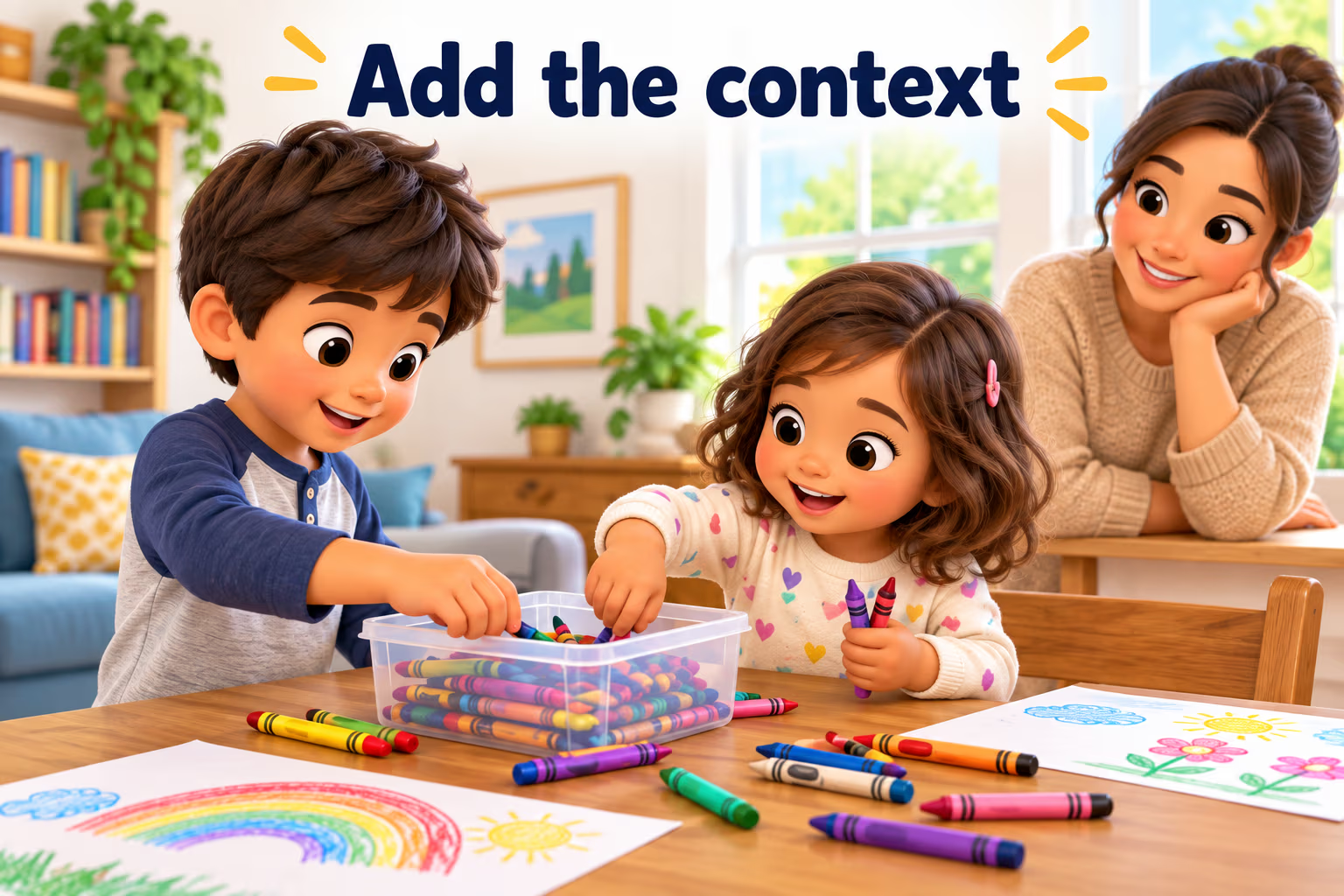
Pair a specific observation with a word that accurately describes it. Cambridge Dictionary defines an adjective as a word that describes a noun or pronoun; in a personal description, the example gives the reader evidence for the adjective rather than asking one label to stand on its own.
- Name the moment: say when and where the action happened.
- Describe what you saw: use an observable action, choice, or detail.
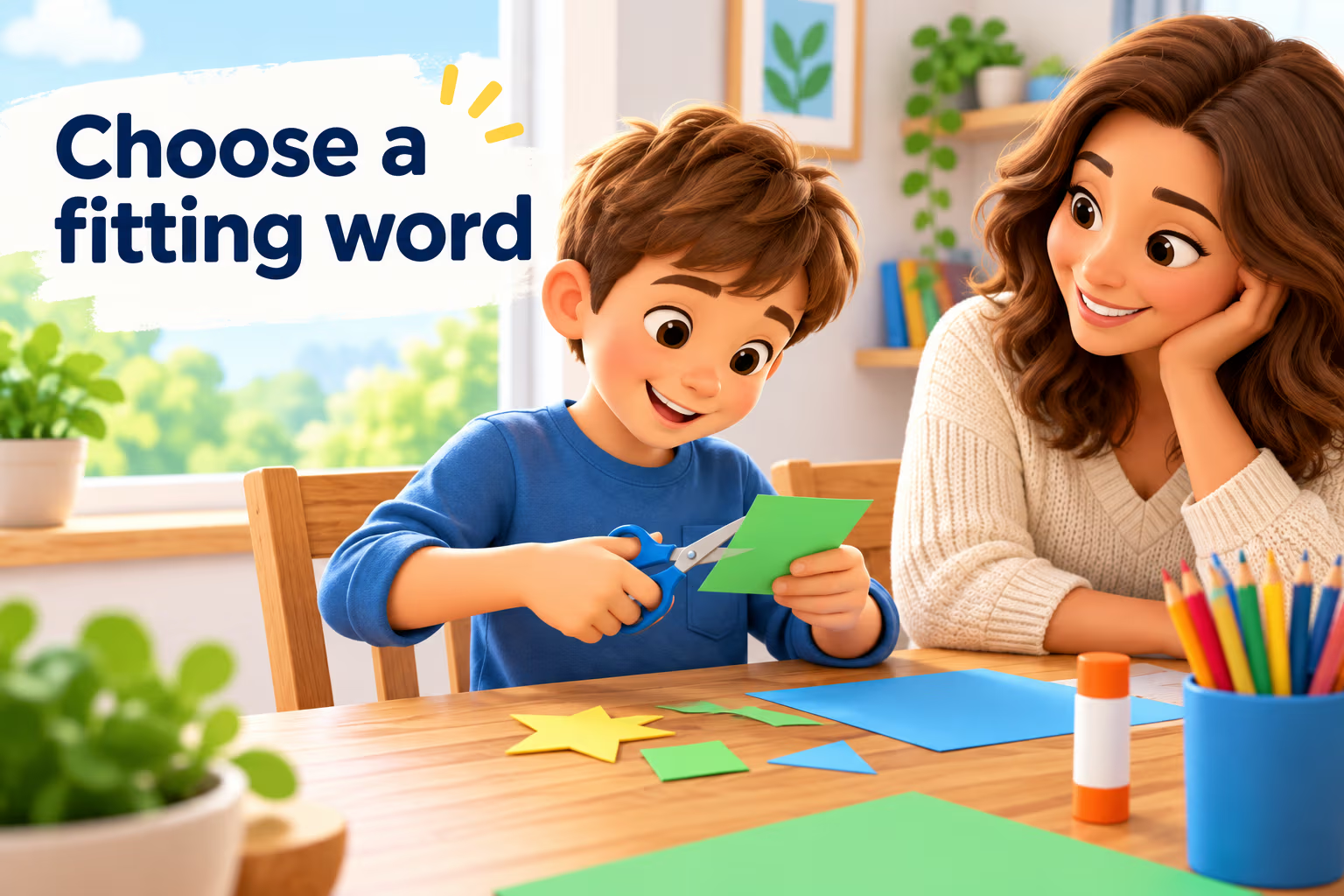
- Pick a word that fits: for example, “patient” may fit a moment of waiting calmly, while “inventive” may fit trying a new way to solve a problem.
- Keep the description open: use “in that moment,” “often,” or a concrete example when a broad trait would sound absolute.
| What you noticed | Possible adjective | Example wording |
|---|---|---|
| He asked several questions while exploring a new exhibit. | Curious | “You were curious about how the model worked.” |
| He tried another approach after the first paper bridge sagged. | Persistent or inventive | “You kept experimenting until the bridge held.” |
| He made room for a classmate to explain an idea. | Considerate or attentive | “You listened closely and made space for your classmate’s idea.” |
| He completed a task he had agreed to do. | Responsible | “You remembered the library books and brought them back.” |
How should you use positive or challenging adjectives?
Positive words can celebrate a strength, while words such as impatient or forgetful may describe a challenge. In either case, connect the adjective to a specific situation and leave room for change: “waiting was hard today” gives more useful information than “you are impatient.” For young children, the American Academy of Pediatrics’ guide recommends describing behavior and noticing genuine effort. The guide focuses on young children; these examples use one idea from it to make praise specific.
Children can differ in how they respond to experiences. Harvard’s Center on the Developing Child discusses individual variation in early childhood. A short adjective list is vocabulary, not a scorecard or a complete portrait of any one child.
For appearance, use a detail only when it is relevant and welcome. Words such as expressive or stylish are subjective; they describe a viewer’s impression rather than a measurable quality, and a child may prefer attention to his interests or actions instead.
Are the listed “antonyms for son” true antonyms?
Not all of them. A daughter is a gendered family counterpart to a son, while stranger, enemy, adult, and failure are contextual contrasts in the original examples; they are not opposites of the noun son in the usual dictionary sense. Cambridge’s grammar guide illustrates adjective antonyms as word pairs such as happy/sad and big/small. The source list is retained for continuity, but treat it as a set of contrasts rather than a strict antonym list.
Sources and further reading
- Cambridge Dictionary: adjective defines the word class; its grammar guide to adjectives explains descriptive meanings and gives examples of adjective opposites.
- The American Academy of Pediatrics’ HealthyChildren.org guide to shaping and managing young children’s behavior recommends describing behavior and recognizing real effort.
- Harvard University’s Center on the Developing Child offers a research overview on individual differences in early childhood.