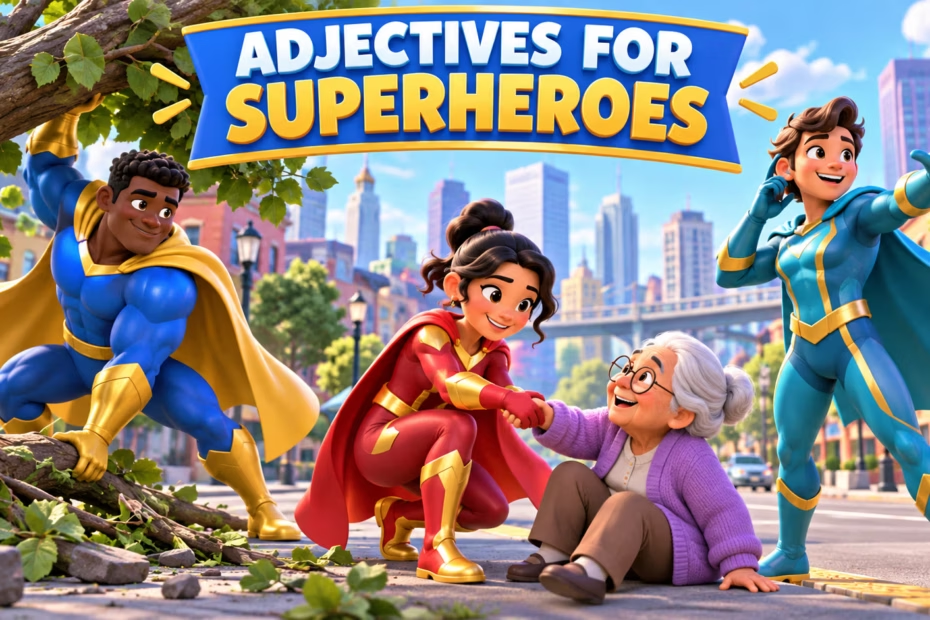
Superhero adjectives describe a character’s actions, personality, appearance, movement, or a specific ability. Choose a word that says exactly what the scene shows: a hero can be brave while feeling afraid, resourceful while solving a problem, or agile while dodging danger. No one adjective fits every superhero or every version of a character.
Superhero stories are imagined worlds, and characters may change across comics, books, films, and adaptations. Use these words to describe the version or moment you mean rather than presenting one interpretation as universal fact.

Choose a Superhero Adjective by What It Describes
Character and values: compassionate describes concern for others; principled describes acting by a moral code; loyal describes faithfulness to a person or cause; and selfless describes putting others’ needs ahead of one’s own. These words evaluate conduct or values, not superpowers.
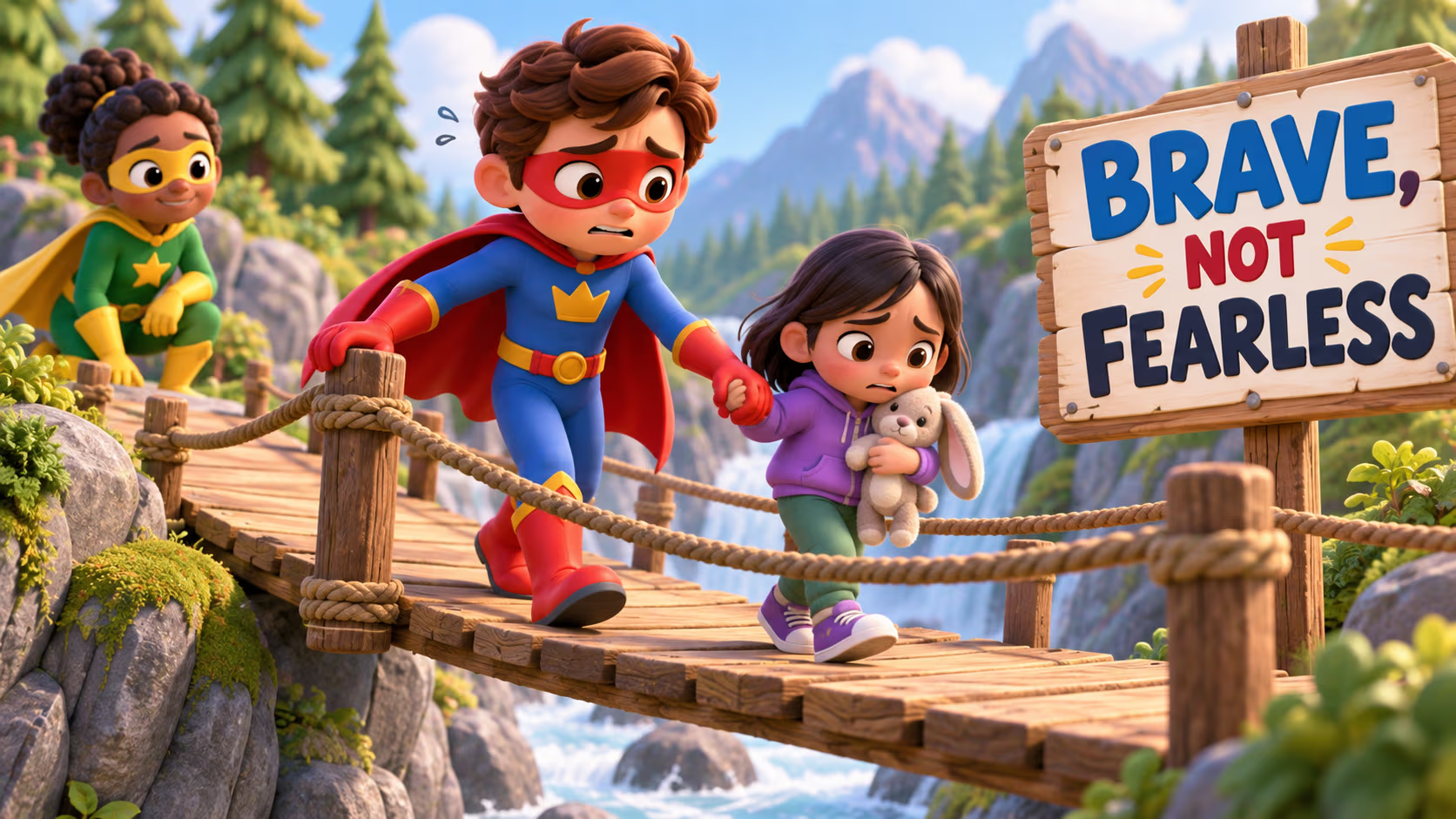
Courage and judgment: brave, courageous, and undaunted suit someone who faces difficulty with courage. Fearless more literally suggests being free from fear, so it is not a perfect substitute: a hero may feel afraid and still act bravely. Reckless means taking risks without sufficient care; it is not a stronger synonym for brave.
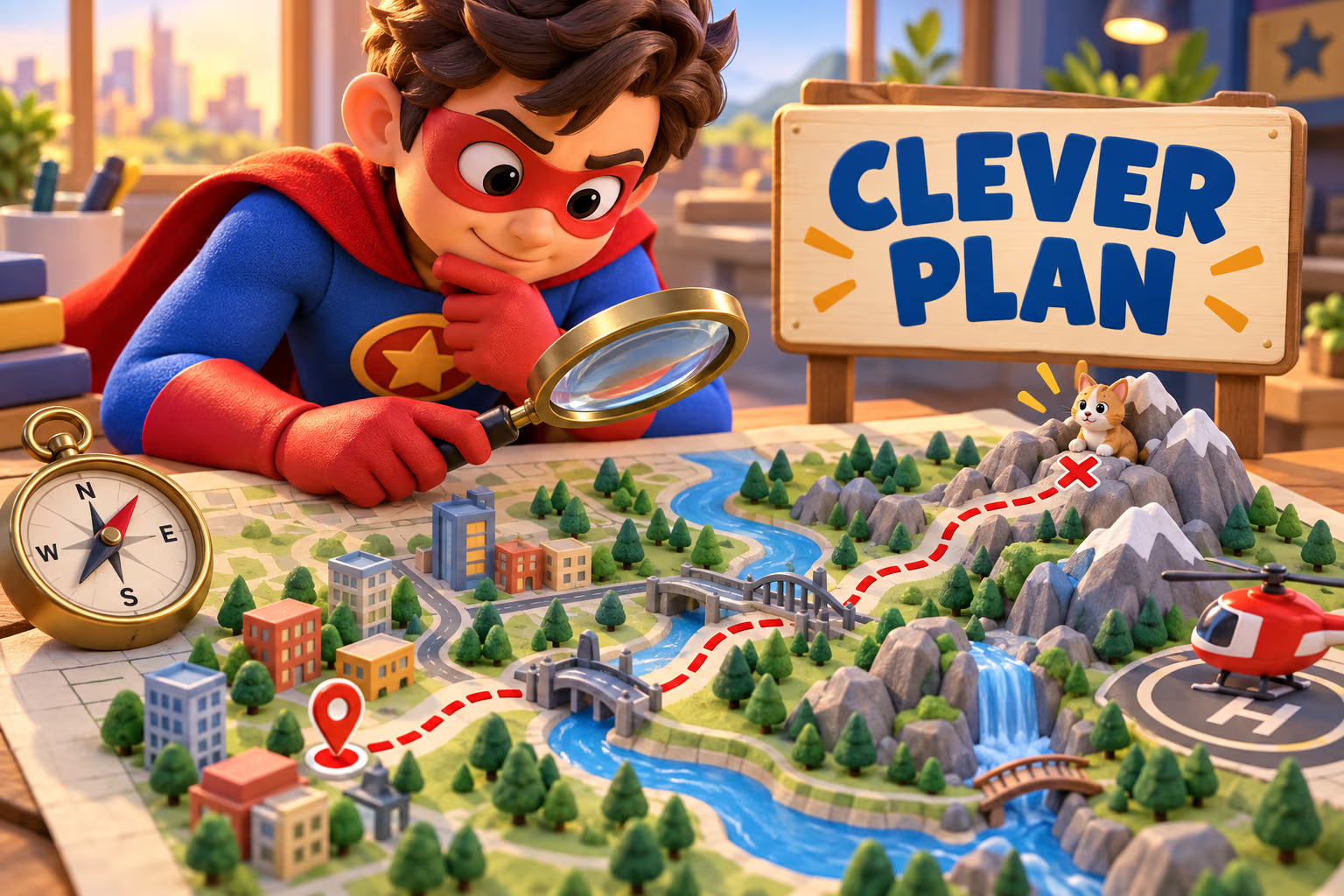
Thinking and action: clever, observant, inventive, and resourceful describe different ways of handling a challenge. A strategic character plans toward a goal; an agile character moves quickly and easily; a swift character is fast. Choose the trait that matches the evidence in the scene.
Appearance and presence: masked describes a visible feature, towering describes great height, and imposing describes an appearance that seems impressive or intimidating. Mysterious describes what is unknown or hard to explain. These are not moral traits, and a costume or physique alone does not show whether a character is good or bad.
Keep Adjectives, Nouns, and Powers in Their Own Categories
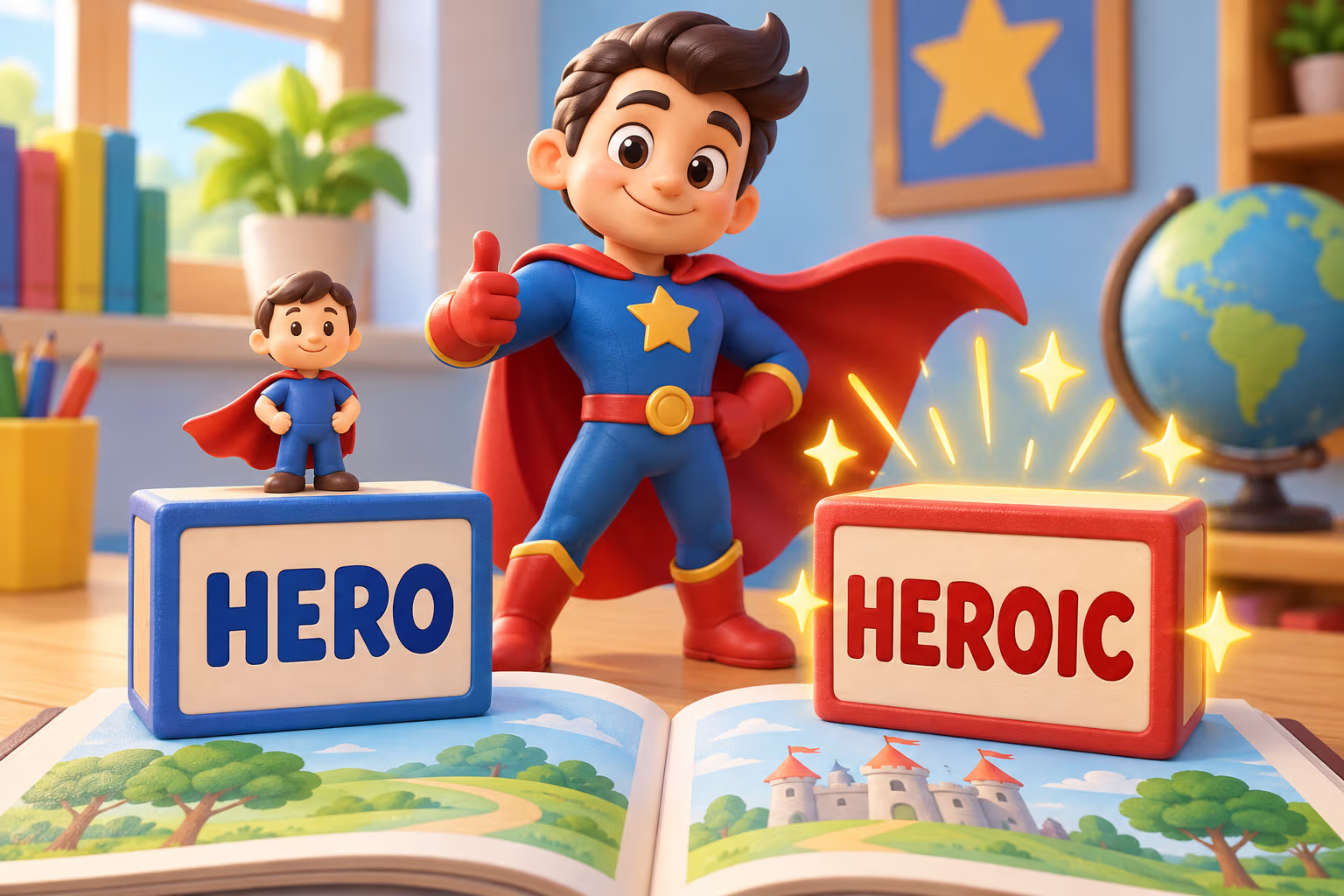
Superhero is a noun for a kind of fictional hero; hero is also a noun. The adjective heroic describes a brave or admirable act or quality. Compare “The hero made a heroic rescue.” Cambridge labels superhero and hero as nouns and defines heroic as an adjective.
Some words describe a power or condition rather than a personality trait. Telepathic describes the ability to communicate through thoughts; elastic can describe something that stretches; invisible means unable to be seen. They fit only when the story gives that character the relevant ability or condition. Flight is a noun naming an ability, not an adjective. Write “a hero who can fly” or “a flying hero.” Likewise, invincible means impossible or very hard to defeat, so use it only when the story supports that unusually absolute claim. Superhuman is an adjective for qualities or abilities beyond ordinary human limits; it does not name one particular power.
Related Words Are Not Always Synonyms or Antonyms
Champion, hero, avenger, guardian, and savior are nouns naming people or roles. They may be related to a superhero, but they are not adjective synonyms for heroic, and their meanings are not identical. For example, “a guardian” describes a role, while “protective” describes a quality: “The protective guardian escorted the neighbors to safety.”
Opposites depend on the adjective being used. Cowardly can contrast with brave; cruel can contrast with compassionate; and incompetent can contrast with capable. A villain is a character role often set against a hero in a story, not a strict dictionary antonym of superhero. Weakling is a noun for a person judged weak, and coward is a noun for a fearful person. Neither is an adjective. A “fallen hero” is still called a hero, with fallen explaining a changed status or moral course.
For precise writing, compare like with like: heroic/cowardly (adjectives about courage), capable/incompetent (adjectives about ability), or hero/villain (contrasting story roles). Merriam-Webster’s thesaurus entry for heroic groups words such as brave and courageous in an adjective sense; context still determines which word fits your sentence.
Original Source Material
The complete original article follows, including all 38 list items, the five tables and their 37 rows. It is retained verbatim for reference. Some labels in the original tables use associated roles, character interpretations, or ability terms rather than strict adjective synonyms, antonyms, or universal superhero traits; the guide above supplies those distinctions so the entries can be read accurately.
When it comes to superheroes, we often find ourselves in awe of their incredible powers, unwavering determination, and larger-than-life personalities. But have you ever stopped to think about the words we use to describe these extraordinary beings? In this article, I’ll be diving into the world of adjectives for superheroes – those powerful describing words that capture the essence of these iconic characters.
From the mighty strength of Superman to the stealthy agility of Black Widow, adjectives play a crucial role in painting a vivid picture of our favorite superheroes. Whether it’s their physical attributes, personality traits, or unique abilities, these adjectives help us better understand and appreciate the complexity of these fictional heroes. So, get ready to explore a range of descriptive words that will bring your favorite superheroes to life on the page.
How to Describe superheroes? – Different Scenarios
When it comes to describing superheroes, there are various scenarios that we can explore. The right choice of adjectives can bring these iconic characters to life and help paint a vivid picture in the minds of readers. Let’s dive into some different scenarios and discover the perfect words to describe superheroes.
- Physical Attributes:
When describing a superhero’s physical appearance, it’s important to choose words that capture their unique features. Here are some examples:
| Adjective | Example |
|---|---|
| Strong | Superman has a strong build and muscular physique. |
| Agile | Spider-Man is known for his agile and flexible movements. |
| Powerful | The Hulk possesses immense power and a formidable presence. |
| Elegant | Wonder Woman exudes elegance and grace in her movements. |
| Intimidating | Batman’s suit and mask give him an intimidating presence. |
- Personality Traits:
Describing a superhero’s personality traits can give readers insight into their character and demeanor. Here are a few examples:
- Captain America is known for being courageous and honorable.
- Iron Man is often described as confident and charismatic.
- Black Widow is cunning and resourceful in her actions.
- The Flash is lively and energetic in everything he does.
- Unique Abilities:
Superheroes possess extraordinary abilities that set them apart. Here are some adjectives to describe their superpowers:
- Thor wields a mighty and powerful hammer.
- Superman has incredible and unparalleled strength.
- Green Lantern possesses a limitless and extraordinary power ring.
- Doctor Strange commands mystical and enigmatic abilities.
- The Battle Scene:
When describing superheroes in action during a battle scene, it’s essential to choose words that convey their intensity and prowess. Here are a few examples:
- The superhero fought with fierce determination and unleashed a devastating attack on the enemy.
- With lightning-fast reflexes, the hero skillfully dodged the villain’s attacks.
- The superhero’s mighty blows shook the ground, sending shockwaves through the battlefield.
- Emotions and Feelings:
Describing Words for superheroes in English
Describing Words for Superheroes in English
When it comes to superheroes, adjectives play a crucial role in bringing these characters to life in our imagination. Whether we’re talking about their physical appearance, personality traits, or unique abilities, choosing the right words helps create a vivid picture in the minds of readers. In this section, I’ll provide you with a comprehensive list of describing words that you can use to enhance your storytelling when it comes to superheroes.
- Physical Attributes:
- Mighty: Superheroes often possess incredible strength and power.
- Sleek: Some superheroes have a streamlined and agile physical appearance.
- Radiant: A word that can describe superheroes with a glowing or fascinating presence.
- Giant: Used for superheroes who are of enormous size.
- Bold: Describes superheroes who exude confidence and courage.
- Graceful: Perfect for characters who move with elegance and poise.
- Mysterious: Ideal for superheroes who have an enigmatic aura.
- Personality Traits:
- Brave: Superheroes are known for their courage and ability to face any danger.
- Caring: Describes characters who have a strong sense of empathy and compassion.
- Determined: Superheroes are unwavering in their pursuit of justice.
- Wise: Used for characters who possess great knowledge and insight.
- Loyal: Superheroes are always committed to protecting those they care about.
- Resilient: Describes characters who can recover quickly from setbacks and keep fighting.
- Unique Abilities:
- Invisible: Superheroes who possess the power to become unseen.
- Telepathic: Describes characters who can read others’ thoughts.
- Superhuman: This word covers a wide range of extraordinary abilities possessed by superheroes.
- Elastic: Used for characters who can stretch their bodies to extreme lengths.
- Flight: Used to describe superheroes who have the ability to fly.
- Invincible: Describes characters who cannot be defeated.
By using these describing words, you can paint a vivid picture of superheroes in your stories and captivate young readers. Remember to choose words that convey the intensity, prowess, and emotions of these characters. Keep in mind that superheroes are meant to inspire and engage our imagination, so let your words do justice to their extraordinary abilities.
Adjectives for superheroes
As an expert blogger, I’ve come to appreciate the power of words in describing superheroes. Adjectives play a crucial role in bringing these extraordinary characters to life in the minds of young readers. In this section, I’ll explore the world of adjectives for superheroes, both positive and negative, providing example sentences to help you enhance your storytelling or teaching.
Positive Adjectives for Superheroes
Positive adjectives can paint a vivid picture of the heroic qualities that make superheroes so compelling. Here are twelve examples of positive adjectives that can be used to describe superheroes:
| Adjective | Definition | Example Sentence |
|---|---|---|
| Brave | Fearless and courageous | Superman is brave in the face of danger. |
| Powerful | Having great strength or force | The Hulk possesses powerful abilities. |
| Noble | Having high moral character | Wonder Woman is known for her noble actions. |
| Fearless | Showing no fear or hesitation | Spider-Man is fearless when confronting villains. |
| Resilient | Able to recover quickly from difficulties | Iron Man is resilient in the face of adversity. |
| Agile | Quick and nimble in movement | Black Panther’s agile movements make him a formidable opponent. |
| Empathetic | Showing understanding and compassion | Batman’s empathetic nature helps him connect with others’ emotions. |
| Intelligent | Having high mental capacity | Tony Stark, aka Iron Man, is known for his intelligent mind. |
| Determined | Firmly resolved and unwavering | Captain America’s determined spirit inspires others. |
| Honorable | Marked by honesty and integrity | Thor always upholds honorable principles. |
| Inspiring | Filling others with admiration and motivation | The Flash is an inspiring figure to many. |
| Loyal | Showing faithfulness and devotion | Robin’s loyal support to Batman is unwavering. |
Negative Adjectives for Superheroes
In contrast, negative adjectives can add complexity and depth to superhero characters, showcasing their flaws and challenges. Here are five examples of negative adjectives that can be used to describe superheroes:
| Adjective | Definition | Example Sentence |
|---|---|---|
| Arrogant | Having an exaggerated sense of superiority | Green Lantern can sometimes be arrogant towards his fellow heroes. |
| Reckless | Acting without thinking or regard for consequences | Wolverine’s reckless actions can put him and others in danger. |
| Impulsive | Acting without forethought | The Human Torch has a tendency to be impulsive in his decisions. |
| Stubborn | Unwilling to change or compromise | The Thing’s stubborn nature often leads to conflicts with his teammates. |
| Vengeful | Seeking revenge and holding grudges | The Punisher’s vengeful nature drives him to seek justice by any means necessary. |
By carefully selecting and using descriptive adjectives, you can create a rich and engaging narrative for young readers. They’ll be captivated by the intense emotions, impressive abilities, and deep characterizations of their favorite superheroes. Remember, the words you choose have the power to bring these extraordinary beings to life in their imaginations. So, go ahead and harness the power of adjectives to make your superhero stories truly memorable.
Synonyms and Antonyms with Example Sentences
Synonyms for superheroes
When it comes to describing superheroes, there are various synonyms we can use to paint a vivid picture and capture their remarkable qualities. Here are some synonyms for superheroes, along with example sentences to help you better understand their usage:
| Synonym | Example Sentence |
|---|---|
| Champion | Spider-Man is a champion of justice. |
| Hero | Wonder Woman is a true hero, always fighting for what’s right. |
| Avenger | Iron Man is an avenger, seeking to avenge the injustices of the world. |
| Guardian | Superman is known as the guardian of Metropolis, protecting its citizens from harm. |
| Saviour | Captain Marvel is regarded as the savior of the universe, saving countless lives. |
Adding these synonyms to your descriptions will bring depth and variety to your storytelling, engaging young readers and sparking their imagination.
Antonyms for superheroes
Just as superheroes possess admirable qualities, they also have their flaws and challenges. Exploring antonyms can help us create well-rounded characters with relatable traits. Here are some antonyms for superheroes, along with example sentences:
| Antonym | Example Sentence |
|---|---|
| Villain | The Joker is a notorious villain, always causing chaos and mayhem. |
| Weakling | Unlike Superman, the weakling has no extraordinary abilities and is easily overpowered. |
| Coward | The coward superhero hesitates in the face of danger, lacking the bravery we expect. |
| Incompetent | The incompetent superhero constantly fails to live up to expectations, unable to save the day. |
| Fallen | Once a renowned hero, the fallen superhero succumbed to darkness and now uses their powers for evil. |
Incorporating an antonym into your storytelling can provide contrast and complexity, allowing young readers to see the struggles and growth of their favorite superheroes.
Remember, using a mix of synonyms and antonyms can make the descriptions more engaging and create a well-rounded narrative for young readers. Keep these words in mind when crafting captivating stories about superheroes.
Conclusion
Descriptive adjectives play a crucial role in bringing superheroes to life. Throughout this article, we have explored the significance of using adjectives to create engaging narratives that capture the imagination of young readers. By carefully selecting the right words, we can paint vivid pictures of these extraordinary characters and their incredible abilities.
From synonyms to antonyms, we have examined a variety of descriptive words that can be used to enhance the storytelling experience. By incorporating these adjectives into our narratives, we can create a well-rounded portrayal of superheroes that resonates with readers.
As writers, we have the power to transport our audience into a world where anything is possible. By harnessing the power of descriptive adjectives, we can captivate readers and keep them hooked from start to finish. So, the next time you embark on a superhero adventure, remember the importance of choosing the right words to bring these extraordinary characters to life.
Let your creativity soar and watch as your descriptive adjectives take your readers on an unforgettable journey into the realm of superheroes.
Frequently Asked Questions
What is a good adjective for a superhero?
Choose one that fits the detail you want to describe. Brave describes courage, resourceful describes practical problem-solving, and agile describes quick, nimble movement.
Is “hero” an adjective?
No. Hero is a noun. Heroic is the adjective, as in “a heroic rescue.”
Is “flight” an adjective for a superhero?
No. Flight is a noun naming the ability or act of flying. Use flying to modify a noun, as in “a flying superhero,” or say “a superhero who can fly.”
Is “villain” the antonym of “superhero”?
Villain is a related story role that often opposes a hero, but it is not a strict dictionary antonym. For adjective contrasts, match the quality: brave/cowardly or compassionate/cruel.


