
Adjectives for Thunderstorms: Accurate Words & Examples
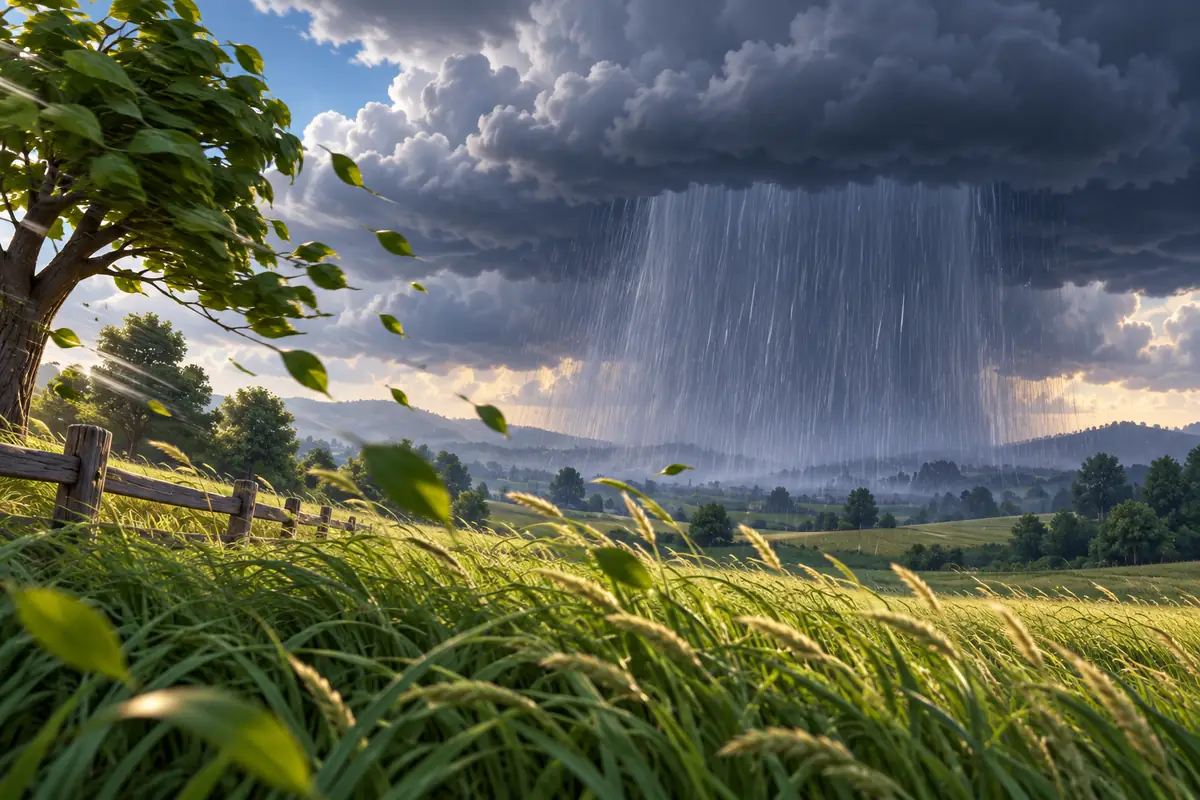
Adjectives for a thunderstorm work best when they identify a visible or audible feature: towering clouds, gusty winds, rumbling thunder, or heavy rain. A thunderstorm includes lightning and thunder, but every storm does not bring every hazard; use evidence from the scene before calling it severe, destructive, or dangerous.
- Clouds: towering, dark, spreading, anvil-shaped.
- Rain and hail: steady, heavy, sudden, icy.
- Wind: gusty, blustery, turbulent.
- Sound: distant, rumbling, sharp, deafening.
- Impact: flooding, damaging, disruptive—only when the effect is observed or forecast.
Which adjectives fit different parts of a thunderstorm?
Choose the adjective that identifies the feature being described, rather than using stormy or powerful for everything. The National Weather Service describes thunderstorms as local storms associated with cumulonimbus clouds, lightning, and thunder; they may also bring heavy rain, strong winds, or hail.
| Storm feature | Accurate adjective choices | Example sentence |
|---|---|---|
| Cloud shape | towering, cumulonimbus, anvil-shaped | A towering cumulonimbus cloud rose beyond the hills. |
| Rain | heavy, steady, torrential | Heavy rain turned the path into shallow runoff. |
| Wind | gusty, blustery, forceful | Gusty wind rattled the loose gate. |
| Thunder | rumbling, sharp, distant | Distant thunder rolled across the valley. |
| Severity | severe, damaging, hazardous | The warning described a severe storm with large hail. |
How can a writer build a precise storm description?
Move from what the sky looks like to what the storm sounds like and does. This order gives readers a clear scene without treating dramatic wording as a weather observation.
- Locate the cloud: note its height, outline, color, and whether it is building or moving away.
- Describe precipitation: distinguish mist, steady rain, downpour, hail, or no rain at your location.
- Add motion and sound: use gusty for wind and rumbling for low rolling thunder.
- Reserve severity for criteria: in the United States, the NWS defines a severe thunderstorm by hail at least one inch across or wind gusts above 58 mph; a tornado also makes a storm severe.
Are “dark,” “torrential,” and “severe” interchangeable?
No. Dark describes appearance, torrential describes very heavy rain, and severe has a technical weather meaning in U.S. forecasts. A dramatic-looking cloud alone does not establish that a storm meets severe criteria, and a serious hazard such as lightning can exist even when rain is light or absent nearby.
Word choice also affects safety. The NWS says that thunder is created by rapidly expanding air along a lightning channel; when thunder can be heard, the lightning threat is close enough to take seriously. Move to a substantial building or hard-topped vehicle and wait at least 30 minutes after the last thunder before going back outdoors.

Frequently Asked Questions About Adjectives for Thunderstorms
What are positive adjectives for a thunderstorm?
For a nature scene, dramatic, electrifying, and majestic can express awe, but they describe a viewer’s response. Pair one with observable details such as a towering cloud or a branching flash so the sentence remains vivid rather than vague.
What is the difference between a thunderstorm and a severe thunderstorm?
A thunderstorm produces lightning and thunder. In U.S. NWS criteria, it is considered severe if it produces hail at least one inch in diameter or wind gusts over 58 mph; a tornado is also a severe-weather threat. Use “severe” for a supported forecast or report, not merely for an ominous appearance.
Is “calm” an antonym of thunderstorm?
Calm describes weather with little wind or disturbance, so it can contrast with a stormy scene. It is not a direct antonym for the noun thunderstorm; a phrase such as clear, calm weather is more precise.
Context for the original list: The material below is preserved verbatim. Some listed “synonyms” or “antonyms” are related conditions, feelings, or weather features rather than direct substitutes for the meteorological noun; use the distinctions above for factual writing.
Original article
Hey there! If you’ve ever experienced a thunderstorm, you know just how powerful and awe-inspiring they can be. The booming thunder, the dazzling lightning, and the torrential rain all come together to create a spectacular display of nature’s might. But how can we put into words the intensity and beauty of a thunderstorm? Well, that’s where adjectives come in. In this article, I’ll be sharing some descriptive words that can help you vividly capture the essence of a thunderstorm. So, whether you’re a writer looking to add some flair to your descriptions or simply someone who wants to better express their experiences, keep reading to discover a range of adjectives that will make your thunderstorm descriptions come alive!
How to Describe thunderstorm? – Different Scenarios
When it comes to describing thunderstorms, there are various scenarios that can help vividly convey the power and beauty of these natural phenomena. As a writer or someone looking to express their experiences with thunderstorms, it’s important to choose the right adjectives to paint a detailed picture in the reader’s mind. Here are some different scenarios and the adjectives that can be used to describe them:
1. Dark and Stormy: In this scenario, the sky is filled with dark clouds and the atmosphere is heavy with anticipation. The adjectives that can be used to describe this kind of thunderstorm are:
- Torrential: Heavy rain that falls with great force.
- Menacing: Giving a feeling of impending danger or harm.
- Intense: Extremely strong or severe.
- Foreboding: A sense of something bad about to happen.
2. Electrifying: In this scenario, lightning pierces through the sky, illuminating the darkness and creating a mesmerizing display. The adjectives that can be used to describe this kind of thunderstorm are:
- Dazzling: Brilliantly or showily bright.
- Electrifying: Producing a thrilling or exciting effect.
- Spectacular: Strikingly beautiful or impressive.
- Enchanting: Delightfully charming or captivating.
3. Rumbling Thunder: In this scenario, the deep rumbling of thunder can be heard, creating a sense of power and awe. The adjectives that can be used to describe this kind of thunderstorm are:
- Resounding: Filling the air with sound; echoing loudly.
- Mighty: Possessing great and impressive power or strength.
- Roaring: Making a loud, deep, and prolonged sound.
- Unyielding: Firm and determined, not giving way.
4. Chaotic Rain: In this scenario, rain pours down in torrents, creating a sense of chaos and confusion. The adjectives that can be used to describe this kind of thunderstorm are:
- Deluge: A severe flood or heavy downpour.
- Blinding: So intense as to cause temporary loss of vision.
- Torrential: Pouring down rapidly and heavily.
- Unpredictable: Difficult or impossible to foretell or foresee.
Describing Words for thunderstorm in English
Thunderstorms are powerful and fascinating natural phenomena that can be both frightening and awe-inspiring. Finding the right words to describe them can help paint a vivid picture in the minds of young learners. In this section, I’ll provide a list of descriptive words that can be used to describe thunderstorms, along with examples to help better understand their meanings.
- Electrifying – Thunderstorms are often filled with electrical energy, creating a thrilling and intense atmosphere. Here are some adjectives you can use to describe an electrifying thunderstorm:
- Intense – Thunderstorms can be incredibly powerful, with strong winds, heavy rain, and lightning. Using adjectives that convey intensity can help describe the impact of a thunderstorm:
- Dramatic – Thunderstorms can create a dramatic and theatrical display, capturing attention with their unpredictable nature. Here are some words that can describe the dramatic aspects of a thunderstorm:
- Chaotic – Thunderstorms can bring a sense of chaos as nature unleashes its might. Here are some adjectives that can be used to describe the chaotic nature of a thunderstorm:
- Mysterious – Thunderstorms have an air of mystery surrounding them, with dark clouds and rumbling thunder. These adjectives can be used to describe the mysterious elements of a thunderstorm:
Remember, when teaching these words to young learners, it’s important to provide examples and create opportunities for them to use these words in context. Encourage them to describe the thunderstorms they have experienced or imagine what a thunderstorm might look, sound, and feel like.
Adjectives for thunderstorm
Positive Adjectives for thunderstorm with 12 Example Sentences
When it comes to thunderstorms, there are certain adjectives that can describe the power and beauty of these natural phenomena. Here are some positive adjectives that can help young learners understand and appreciate thunderstorms:
- Electrifying – The crackling lightning and booming thunder make thunderstorms electrifying. For example, “The thunderstorm was electrifying, filling the sky with dazzling flashes of light.”
- Captivating – Thunderstorms have a way of capturing our attention with their awe-inspiring displays. For example, “The captivating thunderstorm held everyone’s gaze as the dark clouds rolled in.”
- Enthralling – The intensity of a thunderstorm can be enthralling, captivating us with its raw power. For example, “The enthralling thunderstorm left us in awe, as we watched the rain pour down in sheets.”
- Majestic – Thunderstorms have a certain grandeur and majesty that cannot be denied. For example, “The majestic thunderstorm dominated the sky, with its dark clouds and powerful lightning strikes.”
- Energizing – There’s an energy in the air during a thunderstorm that can be invigorating. For example, “The energizing thunderstorm filled the atmosphere with a sense of excitement and anticipation.”
- Exhilarating – The thrill of a thunderstorm can be exhilarating, with its intense flashes of lightning and booming rolls of thunder. For example, “The exhilarating thunderstorm kept us on the edge of our seats, waiting for the next bolt of lightning to strike.”
- Spectacular – Thunderstorms put on a spectacular show with their dazzling lightning and booming thunder. For example, “The spectacular thunderstorm lit up the sky with its breathtaking display of lightning.”
- Powerful – Thunderstorms pack a powerful punch, with their strong winds, heavy rain, and booming thunder. For example, “The powerful thunderstorm shook the ground with its mighty thunderclaps.”
- Dramatic – Thunderstorms are known for their dramatic nature, with dark clouds, bright lightning, and thunder that echoes through the sky. For example, “The dramatic thunderstorm unraveled before our eyes, with lightning illuminating the night sky.”
- Inspiring – The sheer force and beauty of a thunderstorm can be inspiring, igniting our imagination and creativity. For example, “The inspiring thunderstorm fueled my creativity, as I watched the lightning dance across the sky.”
- Mesmerizing – Thunderstorms have a mesmerizing effect, captivating us with their mesmerizing displays of lightning and thunder. For example, “I couldn’t tear my eyes away from the mesmerizing thunderstorm, as it lit up the night sky.”
- Thrilling – Thunderstorms can be thrilling, with their intense flashes of lightning and sudden bursts of thunder. For example, “The thrilling thunderstorm left us breathless, as the lightning cracked and the thunder boomed.”
Negative Adjectives for thunderstorm with 5 example sentences
While thunderstorms can be powerful and intriguing, there are also negative adjectives that can help young learners understand the more intense and chaotic aspects of these natural phenomena:
- Terrifying – Thunderstorms can be terrifying, especially if you’re caught outside in the midst of one. For example, “The terrifying thunderstorm sent people running for cover, as lightning struck nearby.”
- Frightening – Thunderstorms can be frightening, with their booming thunder and flashes of lightning that light up the sky. For example, “The frightening thunderstorm made us jump as the thunder roared and the lightning flashed.”
Synonyms and Antonyms with Example Sentences
Synonyms for thunderstorm
When describing thunderstorms, there are various synonyms that can capture their different qualities and characteristics. Here are some synonyms for thunderstorm, along with example sentences:
| Synonym | Example Sentence |
|---|---|
| Tempest | The tempest raged outside, with thunder and lightning illuminating the darkened sky. |
| Storm | The storm unleashed its fury, shaking the windows and filling the air with the sound of rain and thunder. |
| Electric storm | The electric storm crackled with energy, creating an electrifying atmosphere in the night sky. |
| Cyclone | The cyclone brought strong winds and heavy rain, causing chaos and destruction in its path. |
| Squall | The squall moved swiftly, drenching everything in its path and making the world seem turbulent and wild. |
Antonyms for thunderstorm
Antonyms are words that have opposite meanings. When talking about thunderstorms, there are antonyms that can capture the calm and peaceful contrast. Here are some antonyms for thunderstorm, along with example sentences:
| Antonym | Example Sentence |
|---|---|
| Clear | The weather cleared after the thunderstorm, revealing a beautiful blue sky and shining sun. |
| Serene | After the tumultuous thunderstorm, the surroundings became serene, with no trace of the previous chaos. |
| Tranquil | The tranquil atmosphere after the thunderstorm was a stark contrast to the earlier noise and commotion. |
| Calm | As the thunderstorm subsided, the sea became calm, with gentle waves lapping against the shore. |
| Peaceful | The peaceful landscape after the thunderstorm was a welcome sight, with birds chirping and flowers blooming again. |
By incorporating these synonyms and antonyms into lessons or discussions, we can help young learners develop a well-rounded vocabulary and a deeper understanding of the different aspects of thunderstorms.
Conclusion
In this article, I have explored the power and beauty of thunderstorms, highlighting the importance of using descriptive adjectives to capture their essence. By incorporating positive adjectives such as “majestic,” “awe-inspiring,” and “electrifying,” we can paint a vivid picture of these natural phenomena.
Additionally, I have introduced synonyms and antonyms for the word “thunderstorm,” allowing for a more diverse vocabulary when discussing these weather events. From “tempest” to “calm,” these alternative words provide a range of emotions and perspectives to deepen our understanding.
It is crucial, especially for young learners, to incorporate these synonyms and antonyms into their vocabulary lessons. By doing so, we can help them develop a well-rounded lexicon and foster a deeper appreciation for the complexity of thunderstorms.
So, whether you’re a weather enthusiast or an educator, embracing these descriptive words and encouraging their usage can enhance both our language skills and our understanding of the power and beauty of thunderstorms. Let’s continue to explore and celebrate the wonders of nature through the richness of language.


