
Adjectives for Tradition: Meaning and Examples
Useful adjectives for tradition include ancestral, enduring, time-honored, sacred, customary, festive, vibrant, and evolving. Choose a word that identifies a tradition’s age, purpose, mood, or relationship to a community; no single adjective fits every custom, and context matters when describing living cultures.
Key facts at a glance
- Tradition can mean a long-established belief, principle, or way of acting in a group.
- Ancestral and time-honored emphasize a connection to earlier generations.
- Festive, solemn, and sacred describe different moods or functions.
- Use specific words respectfully and identify whose tradition you mean.
What do adjectives for tradition describe?
Adjectives for tradition describe a custom’s history, continuity, mood, importance, or change. Ancestral points to earlier generations; festive describes a joyful occasion; and evolving signals that a practice changes over time. Cambridge defines tradition as a belief, principle, or way of acting that a group has followed for a long time.
Tradition does not mean that a custom is frozen. Families and communities can keep a practice while adapting its details to new needs. Choose an adjective that says what you can support, rather than treating every inherited practice as ancient, sacred, or unchanged.
Which adjectives fit different traditions?
The best adjective depends on the feature you want to emphasize. Use ancestral or historic for a relationship to the past, customary for what a group commonly does, and festive for a celebratory mood.
| Adjective | Emphasis | Example phrase |
|---|---|---|
| ancestral | Earlier generations | an ancestral craft |
| time-honored | Long-standing practice | a time-honored ceremony |
| customary | Usual within a group | the customary greeting |
| sacred | Religious or deeply revered meaning | a sacred observance |
| festive | Celebration and enjoyment | a festive meal |
| evolving | Continuity with change | an evolving family tradition |
| vibrant | Energy, color, or activity | a vibrant music tradition |
| solemn | Serious or reflective tone | a solemn remembrance |

How can you choose a precise word?
Start by naming the observable quality: when the practice occurs, what participants do, and what meaning they give it. Then choose the adjective that describes that quality. “A springtime family meal” is more concrete than “an ancient tradition” if the custom’s age is unknown.
- Identify the community or family that practices it.
- Decide whether you mean its age, mood, purpose, or changes.
- Check whether the word implies sacredness, permanence, or consensus.
- Add a concrete example so the adjective is easy to understand.
Calling a tradition universal or unchanging can overstate the evidence. A practice may be important to some members and unfamiliar to others, or vary by region and generation.
How do you describe a changing tradition?
Use words such as evolving, adapted, renewed, or contemporary when a practice continues while details change. For example, relatives might keep an annual reunion tradition but meet online when travel is difficult. The name of the custom can persist even when its format shifts.
“Modern tradition” can describe a practice that feels established within a group despite being recent. If timing matters, explain it directly: “The school began its annual reading day in 2018, and students now treat it as a tradition.” Specific dates avoid implying centuries of history.
How can tradition be described respectfully?
Name the people or community connected to a practice when that information is known, and avoid claiming that a single custom represents everyone. Terms such as exotic can frame another group as unusual from an outsider’s viewpoint; a concrete description of clothing, music, food, or ceremony is usually clearer.
Words such as sacred carry religious weight, so use them when participants or reliable sources identify the practice that way. If a custom is contested or changing, mention that variation instead of presenting one description as universal.
Frequently asked questions
What is a simple adjective for tradition?
Traditional is a broad adjective meaning connected with a group’s established customs or ways of behaving. For more precision, use ancestral for a link to earlier generations, festive for a celebratory mood, or evolving for a practice that changes while continuing.
What adjective means passed down through generations?
Ancestral directly points to earlier generations, while inherited can describe something received from people before you. “A family’s ancestral recipe” suggests a link to forebears; “an inherited custom” emphasizes that the practice was handed down. Use a specific community or family when possible.
Can a new custom become a tradition?
Yes. A practice can become a tradition when a family or group repeats it and treats it as meaningful, even if it began recently. Calling it “new” or giving its starting date keeps the description accurate while recognizing its growing importance.
What is the difference between traditional and customary?
Traditional emphasizes a connection to established customs or inherited ways of behaving. Customary means usual or commonly practiced within a group or situation. A greeting can be customary without being ancient, while a traditional ceremony usually points to a continuing practice with shared meaning.
Conclusion
Choose adjectives for tradition by identifying whether you mean age, continuity, mood, meaning, or change. “Ancestral,” “festive,” and “evolving” communicate different facts; specific context helps readers understand a practice without implying that every tradition is ancient or uniform.
Traditions are an integral part of our lives, weaving a rich tapestry of culture and heritage. They are the threads that connect us to our past, shaping our present and influencing our future. In this article, I’ll be exploring the power of adjectives in capturing the essence of tradition. From timeless and sacred to vibrant and festive, these descriptive words allow us to paint a vivid picture of the customs and practices that define our cultures. So, let’s dive in and discover the colorful adjectives that bring traditions to life!
When we think of tradition, certain words come to mind: ancient, enduring, and timeless. These adjectives evoke a sense of history and permanence, reminding us of the deep roots from which our traditions grow. But tradition is not always about the past. It can also be lively, dynamic, and ever-evolving. By using adjectives like vibrant, festive, and celebratory, we can capture the spirit of traditions that are filled with joy, music, and dance. So, whether you’re describing a centuries-old ritual or a modern-day celebration, adjectives play a crucial role in conveying the essence of tradition.
In this article, we’ll explore a range of adjectives that can be used to describe traditions, providing examples and insights along the way. From solemn and solemn to lively and exuberant, these words will help you paint a vivid picture of the customs and practices that have stood the test of time. So, join me as we delve into the world of adjectives for tradition and discover the power of words in capturing the essence of our cultural heritage.
How to Describe tradition? – Different Scenarios
Tradition is a rich and varied concept, and finding the right words to describe it can help us capture its essence. In different scenarios, we may want to describe tradition in various ways, depending on the context and the specific aspects we want to emphasize. Let’s explore some different scenarios and the adjectives that can be used to describe tradition in each one:
- Ancient Tradition: When describing a tradition that has been passed down through generations, we can use adjectives like time-honored, timeless, or age-old. These words highlight the longevity and enduring nature of the tradition, emphasizing its historical significance and the deep roots it has in the culture.
- Vibrant Tradition: Some traditions are full of life, energy, and colors. To describe these traditions, we can use adjectives such as vibrant, lively, or festive. These words convey the sense of excitement and joy that accompanies the celebration of these traditions.
- Cultural Tradition: When describing traditions that are deeply rooted in a particular culture, we can use adjectives like cultural, traditional, or heritage. These words highlight the significance of the tradition in preserving and promoting cultural identity.
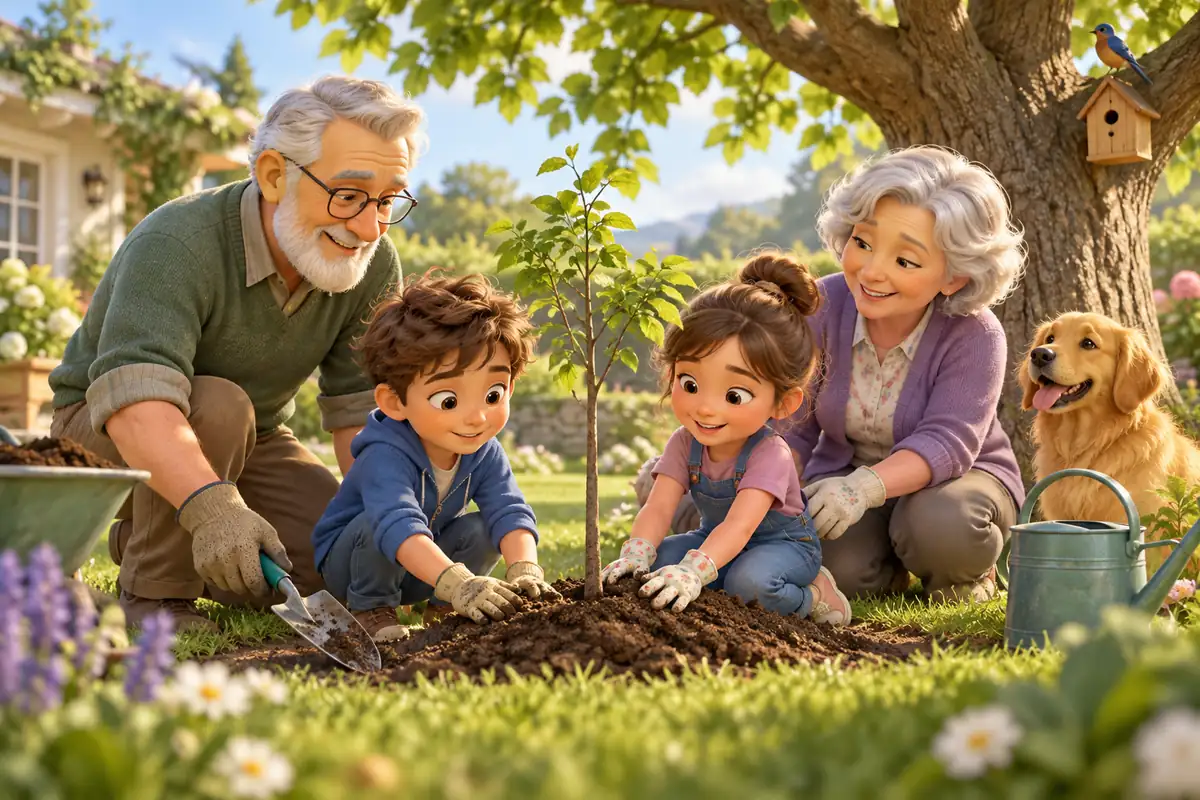
- Family Tradition: Some traditions are specific to individual families or communities. To describe these intimate traditions, we can use adjectives like cherished, heartwarming, or nostalgic. These words evoke feelings of love, togetherness, and the passing down of customs from generation to generation.
Describing Words for tradition in English
As an expert blogger with years of experience, I understand the importance of finding the right words to convey the significance and spirit of traditions. In this section, I will provide you with some describing words that can be used to capture the essence of tradition. Let’s explore, shall we?
Time-Honored
Traditions that have been around for generations, embodying the wisdom and values of our ancestors, can be described as time-honored. These traditions hold a special place in our hearts and continue to inspire us as we pass them down to the next generation. For example:
- Ancient cultural rituals passed down through time.
- Centuries-old practices that have stood the test of time.
Vibrant
When it comes to describing traditions that are full of life and energy, the word vibrant comes to mind. These traditions are often associated with vibrant colors, lively music, and joyful celebrations. For example:
- Festive parades and carnivals that bring communities together.
- Colorful ceremonies filled with music, dance, and laughter.
Cultural and Traditional
For traditions that are deeply rooted in a specific culture or ethnic group, using the words cultural and traditional can help capture their essence. These traditions often reflect the values, beliefs, and customs of a particular community. For example:
- Cultural festivals that showcase the richness of a nation’s heritage.
- Traditional ceremonies that symbolize the values cherished by a community.
Cherished and Heartwarming
When it comes to family traditions, words like cherished and heartwarming come to mind. These traditions create strong bonds between family members and leave lasting memories. For example:
- Beloved holiday traditions that bring families together.
- Heartwarming rituals that remind us of the importance of family.
Using these adjectives can help you accurately describe traditions and capture their essence. Remember, finding the right words is key to conveying the significance and spirit of these special moments. So, let’s choose our words wisely and celebrate the beauty of traditions.
Adjectives for tradition
Positive Adjectives for Tradition with 12 Example Sentences
When it comes to describing traditions, there is a wide range of positive adjectives that can capture their essence. These adjectives not only highlight the significance of traditions but also convey a sense of pride and appreciation. Below are 12 examples of positive adjectives that can be used to describe traditions, along with example sentences showcasing their usage:
| Adjective | Example Sentence |
|---|---|
| Time-honored | The time-honored tradition of passing down family recipes brings generations together. |
| Vibrant | The vibrant celebration of Diwali fills the streets with colorful lights and joyful music. |
| Cultural | The museum showcases a variety of cultural traditions from around the world. |
| Traditional | We gather every year to continue the traditional practice of exchanging gifts during the holiday season. |
| Cherished | The cherished tradition of singing carols by the fireplace creates a warm and festive atmosphere. |
| Heartwarming | It’s always heartwarming to witness the heartwarming tradition of gathering around the dinner table during Thanksgiving. |
Negative Adjectives for Tradition with 5 Example Sentences
While traditions are generally associated with positive feelings, there are also instances where negative adjectives can be used to describe them. These adjectives may highlight aspects of a tradition that may be seen as outdated or restrictive. Here are 5 examples of negative adjectives that can be used to describe traditions, along with example sentences illustrating their usage:
| Adjective | Example Sentence |
|---|---|
| Rigid | The rigid tradition of wearing formal attire during weddings can feel restrictive for some individuals. |
| Outdated | Some people feel that the outdated tradition of arranged marriages no longer reflects modern societal values. |
| Inflexible | The inflexible tradition of celebrating birthdays on the exact date can be challenging for those with busy schedules. |
| Constricting | The constricting tradition of adhering strictly to specific meal times can limit individual flexibility and freedom. |
| Stifling | The stifling tradition of adhering to strict gender roles can hinder personal growth and development. |
By using these adjectives, we can paint a vivid picture of traditions and effectively convey their unique characteristics.
Synonyms and Antonyms with Example Sentences
Synonyms for tradition
Synonyms and Antonyms with Example Sentences
When it comes to describing traditions, there are various synonyms that can be used to add depth and richness to our descriptions. Here are some words that can help us capture the essence of traditions:
- Custom: A custom refers to an established practice or pattern of behavior that is passed down through generations. For example, celebrating birthdays is a common custom in many cultures.
- Ritual: Rituals are a set of actions or ceremonies that hold symbolic meaning and are performed as a part of tradition. Wedding ceremonies, for instance, often include rituals such as exchanging rings and vows.
- Heritage: Heritage signifies the cultural or historical traditions that are inherited from our ancestors. Folk dances are a significant part of our heritage, showcasing the traditional dance forms of a particular culture.
- Legacy: Legacy refers to the valuable traditions or beliefs that are passed on from one generation to another. Storytelling is a cherished legacy in many communities, preserving cultural tales and lessons.
By using these synonyms, we can paint a vivid picture of the traditions we are describing, making our writing engaging and informative.
Antonyms for tradition
While describing traditions, it is essential to consider both the positive aspects and the negative aspects that may exist. Here are some antonyms that can be used to describe traditions that may have outdated or restrictive elements:
- Innovation: Innovation represents the introduction of new ideas, practices, or methods that challenge traditional ways. This can be seen in the use of technology in modern celebrations, which brings a fresh and contemporary twist to traditional customs.
- Progress: Progress signifies moving forward and embracing change. It can be observed in the evolution of gender roles within traditional ceremonies, highlighting a more inclusive and progressive approach.
- Adaptability: Adaptability refers to the ability to adjust and modify traditions to suit the changing times. For example, holiday recipes can be adapted to accommodate dietary restrictions or cultural preferences.
- Modernization: Modernization involves updating or incorporating modern elements into traditional practices. An example of this is the incorporation of social media platforms to share and document traditional events, reaching a wider audience.
By incorporating these antonyms, we can provide a well-rounded perspective on traditions, acknowledging both the positive and negative aspects that they may encompass.
Conclusion
In this blog post, I have discussed the importance of using adjectives to describe traditions. By choosing the right words, we can effectively convey the spirit and unique characteristics of these cultural practices. I have provided examples of positive adjectives that can be used to describe traditions, such as timeless, cherished, and sacred.
Furthermore, I introduced synonyms for tradition, including custom, ritual, heritage, and legacy. These alternative words can help us capture the essence of traditions and add depth to our descriptions. On the other hand, I also presented antonyms for tradition, such as innovation, progress, adaptability, and modernization. These words can be used to describe traditions that may have outdated or restrictive elements.
By expanding our vocabulary and utilizing adjectives effectively, we can paint a vivid picture of traditions and engage our readers in a more meaningful way. So, the next time you write about traditions, remember to choose your adjectives wisely and bring these cultural practices to life.


