Adjectives for a Volcano: Words & Examples
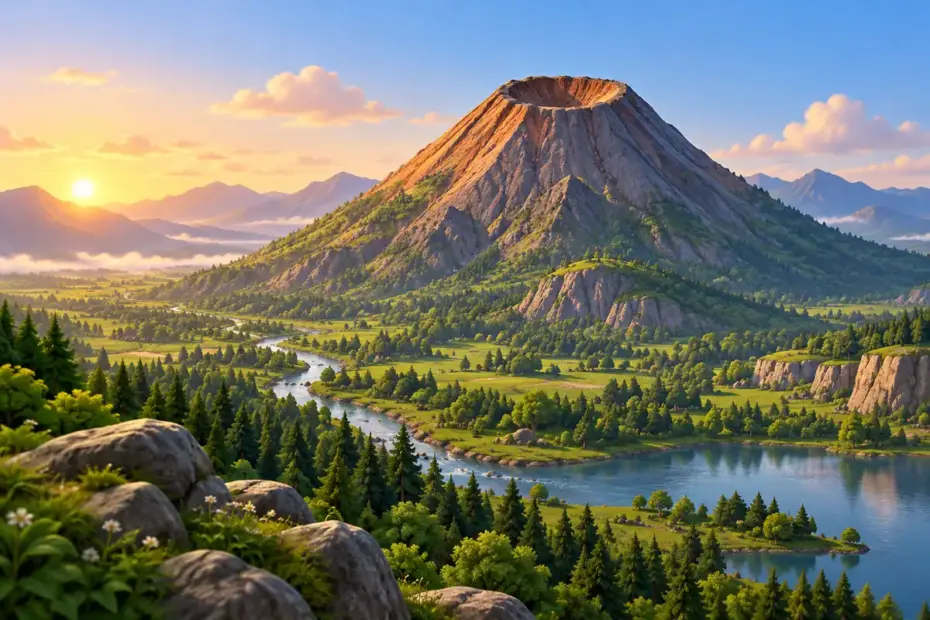
Adjectives for a volcano can describe its shape, surface, activity, eruption, or effect on the landscape. Words such as steep, ash-covered, dormant, and explosive each convey a different fact, so choose a term that matches what you can observe or what a reliable source confirms.
Key facts at a glance
- Use shape and surface adjectives for visible features, such as steep, rocky, or ash-covered.
- Use activity words such as erupting or dormant only when the volcano’s current state is known.
- An adjective can describe the volcano itself, its eruption, its ash cloud, or its landscape.
- A vivid adjective should add a precise detail rather than replace an accurate scientific description.
What adjectives describe a volcano?
Useful adjectives for a volcano describe a feature readers can picture or a condition supported by evidence. Conical describes a cone-like shape; rocky describes a surface; ash-covered describes visible material; and erupting describes activity happening now. A good sentence connects each adjective to the noun it actually modifies.
| Adjective | What it describes | Example |
|---|---|---|
| steep | slope or side | The steep volcano rose above the valley. |
| conical | overall shape | A conical volcano formed a clear peak. |
| rocky | surface material | Rocky slopes surrounded the crater. |
| ash-covered | visible deposit | An ash-covered field stretched below the volcano. |
| active | geologic potential or activity, depending on context | The observatory monitors the active volcano. |
| dormant | not erupting now but still potentially active | The dormant volcano showed signs of unrest. |
| explosive | an eruption with forceful material ejection | An explosive eruption sent ash into the air. |
| imposing | impression made by its size or presence | The imposing peak dominated the horizon. |
Which adjectives describe a volcano’s activity?
Erupting, active, dormant, and extinct refer to different claims about volcanic activity, so they are not interchangeable mood words. The U.S. Geological Survey explains that volcanologists do not use these categories with perfect consistency; evidence such as magma-related earthquakes, ground deformation, and hydrothermal activity can matter as much as time since an eruption.
A volcano called dormant is not necessarily harmless or permanently quiet. For general writing, use “not erupting at present” when that is the fact you know. Use a formal activity label only when a credible geological source applies it to that specific volcano.
How can you make volcano descriptions more vivid?
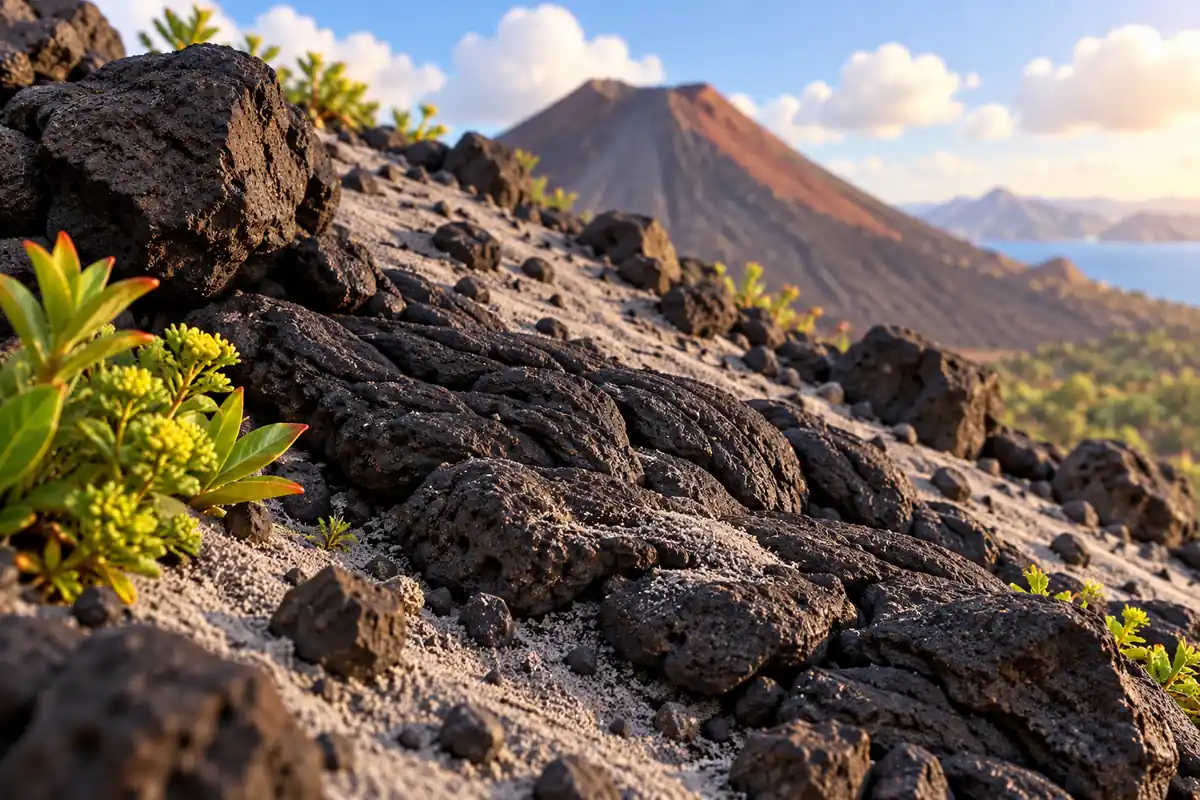
Pair one physical adjective with one precise action or effect. “A steep, ash-covered cone rose above the plain” gives a visible shape and surface; “a volcano erupted” gives activity but little scene detail. Avoid stacking several near-synonyms such as huge, massive, giant, enormous when one accurate word and a measurement would be clearer.
- For shape: conical, broad, steep-sided, cratered.
- For material: rocky, ash-covered, lava-streaked, rugged.
- For activity: erupting, steaming, dormant, monitored.
- For atmosphere: imposing, distant, smoke-shrouded, dramatic.
Use sensory and mood terms as description, not as evidence. “Menacing” tells readers how a scene feels; it does not establish a scientific hazard level. A hazard statement should identify the source, date, or observable condition behind it.
How do you choose the right adjective for a volcano?
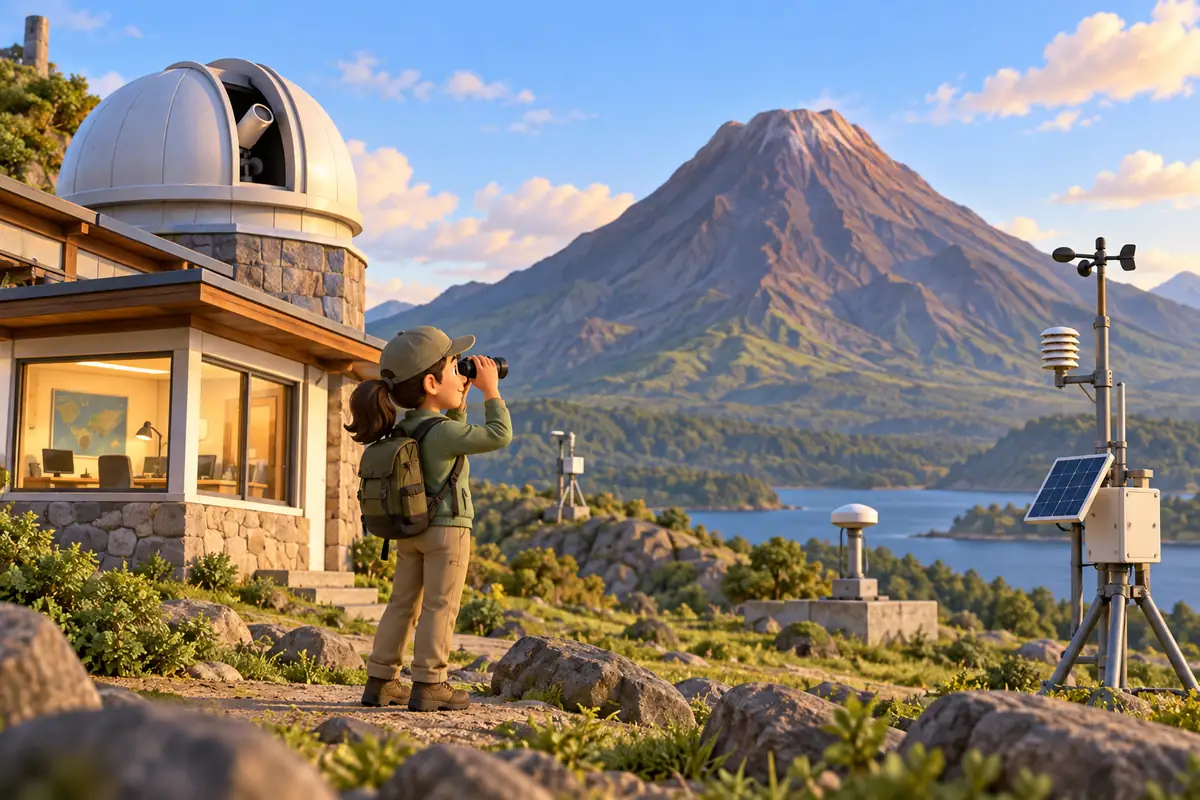
Choose the adjective by asking whether the sentence describes a visible feature, a geologic interpretation, or a reader’s impression. A photograph may support steep or ash-covered; a monitoring report may support dormant or active; a narrative voice may call a peak majestic. Keeping those categories separate makes descriptions vivid without overstating risk.
- Name the feature: shape, surface, activity, or effect.
- Choose the narrowest accurate adjective.
- Add a concrete noun or action that shows what the adjective means.
- Check technical labels against a current source when accuracy matters.
For a school report, “a steep volcano with a broad crater” is more informative than “a scary volcano.” For a travel essay, “the imposing mountain appeared through low cloud” can convey mood while remaining clearly subjective.
Frequently asked questions
What is a good adjective for a volcano?
Steep is a useful adjective when the volcano’s sides rise sharply; conical fits a cone-shaped peak, and ash-covered fits a visible deposit. Choose the word that describes the feature you mean, rather than using a dramatic term such as “dangerous” without evidence.
Is dormant a safe word to describe a volcano?
Dormant generally means a volcano is not erupting now but could erupt again. It does not mean the volcano is guaranteed safe or permanently inactive. Since scientific classifications vary, identify the source or say “not currently erupting” if that is the only fact you can confirm.
What adjectives describe a volcanic eruption?
An eruption can be described as explosive, effusive, ash-rich, or ongoing, depending on what is happening. These words describe eruption style, material, or timing, not the volcano’s permanent shape. For technical writing, use the description given by a geological observatory.
Can a volcano be called beautiful or frightening?
Yes. Beautiful, majestic, and frightening express a writer’s or observer’s impression, so they work in narrative descriptions. They do not replace factual adjectives such as cratered or erupting, and they should not be used as scientific hazard classifications in factual reporting.
Conclusion
The best adjectives for a volcano identify a real feature, activity, or clearly subjective impression. Choose precise words such as steep, cratered, or ash-covered for visible details, and verify labels such as active or dormant with a geological source. A specific example makes each adjective easier to understand.
Volcanoes have always fascinated me with their raw power and majestic beauty. As an avid traveler and nature enthusiast, I’ve had the privilege of witnessing the awe-inspiring sight of erupting volcanoes firsthand. But have you ever wondered how to describe these incredible natural wonders? In this article, I’ll be sharing a comprehensive list of adjectives that can be used to describe volcanoes, along with examples to help paint a vivid picture in your mind.
How to Describe volcano? – Different Scenarios
When it comes to describing a volcano, there are several scenarios in which we can use different adjectives to create a vivid picture. Let’s explore some of these scenarios and the adjectives that can be used to describe volcanoes in each of them:
- Active Volcano
- Dormant Volcano
- Extinct Volcano
- Violent Eruption
- Gentle Eruption
- Massive Volcanic Ash Cloud
As you can see, each scenario presents a different aspect of a volcano, allowing us to use a wide range of descriptive adjectives. By using these adjectives, we can paint a vivid and engaging picture for our readers, whether they are preschool teachers looking to teach children about volcanoes or simply individuals intrigued by the power and beauty of these natural phenomena.
Describing Words for volcano in English
When it comes to describing volcanoes, there are a variety of words that can be used to paint a vivid picture. Here are some examples of adjectives that are commonly used to describe volcanoes:
- Active – A volcano that is currently erupting or showing signs of eruption.
- Dormant – A volcano that is not currently erupting, but has the potential to erupt in the future.
- Extinct – A volcano that is no longer active and is unlikely to erupt again.
- Violent – Describes an eruption that is explosive and powerful.
- Gentle – Describes an eruption that is relatively calm and less explosive.
- Massive – Describes a volcano that is very large in size or has produced a significant amount of lava or ash.
In addition to these descriptive words, there are also other terms that can be used to describe specific features or aspects of volcanoes. Here are a few examples:
- Crater – The bowl-shaped depression at the top of a volcano where eruptions occur.
- Lava – Molten rock that flows from a volcano during an eruption.
- Ash – Fine particles of volcanic rock that are released into the air during an eruption.
- Magma – Molten rock beneath the Earth’s surface that can erupt to form a volcano.
By using these descriptive words, teachers can help young children develop a better understanding of volcanoes and the different characteristics they can have. It also allows children to expand their vocabulary and learn new words in a fun and engaging way.
I hope these examples of describing words for volcanoes have been helpful. Remember, using descriptive adjectives can create a vivid and engaging picture for readers, whether they are preschool teachers or individuals fascinated by the power and beauty of volcanoes.
Adjectives for volcano
As an expert in volcanology, I’m well aware of the power and beauty of these natural wonders. Describing volcanoes using the right adjectives can help to create a vivid and engaging picture for readers. In this section, I’ll provide you with a list of positive and negative adjectives to describe volcanoes, along with example sentences to make it easier for preschool teachers and parents to teach these words to young children.
Positive Adjectives for Volcanoes
When it comes to positive adjectives for volcanoes, there are numerous words that can be used to describe their awe-inspiring nature. Here are 12 examples along with example sentences:
| Adjective | Example Sentence |
|---|---|
| Majestic | The majestic volcano stood tall and proud, its fiery red lava flowing down its slopes. |
| Powerful | Witnessing the powerful eruption of the volcano was both terrifying and mesmerizing. |
| Beautiful | The beautiful volcanic crater was filled with vibrant colors and steaming hot water. |
| Magnificent | From a distance, the magnificent volcano looked like a giant towering over the landscape. |
| Impressive | The ash cloud formed by the volcano’s eruption was an impressive sight to behold. |
| Tranquil | Despite its potential for destruction, the volcano’s dormant state gave it a tranquil appearance. |
| Mesmerizing | The mesmerizing glow of the lava flowing from the volcano captured everyone’s attention. |
| Mysterious | The mysterious aura surrounding the dormant volcano piqued the curiosity of scientists. |
| Enchanting | The enchanting landscape of the volcano, with its rugged cliffs and steaming vents, was truly unique. |
| Thrilling | Climbing to the top of the volcano and looking into its crater was a thrilling adventure. |
| Grand | The grand volcanic mountain dominated the horizon, its snow-capped peaks contrasting with the black lava. |
| Exhilarating | The exhilarating sound of the volcano’s eruption filled the air, creating a sense of awe and wonder. |
Negative Adjectives for Volcanoes
While volcanoes can be fascinating, it’s important to acknowledge their potential dangers. Here are 5 negative adjectives to describe volcanoes:
| Adjective | Example Sentence |
|---|---|
| Destructive | The destructive force of the volcano’s eruption caused widespread damage to nearby towns. |
| Terrifying | The terrifying eruption of the volcano sent residents fleeing for their lives. |
| Devastating | The devastating impact of the volcano’s eruption left a trail of destruction in its wake. |
| Dangerous | The dangerous gases emitted by the volcano made it unsafe for people to be in the vicinity. |
| Unpredictable | Volcanoes are often unpredictable, making it challenging for scientists to forecast their eruptions. |
Remember, when teaching young children about volcanoes, it’s essential to provide them with a balanced understanding of these amazing natural phenomena. Using positive and negative adjectives can help them develop a well-rounded perspective while expanding their vocabulary.
Continue reading the next section to explore more examples of adjectives for specific features and aspects of volcanoes.
Synonyms and Antonyms with Example Sentences
Synonyms for volcano
When we talk about volcanoes, we can use different words to describe them. These synonyms can help us expand our vocabulary and better understand these natural wonders. Here are some synonyms for volcano:
- Mountain of Fire
- Lava Spewer
- Fiery Mountain
- Volcanic Peak
Using synonyms not only adds variety to our language, but it also helps us paint a more vivid picture when describing volcanoes. For example:
- The Mountain of Fire erupted with a tremendous roar, sending a towering plume of ash into the sky.
Antonyms for volcano
Antonyms are words that have opposite meanings. While there may not be direct antonyms for the word “volcano” itself, we can use antonyms to describe different aspects of volcanoes. Here are some antonyms that can be used to describe certain characteristics of volcanoes:
- Peaceful
- Calm
- Inactive
- Cool
When we use antonyms, it helps us create a balance and contrast in our descriptions. For example:
- Despite its dormant state, the volcano exudes an air of peaceful majesty, with its lush vegetation and serene surroundings.
By using a variety of synonyms and antonyms, we can paint a more detailed and engaging picture of volcanoes, captivating young minds and expanding their vocabulary.
| Synonyms for volcano | Example Sentence |
|---|---|
| Mountain of Fire | The Mountain of Fire erupted with a tremendous roar. |
| Lava Spewer | The Lava Spewer unleashed a torrent of molten rock down its slopes. |
| Fiery Mountain | The Fiery Mountain emitted a brilliant glow that lit up the night sky. |
| Volcanic Peak | The Volcanic Peak towered above the surrounding landscape, its jagged edges an imposing sight. |
| Antonyms for volcano | Example Sentence |
|---|---|
| Peaceful | Despite its dormant state, the volcano exudes an air of peaceful majesty. |
| Calm | The ocean waves lapped gently against the foot of the volcano, providing a calm contrast to its fiery nature. |
| Inactive | The inactive volcano stood as a silent sentinel, its days of eruptive activity long gone. |
| Cool | Tourists marveled at the cool temperature within the volcanic cave, a stark difference from the scorching heat outside. |
Conclusion
Expanding our vocabulary is essential when it comes to describing volcanoes. In this article, we have explored a range of adjectives that can be used to paint a vivid picture of these natural wonders. Synonyms like “Mountain of Fire,” “Lava Spewer,” “Fiery Mountain,” and “Volcanic Peak” add depth and intensity to our descriptions. On the other hand, antonyms such as “Peaceful,” “Calm,” “Inactive,” and “Cool” provide a contrasting perspective, highlighting the dynamic nature of volcanoes.
By incorporating a variety of adjectives, we can captivate young minds and engage readers in a more detailed exploration of these fascinating geological formations. These descriptive words not only enhance our understanding of volcanoes but also expand our vocabulary, empowering us to express ourselves more creatively and effectively.
So, whether you’re writing a scientific paper, a travel blog, or simply having a conversation about volcanoes, remember to choose your adjectives wisely. Let your words ignite the imagination and bring the awe-inspiring power of volcanoes to life.


