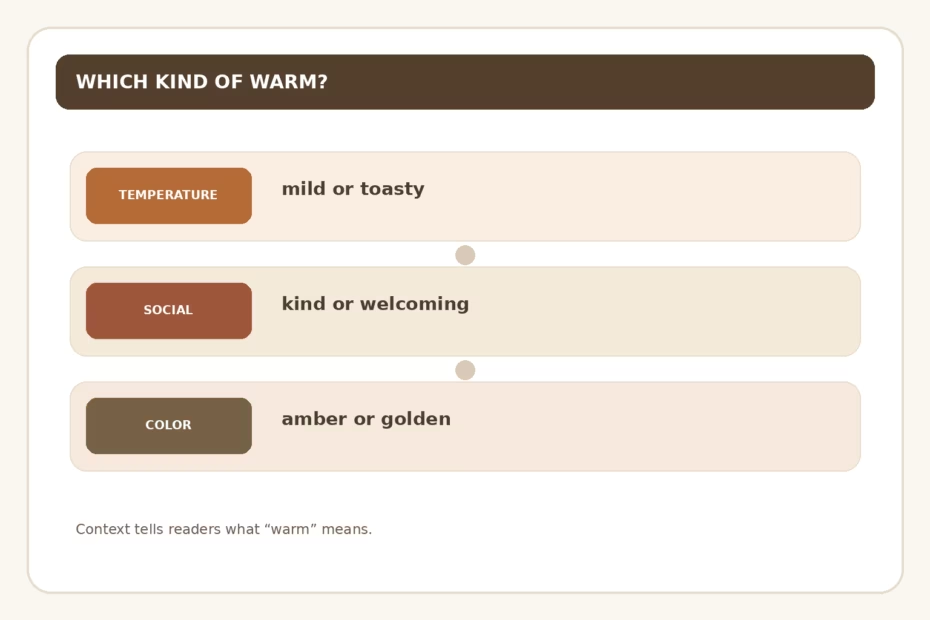
Warm can describe a comfortably high temperature, a friendly manner, or a color that suggests heat. The best adjective depends on which meaning you intend. A toasty room is pleasantly warm; a warm welcome is friendly; amber light may cast a warm glow. These uses are related by association, but their descriptive words are not always interchangeable.
Choose an adjective for the kind of warmth
| Meaning | Possible adjectives | Example |
|---|---|---|
| Comfortable temperature | Toasty, mild, balmy, temperate | “A mild breeze crossed the warm garden.” |
| Strong or uncomfortable heat | Sweltering, stifling, scorching, oppressive | “The stifling room felt hotter as the afternoon wore on.” |
| Friendly manner or feeling | Affectionate, welcoming, cordial, reassuring | “The host gave each visitor a warm welcome.” |
| Color or light | Golden, amber, reddish, sunlit | “Amber lamps gave the room a warm glow.” |
| Soft or cozy comfort | Snug, cozy, comforting, toasty | “She settled into a snug chair with a blanket.” |
These groups overlap in mood, but the context tells the reader what is warm. “A friendly smile” describes a person’s expression; “a warm smile” uses the social meaning of warm. “A warm red” usually describes the color family or its effect, not the paint’s physical temperature.
Warm, hot, and mild
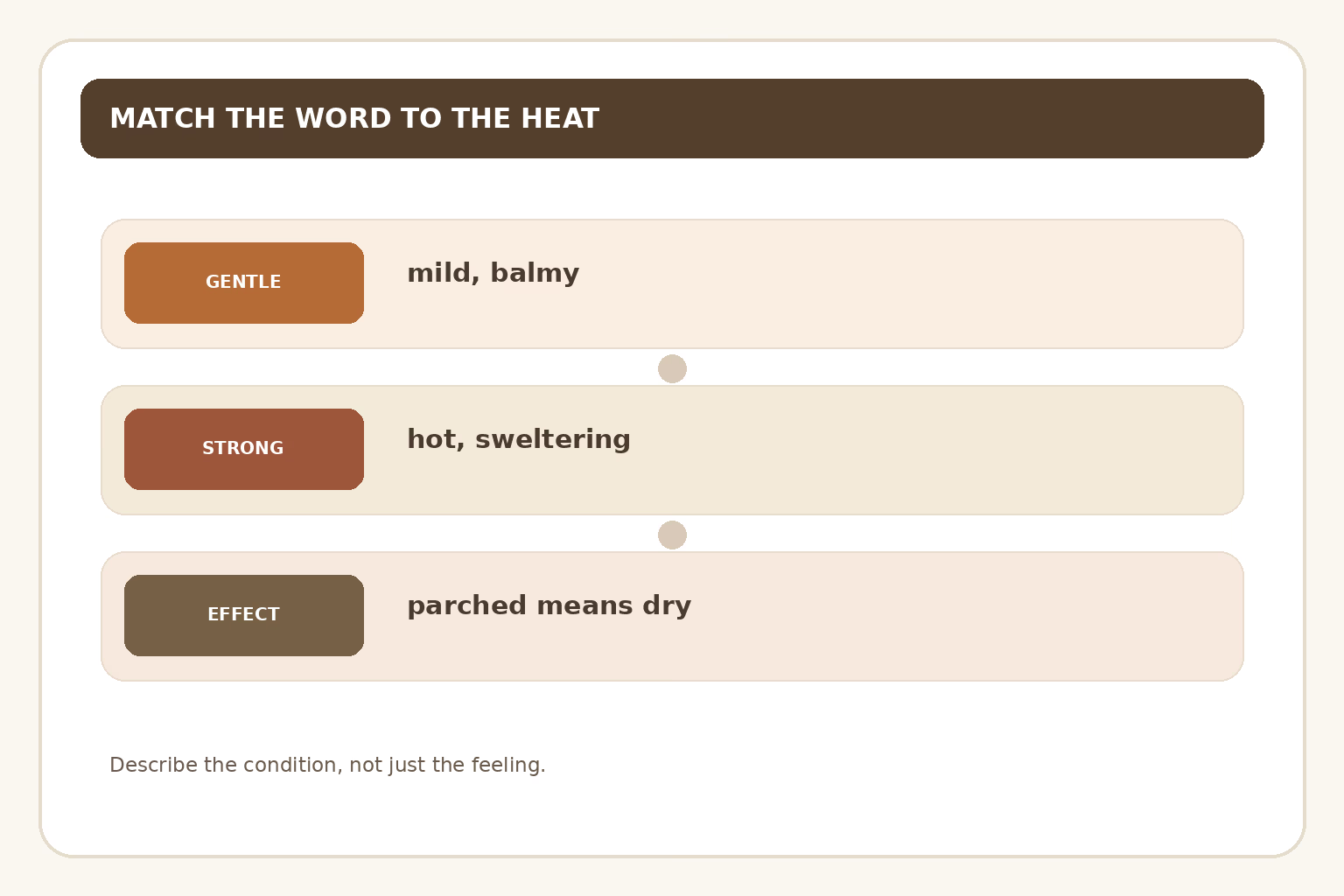
Warm usually means pleasantly above cool but not hot. If the heat is intense, words such as hot, scorching, sweltering, or blistering may be more accurate. If it is gentle or moderate, try mild, balmy, temperate, or tepid. Lukewarm often means only slightly warm and can suggest that food or a response is less enthusiastic than expected.
Intensity words also have different jobs. Sweltering describes very hot, uncomfortable weather or a place; stifling often suggests heat or a lack of fresh air that feels hard to bear. Parched means very dry or thirsty, so it usually describes land, a throat, or a person affected by heat—not the temperature itself. “The parched hiker searched for water” is more precise than “the afternoon was parched.”
Warm as a feeling or personality description
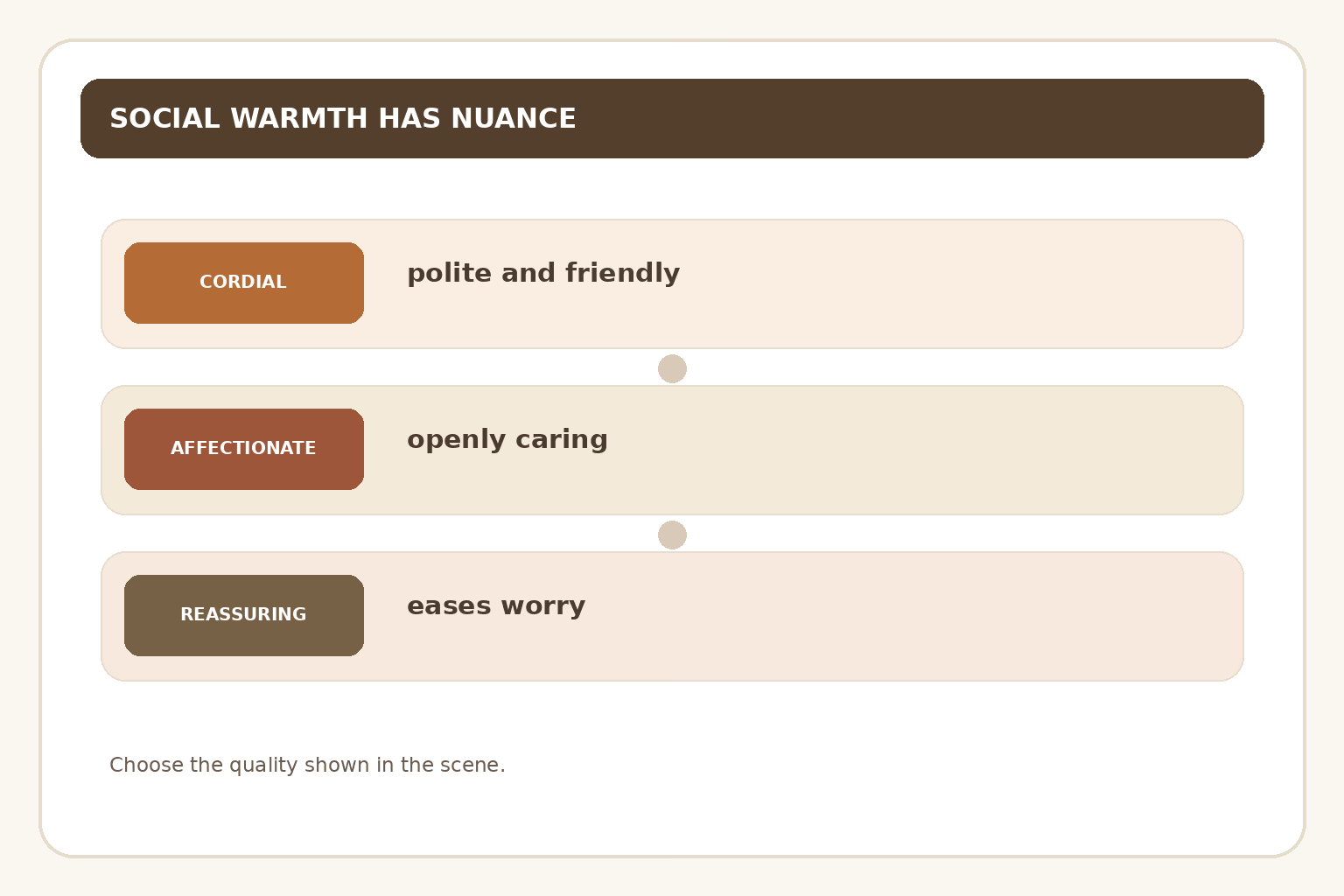
In social contexts, warm suggests friendliness, affection, or enthusiasm: a warm greeting, warm applause, or a warm personality. Alternatives include cordial for polite friendliness, affectionate for openly caring behavior, and welcoming for making someone feel invited. Reassuring describes something that eases worry, while inviting describes something that attracts or encourages people to approach.
Choose the word that fits the actual scene: “Her cordial reply was polite but brief,” “His affectionate note expressed care,” or “The inviting porch had a bench and open door.” Calling every positive feeling “warm” can make a description vague.
Warm colors and sensory details
Warm colors are often associated with reds, oranges, and yellows. Instead of saying only “the palette was warm,” name the visual detail: “rust-red leaves and amber light gave the painting a warm palette.” For temperature writing, add evidence readers can sense: “The mug warmed my hands,” “the sand felt toasty beneath my feet,” or “a balmy breeze moved through the open window.”
How to use “warm” in a sentence
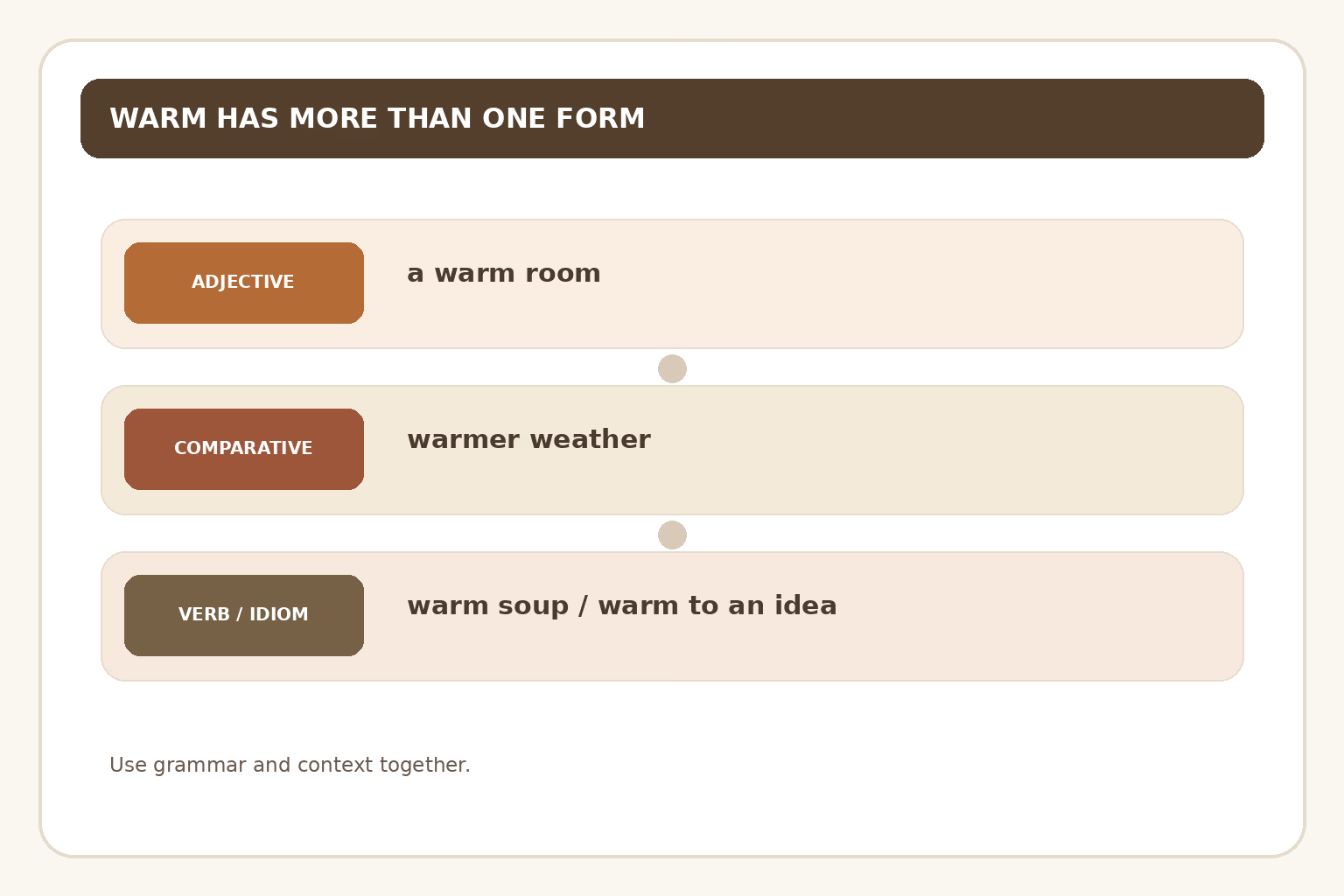
Warm can come before a noun (“a warm blanket”) or after a linking verb (“the blanket feels warm”). Its comparative and superlative forms are warmer and warmest: “Today is warmer than yesterday,” and “March was the warmest month that year.” The verb warm means to make or become warm: “Warm the soup gently,” or “The room warmed after sunrise.”
The phrasal verb warm to someone or something means to start liking or becoming interested in that person or idea: “At first, I was unsure about the proposal, but I warmed to it after the discussion.” It does not describe temperature in this use.
Quick sentence patterns
- “The [mild / balmy / sweltering] [air / afternoon / room] felt [warm / hot] because [sensory detail].”
- “A [cordial / affectionate / reassuring] [greeting / note / response] made [person] feel welcome.”
- “The [amber / rust-red / golden] [light / palette / leaves] gave the scene a warm appearance.”
- “At first [person] was unsure about [idea]; after [reason], they warmed to it.”
Cambridge Dictionary and Oxford Learner’s Dictionaries describe warm as covering both comfortable temperature and friendly qualities, and Oxford also gives its color and guessing uses. Their examples show why context matters: “warm enough,” “a warm welcome,” and “getting warmer” refer to different meanings.
The adjectives and examples below provide more options. Use the context to decide whether you are describing temperature, a person’s manner, a color, or the feeling a place creates.
When it comes to describing warmth, there is a wide range of adjectives that can capture the essence of this comforting sensation. From the gentle warmth of a cozy fireplace to the scorching heat of a summer day, these adjectives help paint a vivid picture of the temperature and atmosphere. In this article, I’ll be sharing a variety of adjectives that can be used to describe warmth, along with examples to illustrate their usage. So, whether you’re a writer looking to add depth to your descriptions or simply someone who enjoys exploring the nuances of language, let’s dive into the world of adjectives for warm.
- Cozy: Imagine snuggling up under a soft blanket on a chilly winter evening. That feeling of comfort and contentment is perfectly captured by the adjective “cozy.” For example, “The cabin was warm and cozy, with a crackling fire and plush furnishings.”
- Balmy: Picture yourself on a tropical beach, with the sun shining down and a gentle breeze rustling through the palm trees. This delightful combination of warmth and pleasantness can be described as “balmy.” For instance, “The balmy evening air wrapped around us as we strolled along the sandy shore.”
- Toasty: When something is pleasantly warm and comfortable, we often use the term “toasty.” It brings to mind the feeling of being wrapped in a warm embrace or enjoying a hot drink on a chilly day. As an example, “I slipped on my toasty slippers and settled down with a cup of cocoa by the fireplace.”
How to Describe warm? – Different Scenarios
When it comes to describing warm, there are many adjectives that can capture the essence of this cozy and comforting feeling. Let me walk you through a few different scenarios and the adjectives that can be used to describe them.
1. Cozy Fireplace:
Imagine sitting in front of a crackling fireplace, feeling the gentle warmth enveloping you. Here are some adjectives to describe this scenario:
- Snug: The cozy fire made me feel snug and content.
- Inviting: The inviting fireplace beckoned me to sit and warm up.
- Comforting: The comforting heat of the fire made me feel safe and relaxed.
2. Sunny Day at the Beach:
Picture yourself on a sunny beach day, feeling the warmth of the sun on your skin. Here are some adjectives to describe this scenario:
- Radiant: The radiant sun filled the beach with warmth and light.
- Blissful: I lay on the beach in blissful warmth, listening to the waves.
- Soothing: The soothing heat of the sun melted away my stress.
3. Hot Summer Afternoon:
Think of a scorching hot summer afternoon, where the heat seems relentless. Here are some adjectives to describe this scenario:
- Sweltering: The sweltering heat made it hard to breathe.
- Sizzling: The concrete was sizzling hot under my bare feet.
- Parched: My throat felt parched from the intense heat.
4. Cuddling with a Loved One:
Imagine snuggling up with someone you love, experiencing their warmth. Here are some adjectives to describe this scenario:
- Embracing: Their warmth was embracing and comforting.
- Affectionate: We shared an affectionate, warm embrace.
- Intimate: Cuddling with them felt intimate and cozy.
In each scenario, these adjectives help to paint a vivid picture of the feeling of warmth. Whether it’s the gentle heat of a cozy fireplace, the delightful combination of the sun’s warmth at the beach, the intense heat of a summer day, or the comforting warmth of a loved one, adjectives can add depth and richness to our descriptions.
Describing Words for warm in English
When it comes to describing warmth, there are many adjectives that can help paint a vivid picture in our minds. Here are some descriptive words to use when talking about warmth:
- Cozy: Imagine snuggling up under a soft blanket on a chilly evening. That feeling of being warm, comfortable, and safe is what we often describe as cozy.
- Toasty: This adjective brings to mind the feeling of warmth spreading through your body, like when you’re sitting in front of a crackling fireplace, enjoying the gentle heat on a cold winter night.
- Sun-kissed: Picture yourself lying on a sandy beach, basking in the sun’s rays. The warmth of the sun kissing your skin creates a pleasant sensation of comfort and relaxation.
- Sizzling: This word evokes the image of a scorching hot summer day when the temperature rises and everything seems to sizzle. It captures the intense heat and the feeling of warmth radiating from the sun-soaked ground.
- Cuddly: Snuggling with a loved one or a furry friend can bring a sense of warmth and comfort. This adjective perfectly describes the cozy and intimate feeling of being close to someone or something you care about.
- Balmy: When the air is mild and pleasant, we describe it as balmy. Think of a gentle breeze on a summer evening, providing a soothing and temperate warmth.
- Inviting: This word suggests that warmth is not just a physical sensation, but also an emotional one. An inviting warmth makes you feel welcome, like a cozy gathering with loved ones or a warm hug from a friend.
Remember, using adjectives to describe warmth can enhance your descriptions and make them more engaging. Experiment with these words to bring your writing to life and captivate your readers.
| Adjective | Meaning | Example Sentence |
|---|---|---|
| Cozy | Warm, comfortable, and safe | I love curling up with a good book in a cozy chair. |
| Toasty | Warm and comforting, like being by a fireplace | The fire in the fireplace made the room toasty warm. |
| Sun-kissed | Warmth from the sun’s rays | After a day at the beach, I had a sun-kissed glow. |
Adjectives for warm
Positive Adjectives for Warm
When it comes to describing warmth, there are several positive adjectives that can be used to paint a vivid picture. These adjectives not only capture the physical sensation of warmth but also convey a sense of comfort and coziness. Here are 12 examples of positive adjectives for warm:
| Adjective | Example Sentence |
|---|---|
| Cozy | The blanket feels cozy on a chilly winter night. |
| Toasty | I love how toasty it feels sitting by the crackling fireplace. |
| Sun-kissed | The beach looks even more beautiful with its sun-kissed sand. |
| Sizzling | The pan was hot, and the steak was sizzling as it cooked. |
| Cuddly | The plush teddy bear is so cuddly when you hold it. |
| Balmy | The gentle breeze and warm sun create a balmy afternoon. |
| Inviting | The hot cup of cocoa is so inviting on a cold day. |
| Radiant | The glowing sunset casts a radiant warmth over the landscape. |
| Snug | The small cabin provides a snug and cozy retreat in the woods. |
| Pleasant | The warm breeze on the porch is pleasant on a summer evening. |
| Cheerful | The warm campfire creates a cheerful atmosphere in the night. |
| Reassuring | The warm hug from a loved one is so reassuring and comforting. |
Negative Adjectives for Warm
While warmth is usually associated with positive feelings, there may be situations where the heat can become uncomfortable or oppressive. These negative adjectives capture the less desirable aspects of warmth. Here are 5 examples of negative adjectives for warm:
| Adjective | Example Sentence |
|---|---|
| Sweaty | The intense workout left me feeling sweaty and overheated. |
| Stifling | The crowded room was stifling, with no air circulation. |
| Burning | The scorching sun was burning my skin as I walked outside. |
| Unbearable | The high humidity made the heat unbearable to bear. |
| Oppressive | The heatwave created an oppressive atmosphere in the city. |
Synonyms and Antonyms with Example Sentences
Synonyms for warm
When it comes to describing warmth, there are several synonyms that can help to paint a vivid picture. Here are some alternatives to the word “warm”, along with example sentences to showcase their usage:
| Synonym | Example Sentence |
|---|---|
| Radiant | The sun felt radiant on my skin. |
| Snug | The blanket made me feel snug and cozy. |
| Pleasant | The hot cup of tea created a pleasant sensation. |
| Cheerful | The warm colors of the sunset were cheerful. |
| Reassuring | His affectionate hug was reassuring. |
By using these synonyms instead of repeatedly using “warm”, we can create more engaging and descriptive descriptions.
Antonyms for warm
Sometimes, it’s useful to describe the absence of warmth or something that is the opposite of warm. Here are some antonyms for warm, along with example sentences:
| Antonym | Example Sentence |
|---|---|
| Cold | The icy wind made me shiver with cold. |
| Chill | The air conditioner provided a refreshing chill. |
| Cool | The breeze from the fan felt cool against my skin. |
| Frigid | She huddled under the blanket to escape the frigid temperatures. |
| Icy | The frozen lake was covered in icy patches. |
Using these antonyms can help to create a more comprehensive description of different temperature conditions.
As a writer, it’s important to have a wide range of vocabulary at your disposal to effectively capture the essence of warmth or lack thereof. By incorporating synonyms and antonyms, you can add depth and variety to your writing, making it more engaging for your readers.
Conclusion
In this article, I have discussed a range of adjectives that can be used to describe warmth in various contexts. From positive adjectives like radiant, snug, pleasant, cheerful, and reassuring to negative adjectives such as sweaty, stifling, burning, unbearable, and oppressive, these descriptive words allow us to paint a vivid picture of the feeling of warmth.
By incorporating these adjectives into our writing, we can create more engaging and immersive descriptions. Whether we are describing the cozy embrace of a warm blanket or the uncomfortable heat of a scorching summer day, these adjectives help us capture the essence of warmth and convey it to our readers.
Furthermore, I have introduced synonyms and antonyms for the word “warm” and provided example sentences to showcase their usage. By utilizing these alternatives, we can add depth and variety to our descriptions of warmth or lack thereof.
By harnessing the power of adjectives to describe warmth, we can elevate our writing and evoke a more visceral experience for our readers. So, let’s embrace the richness of language and explore the vast array of adjectives available to us when describing warmth.