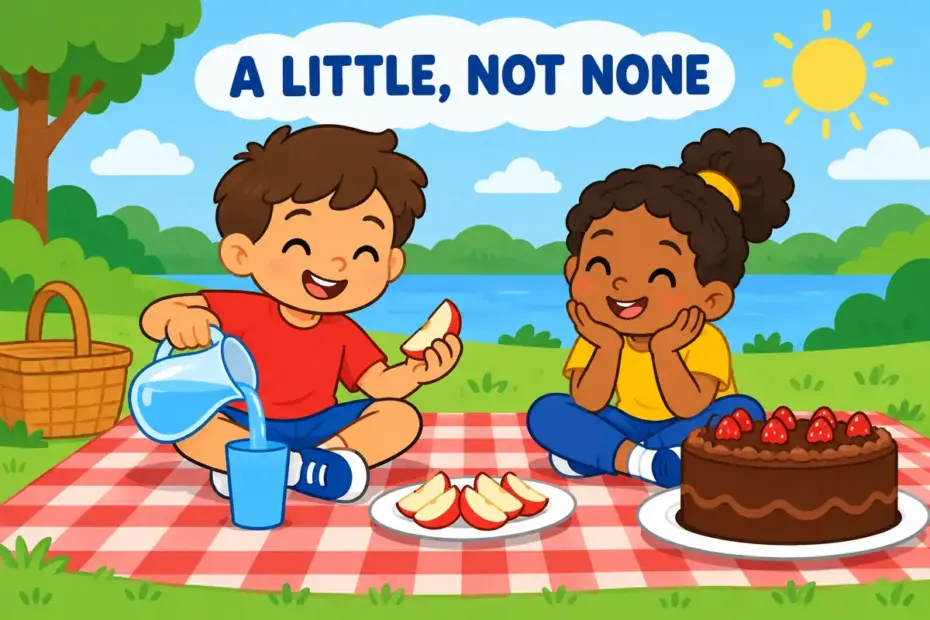
Abstemious describes a person who eats and drinks only in moderation, or a way of living that is deliberately sparing. To use abstemious in a sentence, place it before the noun it describes: an abstemious host served water instead of wine. The adjective is formal and it measures restraint, not refusal.
Abstemious at a glance
- Abstemious is an adjective meaning moderate, especially in eating and drinking.
- It usually comes before a noun: an abstemious meal, an abstemious routine.
- The adverb is abstemiously and the noun is abstemiousness.
- The word is formal and slightly literary rather than an everyday choice.
- The commonest error is treating abstemious as total abstinence, which it does not mean.
What does abstemious mean?
Abstemious is an adjective meaning not self-indulgent, especially with food and drink. The Cambridge entry for abstemious ties it to moderation rather than refusal. A person can be abstemious and still enjoy a dessert; what the word rules out is excess. Where the restraint is about money, frugal with money is the closer adjective, because abstemious keeps one eye on appetite.
| Sense | Plain meaning | Example sentence |
|---|---|---|
| Temperate eater or drinker | Eats and drinks only a little | An abstemious walker carried water and dry bread. |
| Sparing way of living | Plain, restrained, never lavish | Their abstemious flat had one chair and no carpet. |
| Restraint in a single area | Moderate in one named activity | He is abstemious in his use of social media. |
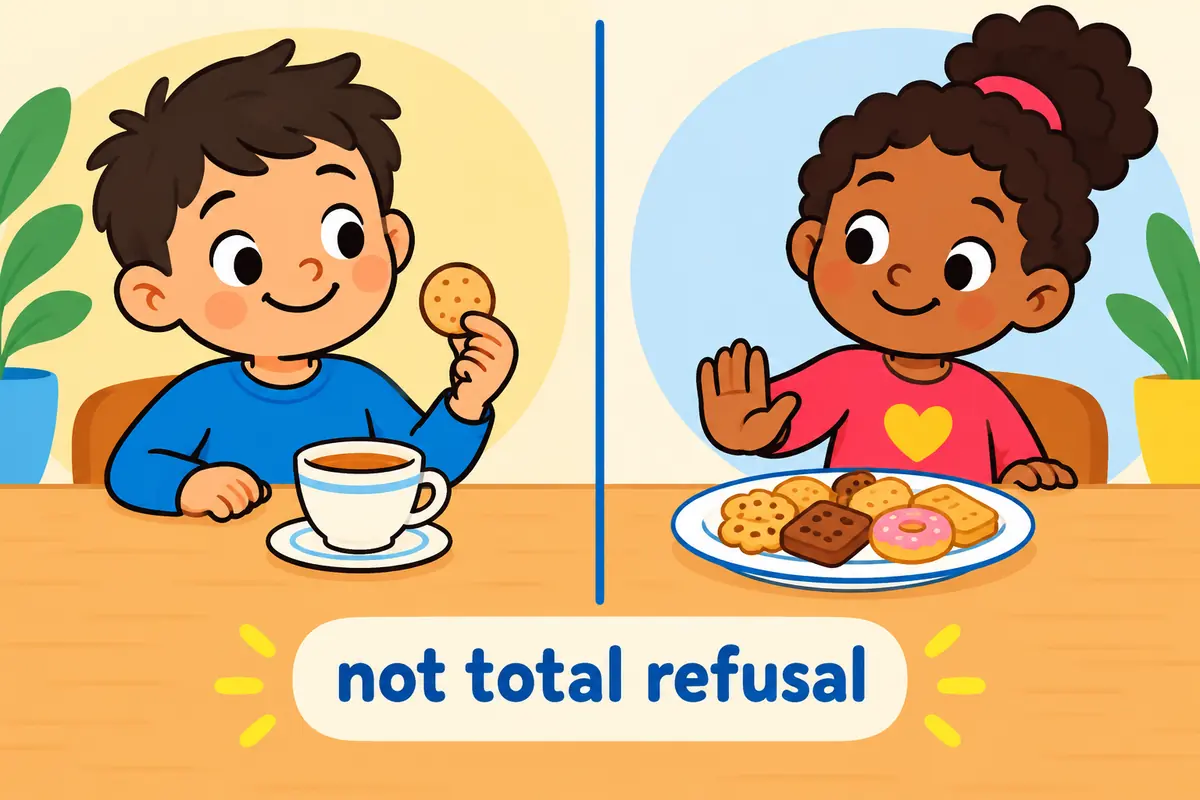
One limitation is worth stating. Abstemious does not mean abstinent. An abstemious diner may take one small slice of cake at a party, while an abstinent guest takes none at all, so choosing the wrong adjective overstates the behaviour.
How do you use abstemious in a sentence?
Abstemious is an adjective, so it describes a noun or follows the verb be. It normally sits before the noun, and it can be completed by in before a noun that names the area of restraint. The word is gradable, so more abstemious and very abstemious are both natural.
| Pattern | Example | What it signals |
|---|---|---|
| abstemious + noun | She follows an abstemious diet. | Attributive use, the commonest pattern. |
| be + abstemious | The monks were famously abstemious. | Predicative use after a linking verb. |
| abstemious in + noun | He is abstemious in his drinking. | Names the area where restraint applies. |
| more / most abstemious | Their table was the most abstemious of all. | Comparative and superlative forms. |
| abstemiously (adverb) | She ate abstemiously at the feast. | Modifies the verb rather than a noun. |
Abstemious in a sentence: examples across contexts
Abstemious keeps its meaning across settings and changes only its tone. The nine sentences below run from a school canteen to a medical report, each naming the restraint in a different area of life.
| Context | Example sentence | Why this works |
|---|---|---|
| Classroom | The abstemious pupil chose fruit while the others took cake. | Contrasts two choices inside one scene. |
| Workplace email | Please keep the reception menu abstemious for the morning meeting. | Applies the adjective to a plan, not a person. |
| News report | The coach praised the team for an abstemious season off the pitch. | Extends the word to a group habit. |
| Medical writing | An abstemious diet eased the patient’s symptoms. | Names a clinical intervention precisely. |
| History essay | The order was known for its abstemious rules. | Describes an institution rather than an individual. |
| Conversation | My grandfather was abstemious, but he never refused a birthday toast. | Shows moderation with a warm exception. |
| Travel writing | Villagers led an abstemious life on poor soil. | Ties restraint to circumstance. |
| Academic prose | The data describe an abstemious pattern of consumption. | Keeps the register impersonal. |
| Sports commentary | His abstemious training gave him a clear advantage. | Connects the habit to a result. |
An austere routine shares the plainness, but austere adds a note of severity that abstemious does not carry.
Abstemious vs abstinent
Abstemious and abstinent both describe restraint and are confused constantly. The difference is quantity: abstemious allows a little, and abstinent allows none.
| Attribute | abstemious | abstinent |
|---|---|---|
| What it allows | A small amount | Nothing at all |
| Typical subject | Food, drink, general habit | Alcohol, meat, a named substance |
| Strength | Moderate | Absolute |
| Register | Formal and literary | Formal and clinical |
| Common partner | in, as in abstemious in drinking | from, as in abstinent from alcohol |
Verdict: choose abstemious for a moderate, lasting habit, and abstinent when the point is that a substance is given up entirely.
Word forms and grammar of abstemious
The adjective inflects only for comparison, and its adverb and noun are built with regular endings. The table also lists the near-synonym that learners most often substitute.
| Form | Part of speech | Example |
|---|---|---|
| abstemious | adjective | He led an abstemious life in the countryside. |
| more / most abstemious | adjective, comparative | Her diet was the most abstemious of the three. |
| abstemiously | adverb | They dined abstemiously through the winter. |
| abstemiousness | noun | Her abstemiousness surprised the other guests. |
| abstinent | different adjective | Abstinent means taking none, not merely little. |
Common mistakes with abstemious
- Incorrect:
He is abstemious from alcohol.Correct: He is abstemious in his drinking. Rule: Abstemious takes in, while from belongs with abstinent. - Incorrect:
She is very abstemious, so she eats nothing sweet.Correct: She is very abstemious, so she eats few sweets. Rule: Abstemious means moderation, not a total ban. - Incorrect:
His abstemious prevented overspending.Correct: His abstemiousness prevented overspending. Rule: The noun needs the -ness ending; the bare adjective cannot be a subject. - Incorrect:
The abstemious of the meal pleased the doctor.Correct: The abstemious nature of the meal pleased the doctor. Rule: An adjective cannot stand alone as a noun here; add a noun such as nature.
Practice using abstemious
Work through the six items, then read the reasons, because the pattern matters as much as the word.
- Fill the gap: The ______ guest took one small biscuit with her tea.
- Choose the better word: After giving up wine completely, he was (abstemious / abstinent) from alcohol.
- Correct the error: She is abstemious from coffee.
- Build a sentence: use abstemious in about a family that spends carefully at festivals.
- Spot the register: which fits a formal report, an abstemious diet or a really chill dinner?
- Rewrite with the adverb: She followed an abstemious diet. Use abstemiously instead.
Answers
- abstemious — it describes the guest before the noun, and one biscuit shows moderation.
- abstinent — giving up wine completely is total abstinence, so abstemious is too weak.
- She is abstemious in her coffee drinking — the adjective takes in, not from.
- Model answer: The family kept an abstemious budget so that the children could travel.
- An abstemious diet — a report avoids the casual tone of a chill dinner.
- She ate abstemiously — the adverb modifies the verb rather than the noun.
The bottom line
Use abstemious in a sentence for a moderate, lasting habit rather than a total ban, and place the adjective before the noun it describes. The two nuances that decide most sentences are these: it takes in before the area of restraint, and it is weaker than abstinent. Where the point is careful spending rather than appetite, moderate and frugal are the plainer choices.
Frequently asked questions about abstemious
Is abstemious the same as abstinent?
No. Abstemious means moderate, so an abstemious diner eats and drinks a little. Abstinent means taking none at all, usually of alcohol or another named substance. The two adjectives look similar but they sit at different points on the scale of restraint.
Can abstemious describe things rather than people?
It can. A meal, a budget or a routine may be called abstemious when it is plain and sparing. The adjective transfers easily from a person to that person’s habits, which is why an abstemious household and an abstemious host both sound natural.
What is the adverb of abstemious?
The adverb is abstemiously, as in they lived abstemiously on the farm. It modifies the verb and keeps the formal, literary tone of the adjective. The matching noun is abstemiousness, which names the quality itself, as in her known abstemiousness.
Does abstemious mean the same as frugal?
Only partly. Frugal describes careful spending, while abstemious describes restraint in eating and drinking, and it can extend to any appetite. A frugal shopper saves money, and an abstemious diner eats lightly, so the two habits overlap without being identical.
Looking to expand your vocabulary and impress others with your word choices? Look no further than the term “abstemious.” Derived from the Latin word “abstemius,” this adjective describes someone who practices self-restraint, particularly when it comes to indulging in food or drink.
An abstemious individual demonstrates discipline and moderation in their consumption habits, often choosing to exercise control over their desires. This word can be used to characterize someone who has a frugal approach to indulgences or who adheres to a strict diet and lifestyle.
7 Examples Of Abstemious Used In a Sentence For Kids
- Abstemious means eating only a little bit of food.
- Be abstemious by not eating too many sweets.
- It is good to be abstemious and not eat too much junk food.
- Remember to be abstemious and not eat too many candies.
- Stay healthy by being abstemious and not eating too much fast food.
- Being abstemious means not overeating and staying fit.
- When you are abstemious, you eat just the right amount of food.
14 Sentences with Abstemious Examples
- Abstemious behavior is often encouraged during exam season to improve concentration and focus.
- It’s important for college students to adopt an abstemious lifestyle to maintain good physical and mental health.
- Many students choose to be abstemious when it comes to spending money to save for future expenses.
- Aiming to achieve good grades, some students practice abstemious study habits by limiting distractions.
- Engaging in regular exercise and following an abstemious diet can help college students manage stress effectively.
- To avoid the negative effects of excessive drinking, it’s recommended for college students to be more abstemious during social events.
- Opting for abstemious eating habits can contribute to better academic performance and overall well-being.
- Developing time management skills and maintaining an abstemious approach to leisure activities can lead to better outcomes in college.
- Students who are abstemious in their use of social media often report higher levels of productivity and satisfaction.
- Practicing abstemious behavior towards procrastination can lead to improved grades and reduced anxiety levels.
- Choosing to be abstemious in terms of excessive screen time can help students enhance their focus and concentration.
- College students who prioritize an abstemious sleep schedule often experience improved cognitive functions and better memory retention.
- Being abstemious with unnecessary expenses can help students save money for educational resources and experiences.
- In order to lead a balanced college life, it’s important for students to practice abstemious habits in various aspects of their daily routine.
How To Use Abstemious in Sentences?
To use the word Abstemious in a sentence correctly, you should first understand its meaning. Abstemious is an adjective that describes someone who avoids indulging in excessive or extravagant behavior, especially in relation to food and drink.
Here is an example sentence using Abstemious: “My abstemious friend always opts for a salad while dining out, rather than indulging in rich desserts.”
When incorporating Abstemious into a sentence, it is important to consider the context in which it is being used. Abstemious typically implies a sense of moderation or self-restraint, so be sure to use it in situations that involve resisting temptation or avoiding overindulgence.
It is also helpful to pay attention to the tone of your sentence when using Abstemious. Since it conveys a sense of discipline or control, it is best suited for more formal or serious contexts.
Remember to place Abstemious before the noun it is describing, such as a person or their behavior, to ensure clarity and proper sentence structure.
In conclusion, when crafting a sentence with Abstemious, keep in mind its definition, context, tone, and placement in relation to the noun it describes. By doing so, you can effectively convey the idea of moderation or restraint in your writing.
Conclusion
In conclusion, the concept of being abstemious involves practicing self-restraint, especially when it comes to indulging in excess or luxury. People who are abstemious typically exhibit moderation, discipline, and control in their consumption habits, whether it be related to food, drink, or spending. By exercising restraint and avoiding extravagance, individuals can maintain a balanced and healthy lifestyle while being mindful of their choices and behaviors.
Ultimately, embodying an abstemious approach can lead to improved well-being, both physically and mentally. It promotes a sense of mindfulness and conscientiousness, helping individuals avoid the pitfalls of overindulgence and prioritize self-control. By incorporating abstemious practices into daily life, individuals can cultivate a greater sense of discipline, resilience, and overall contentment.


