Fudge in a Sentence: Meaning and Examples
Fudge in a sentence can name a soft, sweet confection or, as a verb, mean avoiding a clear answer or altering details imprecisely. The noun can also describe an evasive compromise in British English. Context separates dessert from the figurative meanings, and grammar shows whether fudge is a noun or verb.
Key facts at a glance
- Fudge is a noun for a soft sweet made from sugar, butter, and milk.
- As a verb, fudge can mean evade a clear answer or slightly misrepresent details.
- “Fudge the issue” and “fudge the figures” are common verb patterns.
- Fudge is usually uncountable when it means the candy.
- British English also uses a fudge for an evasive compromise.
What does fudge mean?
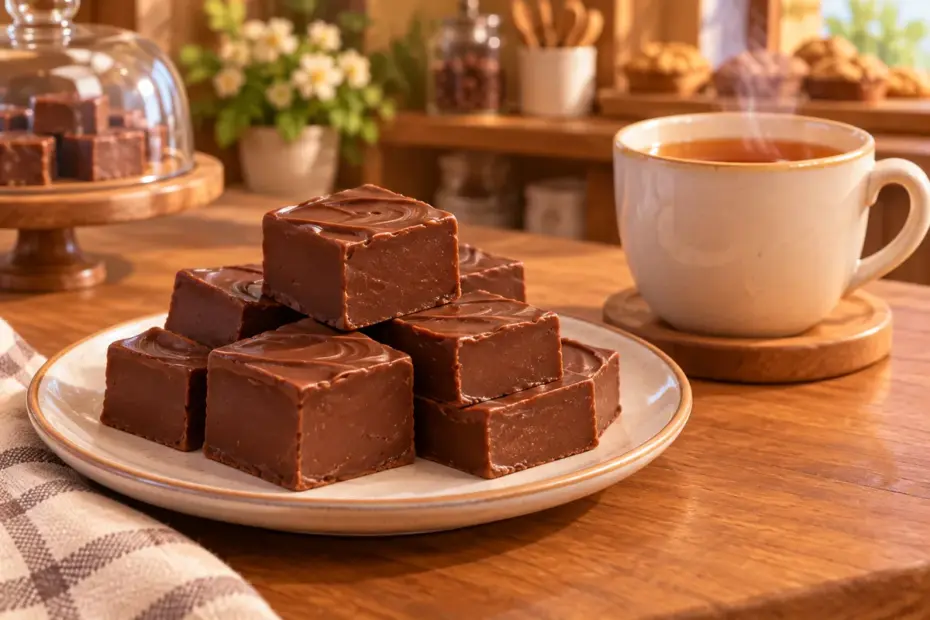
Fudge has literal and figurative meanings. As a noun, it is a soft sweet made with sugar, butter, and milk; in the United States, hot fudge also means a thick chocolate sauce served with desserts. As a verb, fudge can mean avoiding a clear answer or slightly misrepresenting facts.
Cambridge Dictionary also records a British count-noun use for an evasive compromise or unclear decision. The subject matter and sentence structure reveal the sense: a bowl and dessert point to candy, while issue, figures, or answer point to the verb.
How do you use fudge as a noun?
When fudge means candy, it is usually uncountable: “We served chocolate fudge after dinner.” To count portions, add a measure such as a piece of, a square of, or a batch of.
- “The bakery sells peanut-butter fudge by the box.”
- “I packed two squares of fudge for the trip.”
- “She poured hot fudge over the ice cream.”
In British usage, the noun can mean an evasive compromise: “The committee’s compromise was a fudge.” This is a different, countable sense, and the surrounding topic makes it clear.
How do you use fudge as a verb?
Use fudge with a direct object naming what is being evaded, adjusted, or reported inaccurately: fudge the issue, fudge the answer, or fudge the figures. The verb is regular: fudged is the past tense, and fudging is the -ing form.
| Form | Example sentence | Meaning |
|---|---|---|
| Present verb | The report fudges the date of the change. | Gives unclear or imprecise details |
| Past verb | The speaker fudged the question instead of answering it. | Avoided a direct response |
| Gerund | Fudging the totals would damage trust. | Using the -ing form as a noun-like subject |
| Candy noun | We made a batch of fudge for the fair. | A soft sweet |

What does fudge the numbers mean?
Fudge the numbers means handle or present figures imprecisely, often to avoid an unwelcome result; the phrase can imply dishonesty. It is an accusation, so use it only when the evidence supports that implication. For an ordinary approximation, say round the numbers or estimate.
Example: “The auditor checked the spreadsheet to see whether anyone had fudged the totals.” The sentence reports suspicion, not proof. If a report establishes deliberate fabrication, a more exact term may be falsify; reserve it for clear evidence of intentional deception.
Examples of fudge in a sentence
- My aunt makes chocolate fudge for the winter market.
- The shop sells hot fudge with vanilla ice cream.
- He bought a square of fudge as a small gift.
- The chair refused to fudge the question about the missing budget.
- We should not fudge the figures to make the results look better.
- The compromise was a fudge that left both sides uncertain.
- The recipe says to cut the fudge into small squares.
- She fudged the date because she could not remember the exact day.

Frequently asked questions
What does fudge mean in a sentence?
Fudge can mean a soft confection made with sugar, butter, and milk. As a verb, it can mean avoid a clear answer or slightly misrepresent details. In British English, a fudge can also be an evasive compromise. Nearby words usually make the intended meaning clear.
How do you use fudge as a verb?
Use fudge with an issue, answer, figures, or details as its object: “The spokesperson fudged the question,” or “The report fudged the totals.” The past tense is fudged and the -ing form is fudging. The verb can imply evasion or inaccurate reporting, so it often has a negative tone.
Is fudge a countable noun?
For the candy, fudge is usually uncountable: “We bought some chocolate fudge.” A piece or square of fudge is countable. In British English, fudge can also be a countable noun for an evasive compromise, as in “The agreement was a fudge.”
What does fudge the numbers mean?
Fudge the numbers means alter, present, or estimate figures imprecisely, often to avoid an inconvenient result; it can imply dishonesty. Use it only when that implication fits. For neutral rounding, say “round the figures”; for a clear falsehood, use “falsify” only when evidence supports that stronger claim.
Conclusion
Fudge in a sentence can refer to candy, an evasive compromise, or the act of obscuring an answer or figures. Check whether the word is a noun or verb, and choose a more neutral term when you mean a legitimate estimate or rounding.
Sources
If you’ve ever savored a rich, creamy square of fudge and wondered how to make it yourself, you’ve come to the right place. Fudge is a delectable confection made from sugar, butter, and milk, often with additional flavors like chocolate, peanut butter, or nuts mixed in.
Creating the perfect batch of fudge involves precise measurements, careful heating, and a bit of patience. Once you master the art of fudge-making, you’ll have a timeless treat to enjoy and share with friends and family.
7 Examples Of Fudge Used In a Sentence For Kids
- I love to eat fudge with my friends.
- Mom makes the best fudge at home.
- I want to learn how to make fudge like my grandma.
- Can we have some fudge for dessert today?
- Fudge is so yummy and sweet.
- Let’s share the fudge with everyone in the class.
- Today is a good day for some fudge.
14 Sentences with Fudge Examples
- Fudge is a popular treat among college students during festivals like Diwali and Christmas.
- We decided to skip class and make some fudge in the dorm kitchen instead.
- The cafeteria served the most delicious chocolate fudge brownies today.
- I need to hit the gym after indulging in all that fudge during the study session.
- My roommate’s mom sent a care package filled with homemade fudge for us.
- I can’t believe how expensive the artisanal fudge is at that new café near campus.
- The bake sale was a hit, especially the peanut butter fudge we made.
- I promised to bring some homemade fudge to the group project meeting tomorrow.
- We should organize a fudge-making competition for the college fest this year.
- I love how my friend always sneaks a piece of fudge in my bag during exams.
- The stress of finals can easily be forgotten with a plate of gooey fudge.
- Let’s have a movie night with lots of popcorn and fudge brownies.
- Don’t forget to buy some fudge from the annual charity bake sale on campus.
- I’m craving some dark chocolate fudge after that intense debate competition.
How To Use Fudge in Sentences?
Fudge can be a versatile word that can have different meanings depending on how it is used in a sentence. The main word, Fudge, can be utilized as a noun, verb, or even an interjection.
Here are some examples of how to use Fudge in a sentence:
- Noun: “I can’t resist a fudge brownie for dessert.”
- Verb: “I had to fudge the numbers a bit to make the budget work.”
- Interjection: “Oh fudge, I forgot to bring my umbrella!”
When using Fudge as a noun, it typically refers to a type of sweet treat, like chocolate fudge. As a verb, Fudge can mean manipulating or adjusting something in a dishonest or misleading way.
As an interjection, Fudge is used to express frustration, disappointment, or surprise. It is often used as a substitute for a stronger swear word.
Remember to pay attention to the context of the sentence when using Fudge to ensure that it conveys the intended meaning. Practice incorporating Fudge into your daily conversations to become more familiar with its various uses.
Conclusion
In summary, the use of fudge in cooking can enhance the flavor of many desserts and sweet treats. From traditional fudge recipes to creative variations, there are endless possibilities to explore when incorporating this rich and indulgent ingredient into your kitchen creations. Whether it’s classic chocolate fudge, creamy peanut butter fudge, or unique fudge combinations, experimenting with different recipes can add a delicious touch to your culinary creations.
Furthermore, fudge is not limited to just desserts, as it can also be used as a topping, filling, or even as a homemade gift. Its versatility and popularity make it a versatile ingredient that can be enjoyed in various forms, making it a staple in many kitchens around the world. Whether you’re making a simple batch of fudge for yourself or preparing a special treat for a loved one, the possibilities are truly endless when it comes to incorporating fudge into your culinary repertoire.


