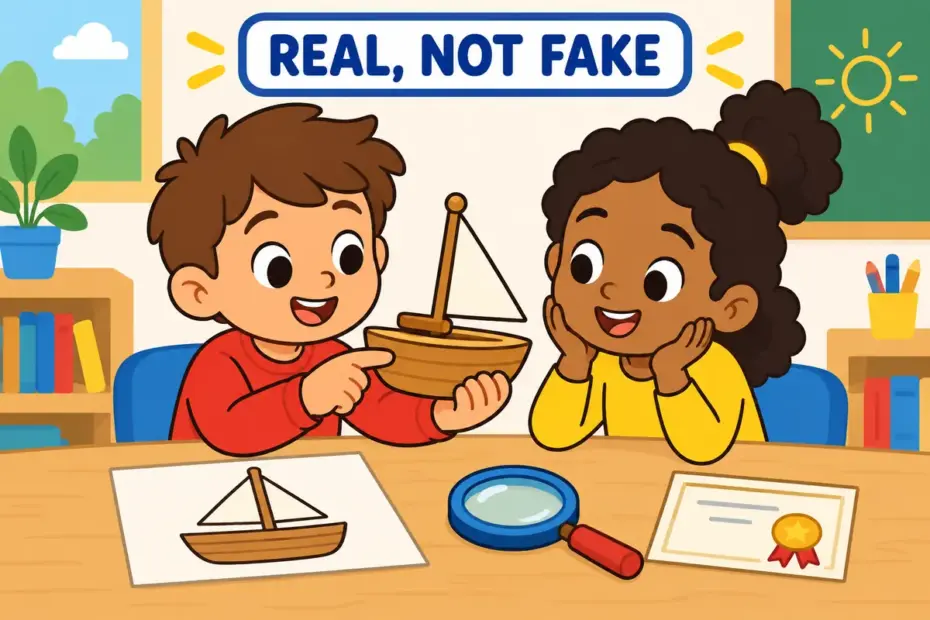
Genuine means real rather than copied, and also sincere rather than pretended. To use genuine in a sentence, place it before the noun it describes or after a linking verb: “The dealer confirmed that the coin was genuine.” The noun around it decides which sense applies.
Genuine at a glance
- Genuine is an adjective; its adverb is genuinely and its noun is genuineness.
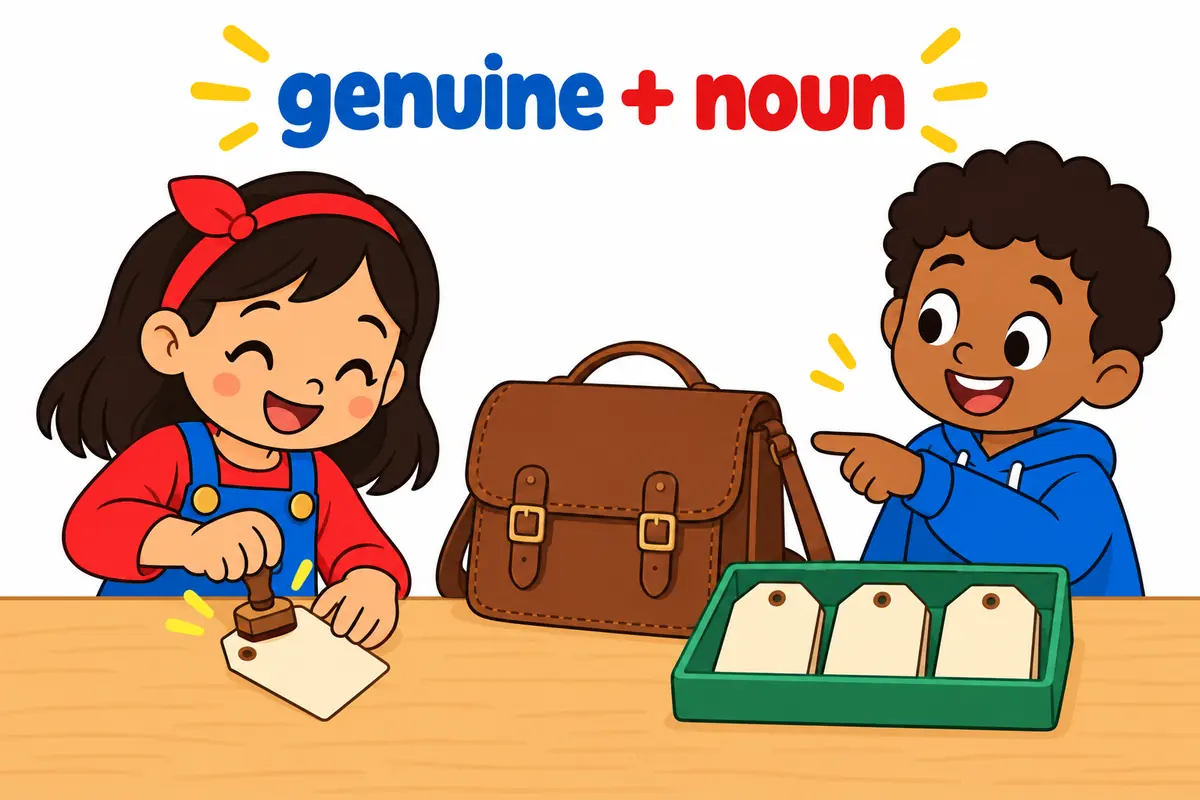
- The default position is before a noun: genuine leather, genuine concern.
- It has two senses, real rather than fake, and sincere rather than pretended.
- Linking verbs be, seem, look and sound often introduce it: The offer sounded genuine.
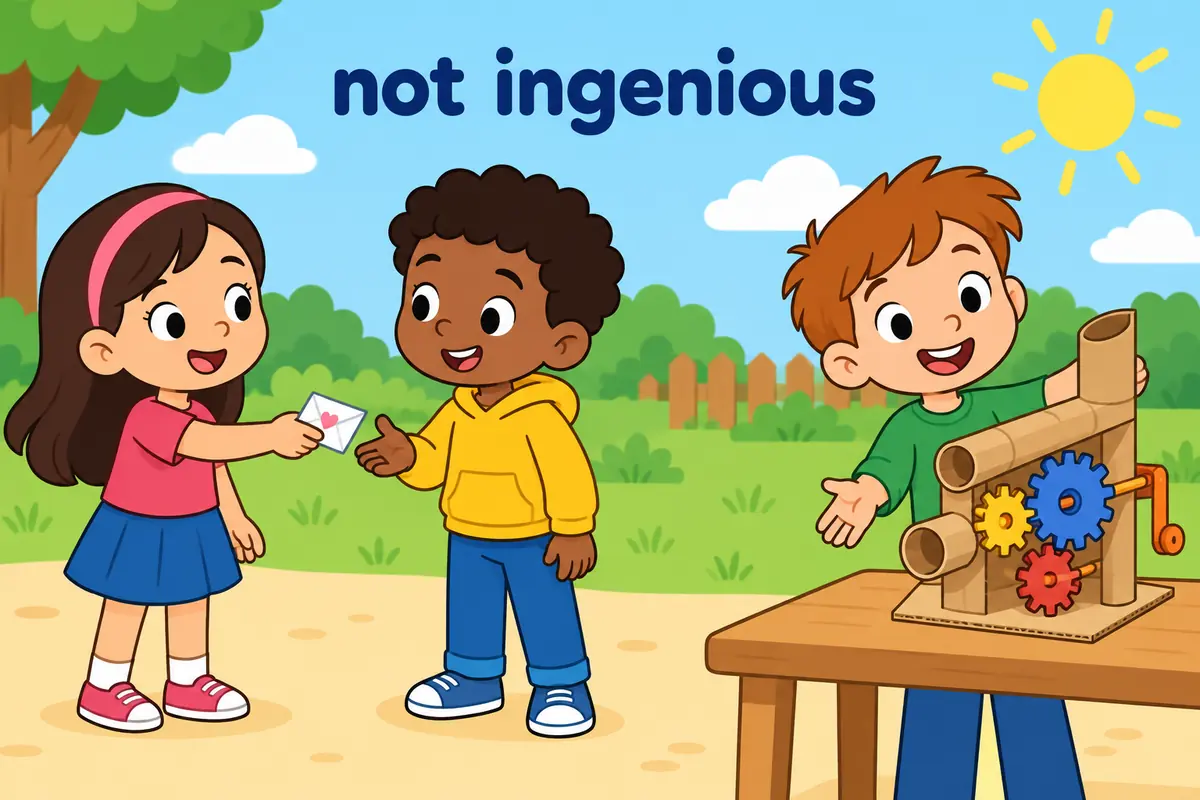
- The commonest error is mixing it up with ingenious, which means clever.
What does genuine mean?
Genuine is an adjective meaning real, authentic or sincere. The Cambridge entry for genuine records both the not-fake sense and the sincere sense, and the two are usually easy to tell apart because one describes things and one describes feelings. Where a document is valid under a rule rather than authentic in itself, legitimate is the better fit.
| Sense | Plain meaning | Example sentence |
|---|---|---|
| Not fake | Real, not a copy or imitation | The watch has a genuine leather strap. |
| Sincere | Truly felt, not pretended | She showed genuine interest in the plan. |
| True to type | Exactly what it claims to be | It was a genuine Roman coin. |
Genuine is a compliment in most contexts, but it says nothing about quality beyond authenticity. A genuine mistake is a real one, not a good one, and that gap matters when you choose the word.
How do you use genuine in a sentence?
Genuine behaves like most adjectives, but it leans heavily toward the attributive slot before a noun. The patterns below show the positions it takes and what each one emphasises.
| Pattern | Example | What it signals |
|---|---|---|
| genuine + noun | a genuine offer | the default use, strongest with concrete nouns |
| be / seem / look + genuine | The smile looked genuine. | a judgement about sincerity |
| genuine + about + noun | genuine about the delay | honesty in a person’s manner |
| a genuine + noun of origin | a genuine silk scarf | the material or source is authentic |
| it + be + genuine | It was genuine. | a short verdict after a check |
Genuine in a sentence: examples across contexts
| Context | Example sentence | Why this works |
|---|---|---|
| Classroom | The teacher gave genuine praise for the quiet effort. | Praises sincerity, not the size of the result. |
| Workplace email | We have a genuine need for a second driver. | Signals a real requirement, not a preference. |
| News report | Experts confirmed the painting was genuine. | States that the work is authentic. |
| Retail listing | Each bag uses genuine full-grain leather. | Distinguishes the material from a synthetic copy. |
| Conversation | That was a genuine compliment. | Rules out flattery in a friendly setting. |
| Apology | His regret sounded genuine to the whole room. | Judges the honesty of a feeling. |
| Scholarship | The archive holds a genuine letter from the period. | Certifies that the document is not a forgery. |
| Customer service | She offered a genuine solution rather than an excuse. | Contrasts real help with a polite brush-off. |
Genuine vs authentic
Genuine and authentic overlap closely, but authentic often points to a standard or a tradition, while genuine emphasises that something is not faked. Where a document or dish is true to an original standard, authentic is the closer word. In casual speech, real replaces genuine in phrases like a real diamond. Praise that comes from feeling rather than fact is sincere; a short, warm note is heartfelt, while a verified document is genuine. In legal writing, legitimate marks something valid under the rules, where genuine is about authenticity.
| Feature | Genuine | Authentic |
|---|---|---|
| Core sense | Real and not faked; sincere | True to an original or a tradition |
| Typical noun | Genuine leather, genuine concern | Authentic recipe, authentic voice |
| Strength | Plain and firm | Slightly more formal and cultural |
| Feeling sense | Common: genuine surprise | Rare: an authentic emotion |
| Legal sense | Not established | Often tied to provenance |
Choose genuine to say not fake or not pretended, and authentic when the point is faithfulness to an original.
Word forms and grammar of genuine
The genuine family is regular, and the trap is a look-alike adjective that is unrelated. The table sets out the forms and the near neighbours. The adverb genuinely modifies a verb or adjective, as in she genuinely cared, and the noun genuineness names the quality.
| Form | Part of speech | Example |
|---|---|---|
| genuine | adjective | a genuine smile |
| more genuine | comparative | Her second note felt more genuine. |
| genuinely | adverb | He was genuinely surprised. |
| genuineness | noun | The genuineness of the offer was clear. |
| ingenious | adjective, unrelated | an ingenious design |
| equine | adjective, unrelated | equine care |
Ingenious means clever, and equine means relating to horses. Both look close to genuine on the page, so a quick glance at the middle letters is worth the second.
Common mistakes with genuine
- Incorrect: That is a genuinely leather bag.Correct: That is a genuine leather bag.Rule: the attributive slot before a noun needs the adjective, not the adverb.
- Incorrect: a genuin documentCorrect: a genuine documentRule: genuine ends in -ine, with the e retained.
- Incorrect: The clever fix was very genuine.Correct: The clever fix was very ingenious.Rule: genuine means real or sincere, never clever.
- Incorrect: She was genuine of her thanks.Correct: She was genuine in her thanks.Rule: the sincerity sense takes in or about, not of.
- Incorrect: more genuinerCorrect: more genuineRule: genuine is not an inflected adjective, so never add -er.
Practice using genuine
- Fill in the blank: The jeweller said the pearl was ______.
- Choose the better word: Her delight seemed (genuine / genuine article).
- Correct the error: He gave a genuinely reason for leaving.
- Build a sentence: use genuine before a noun about a friendship.
- Spot the register: which sentence suits a product listing? (a) It is the real deal. (b) Made with genuine wool.
- Fill in the blank: The audience broke into ______ applause.
Answers
- genuine — it certifies the pearl is real.
- genuine — a predicative adjective, not a noun phrase.
- a genuine reason — the attributive slot takes the adjective.
- They built a genuine friendship over the season. — genuine sits before the noun.
- (b) — made with genuine wool is the neutral retail phrasing.
- genuine — it marks applause that was truly felt.
The bottom line
Genuine in a sentence marks something as real instead of faked, or as sincere instead of pretended, and it usually stands before a noun. Keep it for authenticity and feeling, and reach for legitimate when the question is legal validity. The spelling traps are alike-sounding words, because ingenious means clever and has nothing to do with being genuine.
Frequently asked questions about genuine
Is genuine stronger than real?
Genuine and real both deny that something is fake, but genuine adds the sense of a claim being tested. A real pearl is simply not imitation; a genuine pearl has been checked against the possibility of a copy. In most sentences either works, and genuine sounds a little more careful.
Can genuine describe a person?
Yes, and it praises sincerity. A genuine person says what they mean and does not perform warmth for effect. The word still needs a noun or a linking verb around it, as in a genuine friend or she seems genuine. On its own it should not be used as if it were a verb.
What is the noun form of genuine?
The noun is genuineness, which names the quality of being real or sincere. It is a little heavy for everyday speech, where people often say honesty or authenticity instead. The everyday adverb is genuinely, as in I am genuinely sorry, and it is far more common than the noun.
Why is genuine sometimes spelled wrong?
Most misspellings drop or swap the letters around the middle, producing genuin or geniune. The reliable anchor is the ending -ine, which stays intact in the adjective. Sounding the word out as three beats, gen-u-ine, helps because the full vowel in the last beat is what the spelling records.
Have you ever struggled to discern if someone is being sincere or authentic in their words? Understanding the concept of “genuine” can shed light on this dilemma. In essence, being genuine means being true, honest, and real in one’s thoughts, actions, and expressions.
A genuine individual is not afraid to show vulnerability, express their true emotions, and stay true to their values and beliefs. Recognizing sincerity and authenticity in others can deepen relationships, foster trust, and create genuine connections that are based on honesty and transparency.
7 Examples Of Genuine Used In a Sentence For Kids
- Genuine friends always tell the truth.
- It’s important to have a genuine smile when meeting new people.
- We should be genuine and kind to everyone we meet.
- A genuine apology shows that you are sorry.
- It feels good to receive a genuine compliment.
- Let’s always be genuine in our actions and words.
- A genuine hug can make someone’s day brighter.
14 Sentences with Genuine Examples
- Genuine friendships are vital for navigating the college experience successfully.
- It is important to submit genuine assignments that reflect your own thoughts and ideas.
- Joining clubs and societies that match your interests can help you establish genuine connections.
- Seek out genuine feedback from professors to improve your academic performance.
- It’s crucial to maintain a genuine balance between academic studies and extracurricular activities.
- Networking events are great opportunities to meet genuine professionals and expand your connections.
- Avoid plagiarism by always citing your sources and presenting genuine work.
- When studying for exams, focus on understanding the material in a genuine way rather than just memorizing it.
- Stay true to your genuine passions and interests even if they are different from your peers’.
- Embrace genuine self-care practices to manage stress and maintain overall well-being.
- Participate in genuine discussions and debates to broaden your perspectives and knowledge.
- Be wary of fake news and misinformation, always seek out genuine sources of information.
- Approach conflicts with genuine intentions to resolve issues amicably and learn from them.
- Prioritize building genuine relationships with mentors and seniors who can offer guidance and support.
How To Use Genuine in Sentences?
To use the word “genuine” correctly in a sentence, it is important to understand its meaning and how it can be applied. In a sentence, genuine is used to describe something that is real, authentic, or sincere.
Here are some examples to show how genuine can be used in a sentence:
- “She has a genuine smile that lights up the room whenever she walks in.”
- “I appreciate your genuine concern for my well-being.”
- “It’s rare to find such a genuine friendship like theirs.”
- “I can tell that his apology was genuine and heartfelt.”
When using the word genuine in a sentence, consider the context and make sure it fits the meaning you want to convey. It is important to avoid using genuine in a way that may lead to confusion or misinterpretation.
Remember, genuine is a powerful word that signifies honesty and authenticity, so use it thoughtfully to accurately convey your message. With practice, you will become more comfortable incorporating genuine into your vocabulary and expressing yourself effectively.
Conclusion
In conclusion, sentences that are genuine reflect authenticity and sincerity in communication. They convey true thoughts, feelings, and intentions without any pretense or deception. Genuine sentences have the power to establish trust, build strong connections, and foster genuine relationships with others. When individuals use genuine sentences in their interactions, they create a sense of openness, honesty, and reliability that can enhance communication and understanding.
By incorporating genuine sentences into everyday conversations, individuals can convey their true selves, express their emotions sincerely, and maintain transparency in their interactions. Ultimately, genuine sentences serve as a foundation for building meaningful connections, fostering trust, and creating authentic relationships with others, leading to more fulfilling and genuine encounters in both personal and professional settings.


