
Go forth means to set out from a place, especially on a journey or an important mission. To use go forth in a sentence, keep the words together: “The settlers went forth at dawn.” The phrasal verb is intransitive, so it takes no object, and the particle forth never separates from go.
Go forth at a glance
- Go forth is an intransitive phrasal verb; its forms are goes forth, went forth and gone forth.
- The core sense is to set out on a purposeful journey or mission.
- A second sense describes a decree, order or message being issued.
- The particle forth is fixed, so the verb is never split.
- The register is literary, biblical or ceremonial rather than everyday.
What does go forth mean?
Go forth is an intransitive phrasal verb meaning to set out or go away from a place, usually on a purposeful journey. The Cambridge entry for go forth treats it as a literary and formal expression, and that flavour is the key to using it well. When a plain sentence only reports leaving, depart is the more neutral verb, because go forth adds ceremony and direction.
| Sense | Plain meaning | Example sentence |
|---|---|---|
| Set out | Leave on a journey or mission | The runners went forth before sunrise. |
| Be issued | Of an order or decree, be sent out | A decree went forth from the palace. |
| Be sent out | Of a message, travel outward | Word went forth that the ferry had sailed. |
One limitation is worth stating plainly. Go forth does not mean travel comfortably, and it is not a synonym for succeed. It reports a departure with purpose, so putting it in a routine sentence about catching a bus makes the writing sound inflated rather than clear.
How do you use go forth in a sentence?
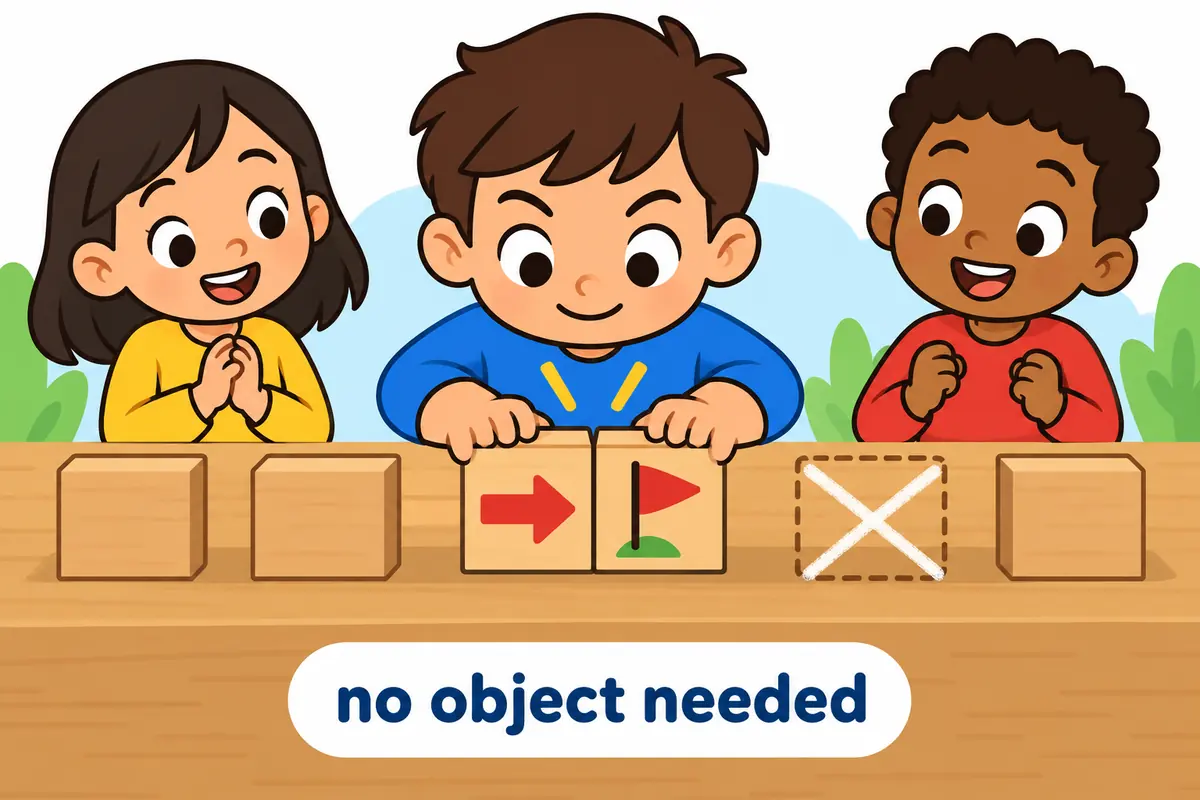
Go forth is intransitive, so there is no object to place after it, and the particle forth is fixed in position. The five patterns below cover the realistic uses, from a bare imperative to the narrative past that carries a whole scene.
| Pattern | Example | What it signals |
|---|---|---|
| go forth (bare) | Go forth and do your best. | An imperative with a ceremonial ring. |
| go forth and + verb | They went forth and built the bridge. | Purpose joined to action. |
| go forth to + verb | She went forth to meet the delegation. | A single stated aim. |
| go forth into or from | The herd went forth from the valley. | Names the place left or entered. |
| went forth (past) | A rumour went forth across the town. | Narrative reporting of something issued. |
Three grammar facts decide whether a sentence is right. First, the verb is inseparable: go the forth and go forth the crowd are both wrong, because forth always stays next to go. Second, it is intransitive, so they went forth the city is wrong; the place is introduced by from or into instead. Third, it has no passive: if you try to proceed with the emphasis on where someone went, proceed or leave does that job without the ceremony.
Go forth in a sentence: examples across contexts
Go forth belongs to the language of speeches, old stories and formal notices, and it sounds worst when it wanders into a shopping list. The nine sentences below keep its sense of purpose while moving across registers.
| Context | Example sentence | Why this works |
|---|---|---|
| Speech | Go forth and serve your neighbours well. | The bare imperative suits a formal address. |
| Old story | At first light the brothers went forth from the hall. | The past tense and from build a scene. |
| Formal notice | A summons went forth to every household. | The issued sense fits an official document. |
| Historical account | The expedition went forth to chart the coast. | Purpose is stated with to. |
| Religious text | The messenger went forth into the desert. | The ceremonial tone is at home here. |
| News feature | Volunteers went forth to repair the flooded school. | Modern purpose, lightly formal. |
| Poem | Go forth, small boat, and find the dawn. | Address and imagery suit verse. |
| Speech to pupils | You will go forth from this school prepared. | Future form looks ahead to leaving. |
| Conversation | Off they went forth, umbrellas and all. | Playful use of the grand phrase. |
For a plain departure in modern prose, march supplies the physical sense of moving in step, while journey names the trip itself rather than the leaving.
Go forth vs come forth
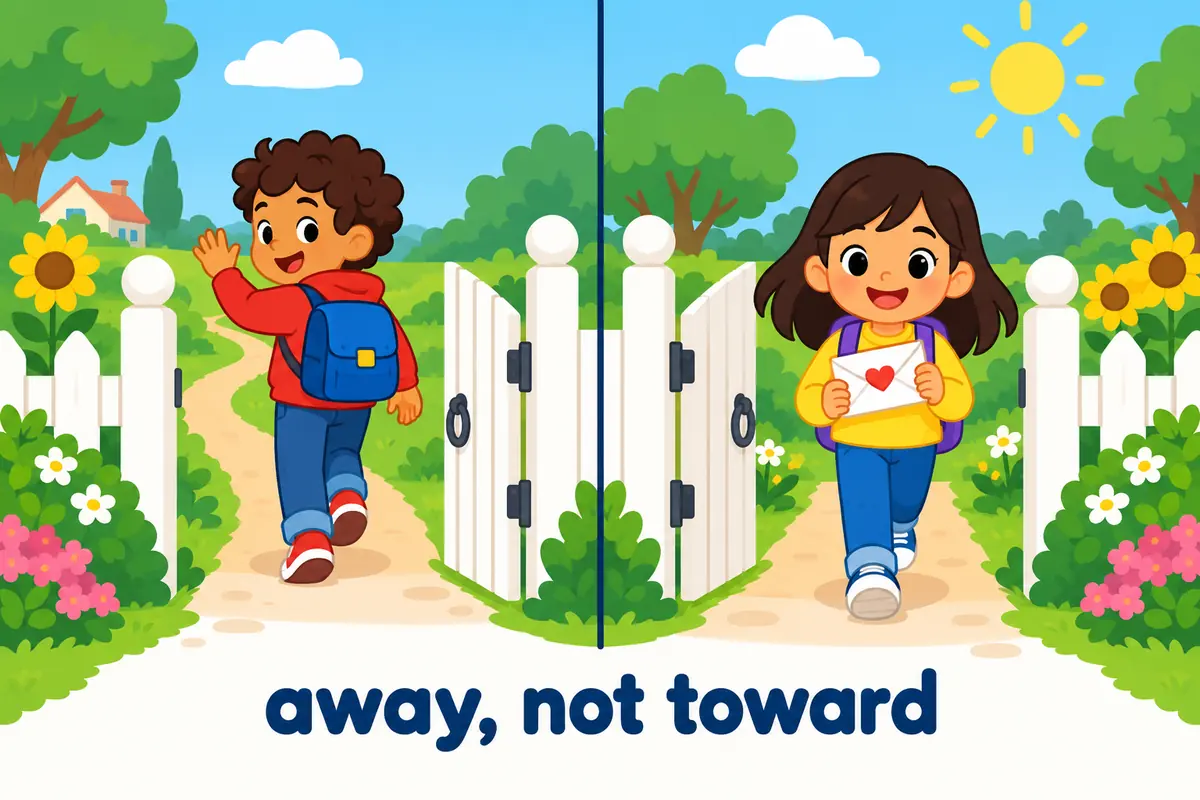
Go forth and come forth share the particle but point in opposite directions. To come forth is to emerge toward the speaker or the point of interest, as when a figure steps out of a doorway or a truth surfaces. Go forth always moves away from the starting point, out into the world, which is why it suits missions and commands.
| Attribute | go forth | come forth |
|---|---|---|
| Direction | Away from the starting point | Toward the speaker or scene |
| Core sense | Set out on a mission | Emerge, or be revealed |
| Typical subject | People, armies, decrees | People, evidence, truths |
| Register | Literary and ceremonial | Literary and formal |
| Common home | Speeches and old narrative | Detective stories and reports |
Verdict: choose go forth when someone sets out from here, and come forth when something emerges into view or into the open.
Word forms and grammar of go forth
Go is irregular, so its forms are worth memorising: go, goes, went, gone and going. The particle forth never changes. Other phrasal verbs built on go behave differently, which is why learners should not treat them as one family: go away is a blunt command to leave, while go forth carries ceremony.
| Form | Part of speech | Example |
|---|---|---|
| go forth | phrasal verb, base | Go forth and begin the work. |
| goes forth | third person singular | She goes forth each morning to teach. |
| went forth | past simple | The order went forth at noon. |
| gone forth | past participle | The scouts have gone forth already. |
| going forth | present participle | Going forth, they carried only water. |
| go forwarded | non-standard | Use went forth, not go forwarded, for this phrase. |
Common mistakes with go forth
- Incorrect:
They went forth the city.Correct: They went forth from the city. Rule: The verb is intransitive, so a place needs from or into before it. - Incorrect:
He went the forth to explore.Correct: He went forth to explore. Rule: The particle cannot be moved or separated from go. - Incorrect:
Let us go forth for to find lunch.Correct: Let us go forth to find lunch. Rule: Drop for before a to-infinitive. - Incorrect:
I go forth to the shop for milk.Correct: I walk to the shop for milk. Rule: Keep the ceremonial phrase for weighty departures, not errands.
Practice using go forth
Work through the six items, then read the reasons as well as the answers.
- Fill the gap: The team went ______ to survey the ridge at first light.
- Choose the better word: A proclamation (went forth / went away) from the town hall.
- Correct the error: The pilgrims went the forth from the village.
- Build a sentence: use go forth and about pupils starting a project.
- Spot the register: which belongs in a speech — go forth and build, or head off and build?
- Rewrite in the past: The message goes forth at dawn. Use went forth instead.
Answers
- forth — the fixed particle follows go, and no object is needed.
- went forth — an official message is issued, which is the issued sense of the phrase.
- The pilgrims went forth from the village — the particle stays beside go and from marks the place.
- Model answer: The class went forth and planted a row of sunflowers.
- Go forth and build — the formal imperative suits a speech better than the casual head off.
- The message went forth at dawn — the irregular past of go is went, with forth unchanged.
The bottom line
Use go forth in a sentence when somebody sets out from a place with purpose, and keep the particle welded to the verb. The two grammar facts that decide most sentences are these: the verb is intransitive, so it takes no object, and it is inseparable, so forth never drifts away from go. When you want the plain idea of moving ahead without the ceremony, advance is the everyday choice.
Frequently asked questions about go forth
What does go forth mean in modern English?
In modern English go forth still means to set out with purpose, but it survives mainly in speeches, ceremonies and older fiction. Outside those settings it can sound deliberately grand or slightly comic. The issued sense also lives on in news phrases such as a warning went forth, where the subject is a message rather than a person.
Is go forth separable?
No. The particle forth is fixed, so the phrase is never split. You can write he went forth to explore, but not he went the forth to explore, and the particle cannot move to the end of the clause. This is why go forth behaves differently from separable verbs such as switch off, where the particle may travel.
Is go forth the same as go forward?
No. Go forward means to continue or make progress toward a goal, and it is common in modern business talk. Go forth means to physically or ceremonially set out, and it points outward from a place rather than forward along a path. The two overlap only in the general idea of movement.
What is the past tense of go forth?
The past tense is went forth, using the irregular past of go. The past participle is gone forth, as in the scouts have gone forth already. The phrase never becomes go forwarded, because forth is an adverb particle, not a verb, and it keeps its form in every tense.
Have you ever wondered how to use the phrase “go forth” in a sentence? Well, to “go forth” means to move forward or continue ahead, often with confidence and determination.
This phrase is commonly used to encourage someone to take action or make progress in a certain direction. Whether it’s embarking on a new adventure or pursuing a goal, using “go forth” can convey a sense of motivation and readiness to face challenges head-on.
7 Examples Of Go Forth Used In a Sentence For Kids
- Go forth and play with your friends in the park.
- Remember to always say “please” and “thank you” when you go forth.
- Go forth with a smile on your face and a kind heart.
- Let’s hold hands as we go forth together.
- Go forth and explore the world around you with curiosity.
- Remember to listen carefully before you go forth with your actions.
- Always remember to be safe as you go forth on your adventures.
14 Sentences with Go Forth Examples
- Go forth and explore all the internship opportunities available in your field of study.
- Go forth and participate in as many college events and competitions as you can – it’s a great way to showcase your skills.
- Go forth and seek guidance from your professors and seniors on academic and career-oriented matters.
- Go forth and join student clubs or societies that align with your interests and ambitions.
- Go forth and make connections with industry professionals through networking events and seminars.
- Go forth and take advantage of all the resources available in the college library and study rooms.
- Go forth and attend career fairs to explore job opportunities and connect with potential employers.
- Go forth and prioritize your mental and physical well-being by taking breaks and practicing self-care regularly.
- Go forth and consider studying abroad or participating in exchange programs to gain a global perspective.
- Go forth and challenge yourself by taking up leadership roles in student organizations or projects.
- Go forth and engage in community service or volunteering activities to make a positive impact outside of the campus.
- Go forth and set realistic goals for yourself, both academically and personally, to stay motivated and focused.
- Go forth and leverage online learning platforms and resources to enhance your knowledge and skills beyond the classroom.
- Go forth and seek feedback on your academic performance and assignments to help you improve and grow.
How To Use Go Forth in Sentences?
Go Forth is a commonly used phrase that means to proceed or continue with an action or task. When using the phrase in a sentence, simply insert it in place of words like “continue” or “proceed.”
For example, instead of saying “Keep moving forward with your project,” you could say ” Go Forth with your project.”
Here are a few more examples of how to use Go Forth in a sentence:
– “After receiving positive feedback, she decided to go forth with her plan to open a new business.”
– “Despite the challenges ahead, they were determined to go forth and achieve their goals.”
– “With a sense of excitement and determination, the team was ready to go forth and conquer the competition.”
Remember, the phrase Go Forth is a confident and assertive way to communicate that you are ready to move forward with a task or decision. It is a concise way to express your readiness to proceed with a plan or action.
Overall, using Go Forth in a sentence is a simple way to convey determination and a willingness to take the next step. So, next time you want to express your readiness to continue with something, don’t be afraid to confidently use the phrase Go Forth to show that you’re ready to move forward!
Conclusion
In conclusion, the phrase “go forth” signifies moving forward with determination and courage. It is often used to inspire action and encourage progress in various situations. For example, “Go forth and conquer your fears” implies overcoming obstacles and reaching personal goals. Similarly, “We must go forth and spread positivity” suggests actively promoting optimism and kindness in the world.
Ultimately, incorporating the phrase “go forth” in one’s mindset can serve as a powerful motivator to push through challenges and pursue growth. It emphasizes the importance of taking initiative, facing uncertainties, and striving for success in all endeavors. So, remember to embrace the spirit of “go forth” and embark on your journey with confidence and determination.


