Hassle means a bother, an inconvenience or a noisy argument, and as a verb it means to pester someone. To use hassle in a sentence, treat it as an informal word for trouble: “Parking here is a real hassle.” The noun is countable for a specific nuisance and uncountable for the trouble itself.
Hassle at a glance
- Hassle is mainly a noun, and also a verb; its forms are hassles, hassled and hassling.
- As a noun it is countable for one nuisance and uncountable for trouble in general.
- As a verb it is informal and means to pester or to bother someone repeatedly.
- Common collocations are a real hassle, a hassle to do, hassle someone for money and worth the hassle.
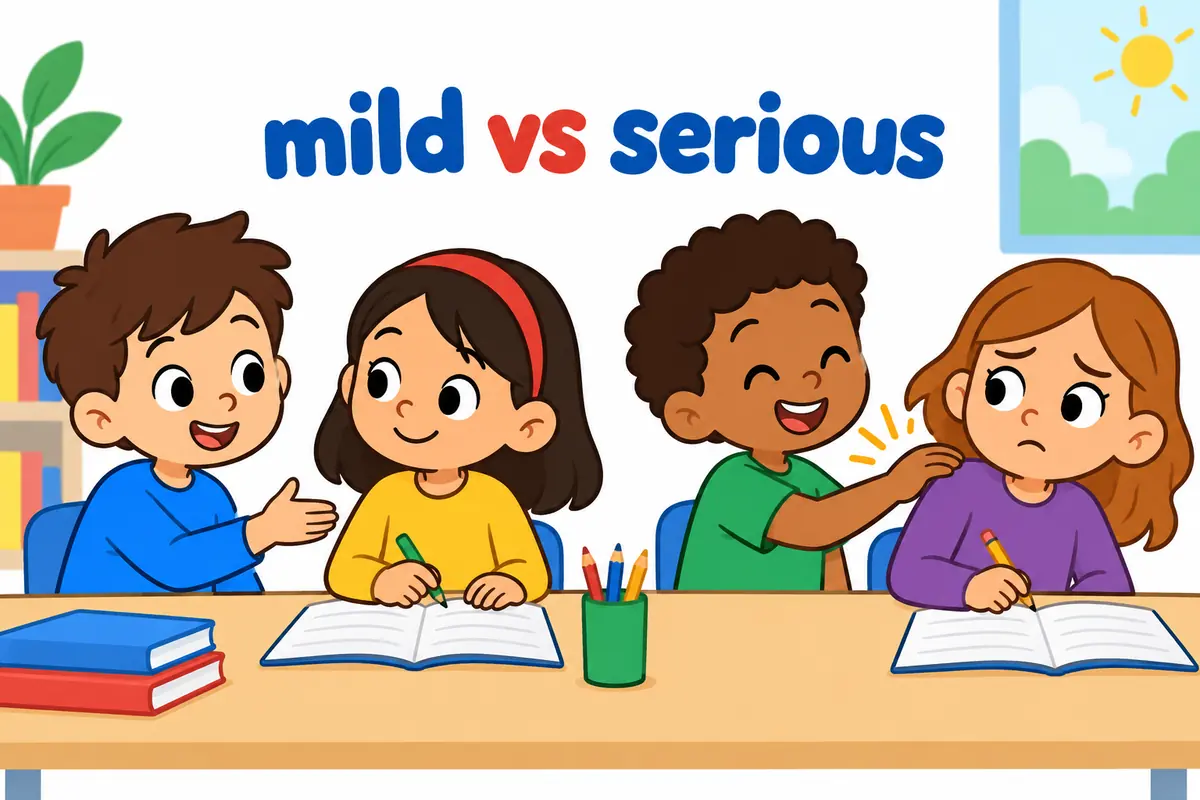
- The commonest error is confusing hassle, which is mild and informal, with harass, which is serious and formal.
What does hassle mean?
Hassle is a noun, and the sense depends on the article. A hassle is one specific nuisance, while hassle on its own is trouble or difficulty in general, and in informal British English it can also mean a noisy argument. The Cambridge entry for hassle records the noun and the verb. The verb adds a second meaning, to pester someone, which is what makes a persistent caller a hassle to deal with.
| Sense | Plain meaning | Example sentence |
|---|---|---|
| Countable noun | One specific nuisance | The paperwork was a hassle. |
| Uncountable noun | Trouble or difficulty in general | Moving house is nothing but hassle. |
| Informal noun | A noisy argument or fight | They had a hassle at the gate. |
| Verb | To pester someone repeatedly | Stop hassling me for an answer. |
Hassle is too informal for a formal report: an incident record says an altercation, not a hassle. It is also far weaker than harass. Asking a colleague twice about a form is a hassle; following them and repeating the demand is harassment, and the two should never be swapped. For a neutral tone, bother or inconvenience is the safer choice.
How do you use hassle in a sentence?
Use hassle as a countable or uncountable noun, or as a verb meaning to pester. The five patterns below cover its main uses, and the with-phrase is the one that names what the pestering is about.
| Pattern | Example | What it signals |
|---|---|---|
| a hassle (countable) | Getting a refund was a real hassle. | Names one nuisance as a countable thing. |
| hassle (uncountable) | The move caused a lot of hassle. | Treats trouble as a mass idea. |
| hassle + to + verb | It is such a hassle to find parking. | Introduces the task that causes the trouble. |
| hassle + someone (verb) | Stop hassling your sister. | The verb means pester, not argue. |
| hassle + someone + for + noun | He hassled me for the keys. | Names what the pestering is about. |
The verb sense is close to pester, which is a little stronger and works in more formal contexts.
Hassle in a sentence: examples across contexts
Hassle keeps its informal tone wherever it appears, so almost every example below comes from speech, messages or light reporting. Each sentence shows which sense is in play.
| Context | Example sentence | Why this works |
|---|---|---|
| Everyday conversation | Booking a table on Friday is a hassle. | The countable noun names one annoying task. |
| Parent to child | Stop hassling your brother about the remote. | The verb means pester, not argue. |
| Workplace email | The new system caused a lot of hassle last month. | Uncountable trouble, kept deliberately vague. |
| Travel | Rechecking the bags is a hassle, but it is quick. | Pairs the nuisance with a reassurance. |
| Shopping | The assistant hassled me for my receipt. | Names the person and the thing demanded. |
| School | Handing in the form late was more hassle than doing it. | Compares a cost with the alternative. |
| Text message | Sorry for the hassle about the keys. | A soft apology for an inconvenience. |
| Informal story | The neighbours had a hassle over the fence. | Uses the argument sense of the noun. |
| Sports report | The delay was a hassle for everyone at the ground. | Keeps the word informal but clear. |
Hassle is not the same as haggle: to haggle is to argue over a price, while to hassle is to pester a person. The two only sound alike.
Hassle vs harass and bother
Harass and bother are the two words hassle is most often confused with or used in place of. The gap between them is the gap between a mild annoyance and a serious one.
| Attribute | hassle | harass | bother |
|---|---|---|---|
| Strength | Mild | Serious and persistent | Mild to moderate |
| Formality | Informal | Formal and legal | Neutral |
| Part of speech | Noun and verb | Verb mainly | Verb and noun |
| Typical action | A one-off nuisance or light pestering | Repeated unwanted pressure | A small annoyance |
| Register advice | Everyday talk and informal email | Reports, policy and law | Safe in most contexts |
Verdict: use hassle among friends, bother when you want a neutral word, and harass only when the pressure is repeated and serious, because it carries legal weight. That kind of constant fuss is exactly what the formal word is reserved for.
Word forms and grammar of hassle
Hassle forms are regular in both its noun and verb uses. In formal writing, inconvenience replaces the noun and trouble replaces the verb.
| Form | Part of speech | Example |
|---|---|---|
| hassle | noun | Moving is such a hassle. |
| hassle | verb, base form | Do not hassle the staff. |
| hassles | noun plural or verb third person | Small hassles add up; he hassles everyone. |
| hassled | verb, past and past participle | She was hassled for a discount. |
| hassling | verb, present participle | They were hassling the driver. |
There is no standard adjective or adverb built from hassle. Learners who write hassly or hasslingly should use annoying or in an annoying way instead.
Common mistakes with hassle
- Incorrect:
The manager harassed me about the schedule.Correct: The manager hassled me about the schedule. Rule: Harass means serious, repeated pressure; hassle is the mild, informal choice. - Incorrect:
It was a hassle to parking here.Correct: It was a hassle to park here. Rule: After hassle + to, use the base verb, not a gerund. - Incorrect:
Please stop hassle me.Correct: Please stop hassling me. Rule: The verb needs its -ing form after stop. - Incorrect:
The hassle were awful.Correct: The hassles were awful. Rule: The countable noun takes a plural -s and a plural verb. - Incorrect:
We had a hassle of the bill.Correct: We had a hassle over the bill. Rule: The argument sense takes over or about, not of.
Practice using hassle
Work through the six items, then read the reason beside each answer.
- Fill the gap: Filling in the form was such a ______ that I gave up.
- Choose the better word: The blogger (hassled / harassed) her for weeks with unwanted messages.
- Correct the error: It is a hassle to booking tickets early.
- Build a sentence: use hassle someone for about a friend asking for a lift.
- Spot the register: which belongs in a formal complaint – the delay was an inconvenience, or the whole thing was a total hassle?
- Rewrite without hassle: The trip was a hassle. Replace the noun with a formal word.
Answers
- hassle – the countable noun names one specific nuisance.
- harassed – repeated unwanted messages are serious pressure, not light pestering.
- It is a hassle to book tickets early – the noun takes the base verb after to.
- Model answer: My friend hassled me for a lift all morning, the verb plus for pattern.
- The delay was an inconvenience – a formal complaint avoids the informal noun hassle.
- The trip was an inconvenience – the neutral noun fits formal writing.
The bottom line
Use hassle in a sentence as an informal noun for a nuisance or as a verb meaning to pester. Two points keep it accurate: a hassle is countable when it names one specific annoyance and uncountable when it names trouble in general, and it is far too mild to replace harass, which means serious, repeated pressure. For formal writing, choose bother or inconvenience.
Frequently asked questions about hassle
Is hassle a formal word?
No. Hassle is informal and belongs in conversation, messages and light reporting rather than in contracts or official reports. The same idea in a formal document is inconvenience, difficulty or trouble. A customer service reply might use hassle, but a legal letter would avoid it entirely.
Is hassle a noun or a verb?
It is both. As a noun it means an inconvenience or a noisy argument, and as a verb it means to pester someone repeatedly. The noun is far more common than the verb, which usually appears in the phrase hassle someone about something or hassle someone for something.
Can hassle mean a fight?
In informal British English it can mean a noisy argument or a scuffle, as in they had a hassle outside the ground. It never means a serious or organised fight, though. If you need to describe real violence, use a word such as altercation or brawl instead.
What is a polite way to say hassle?
In polite or formal writing, replace the noun with inconvenience, difficulty or trouble, and replace the verb with bother or ask. Instead of sorry for the hassle, write sorry for the inconvenience. The meaning stays the same while the register rises from casual to professional.
Have you ever come across a task that seemed much more complicated and troublesome than it needed to be? This common experience of dealing with difficulties and inconveniences is what we refer to as a hassle.
A hassle can be described as any situation or task that causes stress, annoyance, or difficulty in achieving a specific goal. From dealing with a complicated customer service process to navigating through a traffic jam, hassles can come in various forms and sizes, disrupting our daily routines and peace of mind.
7 Examples Of Hassle Used In a Sentence For Kids
- Going to the market can be a hassle with lots of traffic.
- Don’t want to carry a heavy bag? Use a trolley to avoid the hassle.
- Remember to pack your bag neatly to avoid any hassle finding your things.
- Asking for help can make a difficult task less of a hassle.
- Sharing toys with friends can avoid any hassle of fighting.
- Wearing shoes that are too tight can be a hassle for your feet.
- Listening to instructions carefully can prevent any hassle during an activity.
14 Sentences with Hassle Examples
- Hassle of finding a reliable internet connection for online classes.
- Hassle of submitting assignments before the deadline.
- Hassle of long queues at the college canteen during breaks.
- Hassle of printing notes at the last minute before exams.
- Hassle of coordinating group projects with classmates.
- Hassle of getting textbooks at affordable prices.
- Hassle of finding a quiet study spot in a crowded library.
- Hassle of dealing with slow administrative processes for college ID cards.
- Hassle of booking train or bus tickets for going back home during vacations.
- Hassle of balancing academic workload with extracurricular activities.
- Hassle of arranging for a project presentation room at the last minute.
- Hassle of standing in long lines for submitting examination forms.
- Hassle of managing finances for college fees and expenses.
- Hassle of resolving disputes with roommates over shared living spaces.
How To Use Hassle in Sentences?
Hassle can be used in a sentence to describe a situation that is difficult, annoying, or causing trouble. When using the word hassle, it is important to place it appropriately in a sentence to convey the intended meaning clearly.
Here are some examples of how to use hassle in a sentence:
- “Dealing with the complicated paperwork was a real hassle.”
- “I don’t want to hassle you, but could you please help me with this task?”
- “Moving to a new city can be a real hassle with all the packing and unpacking.”
- “I prefer shopping online to avoid the hassle of going to crowded stores.”
- “Don’t hassle me about the project deadline; I’m working on it.”
Remember that hassle is typically used in a negative context to describe something that is bothersome or causing difficulty. It is important to consider the tone and context of the sentence when using this word to ensure that the meaning is clear to the reader or listener. By practicing using hassle in various sentences, you can become more confident in incorporating this word into your everyday vocabulary.
Conclusion
In conclusion, sentences with “hassle” highlight situations that involve inconvenience, difficulty, or trouble. These sentences often describe tasks or experiences that are burdensome and require extra effort or stress to complete. Whether it’s dealing with a complicated process, troublesome situation, or bothersome task, the word “hassle” conveys a sense of frustration and annoyance.
Through the use of sentences containing “hassle,” it becomes clear how challenges and obstacles can impede smooth progress and add unnecessary complications to everyday life. By recognizing and addressing these hassles, individuals can work towards streamlining processes, finding efficient solutions, and ultimately reducing stress levels in various situations.


