
Parapet in a Sentence: Meaning and Examples
Parapet means a low protective wall along an exposed edge, such as the edge of a roof, terrace, or bridge. In a sentence, name the structure and the parapet’s position: “A stone parapet runs along the roof.” The word also has a historical defensive sense, and the idiom put your head above the parapet means to risk attracting attention or criticism.
- Part of speech: countable noun; plural parapets.
- Common patterns: a parapet along an edge, a parapet around a terrace, or someone behind a parapet.
- Safety distinction: a parapet is a barrier, not a seat or walkway; its presence alone does not establish that an edge meets a particular safety code.

What does parapet mean in a sentence?
A parapet is a low wall or barrier at the edge of a roof, bridge, balcony, or similar structure. The exact design varies by building. In defensive or historical contexts, the word can describe a wall that gives people protection. These senses share the idea of a barrier, but the sentence should make clear whether you mean an architectural edge or a defensive wall.
| Sense | Useful pattern | Example |
|---|---|---|
| Architectural edge | along the roof / bridge parapet | A stone parapet runs along the roof edge. |
| Defensive barrier | behind the parapet | The guards sheltered behind the castle parapet. |
| Figurative idiom | put your head above the parapet | She put her head above the parapet and proposed a change. |
The examples and explanations in the original article are preserved verbatim in the source section below. Some original examples describe sitting, picnicking, gathering, or taking a photograph on a parapet. They are retained as source text, but they should not be read as recommendations: use a designated walkway or seating area and do not sit or climb on an edge barrier.
Imagine standing on the edge of a rooftop, a low wall protecting you from the drop below. This protective barrier, known as a parapet, serves as a safety feature in architecture, providing both visual appeal and functional purpose.
A parapet is an extension of a wall at the edge of a roof, balcony, bridge, or terrace, designed to prevent falls and offer protection. Often seen in historic buildings or defensive structures, parapets can also be found in modern construction, adding character to the building’s facade while serving an important practical role.
7 Examples Of Parapet Used In a Sentence For Kids
- The parapet on top of the castle is very high.
- I can see the birds perching on the parapet.
- The princess waved from the parapet of the palace.
- The parapet keeps people safe on the rooftop.
- I love to watch the sunset from the parapet.
- We can have a picnic by the parapet.
- The soldiers stood guard behind the parapet.
14 Sentences with Parapet Examples
- During breaks, some students like to sit on the parapet outside the college building and chat with their friends.
- The architecture students were assigned the task of measuring the height of the parapet on the ancient building for their project.
- After a long day of classes, a group of friends decided to have a small picnic on the parapet overlooking the campus.
- The students were warned not to lean over the parapet on the terrace as it was not safe.
- A group of freshmen gathered on the parapet to take a group photo during their orientation week.
- The engineering students were practicing their sketching skills by drawing the intricate design of the parapet in the college courtyard.
- The stray cat had found a comfortable spot to rest on the parapet outside the library.
- As the sun set, the students sat on the parapet and enjoyed the cool evening breeze.
- The history students were discussing the significance of the ancient ruins’ parapet in their latest research project.
- It was a tradition for the seniors to write their names on the parapet to leave their mark before graduating.
- The security guard warned the students not to climb on the parapet for any reason.
- The debate club often gathered on the parapet to practice their public speaking skills without any distractions.
- The electrical engineering students were conducting experiments to test the conductivity of the metal used in the parapet railing.
- The group of friends found a hidden spot behind the parapet where they could study peacefully away from the bustling college crowds.
How To Use Parapet in Sentences?
Parapet is a noun that refers to a low protective wall or barrier at the edge of a platform, roof, or balcony. When using parapet in a sentence, it is important to place it correctly within the sentence structure.
Example sentence: “The soldiers took cover behind the parapet as they prepared to defend the castle from invaders.”
When constructing a sentence with parapet, make sure to clearly identify the object or location where the parapet is located. This will help provide context and clarity to your sentence.
Example sentence: “The architect designed a beautiful parapet that runs along the top of the building, adding an elegant touch to the facade.”
Additionally, it is important to ensure that the word parapet is used in the correct form (singular/plural) based on the sentence’s subject and verb agreement.
Example sentence: “The old stone parapet was crumbling and in need of repair.”
By following these guidelines, you can effectively incorporate the word parapet into your writing with confidence and accuracy.
Conclusion
In conclusion, a parapet is a low protective wall or railing typically found at the edge of a roof, balcony, or bridge. These barriers serve as a safety measure to prevent people or objects from falling over the edge. Examples of sentences with the keyword “parapet” include: “The castle’s parapet offered stunning views of the countryside.” or “She leaned against the parapet, taking in the cityscape below.” Whether for functional or decorative purposes, parapets play a crucial role in enhancing the security and aesthetics of elevated structures.
Overall, understanding the purpose and importance of parapets in architecture and construction is essential for ensuring the safety and visual appeal of buildings. By providing a barrier against falls and adding character to structures, parapets serve as a vital component of design that contributes to the overall functionality and charm of elevated spaces.
How do you use parapet correctly?
Use parapet as a count noun: a parapet, the parapet, or several parapets. Common prepositions help locate it. A wall may run along a roof edge, stand around a terrace, or protect someone behind it. Use on only when describing something physically on the wall, and do not let that wording suggest that a person should climb or sit there.
- The architect designed a brick parapet along the flat roof.
- A stone parapet separates the bridge walkway from the drop.
- We watched the restoration team inspect the parapet from the roof’s marked path.
- The guards took shelter behind the parapet.
- The new manager put her head above the parapet by proposing a different approach.
What is the difference between a parapet and a railing?
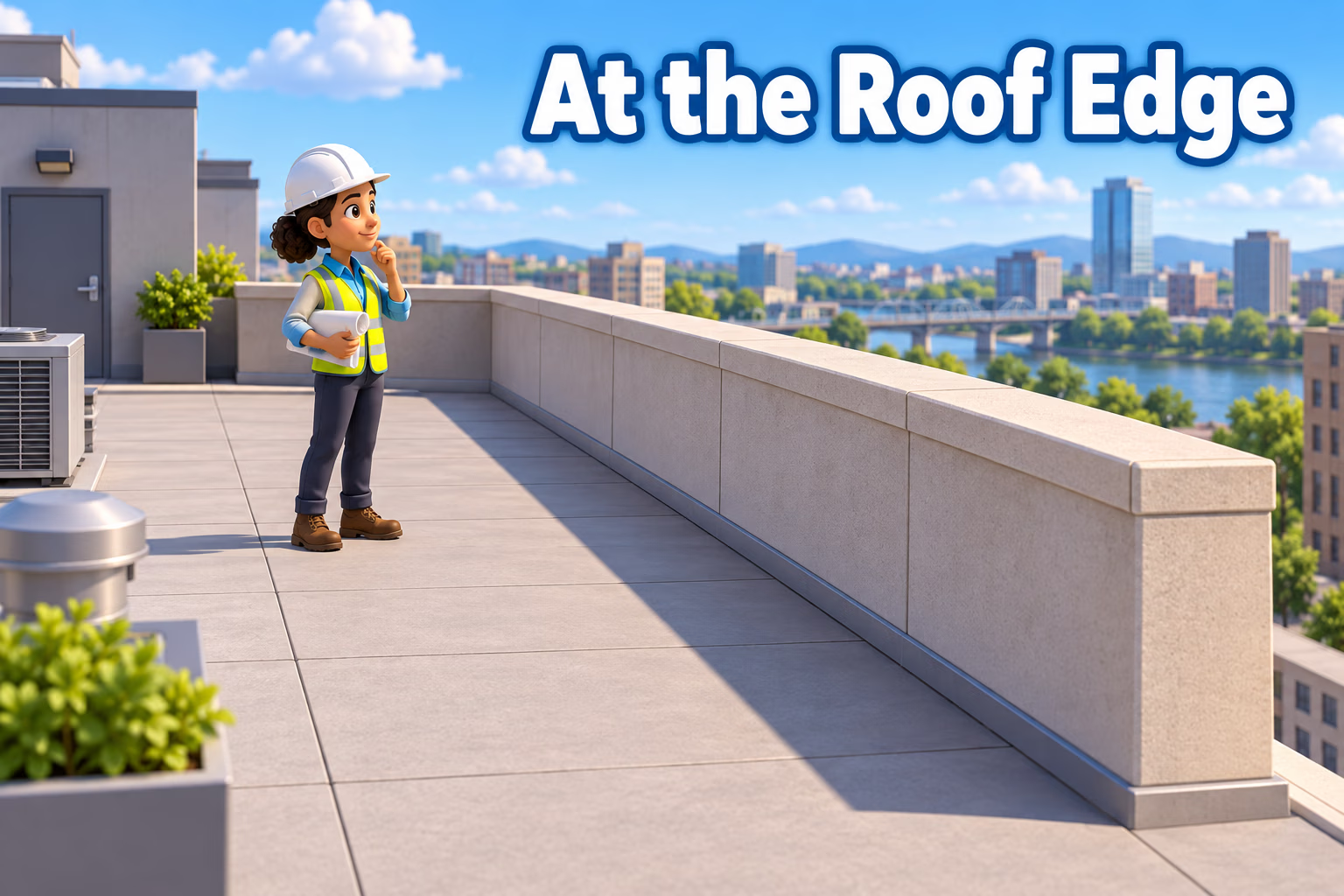
A parapet is commonly a low, solid wall or raised continuation of a wall at an edge. A railing is usually an open barrier made from rails, bars, or balusters. Buildings use different edge designs, and terminology can vary by context, so describe the visible structure precisely instead of assuming every edge barrier is a parapet. A parapet may have a railing above it, but the two terms do not always describe the same part.
Can a parapet be defensive?
Yes. In military and historical writing, a parapet can be a protective wall behind which defenders take cover. For example: “The soldiers watched from behind the parapet.” Historic parapets may have different shapes and features; the word alone does not tell a reader the wall’s exact construction.

What does “put your head above the parapet” mean?
Put your head above the parapet is an idiom meaning to take a risk by becoming noticeable or by expressing an opinion that may attract criticism. It is figurative: the speaker is not describing someone physically leaning over a roof wall. For instance, “He put his head above the parapet by challenging the familiar plan.”
Is a parapet a safe place to sit?
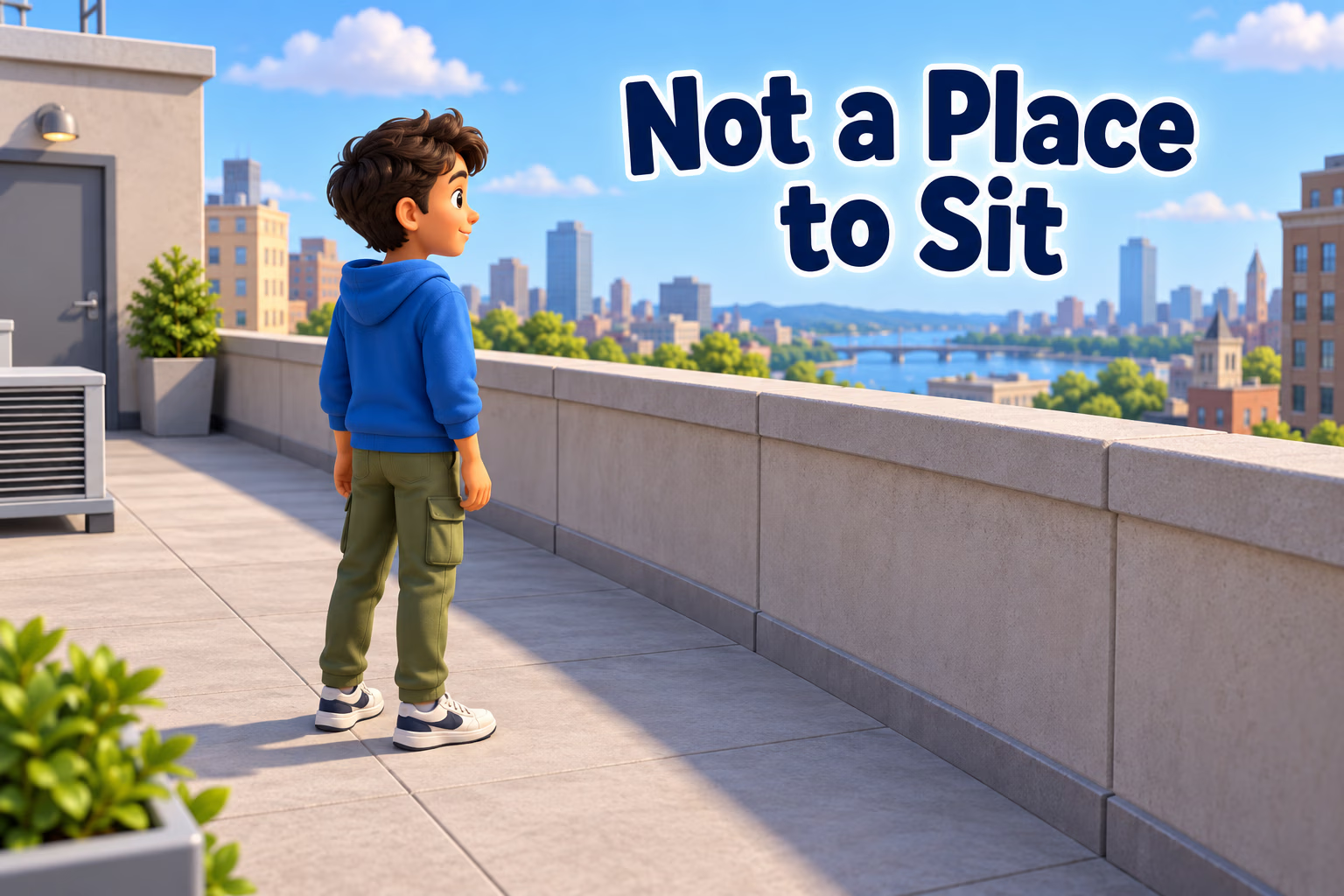
No. A parapet is a barrier at an edge, not a seat or a platform. Even when a wall appears sturdy, its height, condition, and setting are not known from the word alone. Stay on designated paths, do not climb or sit on parapets, and follow posted site instructions. This general definition does not assess a particular building or establish code compliance.
Frequently asked questions
What is a simple sentence with parapet?
“A low parapet runs along the roof.” This sentence names the wall and where it is located.
Is parapet singular or plural?
Parapet is singular; its regular plural is parapets. Example: “The bridge parapets were made of stone.”
Does parapet only mean a roof wall?
No. A parapet can run along the edge of a roof, bridge, terrace, or similar structure, and the word also has a defensive-wall sense. The exact meaning comes from context.
What is the difference between a parapet and a parapet wall?
In ordinary architectural use, parapet already refers to a low wall or barrier at an edge. Parapet wall is an expanded phrase used to emphasize its wall form; the preferred wording depends on the sentence and technical context.
Sources
Definitions and idiom usage were checked against Oxford Advanced Learner’s Dictionary: parapet and Cambridge Dictionary: parapet. For historical and architectural context, see Historic England’s glossary.
In short: use parapet for a low wall or barrier along an edge, or for a defensive wall when context makes that sense clear. State its location, choose the right preposition, and treat it as a barrier rather than a place to sit.


