
Protein in a Sentence: Meaning and Examples
Protein is a large biological molecule built from amino acids and needed for many structures and processes in living organisms. “Protein helps repair cells and build new ones” is a clear general sentence. In nutrition writing, distinguish protein in foods from the many proteins working inside the body.
Key facts at a glance
- Proteins are chains of amino acids, and their structures relate to their functions.
- Proteins help form and maintain tissues and carry out many cellular roles.
- Dietary protein comes from animal and plant foods.
- Protein is usually a mass noun in everyday English, though proteins is its plural for molecules or types.
What does protein mean?
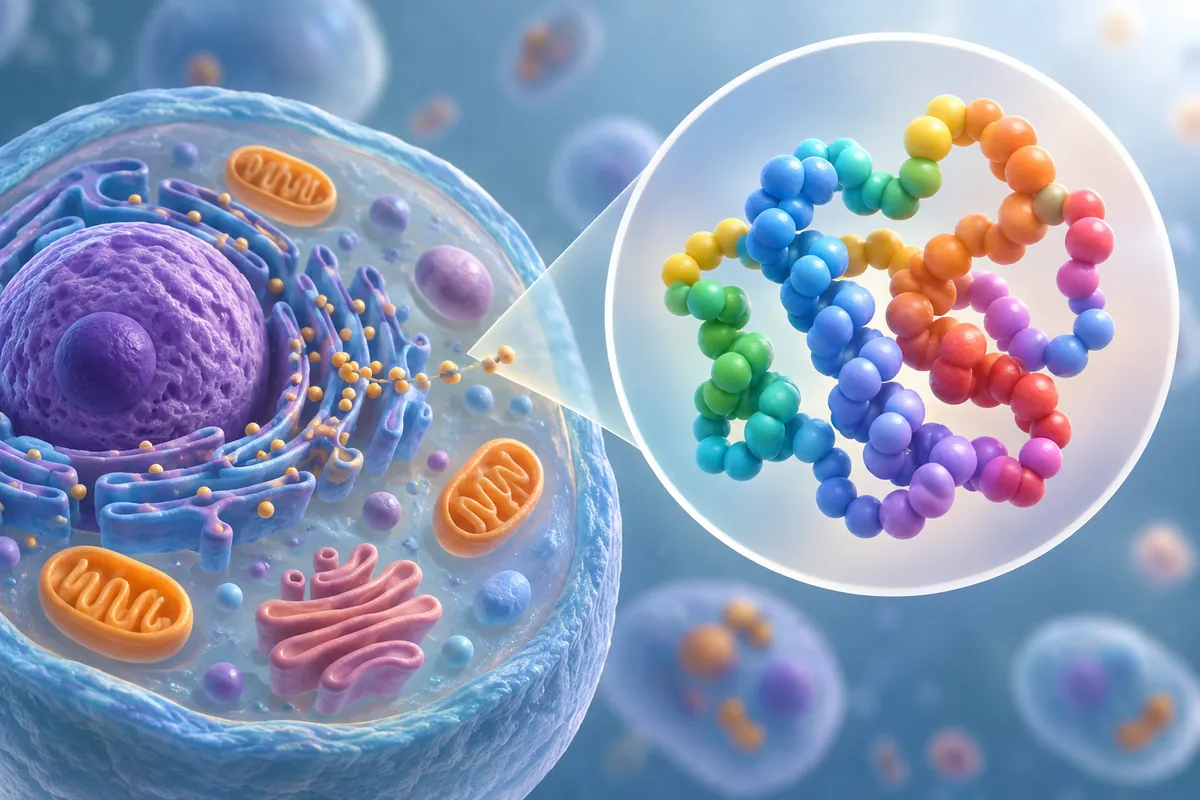
Protein refers to a large molecule made from amino acids. MedlinePlus explains that proteins perform many jobs in cells and are important to the structure, function, and regulation of tissues and organs. The amino-acid sequence helps determine each protein’s structure and role.
In food and nutrition, protein can also mean the nutrient supplied by foods such as eggs, beans, fish, dairy, nuts, and soy. A sentence should make clear whether it discusses biological molecules in the body or a dietary source.
How do you use protein in a sentence?
Use protein as a noun. In everyday nutrition contexts it is usually a mass noun—“This meal contains protein”—while the plural proteins refers to different molecules or types. Add a verb that states the actual role instead of making broad claims.
| Context | Example sentence |
|---|---|
| Cells | Protein helps build and maintain body tissues. |
| Biology | The cell uses proteins to carry out different functions. |
| Food | Lentils provide dietary protein in the soup. |
| Study | The class compared the structure of two proteins. |
What does protein do in the body?
Proteins perform varied functions rather than serving only as muscle material. MedlinePlus notes that proteins contribute to tissue structure and regulation and do much of the work in cells. Specific proteins can help form structures, transport substances, or participate in chemical reactions.
Do not use a single sentence to imply that eating one high-protein food guarantees muscle growth or prevents illness. Growth and health depend on a broader set of biological and dietary factors. For personal nutrition needs, rely on qualified health guidance rather than a vocabulary example.

Which foods contain dietary protein?
Dietary protein occurs in both animal and plant foods. MedlinePlus lists meat, dairy, nuts, grains, beans, and other foods as sources; other examples include eggs, fish, peas, lentils, soy, and seeds. A varied diet can draw protein from different food groups.
When writing an example, name the source instead of calling a food “protein.” “Tofu supplies dietary protein” is clearer than “Tofu is protein,” because tofu is a food containing protein along with other nutrients and components.
Is protein countable or uncountable?
Protein is commonly uncountable when it means the nutrient: “The snack contains protein.” It is countable in technical contexts when referring to distinct protein molecules or types: “The study examined three proteins.”
This distinction affects articles and plurals. Write “some protein” for an unspecified amount of food nutrient and “a protein” only when referring to a particular molecule or type, or in a conversational context where the food serving is implied.
Frequently asked questions
What is a simple sentence with protein?
“Beans provide protein” is a simple sentence using protein as a noun for a dietary nutrient. A biology example is “Protein helps cells perform many tasks.” Add a specific food or function when the sentence needs more information and precision.
Is protein a nutrient or a molecule?
Both uses are common. Proteins are molecules made from amino acids; in nutrition, protein refers to the nutrient people get from foods containing those molecules. Context clarifies whether a sentence describes cell biology, body functions, or a meal in particular.
What foods are sources of protein?
Protein sources include meat, fish, eggs, dairy products, beans, peas, lentils, soy foods, nuts, seeds, and some grains. The protein amount and overall nutrient profile vary by food and serving, so a general example should avoid implying that every source is nutritionally identical.
Should protein be pluralized in a sentence?
Use protein as an uncountable noun for the nutrient in foods: “The meal contains protein.” Use proteins when discussing multiple kinds or molecules, such as “The cell uses many proteins.” The intended meaning determines the number in the intended context.
Conclusion
Use protein in a sentence for the nutrient in foods or for the biological molecules made from amino acids. Context distinguishes those meanings. Describe a specific food or cellular role, and avoid turning a simple vocabulary example into a personal health recommendation.
Proteins are fundamental molecules in all living organisms, crucial for various functions within the body. These complex compounds are made up of long chains of amino acids and play a vital role in cellular structure, function, and regulation throughout the human body.
From building and repairing tissues to supporting the immune system and aiding in metabolism, proteins are indispensable in maintaining overall health and well-being. They can be found in a variety of sources such as meat, dairy, legumes, and nuts, providing the necessary building blocks for growth and repair.
7 Examples Of Protein Used In a Sentence For Kids
- Protein helps make our muscles and bones strong.
- We can find protein in foods like milk, eggs, and nuts.
- Eating protein every day is good for our bodies.
- Protein gives us energy to play and learn.
- Fish and chicken are also good sources of protein.
- We need to eat protein to grow big and healthy.
- Let’s have some dal or lentils for lunch for extra protein.
14 Sentences with Protein Examples
- Protein is essential for muscle growth and repair, making it an important part of a college student’s diet.
- Including sources of protein in your meals, such as lentils and chickpeas, can help keep you feeling full and satisfied throughout the day.
- Packing snacks high in protein, like nuts or Greek yogurt, can be a convenient and energy-boosting option for busy days on campus.
- For a quick and easy meal, consider making a protein shake with whey powder, milk, and your favorite fruits.
- Eating a breakfast rich in protein, such as eggs or tofu scramble, can jumpstart your metabolism and improve focus during those early morning lectures.
- If you follow a vegetarian or vegan diet, incorporating plant-based sources of protein like quinoa, beans, and tofu can ensure you’re getting all the essential amino acids your body needs.
- Adding protein to your post-workout meal can help with muscle recovery and replenishing glycogen stores, which is especially important for students who engage in regular exercise.
- When dining on campus, look for options that are high in protein and fiber to keep you fueled and focused throughout the day.
- Planning your meals ahead of time can help you ensure you’re getting enough protein in your diet, whether you’re cooking at home or grabbing a bite between classes.
- Snacking on protein bars can be a convenient way to curb hunger cravings during study sessions or late-night cram sessions.
- Opting for protein-rich toppings like grilled chicken or paneer on your salads can make for a more satisfying and nutritious meal choice.
- If you find yourself struggling to meet your protein needs through whole foods alone, consider incorporating a protein supplement into your routine.
- Balancing your macronutrient intake by including protein in every meal can help stabilize your blood sugar levels and prevent energy crashes throughout the day.
- Experimenting with new recipes that feature protein-packed ingredients like lean meats, fish, and legumes can make healthy eating more enjoyable and sustainable for college students.
How To Use Protein in Sentences?
Protein is a vital component of our diet and plays a crucial role in various bodily functions. When protein is mentioned in a sentence, it refers to a macronutrient that is essential for repairing and building tissues, as well as supporting the immune system and hormone production.
To use protein in a sentence, you can simply incorporate it into a statement about its importance in your diet. For example, “I try to eat foods rich in protein such as chicken, fish, and beans to help build muscle and stay healthy.”
Another way to mention protein in a sentence is by discussing specific sources of protein. For instance, “Salmon is a great source of protein and omega-3 fatty acids, which are important for heart health.”
You can also talk about the recommended daily intake of protein in a sentence. For example, “Experts suggest that adults should consume about 0.8 grams of protein per kilogram of body weight each day to meet their nutritional needs.”
By practicing incorporating protein into different sentences, you will become more familiar with using the term correctly and confidently in your everyday conversations about nutrition and health.
Conclusion
In conclusion, protein is an essential macronutrient that plays a crucial role in the growth and repair of tissues, as well as overall bodily functions. Consuming protein-rich foods such as meat, fish, eggs, dairy, legumes, and nuts can help meet our daily protein requirements. For example, “Eating a chicken breast provides a significant amount of protein needed for muscle building.” Additionally, “Including a serving of Greek yogurt in your breakfast is a great way to add protein to your diet.”
Ensuring that we include an adequate amount of protein in our diet is vital for maintaining good health and supporting various bodily functions. Whether through whole foods or protein supplements, meeting our daily protein needs is essential for overall well-being and optimal functioning of the body.


