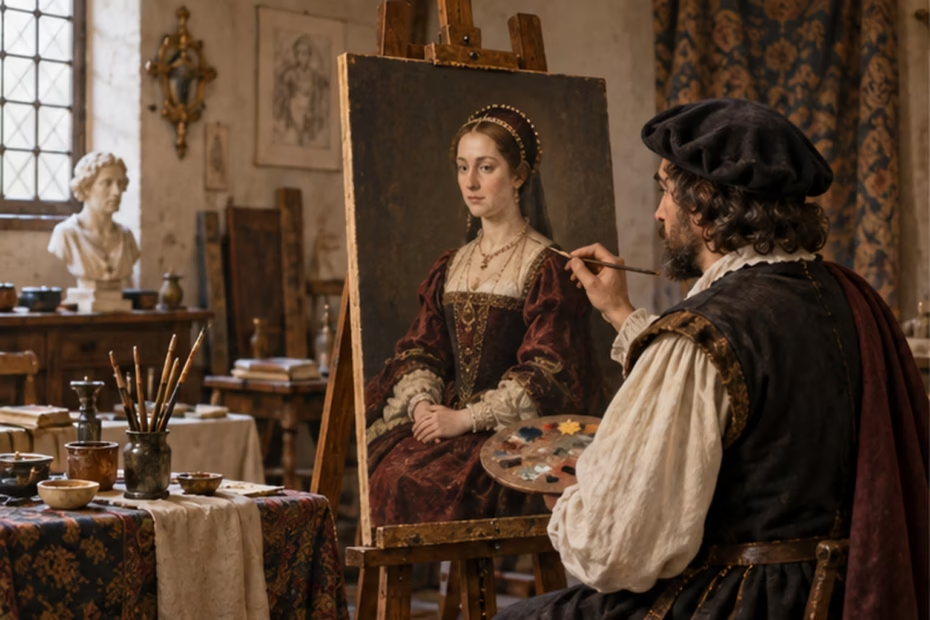
Have you ever wondered what the term “renaissance” really means? The word “renaissance” refers to a period in history known for its cultural and intellectual revival, particularly in Europe during the 14th to 17th centuries.
During the renaissance, there was a significant emphasis on arts, literature, and philosophy, leading to a surge in creativity and innovation. This era marked a pivotal shift in society, with a renewed interest in classical learning and humanism.
7 Examples Of Renaissance Used In a Sentence For Kids
- The renaissance was a magical time for art and music.
- People in the renaissance wore beautiful clothes and hats.
- Artists in the renaissance painted amazing pictures of kings and queens.
- The renaissance brought new ideas about math and science.
- The renaissance is a time in history when many beautiful buildings were built.
- In the renaissance, people learned to read and write in many different languages.
- The renaissance was a time of great creativity and learning.
14 Sentences with Renaissance Examples
- Renaissance art is characterized by its attention to detail and realistic representation of the human form.
- Many college students are drawn to studying the literary works of the Renaissance period.
- Learning about the scientific advancements made during the Renaissance can be fascinating for college students.
- Renaissance music, with its rich harmonies and intricate compositions, is popular among college musicians.
- College students studying history often explore the political and social changes that occurred during the Renaissance.
- Understanding the influence of the Renaissance on modern society can provide valuable insights for college students.
- Renaissance architecture is known for its grandeur and attention to symmetry, captivating many college students.
- College students can benefit from studying the philosophy of the Renaissance period, which emphasized humanism and individuality.
- The Renaissance period marked a significant revival of interest in classical learning, making it a popular topic for college scholars.
- Exploring the technological innovations of the Renaissance can inspire college students to pursue careers in STEM fields.
- College students may find inspiration in the entrepreneurial spirit of Renaissance merchants and explorers.
- The Renaissance period saw a surge in artistic creativity, making it a particularly exciting era for college art students to study.
- The Renaissance brought about important changes in education, encouraging critical thinking and intellectual curiosity among college students.
- Many college students are fascinated by the political intrigues and power struggles that characterized the Renaissance period.
How To Use Renaissance in Sentences?
Renaissance was a time period in European history known for its cultural and artistic advancements. In Renaissance (meaning the period), you can use it to refer to a specific era or to describe something that is reminiscent of the artistic style from that time.
For example, you could say “The painting exhibited intricate details and vibrant colors, truly capturing the essence of the Renaissance.” Here, Renaissance is used to describe the artistic style from that specific time period.
Alternatively, you can say “The city experienced a Renaissance after new businesses opened and the arts scene flourished.” In this sentence, Renaissance is used metaphorically to indicate a rebirth or revival of a city.
When using Renaissance in a sentence, it’s important to keep in mind the context in which you are using the word. Whether you are referring to the historical period or using it more broadly to describe a revival or renewal, Renaissance adds depth and richness to your writing.
So, next time you want to evoke a sense of cultural enlightenment or a period of great creativity, consider incorporating Renaissance into your sentences.
Conclusion
In conclusion, the sentences featuring the keyword “renaissance” demonstrate a wide range of uses and contexts in which the word can be applied. From discussing historical events and cultural movements to referencing personal growth and revival, these sentences illustrate the versatility and richness of the term. They highlight how the concept of renaissance can denote a period of rebirth and rejuvenation, both in historical context and in more abstract applications related to personal development.
Overall, the examples provided showcase the various ways in which “renaissance” can be employed to convey ideas of renewal, revival, and transformation. Whether discussing the artistic flourishing of the Renaissance period or describing a personal renaissance in individual growth, these sentences underscore the enduring relevance and significance of the term in capturing moments of resurgence and resurgence in different aspects of life.
Renaissance in a Sentence: Historical and Modern Uses
Renaissance has two common uses. With a capital R, the Renaissance names a historical period and cultural movement in Europe. Lowercase renaissance means a renewed period of activity or interest, such as a revival in music, business, or community life. Cambridge Dictionary records both senses. The dates assigned to the historical Renaissance vary by region and subject; The Metropolitan Museum of Art’s teaching resource gives a broad range of roughly 1400 to 1650 and explains that developments did not begin or end at the same time everywhere.
Use the historical sense
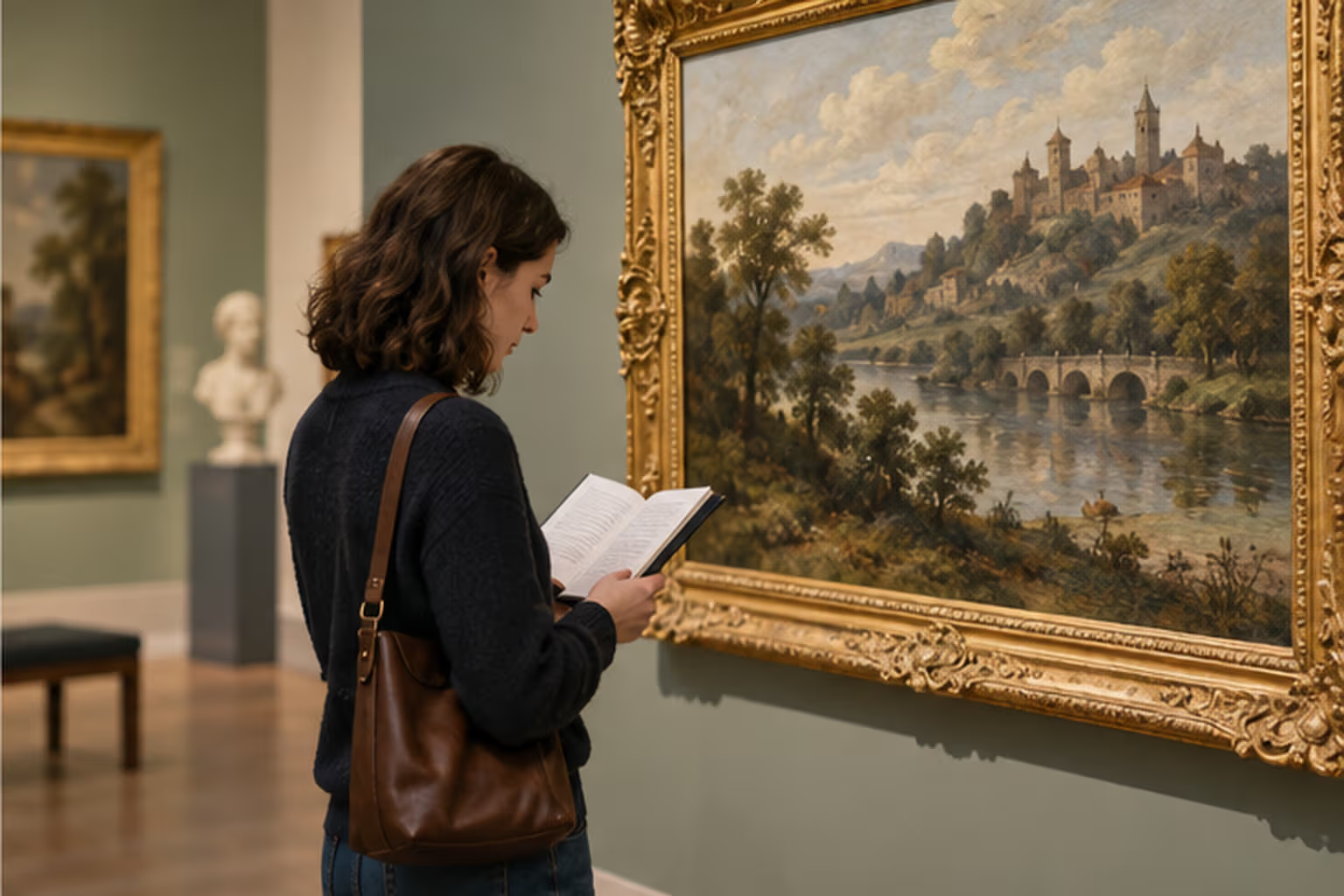
Capitalize Renaissance when you mean the named historical period: “The Renaissance shaped art and learning in several European regions.” It can also describe things associated with that period when used before a noun: “The gallery displayed Renaissance paintings.” The word alone does not mean “painting”; it identifies the historical connection, while the following noun tells readers what kind of object or work you mean.
- History: Our class compared trade routes during the Renaissance.
- Art: The museum added a Renaissance portrait to its collection.
- Architecture: The guide pointed out Renaissance features in the city hall.
- Literature: She read a Renaissance poem in its original language.
Use the revival sense
Use lowercase renaissance for a fresh burst of activity, interest, or growth. This use often takes a or the, because it describes one instance: “The old cinema is enjoying a renaissance.” It does not have to refer to Europe or the arts, although art, music, and literature are common contexts.
- Community: New cafés and a public garden helped spark a renaissance in the district.
- Music: The documentary led to a renaissance of interest in the composer’s work.
- Technology: Affordable instruments brought about a renaissance in home recording.
- Personal: After a career break, he described the new project as a creative renaissance.
Quick grammar and capitalization guide
When you mean the named historical movement, write the Renaissance. When you mean any renewed period, write a renaissance or simply renaissance as needed by the sentence. As an adjective before a noun, capitalize it when the phrase points to the period—for example, Renaissance music. In a broad metaphorical phrase, lowercase it: “The town’s restaurant scene is having a renaissance.” Style guides may differ about capitalization in indirect references, so keep the choice consistent within your writing.
Renaissance is also used in compounds such as Renaissance-inspired. In this adjective, the hyphen links the historical or stylistic reference to the noun: “They restored the Renaissance-inspired ceiling.” Avoid using “Renaissance” as a vague synonym for “old-fashioned”; name the actual style, period, or revival you mean.

Simple sentence patterns
For a historical example, use during the Renaissance, Renaissance art, or a Renaissance writer. For a modern revival, use a renaissance in followed by the activity: “The library’s free concerts started a renaissance in neighborhood music.” You can also say something experienced, enjoyed, or underwent a renaissance. These verbs make it clear that the word describes a renewed period rather than a person or object.
To choose the right form, ask whether the sentence refers to a specific historical period or a renewed activity in the present. That distinction usually tells you both the meaning and the capitalization.
Sources
- Cambridge Dictionary: “renaissance” — historical and revival meanings, with example usage.
- The Metropolitan Museum of Art: The Art of the Renaissance — educational overview noting that the period’s dates vary by region and cultural field.


