What does share mean?
Share is a verb with several related uses. People can share an item by giving others some of it, share a space or resource by using it together, share information by telling others, or share feelings and interests by having them in common. The object and the surrounding sentence make the intended meaning clear.
For example, “Maya shared her notes with the study group” means she gave the group access to them. “The two colleagues share an interest in astronomy” means they both have that interest. In “The team shared the responsibility,” the verb describes a duty carried by more than one person.
| Pattern | Example | Meaning |
|---|---|---|
| share + thing + with + person | Leo shared the article with his sister. | Give, show, or tell a person about something |
| share + thing + among/between + group | They shared the bread among the guests. | Divide something for a group |
| share in + event/result | The whole team shared in the celebration. | Take part in or experience something |
| share + interest/quality/feeling | The neighbors share a love of gardening. | Have the same interest or experience |
| share + responsibility/blame | Both departments share responsibility for the delay. | Have a duty or part in a result together |

How to use share with an object
A common pattern is share + object + with + recipient: “I shared the schedule with the volunteers.” The object may be a meal, room, document, idea, password, or task. If the group matters more than one recipient, use among or between: “We shared the costs between the four roommates.” When the sentence is about fairness, say equally or explain the amounts; share by itself does not guarantee that every person received the same amount.
Use share in when someone participates in an experience, outcome, or responsibility: “Everyone shared in the team’s success.” Compare this with “Everyone shared the prize,” which means the prize was divided or jointly held. The preposition changes the relationship between the people and the thing.
Share information, ideas, and experiences
When the object is an idea, story, feeling, or piece of information, share can mean tell other people about it: “Nadia shared her concerns with the instructor.” It can also mean have a thought or feeling in common: “Nadia and her classmates share the same concern.” If either reading is possible, add a phrase such as with us, among the team, or in common.
For online posts, you can say “She shared the article on the class page” or “He shared the photo with his family.” Think about privacy when the information is personal or includes another person: check whether they are comfortable with its being shared, and make the audience clear when the sentence needs it.

Verb forms and the noun share
The main verb forms are share, shares, shared, and sharing: “I share,” “she shares,” “they shared,” and “we are sharing.” The past tense and past participle are both shared. In “They share a room,” share is a verb. In “She owns a share in the company,” share is a noun for a unit of ownership. Context tells you which part of speech is meant.

More example sentences with share
- Please share the handout with anyone who missed class.
- The volunteers shared the donated blankets among the shelter residents.
- My brother and I share a desk, so we keep our books on separate shelves.
- She shared her experience with the new employees.
- The neighbors share responsibility for watering the community garden.
- After the final match, the players shared in the celebration.
- We shared the taxi fare equally between the three passengers.
- Would you mind sharing what you learned from the interview?
Frequently asked questions
Do you share something “with” or “to” someone?
The usual pattern is share something with someone: “I shared the file with Jordan.” Use to with other verbs such as send or give: “I sent the file to Jordan.”
Does “share” always mean divide equally?
No. It can mean use together, give access, tell others, or have something in common. If you mean an equal division, say “share equally” or specify the portions.
What does “share in” mean?
Share in often means take part in or have a part in an experience, outcome, or responsibility: “The whole class shared in the excitement.”
Source: Oxford Learner’s Dictionaries: share (verb); Cambridge Dictionary: share.
Original “share” examples
Use the patterns above to distinguish dividing an item, using something together, sharing information, and having an experience in common.

Have you ever wanted to clearly illustrate a point or idea to someone through a simple demonstration in written form? This is where example sentences with the word “share” come into play.
In grammar and language studies, an example sentence with “share” serves as a practical way to show how the word is used in context. By providing a clear instance of how a particular word functions in a sentence, learners can grasp its meaning and usage more effectively.
7 Examples Of Share Used In a Sentence For Kids
- Share your toys with your friends.
- Let’s all share our snacks during snack time.
- We should share our crayons when coloring together.
- It’s nice to share a story with your classmates.
- Remember to share your ideas during class.
- We can share the playground equipment with everyone.
- Don’t forget to share your umbrella with a friend when it rains.

14 Sentences with Share Examples
- Share your notes with classmates to help each other prepare for exams.
- It’s important to share resources and knowledge with your peers to boost overall learning.
- Don’t hesitate to share your thoughts and ideas in group discussions.
- Make sure to share the responsibilities evenly when working on group projects.
- Share your textbook with a friend who needs it for reference.
- Create a Google Drive folder and share it with your study group for easy collaboration.
- Always share study tips and tricks with your friends to help them improve academically.
- Share your experiences with freshmen to help them navigate college life more smoothly.
- Organize a study session where everyone can share study materials and insights.
- Attend workshops and seminars to share and gain knowledge from experts in the field.
- Encourage your classmates to share their opinions and perspectives during class discussions.
- Share extracurricular activities you are involved in to inspire others to join and explore new interests.
- Create a shared document for project ideas so that everyone can share their input.
- Utilize social media platforms to share important announcements and updates with your college community.

How To Use Share in Sentences?
To use “Share” in a sentence, follow these simple steps:
- Subject: Begin your sentence with the noun or pronoun that will be doing the sharing. For example, “I” or “The students”.
- Verb: Insert the word “share” to indicate the action that is being taken. This will be the main word you want to emphasize in your sentence.
- Object: Include what is being shared after the verb. This could be information, an item, emotions, etc. For instance, “my lunch”, “their thoughts”, “the latest news”.
- Context/Details: Add any additional information to give more context to the sharing. This could include where, when, why, or how the sharing is taking place. For example, “at school”, “on social media”, “because it’s important”.
- Punctuation: Finish your sentence with appropriate punctuation, typically a period, question mark, or exclamation mark, depending on the tone of your sentence.
Here’s an example of a sentence using “Share”:
– “I share interesting articles on social media.”
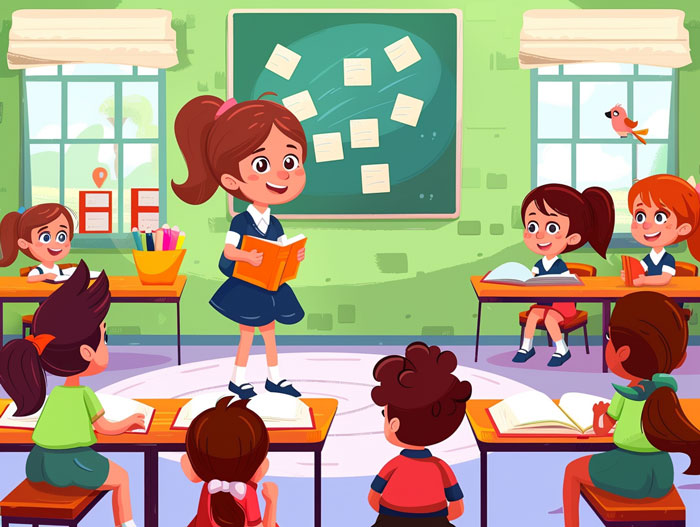
By following these steps, you can effectively incorporate the word “Share” into your sentences. Experiment with different subjects, objects, and contexts to practice and become more comfortable using the word in various situations.
Conclusion
In conclusion, the examples of sentences using the keyword “share” illustrate how this word can convey the act of distributing or partaking in something with others. By examining sentences such as “Let’s share the cake evenly” and “She decided to share her story with the group,” we see that sharing can involve division, collaboration, or disclosing information. These examples demonstrate the various contexts in which the concept of sharing can be applied in everyday language.
Whether it’s dividing resources, collaborating on a task, or simply expressing experiences with others, sharing is a fundamental aspect of human interaction. Through sharing, we create connections, build relationships, and foster a sense of community. The diverse usage of the word “share” in these sentences highlights the importance of this concept in our social interactions and underscores its significance in fostering bonds and communication among individuals.