
Bad can describe low quality, harm, an unpleasant experience, illness, or behavior someone considers wrong. The best adjective depends on what you mean: a defective product is not the same as a dangerous one, and a disappointing result is not necessarily harmful. Use the categories and examples below to choose a precise word.
If you’re looking for words to describe someone who is unpleasant or unsavory, you’ve come to the right place. This comprehensive list of negative adjectives includes everything from general terms like “bad” and “terrible” to more specific words like “deceptive” and “insincere.”
It also includes a variety of different shades of meaning, so you can find just the right word to describe the person you have in mind. Also included are some useful phrases for describing bad behavior.
adjectives for bad
No one wants to be called bad. It’s an adjective that no one wants to describe them. But, unfortunately, there are people in this world that are bad. They’re the people that you don’t want to be around, the people that will make your life a living hell. Here are some adjectives that describe bad people. Adjective for bad:
- Evil
- Wicked
- Vile
- Disgusting
- Repulsive
- Atrocious
- Abhorrent
- Loathsome
- detestable
- Repellent
a | B | c
| Abominable | Amiss | Atrocious |
| Awful | Adjectives For Express Experience | Bad News |
| Beastly | Blah | Bummer |
| Careless | Cheap | Cheesy |
| Crappy | Cruddy | Crummy |

d
| Damaging | Dangerous | Defective |
| Deficient | Deleterious | Destructive |
| Detrimental | Diddly | Disadvantageous |
| Disastrous | Dissatisfactory | Downer |
| Dreadful |
e | f | g | h
| Erroneous | Fallacious | Faulty |
| Garbage | Godawful | Grody |
| Gross | Grungy | Harmful |
| Hurtful |
i | j | l | n | o | p
| Icky | Imperfect | Inadequate |
| Incorrect | Inferior | Injurious |
| Junky | Lousy | Not Good |
| Off | Poor |
r | s | t | u
| Raunchy | Rough | Ruinous |
| Sad | Slipshod | Stinking |
| Substandard | Synthetic | The Pits |
| Unacceptable | Unhealthy | Unsatisfactory |
Final verdict
There are many words that can be used to describe something that is bad. Some of these words are: terrible, horrible, awful, lousy, and disgusting. These are just a few of the many words that can be used to describe something that is bad. It is important to be able to use these words correctly so that you can communicate your feelings accurately.
Choose an Adjective for the Kind of “Bad”
Cambridge Dictionary lists several senses of bad, including unpleasant, low quality, harmful, serious, morally unacceptable, and decayed. Because those meanings differ, synonyms are not interchangeable. Ask what is bad—the quality, result, taste, risk, or action—before choosing a replacement.

For poor quality or condition
- Faulty or defective: something does not work as intended. “The faulty latch would not close.”
- Flawed: a plan, argument, or design has a weakness. “The proposal rests on a flawed assumption.”
- Substandard or inferior: quality falls below an expected level. “The inspection found substandard materials.”
- Shoddy or slipshod: work appears careless or poorly made. “The report was a slipshod draft with missing sources.”
For harm, risk, or serious results
- Harmful or damaging: something causes injury or a negative effect. “The repeated delays were damaging to the project.”
- Dangerous: something presents a risk of harm. “The loose railing made the stairs dangerous.”
- Detrimental: formal word for having a harmful effect. “The noise was detrimental to concentration.”
- Disastrous or catastrophic: very serious outcomes. Use these stronger terms when the consequences support them, not for a minor inconvenience.
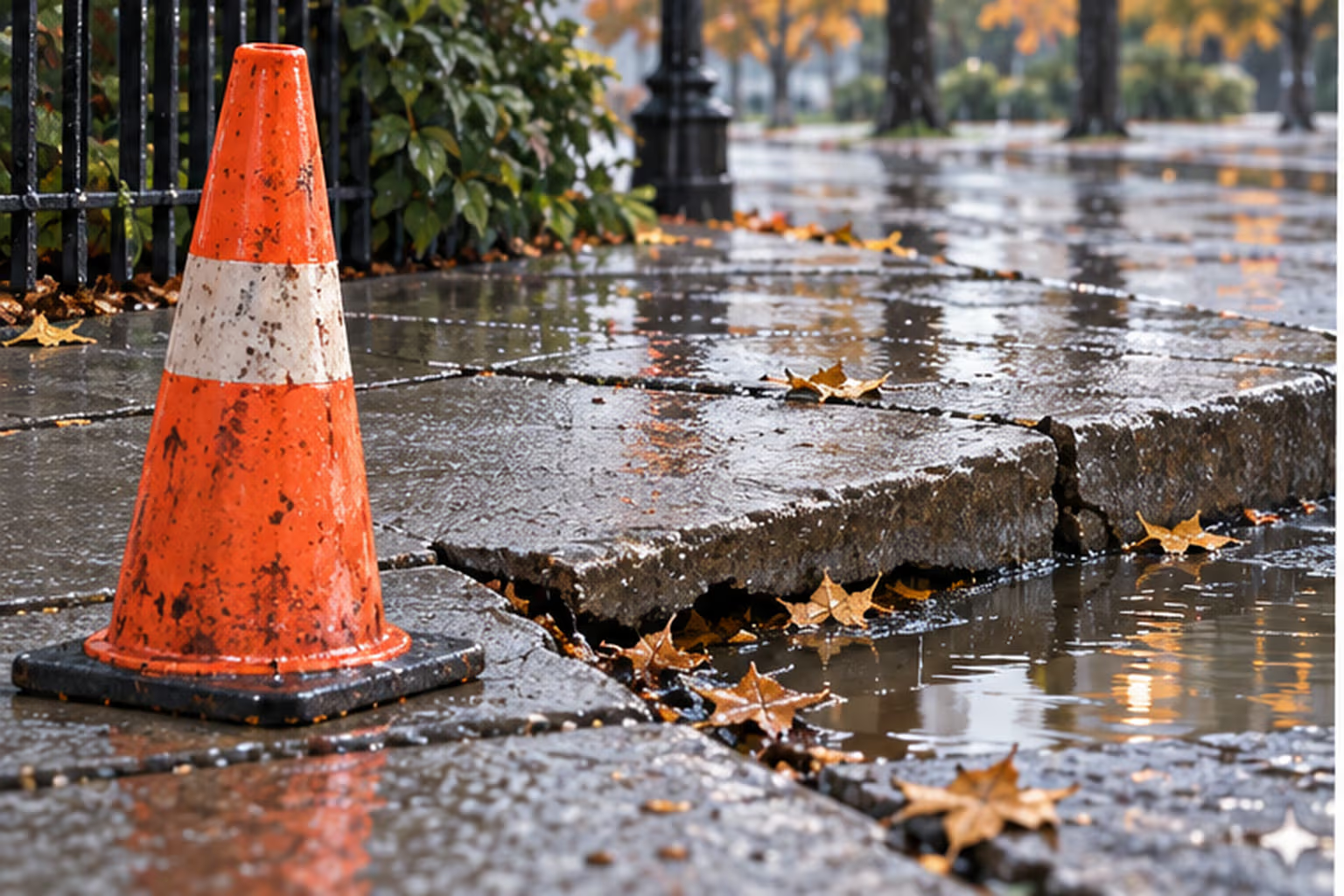
For an unpleasant experience or result
- Unpleasant: uncomfortable or disagreeable. “The medicine left an unpleasant taste.”
- Disappointing: less good than expected. “The ending was disappointing after such a strong start.”
- Frustrating: makes progress difficult. “A missing password made the process frustrating.”
- Awful or dreadful: strong, general words for something very unpleasant. “The storm made for a dreadful drive.”
- Rancid, stale, or musty: more exact choices for spoiled, old, or damp-smelling food and objects.
For behavior, describe the action
Words such as dishonest, cruel, reckless, and inconsiderate describe particular kinds of behavior. Use them only when they fit the action, and consider describing what happened instead of labeling a whole person. “He changed the figures without telling the team” gives clearer information than “He is bad.” In feedback, “The missed deadline delayed the handoff” is more useful than a broad personal judgment.
Evil, wicked, and abhorrent carry strong moral condemnation; they are not ordinary substitutes for poor or disappointing. Wicked may also be playful in informal phrases, so tone and context matter.
Compare intensity and tone
For a mild problem, try less effective, unhelpful, or below average. For a clear but moderate issue, use poor, faulty, or unacceptable. Reserve atrocious, vile, or catastrophic for very strong reactions or serious situations. Informal words such as crummy, crappy, and gross may fit conversation but can sound rude or unprofessional in a report.
Example sentences
- The defective charger stopped working after one day.
- A misleading label gave customers incorrect information.
- The paint had a strong, unpleasant smell.
- Her careless edit removed an important paragraph.
- The team rejected the flawed comparison because it used different measurements.
- That was a disappointing result, but it showed what to improve next time.
- The narrow, icy path was dangerous after dark.
- The spoiled milk tasted sour and smelled rancid.
Grammar: bad, worse, and worst
Bad has irregular comparative and superlative forms: worse and worst. Say “The second draft is worse than the first” and “That was the worst result of the three.” Do not add -er or -est to make badder or baddest in standard English; those forms may appear playfully or in special informal uses.
For precise writing, replace bad with a word that names the problem, then give a concrete detail. That makes a description clearer and keeps its tone in proportion to the situation.
Source
- Cambridge Dictionary: bad — common adjective senses and examples.


