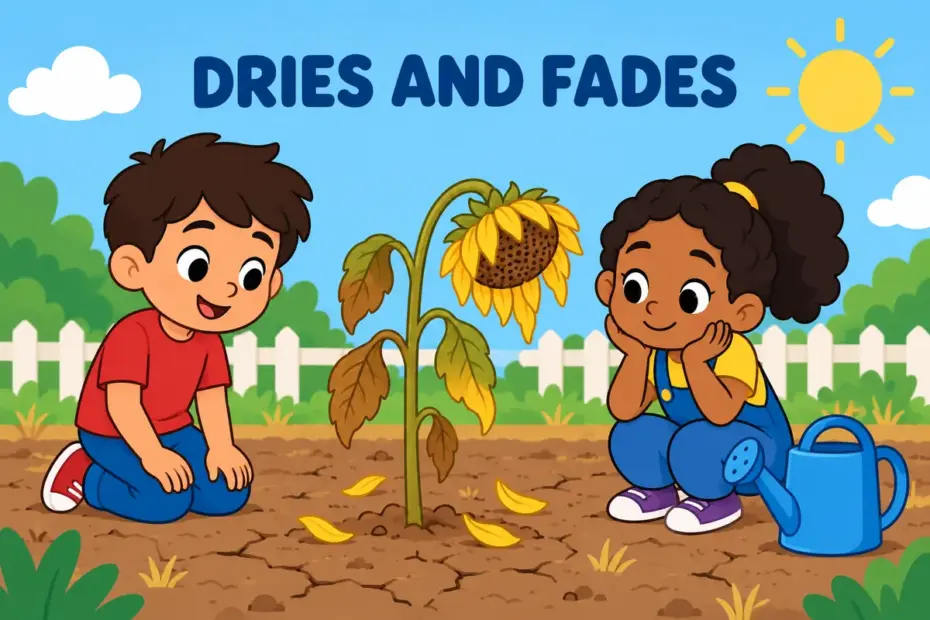
Wither means to dry up, shrivel and lose vitality, and it describes plants, hopes and institutions alike. You use wither in a sentence by naming what is drying or fading: “The roses withered in the heat.” The verb is usually intransitive, so it needs no object.
Wither at a glance
- Wither is a verb; its forms are withers, withered, withering and the rare adverb witheringly.
- Its two senses are a plant losing moisture and anything losing strength over time.
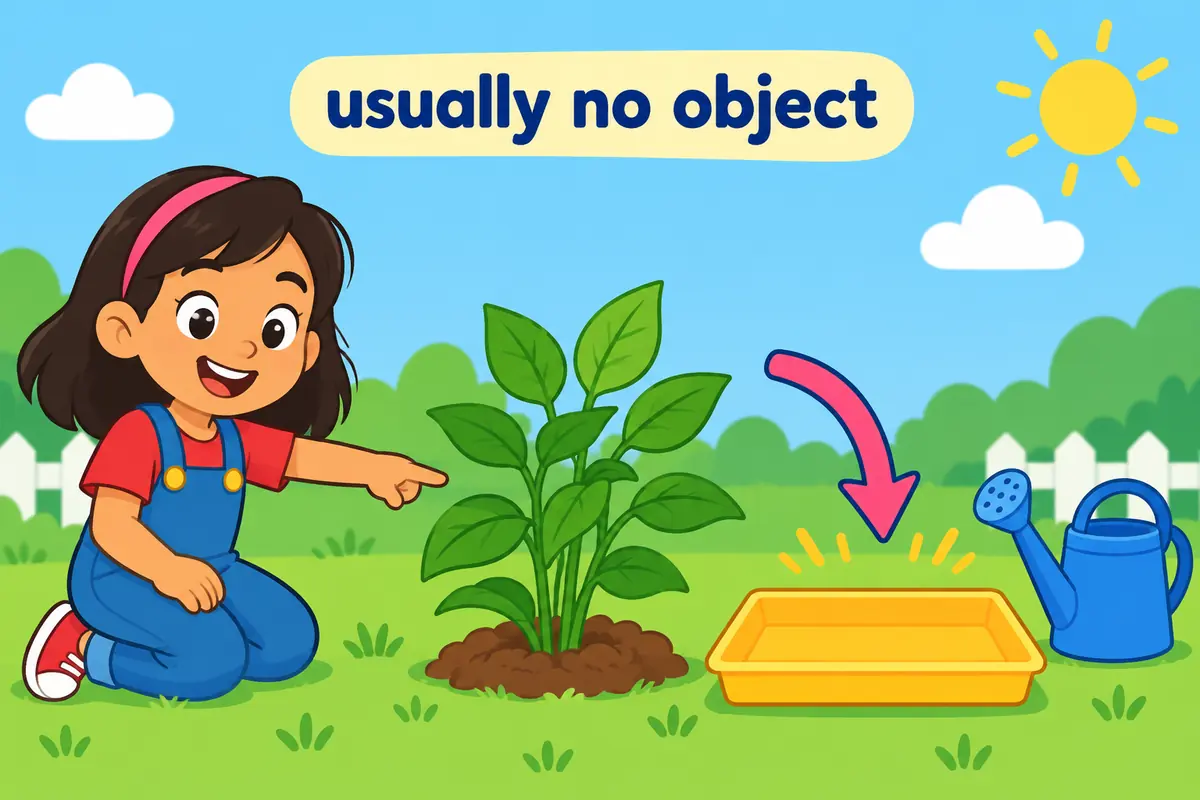
- The usual pattern is subject + wither, with no direct object.
- Its most common partners are away, in, under and on the vine.
- The commonest error is using wither for something that dies suddenly, where wilt or collapse is more accurate.
What does wither mean?
Wither is a verb meaning to become dry, shrunken and weak, whether a plant loses its moisture or a larger thing loses its vitality. The Cambridge entry for wither records both the plant sense and the figurative sense, and the difference is only in the subject: roots wither in a drought, and so do hopes. Where a plant simply bends with thirst before any damage is done, wilt is the earlier and gentler stage.
| Sense | Plain meaning | Example sentence |
|---|---|---|
| Plant loses moisture | Dry up and shrivel | The vines withered in the long drought. |
| Thing loses vitality | Decline and fade away | The old club withered without new members. |
| Caused to wither | Dry something out | The frost withered the young shoots overnight. |
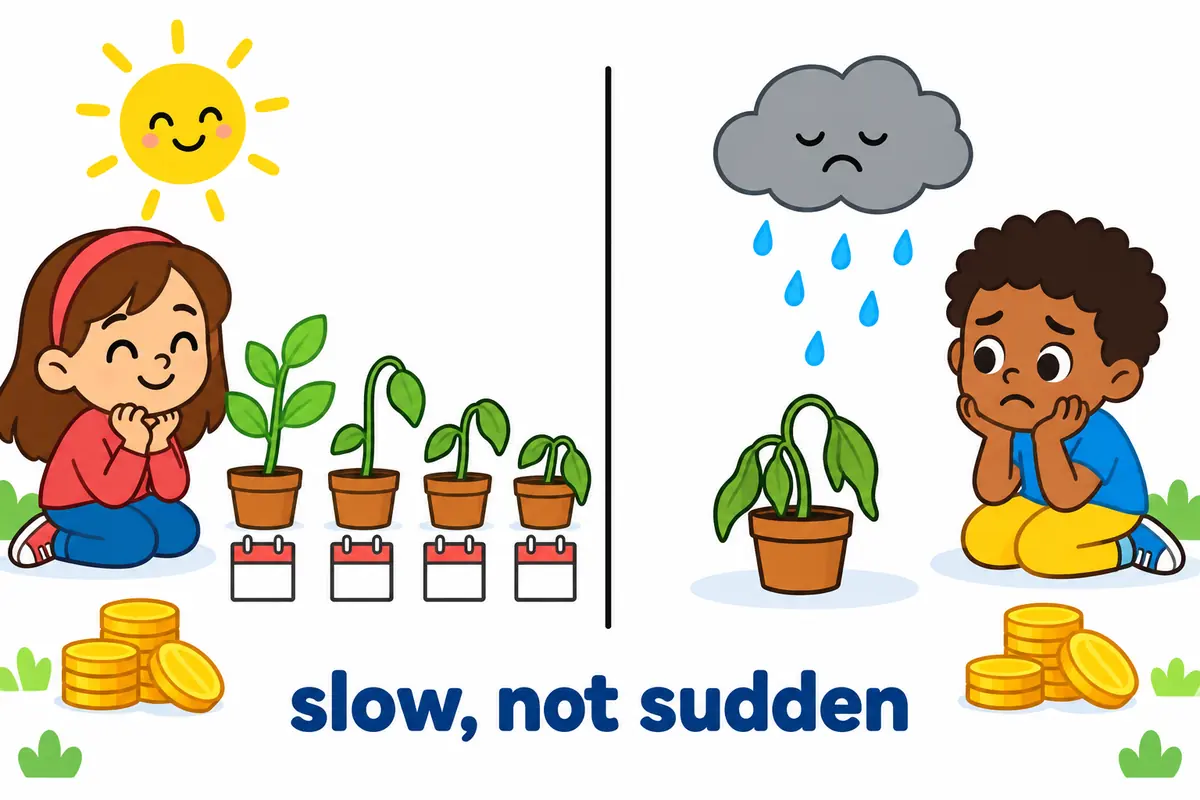
One limitation is worth stating plainly. Wither describes a slow loss, so it is the wrong verb for a plant crushed by a boot or a scheme that fails in a day. It also carries real sadness, so a neutral report about falling sales prefers decline to the more emotional wither.
How do you use wither in a sentence?
Wither normally stands alone after its subject, and the cause arrives with a preposition. A few fixed patterns cover almost every sentence, including the transitive use in which a force withers something else.
| Pattern | Example | What it signals |
|---|---|---|
| subject + wither | The leaves withered within a week. | The plain intransitive decline, with no object. |
| wither away | The savings withered away over the winter. | A gradual vanishing rather than a single event. |
| wither in or under | Crops withered under the hot sun. | Names the condition that causes the drying. |
| be withered by | The seedlings were withered by frost. | Passive voice, with the cause as the agent. |
| withering + noun | She gave the plan a withering look. | The adjective, meaning scathing, not drying. |
The intransitive use is far commoner than the transitive one. When a cause does appear, it usually follows by, in or under rather than sitting directly before the verb.
Wither in a sentence: examples across contexts
The verb moves easily between a garden and a balance sheet because the same slow loss of strength underlies both. These nine sentences show the range.
| Context | Example sentence | Why this works |
|---|---|---|
| Gardening | The tomato plants withered while we were away. | The plain plant sense with a cause implied by time. |
| Farming news | Two fields of wheat withered in the drought. | Names the crop and the condition in a neutral report. |
| Politics | Support for the bill withered over the summer. | Transfers the drying to an abstract quantity. |
| Business writing | Once the funding stopped, the project withered away. | Wither away conveys a slow, complete fade. |
| Literature | Her hopes withered as the letters stopped arriving. | The figurative sense, tied to a concrete signal. |
| Conversation | My basil withered in a single hot weekend. | The first person keeps it informal and specific. |
| Academic prose | Local dialects withered as the industry declined. | Links a cultural loss to an economic cause. |
| Sports report | The championship challenge withered after two early defeats. | Uses the word for a campaign losing momentum. |
| Nature writing | Ferns withered along the ridge in the dry wind. | Precise plant subject with the weather as the cause. |
Only one row uses the transitive form, and even there the cause arrives through a preposition rather than as a direct object of the verb in ordinary speech.
Wither vs wilt and shrivel
Wither is confused with two neighbours that describe the same decline at different speeds. shrivel stresses the wrinkled shrinking of tissue, while wilt stresses a temporary droop that water can often reverse.
| Attribute | wither | wilt | shrivel |
|---|---|---|---|
| Core job | Dry out and lose vitality | Droop from heat or thirst | Shrink and wrinkle |
| Speed | Slow and often lasting | Quick, and often reversible | Gradual, tied to moisture loss |
| Typical subject | Plants, hopes, institutions | Leaves, flowers, courage | Fruit, skin, leaves |
| Usual cause | Drought, neglect, decline | Heat, thirst, discouragement | Drying, ageing, cold |
| Figurative reach | Wide; hopes and clubs wither | Narrow; mainly courage or resolve | Very narrow; mostly physical |
Verdict: choose wilt for a droop that water may fix, shrivel for the wrinkled shrinking itself, and wither when the loss of strength is settled and complete.
Word forms and grammar of wither
Wither inflects regularly, and its present participle doubles as a sharp adjective. The table also lists the phrasal form learners reach for by mistake.
| Form | Part of speech | Example |
|---|---|---|
| wither | verb, base | Cut flowers wither without water. |
| withers | verb, third person singular | The ivy withers on the north wall. |
| withered | verb, past and past participle | The grass withered in August. |
| withered | adjective | He held a withered stem. |
| withering | verb, present participle | The crops are withering in the heat. |
| withering | adjective, figurative | The review was withering. |
The noun forms are rare, so writers usually reuse the participle, as in a look that could wither. The adjective makes the word sharper than the neutral fade, which describes light and colour rather than life.
Common mistakes with wither
- Incorrect:
The gardener withered the weeds.Correct: The gardener let the weeds wither. Rule: Wither is usually intransitive, and a person rarely withers something on purpose. - Incorrect:
The tree withered off in one afternoon.Correct: The tree withered over the summer. Rule: Wither is slow, so it resists a sudden time frame. - Incorrect:
The plant was wilting and brown, quite dead.Correct: The plant had withered and turned brown. Rule: Wilt describes the early droop; wither covers the lasting damage. - Incorrect:
Sales withered up by ten percent.Correct: Sales declined by ten percent. Rule: A measured fall belongs to decline, and wither up is not a phrase. - Incorrect:
He withered with embarrassment.Correct: He wilted with embarrassment. Rule: The figurative sense for a person is usually wilt, not wither.
Practice using wither
Work through the six items, then read the reason beside each answer.
- Fill the gap: The herbs ______ away while the family was on holiday.
- Choose the better word: The lettuce looked (wilted / withered) at noon but recovered by evening.
- Correct the error: The sun withered the whole field in an hour.
- Build a sentence: use wither away about a club that loses its members.
- Spot the register: which suits a business report — profits withered, or profits declined?
- Rewrite figuratively: Her confidence faded slowly. Replace faded with wither.
Answers
- withered — the gradual plant sense takes the away pattern.
- wilted — the droop was reversible, which points to wilt rather than wither.
- The sun withered the whole field over the season — wither is slow, not a single hour.
- Model answer: The chess club withered away once the older members left.
- Profits declined — a report avoids the emotional weight of wither.
- Her confidence withered slowly — the figurative sense keeps the same subject.
The bottom line
Use wither in a sentence when a plant or a larger thing loses moisture, strength or life slowly, and let the cause arrive after a preposition rather than as a direct object. The two details that decide most sentences are these: the verb is usually intransitive, and it implies a lasting decline rather than a sudden death. For a droop that water might still fix, languish and wilt are the closer words.
Wither is the mirror of bloom, because it marks the point where growth reverses into decline.
Frequently asked questions about wither
What does wither mean?
Wither means to dry up, shrivel and lose vitality. Of a plant, it describes leaves and stems losing moisture until they shrink and die. Of anything else, it describes a slow loss of strength, so hopes, clubs and industries can all wither. The word always suggests the change happens gradually rather than in an instant.
Is wither a verb?
Yes, wither is a verb, and it is usually intransitive, so it stands without a direct object. Its forms are withers, withered and withering, and the participle can also serve as an adjective, as in a withering remark. The related adverb witheringly is rare but appears in literary prose.
What is the difference between wither and wilt?
Wilt describes a quick droop from heat or thirst, and water may revive it. Wither describes a deeper, slower loss of moisture in which tissue shrinks and does not recover. A plant that flags at noon has wilted; one that has gone brown and brittle over a week has withered. The first is often temporary, the second is not.
Can wither be used figuratively?
Yes, and the figurative sense is common in good writing. Hopes, support and whole institutions can wither, with the plant image carrying the idea of slow decline. The cause usually arrives with a preposition, as in support withered under the new policy. Keep the subject something that can lose vitality over time.
Have you ever struggled to understand how to use the word “wither” correctly in a sentence? Let’s clear up any confusion by breaking it down for you. “Wither” is a verb that typically means to shrink, fade, or dry up, often due to a lack of moisture or vitality.
When you see “wither” in a sentence, it is showing the process of something drying out, wilting away, or losing strength. This word is commonly used to describe plants that have lost their vitality, but it can also be applied to abstract concepts like hopes, dreams, or relationships that are declining or fading away.
7 Examples Of Wither Used In a Sentence For Kids
- The flowers will wither if they don’t get enough water.*
- Leaves on the trees will wither and fall off in autumn.*
- The old fruit started to wither and turn brown.*
- Plants can wither if they are not placed in sunlight.*
- Without water, the grass will wither and become brown.*
- If you don’t take care of the plants, they will wither and die.*
- The vegetables will wither if not harvested on time.*
14 Sentences with Wither Examples
- Wither is a process where plants lose their vitality and eventually die.
- Students often neglect to water their plants, causing them to wither.
- Lack of sunlight can cause indoor plants to wither over time.
- It’s important to prune the dead leaves regularly to prevent the plant from withering.
- Without proper care, herbs in the kitchen garden may wither.
- Exam stress can make our focus and motivation wither.
- In the summer heat, the lawns on campus start to wither if not watered frequently.
- The lack of sleep can cause your energy levels to wither.
- If we don’t exercise regularly, our muscles will wither.
- Group projects require constant communication; otherwise, the team’s spirit may wither.
- The library’s collection of old books is starting to wither due to improper handling.
- Without regular practice, our language skills can wither away.
- It’s important to nurture relationships; otherwise, they may wither over time.
- Career opportunities may wither if we don’t stay updated with the latest trends in the industry.
How To Use Wither in Sentences?
Wither is a verb that is used to describe the process of drying up, shriveling, or decaying due to lack of moisture or nutrients. It can also refer to the gradual decline or weakening of something over time. Here is a guide on how to use Wither in a sentence:
- Wither can be used to describe the effect of the scorching sun on plants: “The flowers withered in the heat of the summer sun.”
- It can also be used metaphorically to describe a person or thing losing vitality or strength: “Her confidence began to wither after receiving repeated criticism.”
- Wither can be used in a sentence to describe the impact of neglect on relationships: “The lack of communication caused their friendship to wither over time.”
- Additionally, wither can be used to convey the idea of something fading away or losing importance: “As technology advances, traditional skills may wither in significance.”
- Another example could be in the context of nature’s cycle: “In autumn, the leaves on the trees wither and fall to the ground.”
Remember, the key to using Wither in a sentence is to consider its meaning of drying up, losing vitality, or fading away to accurately convey the intended message.
Conclusion
In conclusion, the examples of sentences with the word “wither” illustrate its diverse usage in describing the gradual decline, shriveling, or fading of something. Whether referring to the wilting of a flower, the weakening of a relationship, or the deteriorating health of a plant, “wither” conveys a sense of gradual decay or loss of vitality. By employing this word in sentences, one can vividly depict the process of deterioration and convey a sense of inevitability or decline.
Overall, the varied contexts in which “wither” can be used demonstrate its versatility as a verb that encapsulates the concept of fading or wilting. Through these examples, we see how “wither” effectively communicates the passage of time, the effects of neglect, and the transient nature of life, enriching our language with its evocative imagery.


