
Ho vs. Hoe vs. Whoa: Meanings and Correct Usage
Ho, hoe, and whoa have different jobs: ho is a call or exclamation, hoe names a gardening tool or the act of using it, and whoa signals stopping, slowing down, or surprise. Choose by meaning rather than sound: “Land ho,” “a garden hoe,” and “Whoa, slow down” show the contrast.
- Ho is familiar in calls such as Land ho.
- Hoe is both a gardening noun and a gardening verb.
- Whoa can express surprise as well as a request to stop.
- Ho and hoe often sound alike; whoa has a different beginning.
- Ho also has an offensive slang noun meaning, separate from its exclamation use.
Which word should you choose?
Choose ho for a conventional call, hoe for the garden tool or gardening action, and whoa for stopping or reacting with surprise. The three words cannot be swapped simply because they look or sound similar. Meaning and sentence structure give the strongest clues.
| Example sentence | Pattern |
|---|---|
| Land ho! | Ho: a conventional call. |
| He laughed, “Ho, ho, ho!” | Ho: a laugh or exclamation. |
| The gardener picked up a hoe. | Hoe: a tool noun. |
| We will hoe the bed before planting. | Hoe: a gardening verb. |
| Whoa, please slow down. | Whoa: a request to stop or slow. |
| Whoa, that painting is enormous. | Whoa: a surprised reaction. |
How do you use ho?
Ho is an interjection used to call attention or express a reaction. “Land ho!” is a familiar conventional call, while “Ho, ho, ho!” represents a hearty laugh. Collins records attention-getting and surprise or delight uses, but these do not make ho the usual modern replacement for whoa.
Use ho when the phrase or voice supports it. “Westward ho!” has a conventional, old-fashioned quality. In ordinary conversation, “Whoa, that is a huge wave” is a more natural surprise reaction than replacing whoa with ho. For a clear modern sentence, think about how the phrase is actually used rather than assigning every exclamation the same function.

How do you use hoe as a noun and verb?
A hoe is a tool used to work soil or remove weeds. Hoe is also a verb meaning to use the tool. “She carried a hoe to the vegetable patch” names the object; “She will hoe the vegetable patch” names the action.
The verb forms include hoes, hoed, and hoeing. Keep the e in hoeing: “We spent the morning hoeing between the rows.” After will or can, use hoe: “We can hoe this bed today.” A garden sentence can therefore use hoe in more than one grammatical role, even though the spelling stays the same in the base form.
What does whoa express?
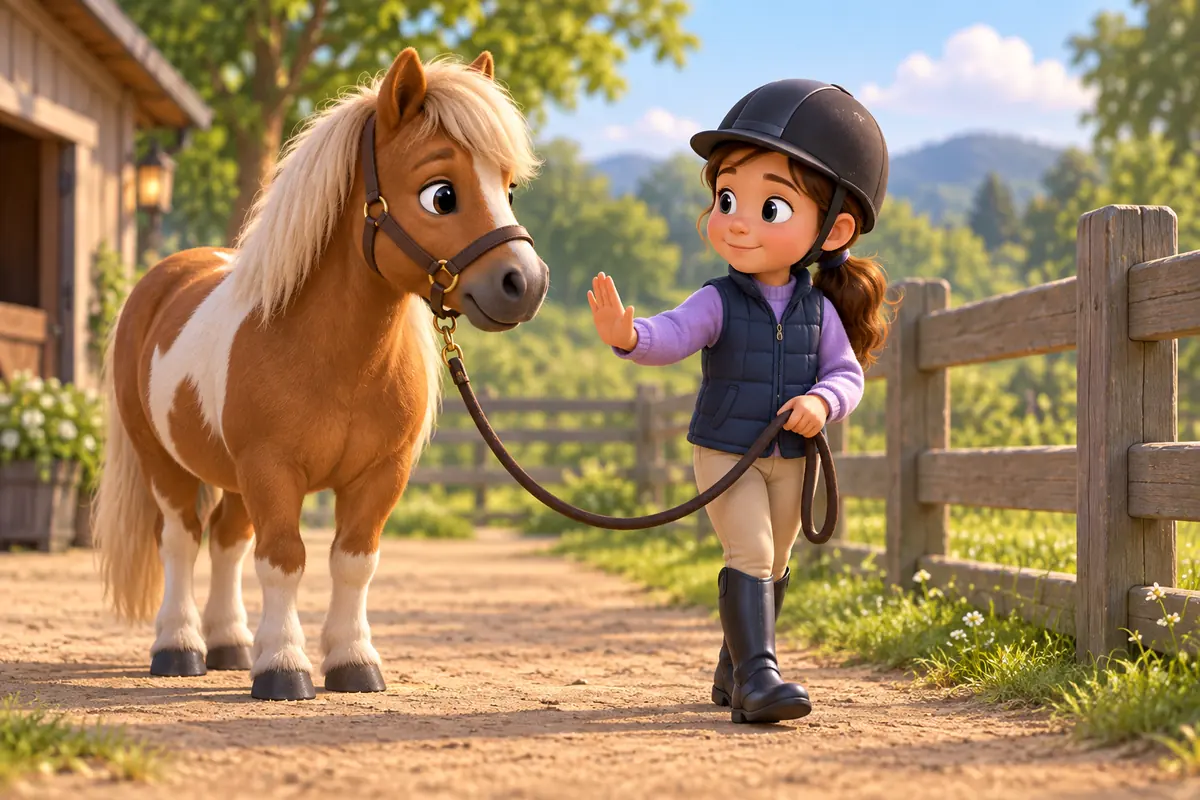
Whoa can tell a horse or person to stop or slow down, and it can also express surprise or interest. Cambridge explicitly includes both functions. The distinction is visible in “Whoa, not so fast” versus “Whoa, that view is incredible.”
The surrounding sentence supplies the tone. “Whoa, let us check the numbers first” asks for a pause in a discussion. “Whoa!” on its own can be a reaction to an unexpected sight. Avoid presenting whoa only as a command; that would miss a common conversational use and make a surprise example appear incorrect.
Spelling, pronunciation, and punctuation
Ho and hoe are normally pronounced alike, while whoa begins with a w sound in common pronunciation; some speakers use a distinct wh pronunciation. Treat them as confusable spellings with different meanings rather than assuming all three are exact homophones in every accent.
A comma can separate a mild interjection from the following clause: “Whoa, I did not expect that.” An exclamation mark gives a stronger reaction: “Whoa! Look at that waterfall.” Cambridge lists woah and other spellings as variants, so it is inaccurate to claim every alternative is absent from dictionaries. Whoa is a dependable standard spelling for edited writing.
Slang meanings and corrections to broad usage rules
Ho also has a separate offensive slang noun use for a person, especially a woman, associated with sexual activity. Collins labels that meaning offensive. Recognize the distinction when reading, but do not use the term as a casual label for people in neutral or respectful writing.
The longer examples below use some broad rules that need qualification: hoe is not only a noun, whoa is not only a command, and ho is not the default everyday surprise reaction. Use the distinctions above when interpreting those examples. For ho vs. hoe vs. whoa, choosing the intended meaning comes before choosing the similar-looking spelling.
Practice writing your own sentence
- Choose a subject: a person, animal, object, or group.
- Decide whether the event is present, past, or connected to the present.
- Add the verb form and a meaningful completion.
- Read the sentence aloud and check what the verb describes.
Try changing one detail at a time. Replace the subject first, then the time expression, and check whether the verb must change. This keeps the meaning stable while making the grammatical difference visible. Compare your new sentence with the examples rather than copying a pattern whose meaning you do not understand.
Sources and usage references
- Collins Dictionary: ho: Interjection examples and offensive slang noun.
- Cambridge Dictionary: hoe: Gardening noun and verb.
- Cambridge Dictionary: whoa: Stop, slow down, surprise, and variant spellings.
Frequently asked questions
Is ho the same word as hoe?
No. Ho is used as an exclamation or call, while hoe is a garden-tool noun and a gardening verb. They are commonly pronounced alike, so a listener may need context to distinguish them. In writing, the final e matters: “Use a hoe” names a tool rather than an exclamation.
Can whoa be a complete sentence?
Yes. An interjection can stand alone as an utterance: “Whoa!” can signal surprise or ask for a stop when the situation makes the meaning clear. In an explanatory example, add context if the reader cannot see the event. “Whoa, please slow down” makes the stopping meaning explicit.
Should I write hoeing or hoing?
For the gardening verb hoe, write hoeing, keeping the e before -ing. “The gardener was hoeing between the rows” describes using the tool. Hoing is not the standard -ing form of the gardening verb. In the past tense, use hoed: “We hoed the soil before planting the seedlings.”
Can whoa be used in formal writing?
Whoa is conversational, so it fits dialogue, a quoted reaction, or deliberately informal prose better than a formal report. Replace it with the meaning you need when the tone should be neutral: “Pause before proceeding” gives an instruction, while “The result was unexpected” states a reaction without an interjection.
More examples and sentence practice
Whoa! Are you confused about when to use “ho,” “hoe,” or “whoa”? Don’t worry, I’ve got you covered. As an expert in language and communication, I’ll guide you through the proper usage of these words. In this text, we’ll explore the subtle differences between “ho,” “hoe,” and “whoa,” and how to use them appropriately in different contexts. Whether you’re a language enthusiast or simply want to avoid embarrassing mistakes, this article will help you navigate the nuances of these words with confidence. So, let’s immerse and unravel the mystery of “ho vs hoe vs whoa” together.
Key Takeaways
- “Ho” is a versatile word with multiple meanings depending on the context, including as an interjection, a nautical command, or an exclamation of celebration.
- “Ho” should not be confused with “hoe,” which refers to a gardening or farming tool.
- “Whoa” is an interjection used to signify a command or signal to slow down, stop, or pause.
- “Whoa” is commonly used in equestrian domains, expresses surprise or disbelief, and can be used for safety and traffic control purposes.
- Understanding the differences between “ho,” “hoe,” and “whoa” is crucial for accurate communication.
- Proper usage of these words can enhance your writing and speaking skills.
Understanding the Meaning of “ho”
As an expert in language and communication, I’m here to guide you through the proper usage of the words “ho,” “hoe,” and “whoa.” In this section, let’s investigate into the meaning and usage of “ho.”
Definition of “ho”
The word “ho” is a versatile term with multiple meanings depending on the context. Here are a few common uses:
- Interjection: When used as an interjection, “ho” can express surprise, astonishment, or excitement. For example, imagine witnessing a breathtaking magic trick, and you exclaim, “Ho! That was incredible!”
- Nautical Term: In a nautical context, “ho” can be a command given to cease or slow down. It’s often used by sailors to signal a pause to their crewmates, as in “Heave ho!” meaning to lift or pull together.
- Exclamation of Celebration: In some regions, “ho” is exclaimed to celebrate a victory or achievement. For instance, if your favorite team scores a winning goal, you might yell, “Ho! We did it!”
Difference between “ho” and “hoe”
Be mindful not to confuse “ho” with “hoe.” While “ho” carries different meanings, “hoe” is a noun referring to a tool used for gardening or farming. It’s important to understand the subtle differences between these two words to avoid confusion and ensure accurate communication.
Now that we have a clearer understanding of the meaning of “ho,” let’s move on to exploring the usage of “hoe.” But first, let’s briefly recap the key points:
- “Ho” is a versatile word with various meanings depending on the context.
- It can be used as an interjection, a nautical command, or an exclamation of celebration.
- “Ho” should not be confused with “hoe,” which refers to a gardening or farming tool.
Exploring the Usage of “ho”
When it comes to the word “ho,” there can be some confusion about its meaning and usage. Let’s investigate deeper into it and explore its different uses and contexts.
Definition of “ho”
“Ho” is a versatile word with multiple meanings depending on the context in which it is used. Here are a few common uses of “ho”:
- Interjection of Surprise or Excitement:
- “Ho, what a pleasant surprise!”
- “Ho! I can’t believe my eyes!”
- Nautical Command:
- “Ho, sailors! Lower the anchor!”
- “Ho, stop! Bring the ship to a halt!”
- Exclamation of Celebration:
- “Ho, ho! We won the game!”
- “Ho, ho, ho! Merry Christmas!”
Difference between “ho” and “hoe”
It’s important not to confuse “ho” with “hoe.” While they may sound similar, they have different meanings and uses. Let me clarify the difference for you:
- “Ho” is an interjection or command used for different purposes, as we discussed earlier.
- On the other hand, “hoe” refers to a gardening or farming tool with a handle and a curved metal blade. It is used for breaking up soil, removing weeds, and cultivating crops.
So, it’s crucial to use the correct word depending on the intended meaning. Mistaking “ho” for “hoe” or vice versa can lead to miscommunication.
Examples of “ho” in Context
To help you understand the usage of “ho” better, here are a few examples that illustrate its various meanings:
- Interjection of Surprise or Excitement:
- “Ho, that sunset is absolutely breathtaking!”
- “Ho, what a fantastic performance!”
- Nautical Command:
- “Ho, anchor! We’ve reached our destination.”
- “Ho, the ship is veering off course! Adjust the sails!”
- Exclamation of Celebration:
- “Ho, ho, ho! Let’s toast to a successful year!”
- “Ho, we’ve finally reached the summit! What an achievement!”
By exploring the different contexts and examples of “ho,” we can enhance our understanding and ensure accurate usage in our communication.
Clarifying the Meaning of “hoe”
As we investigate deeper into our exploration of commonly confused words, it’s important to clarify the meaning of “hoe.” To avoid any confusion, let’s define “hoe” in its appropriate context.
The term “hoe” refers to a gardening or farming tool used for breaking up soil, removing weeds, and cultivating the land. It typically consists of a long handle with a flat, sharp blade, which is perfect for the tasks it’s designed for. Garden enthusiasts and farmers alike rely on the trusty hoe to maintain their precious crops and ensure the health of their gardens.
It’s crucial to note that “hoe” should not be mistaken for the interjection “ho,” which we discussed earlier. While “ho” is used to express surprise, excitement, or as a nautical command, “hoe” has a clearly defined meaning in the area of gardening and farming.
Now that we have established the difference between “hoe” and “ho,” it’s essential to understand the appropriate usage of each word in the respective contexts. By maintaining this distinction, we can ensure accurate communication and avoid any misunderstandings.
Below, I’ve provided a few examples to help clarify the usage of “hoe”:
- “I need to grab my hoe to weed the garden.”
- “The farmer used a hoe to till the soil and prepare it for planting.”
- “She expertly wielded the hoe to clear the field of unwanted vegetation.”
Remember, “hoe” is a noun that specifically refers to a gardening or farming tool, while “ho” is an interjection used for surprise, excitement, or as a nautical command. By understanding the difference between these two words, we can confidently and appropriately use them in our written and spoken English.
Now that we’ve clarified the meaning of “hoe,” let’s move on to exploring the intricacies of the word “whoa.” The next section will shed light on its various uses and provide examples to help solidify our understanding.
Differentiating “hoe” from “ho”
To avoid confusion, it’s important to understand the difference between “hoe” and “ho.” Let’s immerse and clarify their meanings and usages.
Definition of “Hoe”
Firstly, let’s define “hoe.” In this context, “hoe” refers to a gardening or farming tool used to break up soil and remove weeds. It is a noun used to describe a specific object.
Definition of “Ho”
On the other hand, “ho” is an interjection with multiple meanings. It can be used to express surprise or excitement, as a nautical command to signal a pause, or as an exclamation of celebration. Unlike “hoe,” “ho” is not an object but rather a word that conveys an emotional or command-like response.
Usage Differences
The key difference lies in their usage and context. Here’s a breakdown:
- “Hoe” is used when referring to the gardening or farming tool. For example:
- “I need to grab my hoe to take care of the weeds in the garden.”
- “Make sure to use the hoe to loosen the soil before planting.”
- “Ho” is used in various situations:
- As an interjection to express surprise or excitement, such as:
- “Ho, I didn’t expect to see you here!”
- “Ho, what a beautiful sunset!”
- As a nautical command to signal a pause or attention, like:
- “Ho, anchor the ship!”
- “Ho, stop rowing for a moment!”
- Finally, it can also be used as an exclamation of celebration, for instance:
- “Ho, we won the game!”
- “Ho, congratulations on your achievement!”
Examples
To further solidify the understanding, here are a few examples illustrating the difference between “hoe” and “ho”:
- I grabbed my hoe to tend to the garden.
- Ho! Look at that amazing view!
- Ho, hold on a second, we need to pause and reassess.
- Use the hoe to break up the soil before planting.
- Ho! We did it! Let’s celebrate!
Unveiling the Correct Usage of “whoa”
In our journey to unravel the mysteries behind commonly confused words, we now venture into the intricate world of “whoa.” Let’s immerse and discover the correct usage of this often perplexing term.
Definition of “Whoa”:
Before we explore its usage, let’s start with a clear definition. “Whoa” is an interjection used to signify a command or signal to slow down, stop, or pause. It often expresses surprise, shock, or a need to gain control of a situation.
Difference Between “Whoa” and “Ho”:
It is crucial to differentiate “whoa” from “ho” to avoid confusion. While “ho” is typically used to demonstrate surprise, excitement, or celebration, “whoa” serves a different purpose. The key distinction lies in the intention behind the word: “whoa” is primarily used to command attention, halt movement, or convey a sense of astonishment.
Common Scenarios for “Whoa” Usage:
To better grasp the appropriate usage of “whoa,” let’s explore some common scenarios in which this word finds its place:
- Equestrian Domain: One of the most prevalent contexts for “whoa” is in horsemanship. Riders use this command to instruct their horses to slow down or come to a complete stop. It serves as a vital tool for controlling and communicating with these magnificent creatures.
- Expressing Surprise or Disbelief: When faced with a startling situation, we often blurt out “whoa” to convey our astonishment or disbelief. It serves as a verbal pause, signaling our need to process and comprehend the unexpected turn of events.
- Safety and Traffic Control: In situations where safety is of utmost importance, such as managing traffic or guiding vehicular movements, the command “whoa” comes into play. It serves as a powerful directive to bring about a stop or prevent potential accidents.
Examples of “Whoa” in Action:
To solidify our understanding, let’s take a look at a few examples of “whoa” in different contexts:
- “Whoa, that’s an incredible stunt you just performed!”
- “Whoa, slow down! You’re driving too fast!”
- “Whoa, hold on a minute! Let’s think this through.”
Mastering the Usage of “whoa”
Now that we have explored the meanings and uses of “ho” and “hoe,” let’s move on to another commonly confused word: “whoa.” In this section, I will provide you with a solid understanding of the correct usage of “whoa.”
To start, let’s clarify the definition of “whoa.” Essentially, “whoa” is an interjection used to signify a command or signal to slow down, stop, or pause. You might have heard this word being used in equestrian domains to control horses, but its usage extends beyond that.
It’s important to note that “whoa” is different from “ho” in terms of its meaning and usage. While “ho” can be used to express surprise or excitement, “whoa” is primarily used to indicate a command. Understanding this difference is crucial for using these words appropriately in conversation and writing.
Let’s investigate into some common scenarios in which you can use “whoa” effectively:
- Equestrian domains: As I mentioned earlier, “whoa” is commonly used in horseback riding to instruct the horse to slow down or come to a stop. For example, if you’re riding a horse and you want it to halt, you would say, “Whoa!”
- Expressing surprise or disbelief: Similar to “ho,” “whoa” can also be used to express surprise or disbelief. For instance, if someone tells you a surprising fact, you could respond with, “Whoa, I didn’t know that!”
- Safety and traffic control: Outside of equestrian contexts, “whoa” can be used to communicate the need to stop or slow down, particularly in situations where safety is a concern. For example, if you see a car approaching too quickly, you might exclaim, “Whoa, slow down!”
Now that you have a clearer understanding of the usage of “whoa,” let’s move on to the next section where we will address another commonly confused word.
Remember, mastering the correct usage of words like “whoa” is essential for effective communication. By using these words appropriately, you can convey your intended message clearly and avoid potential misunderstandings.
Conclusion
Mastering the correct usage of words like “ho,” “hoe,” and “whoa” is essential for effective communication. Throughout this article, I have provided a clearer understanding of the meaning and usage of these words in their respective contexts.
The interjection “ho” is used to express surprise, excitement, or as a nautical command to signal a pause. On the other hand, “hoe” refers to a gardening or farming tool and should not be mistaken for the interjection “ho.” By differentiating these words and providing examples, I have ensured accurate usage in communication.
Also, I have clarified the meaning of “whoa” as an interjection used to signify a command or signal to slow down, stop, or pause. Understanding the difference between “whoa” and “ho” is crucial in various domains, such as equestrian activities, expressing surprise or disbelief, and safety and traffic control.
By providing common scenarios and examples, I have solidified the correct usage of “whoa” in different contexts.
To conclude, mastering the appropriate usage of “ho,” “hoe,” and “whoa” will enhance your communication skills and avoid any confusion or misunderstandings.
Frequently Asked Questions
Q: What does “ho” mean?
A: “Ho” can be used as an interjection to express surprise or excitement, as a nautical command to signal a pause, or as an exclamation of celebration.
Q: What is the difference between “ho” and “hoe”?
A: “Hoe” refers to a gardening or farming tool, while “ho” is an interjection with different meanings.
Q: What is the correct usage of “hoe”?
A: “Hoe” is used to describe a gardening or farming tool and should not be mistaken for the interjection “ho.”
Q: What does “whoa” mean?
A: “Whoa” is an interjection used to signify a command or signal to slow down, stop, or pause.
Q: How is “whoa” different from “ho”?
A: “Whoa” and “ho” have different meanings and are used in various contexts. “Whoa” is used in equestrian domains, expressing surprise or disbelief, and for safety and traffic control.


