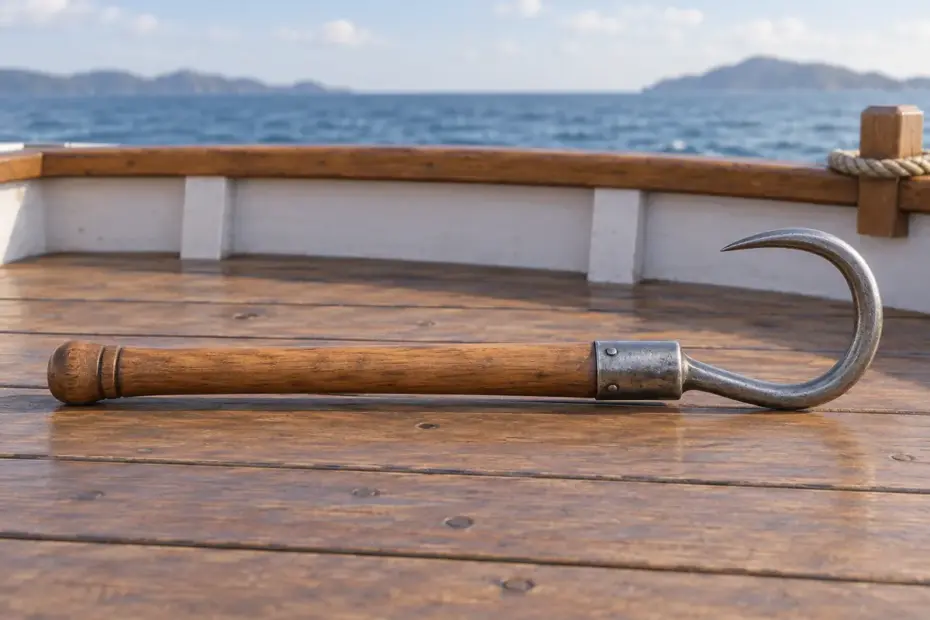
Gaff vs Gaffe: Tool or Social Mistake?
Gaff commonly names a hooked pole or a spar on a sailing boat; gaffe means a social blunder or embarrassing mistake. The words share a pronunciation, and gaff also has a recorded blunder sense. A fishing boat may carry a gaff, while a speaker can make a gaffe by saying something inappropriate.
Key distinctions at a glance
- gaff: a hooked pole or a sailing spar.
- gaffe: a social blunder.
How does gaff vs gaffe change the meaning?
| Word | Meaning or function | Example |
|---|---|---|
| gaff | a hooked pole or a sailing spar | The gaff was secured on the boat. |
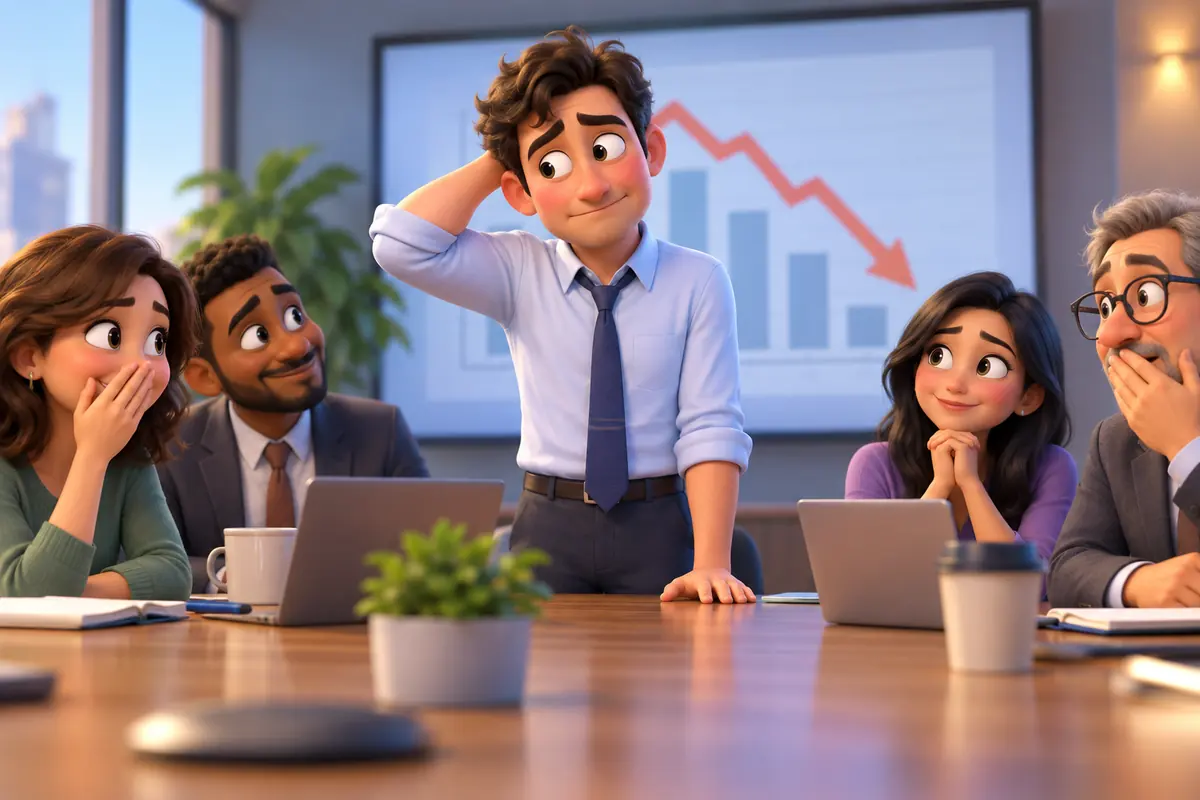
| gaffe | a social blunder | The speaker apologized for the gaffe. |
Which grammar patterns help?
Both words can function as countable nouns, with plurals gaffs and gaffes. Gaff has several senses beyond the familiar nautical tool, so consult the full entry when reading an unfamiliar regional expression. Gaffe is the usual noun for a social mistake; it does not name a fishing pole.
What mistake changes the message?
Gaffe is a clear choice for a social blunder, while gaff commonly names a hooked pole or nautical spar. However, Merriam-Webster also records gaff in the blunder sense. Do not call that spelling universally wrong; identify the intended sense and the convention used in the passage.
How can you test the choice in context?
Compare a boat carrying a gaff with a speaker making a gaffe. Add details that identify the tool in the first scene and the inappropriate remark in the second. Then compare the tool sense with the blunder sense, noting that gaff also has a recorded mistake meaning.
- The gaff was secured on the boat.
- The speaker apologized for the gaffe.
Which references clarify the usage?
Merriam-Webster: gaff. Merriam-Webster: gaffe.
Frequently asked questions
Which meaning decides the spelling?
Gaff means a hooked pole or a sailing spar, whereas gaffe means a social blunder. Begin with that difference rather than a sound-based guess. Name what the sentence is actually describing, then select the word that contributes that meaning without changing the surrounding grammatical structure.
What example shows the contrast?
“The gaff was secured on the boat.” demonstrates gaff, while “The speaker apologized for the gaffe.” demonstrates gaffe. These examples attach each spelling to a specific situation. Change the subject or setting as a practice exercise, but keep the defining meaning and grammatical role of each word intact.
What common error should I check?
Gaffe is a clear choice for a social blunder, while gaff commonly names a hooked pole or nautical spar. However, Merriam-Webster also records gaff in the blunder sense. Do not call that spelling universally wrong; identify the intended sense and the convention used in the passage.
How can I practise this distinction?
Compare a boat carrying a gaff with a speaker making a gaffe. Add details that identify the tool in the first scene and the inappropriate remark in the second. Then compare the tool sense with the blunder sense, noting that gaff also has a recorded mistake meaning.
Key Takeaways
- A gaff can refer to a long pole used in theater or film production, a fishing hook, or a slang term for a mistake or blunder.
- A gaffe is a social or diplomatic blunder resulting from saying or doing something inappropriate or embarrassing.
- It is important to understand the difference between gaff and gaffe to use them appropriately in different contexts.
- Gaff is a practical tool used for lighting, fishing, or production, while gaffe is a mistake or blunder with potential consequences.
- Clarity in communication is key to avoid confusion and miscommunication when using gaff and gaffe.
- Examples of gaffes include slip of the tongue, cultural insensitivity, political missteps, inappropriate jokes, and social media slip-ups.
What is a gaff?
A gaff is a term that is often used in different contexts, and it can have slightly different meanings depending on the situation. Let’s explore the various definitions and uses of the word “gaff.”
- In theater and film production, a gaff refers to a long pole with a hook or a specialized attachment at the end. It is used to position and adjust lighting equipment, such as stage lights or film lights. The gaffer or the lighting technician is responsible for handling the gaff to achieve the desired lighting effects.
- Another meaning of the word gaff is a fishing hook. It can be a large hook used for catching fish, particularly in traditional forms of fishing like angling. The gaff is typically used to secure and pull the fish out of the water, especially larger or heavier ones.
- Also, gaff can also refer to a slang term used to describe a mistake, blunder, or embarrassing situation. This usage is often seen in informal contexts, such as in everyday conversations or in media. For example, if someone accidentally says something inappropriate during a public speech, it may be referred to as a gaff.
It is important to note that gaff is sometimes confused with another word – gaffe. They may look similar, but they have different meanings and applications. Understanding the difference between these two terms is crucial to using them appropriately. Let’s explore this further in the next section.
Now that we have defined what a gaff is and explored its different meanings, let’s dive deeper into the difference between gaff and gaffe.
What is a gaffe?
When it comes to commonly confused words, “gaffe” is one term that often causes confusion. So, what exactly is a gaffe? Let’s immerse and explore its definition and usage.
A gaffe refers to a social or diplomatic blunder, often resulting from saying or doing something inappropriate or embarrassing. It can be a slip of the tongue, an unintended action, or a mistake in judgment. Essentially, a gaffe is a faux pas that can potentially harm one’s reputation or cause misunderstanding.
While somewhat similar in sound, it’s important to note that “gaffe” is distinct from “gaff.” They may look and sound alike, but their meanings are quite different. To clarify, a gaff, as mentioned in a previous section of this article, is a long pole with a hook or specialized attachment used in theater and film production, or a fishing hook used to catch and pull fish out of the water.
Now that we have a clear understanding of what a gaffe is, it’s crucial to be mindful of its usage in various contexts. Whether it’s in a formal setting, a public speech, or even in everyday conversations, we must strive to avoid making gaffes that could lead to unintended consequences or embarrassment.
Understanding the difference between “gaffe” and “gaff” is essential to ensure accurate communication. It’s easy to see how these similar-sounding words can easily be mistaken for one another, but knowing their distinct meanings allows us to use them appropriately.
So, the next time you come across the word “gaffe,” remember, it refers to a social or diplomatic blunder, while “gaff” relates to a pole or a fishing hook.
Key differences between gaff and gaffe
When it comes to understanding words that sound similar but have different meanings, it’s important to investigate into their definitions and contexts. Let’s take a closer look at the key differences between “gaff” and “gaffe”:
Gaff:
- The definition of gaff refers to a long pole with a hook at the end, commonly used in theater and film production or for fishing. It serves a practical purpose, aiding in reaching or lifting objects that are out of reach.
- In fishing, a gaff helps to secure and land large fish, ensuring a successful catch.
- In theater and film production, a gaff is used to adjust lighting or scenery, enhancing the overall visual experience.
- In contrast to gaff, the definition of gaffe refers to a social or diplomatic blunder that can harm one’s reputation or cause misunderstanding.
- A gaffe can occur due to a slip of the tongue, an unintended action, or a mistake in judgment.
- It’s crucial to understand that a gaffe is unintentional, and the consequences can range from minor embarrassment to significant damage to one’s reputation.
Understanding the difference between gaff and gaffe is essential to avoid confusion and miscommunication in various scenarios. While they may sound similar, their meanings and contexts are distinct.
To summarize:
| Word | Definition | Usage |
|---|---|---|
| Gaff | A long pole with a hook used in fishing or production | Fishing, theater, film production |
| Gaffe | A social or diplomatic blunder | Slip of the tongue, unintended action, mistake in judgment |
By highlighting the distinctions between gaff and gaffe, you can ensure that you’re using these words appropriately in different contexts. Whether you’re discussing theater set design or seeking to avoid a social blunder, clarity in communication is key. Understanding these differences will help you navigate conversations with confidence, avoiding any unintended consequences.
Remember, to use gaff or gaffe appropriately, it’s essential to consider their specific meanings and use them in the appropriate context. Continual learning and practice will strengthen your command of the English language, allowing you to communicate effectively and avoid any potential gaffes.
Examples of gaff
When it comes to the term “gaff,” there are various contexts in which it can be used. Understanding these examples will help you grasp the meaning and usage of the word more effectively.
- Nautical Usage: In the world of sailing, a gaff refers to a spar that supports the top of a fore-and-aft sail. It is attached to the mast and provides additional support to the sail, especially when sailing downwind. For example, “The sailboat’s gaff broke during a strong gust of wind.”
- Theatrical Equipment: In theater productions, a gaff may refer to a long pole with a hook or prong at the end. This tool is commonly used to manipulate props, scenery, or lighting equipment during stage performances. For instance, “I used the gaff to lower the backdrop during the final scene of the play.”
- Fishing Instrument: Another common usage of the term “gaff” is in fishing. A gaff is a long pole with a sharp hook at the end, used to land fish that are hooked but still in the water. It is particularly handy when catching large or powerful fish. For example, “I skillfully used the gaff to pull the struggling marlin onboard the fishing boat.”
- Production Techniques: In the entertainment industry, a gaff can also refer to a small tool used by film or television crews. This tool helps secure cables, lighting equipment, or props, ensuring a safe and unobstructed set. For instance, “The gaff helped me secure the cable for the overhead lighting, preventing any mishaps during the shoot.”
- Colloquial Usage: In everyday conversation, the term “gaff” is sometimes used to refer to a mistake or an embarrassing blunder. It is similar to the term “gaffe,” but with a more informal tone. For example, “I accidentally spilled coffee on my boss’s desk – what a gaff!”
Remember, using “gaff” appropriately in different contexts is crucial for effective communication. Whether you’re discussing nautical terms, theater productions, fishing, production techniques, or using it colloquially, understanding the specific meaning and usage of “gaff” will help you avoid any confusion or unintended consequences.
Examples of gaffe
Now that we’ve looked at the definition and usage of “gaff,” let’s shift our focus to the term “gaffe” and explore some examples to better understand its meaning and context.
A gaffe is a social or diplomatic blunder, a faux pas that can often lead to embarrassment or unintended consequences. It’s important to be aware of these situations to communicate effectively and avoid such mistakes.
Here are a few examples of common gaffes:
- The Slip of the Tongue:
- Saying the wrong thing at the wrong time can result in a major gaffe. For instance, imagine someone accidentally revealing a surprise party that was supposed to be a secret.
- Cultural Insensitivity:
- Making insensitive remarks about someone’s ethnicity, religion, or culture can lead to serious gaffes. It’s crucial to be respectful and mindful of cultural differences in any social or professional setting.
- Political Missteps:
- Politicians are no strangers to gaffes, and even a small blunder can have significant consequences. One famous example is when former President Gerald Ford claimed that there was no Soviet domination in Eastern Europe during a presidential debate, which caused a public outcry.
- Inappropriate Jokes:
- Telling jokes that are offensive or inappropriate for the audience or situation can easily lead to a gaffe. It’s important to consider the context and be mindful of the potential impact of our words.
- Social Media Slip-ups:
- In modern digital era, a gaffe can spread like wildfire through social media. A thoughtless or offensive post can damage relationships or even jeopardize a person’s reputation.
Understanding the examples of gaffes can help us navigate social and professional settings, ensuring that we communicate with sensitivity and acumen. By being aware of these potential pitfalls, we can strive for effective communication and avoid embarrassing blunders.
Stay tuned as we investigate deeper into the differences and usage of “gaff” and “gaffe” in the next sections!
Statistics and Examples of Gaffe
Unfortunately, statistics about the number of gaffes made each year are not readily available. But, we can find numerous examples of gaffes made by public figures, politicians, and celebrities. Let’s take a look at a few notable instances:
| Public Figure | Gaffe Example |
|---|---|
| Joe Biden |
Conclusion
Understanding the difference between “gaff” and “gaffe” is essential for effective communication. Throughout this article, I have explained that “gaff” refers to a long pole with a hook used in fishing or production, while “gaffe” refers to a social or diplomatic blunder.
By providing various examples, such as nautical usage, theatrical equipment, fishing instruments, production techniques, and colloquial usage, I have demonstrated the versatility of the term “gaff.” On the other hand, I have highlighted the significance of avoiding social or diplomatic blunders by discussing slip of the tongue, cultural insensitivity, political missteps, inappropriate jokes, and social media slip-ups as examples of “gaffe.”
Exploring social and professional settings effectively requires a deep understanding of these terms and their appropriate usage. While statistics on the number of gaffes made each year may not be readily available, it is evident from the numerous examples made by public figures, politicians, and celebrities that these blunders can have significant consequences.
By mastering the appropriate usage of “gaff” and “gaffe,” you can communicate confidently and avoid embarrassing situations.
Frequently Asked Questions
Q: What is the difference between “gaff” and “gaffe”?
A: “Gaff” refers to a long pole with a hook used in fishing or production. On the other hand, “gaffe” refers to a social or diplomatic blunder.
Q: In what contexts can “gaff” be used?
A: “Gaff” can be used in various contexts, including nautical usage, theatrical equipment, fishing instruments, production techniques, and colloquial usage.
Q: What are some examples of “gaffe”?
A: Examples of “gaffe” include slip of the tongue, cultural insensitivity, political missteps, inappropriate jokes, and social media slip-ups.
Q: Why is it important to understand examples of “gaffe”?
A: Understanding examples of “gaffe” helps navigate social and professional settings effectively, as it helps avoid embarrassing blunders.
Q: Are statistics about the number of gaffes made each year available?
A: No, statistics about the number of gaffes made each year are not readily available. However, there are numerous examples of gaffes made by public figures, politicians, and celebrities.


