What Are Heart Words? How to Teach Them
Heart words are high-frequency words taught by connecting the letter-sound parts readers already know and learning the unexpected part by heart: “In said, readers can map s and d sounds, then remember the unusual spelling for the middle sound.” Teach sound-to-spelling, not a whole word as a picture.
Key facts at a glance
- A heart word is taught by mapping its sounds to letters and remembering the part that is unexpected for the learner.
- Which part is “unexpected” depends on the phonics correspondences already taught.
- Students should sound out the regular parts rather than memorize the entire word as a visual shape.
- High-frequency does not automatically mean irregular.
- Follow a systematic phonics sequence and revisit words through reading and spelling.
What are heart words?
In a heart-word approach, a learner connects the sounds in a word to its spellings and learns the part that is not yet predictable from the phonics patterns already taught. The UF Literacy Institute explains that teachers can guide students to sound out decodable parts and recognize the part to learn “by heart.”
This is different from asking a child to memorize every letter as a picture. The process builds connections between pronunciation and spelling. A word may seem irregular before its spelling pattern has been taught and become more regular later in the sequence, so instruction should match the learner’s phonics knowledge.
How to teach a heart word
- Say the word: Use it in a short spoken sentence so the meaning is clear.
- Segment the sounds: Help the learner hear each phoneme in order.
- Map sounds to spellings: Connect each sound to the letter or letter group representing it.
- Notice the unexpected part: Identify only the part that does not match the correspondences taught so far.
- Read and spell: Blend the word, spell it from memory, and check each sound-spelling connection.
- Revisit it in text: Practice the word in a decodable sentence or passage and return to it later.
For example, when teaching said, a teacher might connect /s/ with s and /d/ with d, then point out the spelling of the middle vowel sound as the part to learn by heart if that pattern has not yet been taught. The exact marking or explanation may differ across curricula.
Heart words and high-frequency words
High-frequency word describes how often a word appears in text. Heart word describes an instructional approach for teaching a word whose spelling includes a part the learner must remember. Many common words can be decoded with patterns already taught; some words are temporarily irregular because instruction has not yet covered a correspondence.
| Term | What it tells you | Teaching implication |
|---|---|---|
| high-frequency word | The word appears often in reading. | It may deserve early attention, but it may still be fully decodable. |
| irregular word | One or more spellings do not match patterns the learner knows. | Teach the regular parts and identify the unexpected part. |
| heart word | A way to teach sound-spelling connections and remember an unexpected part. | Map the word instead of memorizing its whole shape. |
Practice heart words without guessing
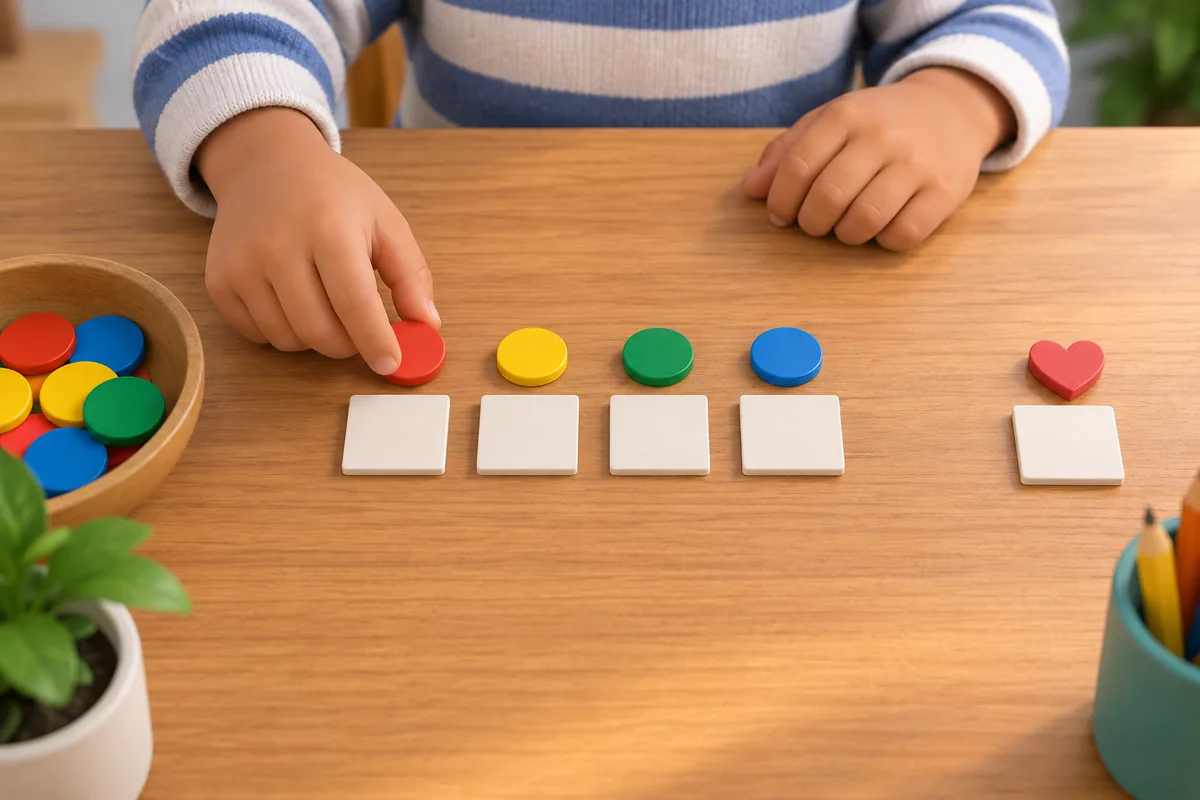
Use a consistent routine: say, segment, map, read, spell, and review. A flash card can support retrieval after the word has been explicitly taught, but it should not replace sound analysis. Mix practice with decodable text so students can apply what they know rather than rely on visual guessing.
Keep explanations aligned with the program’s scope and sequence. A spelling may be regular once a student has learned the relevant correspondence. Avoid labeling every frequently seen word “irregular” or asking learners to memorize whole-word silhouettes.
Common mistakes when teaching heart words
- Memorizing the whole word as a picture: Connect all known sound-spelling parts and isolate only the unexpected part.
- Calling every common word irregular: Frequency and spelling regularity are different properties.
- Marking a word without checking instruction: What is unexpected depends on which phonics correspondences have been taught.
- Using flash cards as the whole lesson: Teach how the sounds and spellings connect before practicing retrieval.

Frequently asked questions about heart words
Are heart words the same as sight words?
No. Sight word usually describes a word recognized automatically, while heart word refers to a way of teaching sound-spelling connections and an unexpected part. A word can become a sight word through practice without being irregular, and not every high-frequency word needs heart-word treatment.
Do students memorize the whole heart word?
The goal is not to memorize the whole word as an unanalysed picture. Students connect the sounds they can decode to their spellings and remember only the part that is unexpected for their current instruction. That preserves useful letter-sound information and supports reading and spelling.
When should I teach a heart word?
Teach it when it is useful for reading and the learner has enough phonics knowledge to map its regular parts. Follow the curriculum’s sequence, since an “unexpected” spelling depends on what has been introduced. Revisit the word in reading and spelling after explicit instruction.
Can a high-frequency word be fully decodable?
Yes. High-frequency describes how often a word appears, not whether its spelling is regular. Many common words can be sounded out using correspondences a learner already knows. Teach those words through decoding; reserve heart-word explanation for parts that are not yet predictable in the current sequence.
Teaching children to read can be a magical journey, but it comes with its challenges. One of the most intriguing concepts in early literacy is “heart words.” These are the words that young readers need to know by heart because they don’t always follow typical phonetic rules. Understanding heart words can make a significant difference in a child’s reading fluency and confidence.
In this text, I’ll explore what heart words are and share effective strategies for teaching them. Whether you’re a parent, teacher, or tutor, mastering these techniques will help you support young readers in their literacy journey. Let’s jump into the world of heart words and discover how to make reading a more enjoyable and successful experience for children.
Key Takeaways
- Understanding Heart Words: Heart words are essential terms young readers memorize because they often defy phonetic rules, enhancing reading fluency.
- Characteristics of Heart Words: These words typically have irregular spelling, appear frequently in texts, and are crucial for smooth and comprehensible reading.
- Effective Teaching Strategies: Approaches include repetition and practice, visual aids like flashcards, and contextual learning through storytelling.
- Engaging Classroom Activities: Interactive games such as “Heart Word Bingo” and writing exercises like “Heart Word Stories” make learning heart words enjoyable and impactful.
- Monitoring Progress: Regular assessments, quizzes, and systematic tracking through digital tools help measure and support students’ mastery of heart words.
Understanding Heart Words
Heart words are essential in the early stages of literacy development, helping children become adept readers.
Definition of Heart Words
Heart words, also known as sight words or irregular words, are foundational terms that children memorize as a whole. Unlike regular words that can be phonetically sounded out, heart words do not always follow common phonetic rules. Words such as “the”, “said”, and “come” fall into this category. These words require special attention since their pronunciation or spelling does not align with typical phonetic norms.
Recognizing and memorizing heart words builds a child’s reading fluency. Mastering these words allows young readers to navigate through texts with greater ease and fewer interruptions. Common heart words frequently appear in children’s literature and everyday reading materials. Typically, educators and reading programs place significant emphasis on these words to propel a child’s reading abilities.
Importance in Early Literacy
Heart words play a crucial role in early literacy by boosting a child’s reading speed and comprehension. When children can quickly recognize these words, they read more smoothly and with better understanding. This fluency aids in maintaining the reading momentum, making the reading experience more enjoyable and less disjointed.
Teachers and parents focus on heart words to ensure young readers develop confidence. Recognizing the words by sight reduces the cognitive load on children, enabling them to focus on decoding more complex words and understanding the text. In many reading programs, heart words constitute a significant part of the foundation for literacy education. Numerous studies highlight the importance of sight word recognition in developing proficient reading skills, making heart words indispensable in a child’s early learning process.
Identifying Heart Words
Heart words are essential in early literacy for developing proficient readers. Understanding their unique characteristics aids in teaching these foundational terms effectively.
Characteristics of Heart Words
Heart words deviate from standard phonetic rules, making them challenging for young readers to decode using typical sound patterns. These words often include irregular spelling, necessitating memorization instead of phonics-based learning.
Characteristics of heart words include:
- Irregular Spelling: Words like “was” and “the” don’t follow standard phonetic rules, requiring memorization.
- High Frequency: Common in everyday language, these words frequently appear in texts, aiding in reading fluency.
- Non-phonetic Structure: Words such as “said” lack a direct sound-to-letter correspondence.
- Critical for Fluency: Mastery of heart words boosts a child’s ability to read text smoothly and understand context without stumbling over irregular terms.
By understanding these characteristics, educators can create strategies tailored to help children memorize and recognize these important words.
Examples of Common Heart Words
Several heart words consistently appear in early literacy materials. By familiarizing children with these terms, educators help build a foundation for reading fluency.
Examples of common heart words include:
- “The”: Ubiquitous in the English language, essential for sentence structure.
- “Was”: Frequently used past-tense verb, deviating from regular phonetic rules.
- “Said”: High-utility word in dialogue, challenging due to its non-phonetic spelling.
- “They”: Commonly used pronoun, vital for understanding subject-verb agreement in sentences.
Teaching these examples enables children to recognize and memorize heart words, boosting their reading skills. Familiarity with these essential terms prepares young readers for more complex text navigation and comprehension.
Strategies to Teach Heart Words
Teaching heart words to children involves several effective strategies that cater to different learning styles, ensuring comprehensive mastery of these essential terms.
Repetition and Practice
Repetition and practice form the backbone of teaching heart words. Incorporating these words into daily activities and lessons helps children commit them to memory. Encouraging children to read, write, and spell heart words multiple times enhances recognition. For example, I often use word lists where students read aloud, followed by writing the words in sentences. Spelling games, like word bingo or matching games, make repetition enjoyable. Setting aside a few minutes each day for heart word practice ensures consistent exposure. Repetition helps solidify memory, leading to automatic recall when reading.
Visual Aids and Flashcards
Visual aids and flashcards significantly boost heart word learning by engaging visual learners. Flashcards can display heart words with images and colors to help reinforce memory. I create a set of flashcards for each word and use them in quick review sessions, making learning interactive. Visual charts and word walls in the classroom provide constant reminders. For instance, I place a word wall where students can see and refer to words throughout the day. Using apps and digital tools with visual elements also enhances engagement. Incorporating colorful visuals transforms abstract words into tangible concepts, aiding retention and recall.
Storytelling and Contextual Learning
Storytelling and contextual learning immerse students in practical usage, reinforcing heart words naturally. Reading stories that include frequent heart words allows children to see these words in meaningful contexts. I choose age-appropriate books and highlight heart words as we read together. Creating custom stories where the words are repeated helps stress their importance. Also, encouraging students to use heart words in their writing exercises, such as journaling or creative storytelling, ties words to their own experiences. When teaching new heart words, I connect them to stories or real-life scenarios, making learning more relatable and memorable.
Classroom Activities for Heart Words
Interactive Games
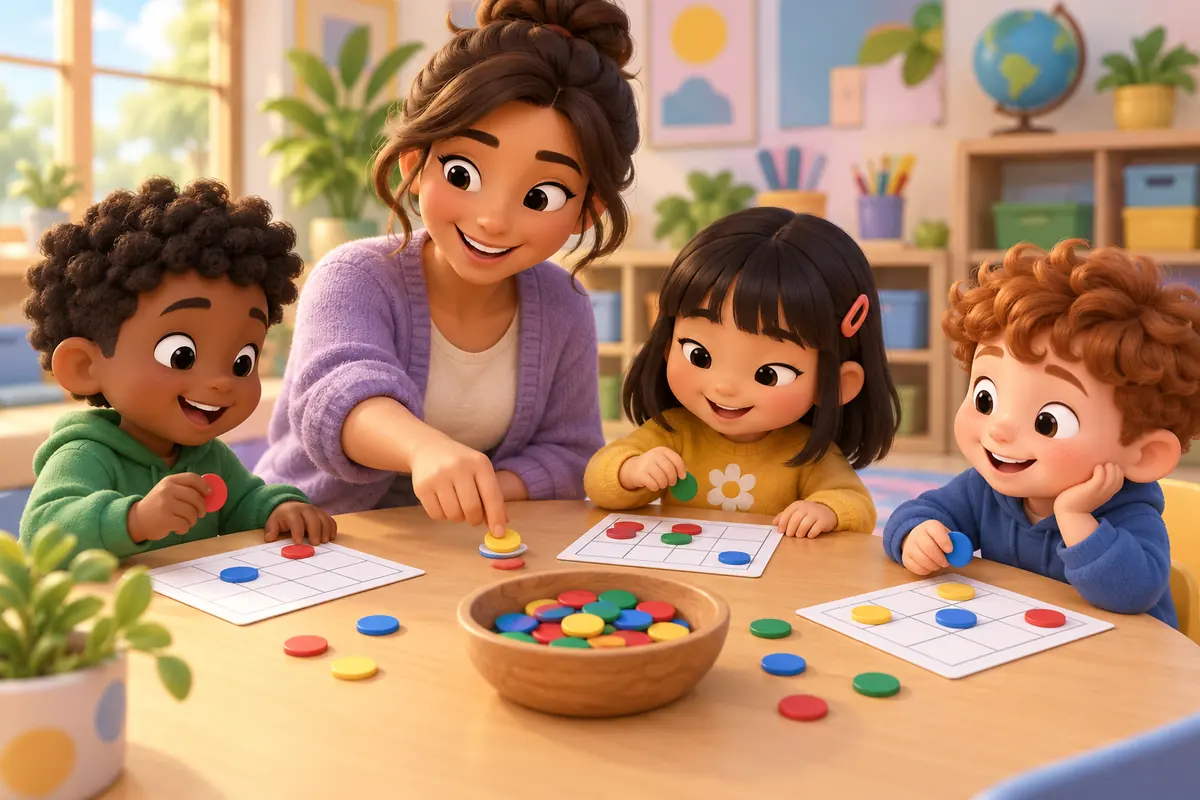
Games can make learning heart words fun and engaging. I use “Heart Word Bingo” to help students recognize and memorize these irregular terms. Each student gets a bingo card with heart words, and I call out words randomly. When called, students mark the words on their cards. The first to mark a line wins.
Another effective game is “Word Hunt”. I hide flashcards around the classroom and give students a list of heart words to find. They must locate and read each card aloud.
“Memory Match” is another great game. I create pairs of cards with heart words and distribute them face down on a table. Students take turns flipping two cards, trying to find a match. They read the words aloud if they match, reinforcing their memory.
Online interactive games can also be beneficial. Websites like Starfall and ABCmouse offer customizable word games focusing on sight words, including heart words. These platforms combine technology with education, making learning more dynamic and accessible.
Writing Exercises
Writing exercises solidify the learning of heart words. I start with “Heart Word Sentences”. Students write sentences using a list of given heart words, ensuring they understand the context. I provide feedback on sentence construction and usage to reinforce learning.
“Heart Word Stories” can further creativity. Students create short stories incorporating multiple heart words. This exercise promotes understanding of word meanings and contexts.
Another useful activity is “Word Tracings”. Students trace heart words with different writing tools, such as colored pencils or markers. The repetition helps imprint the words in their memory and improves their writing skills.
For analytical students, I recommend “Word Sorting”. I provide a mix of phonetic words and heart words, and students categorize them. This differentiates the irregularities of heart words from regular spelling patterns.
Group Reading Sessions
Group reading sessions boost confidence and reinforce heart words. I often organize “Choral Reading” where students read aloud in unison from a text rich in heart words. This method builds fluency and diminishes reading anxiety.
“Paired Reading” is another effective strategy. Students pair up and take turns reading passages to each other. They help each other with word recognition, promoting peer learning.
For larger groups, “Reader’s Theater” can be engaging. I assign scripts that include many heart words, and students perform the text, emphasizing the heart words. This combines reading practice with performance, making it enjoyable and educational.
“Guided Reading” sessions provide targeted assistance. I group students by reading level and provide support as they read texts with heart words. This ensures personalized attention to those needing extra help.
By integrating these activities, I’ve found that students retain heart words more effectively, fostering smoother reading experiences.
Monitoring Progress
Assessments and Quizzes
Monitoring progress involves regular assessments and quizzes to gauge how well students memorize and recognize heart words. Formative assessments guide my instructional methods by highlighting which words need more focus. I use simple flashcard quizzes to assess instant recall of heart words, ensuring students have grasped these fundamental terms.
Interactive quizzes add another layer of engagement. For example, Kahoot or Quizizz games provide real-time feedback and create a competitive, fun environment for testing heart words. These tools also track individual student progress, showcasing which heart words students find challenging.
Spelling tests are another effective method. By incorporating heart words into weekly spelling tests, I measure students’ ability to recognize and write these words correctly. Randomized spelling lists ensure students aren’t memorizing specific orders but are genuinely learning the words.
Reading comprehension assessments can also serve as indirect measures of heart word recognition. Passages embedded with heart words reveal how well students retain and apply their knowledge in context. Scores from these assessments help me adjust my teaching strategies accordingly.
Tracking Improvement
Tracking improvement requires systematic approaches to document student progress over time. I maintain individual progress charts for each student, marking off each heart word they’ve successfully learned. These visual aids motivate students and provide a clear picture of their growth.
Digital tools like learning management systems or apps offer sophisticated tracking options. Platforms such as Seesaw or ClassDojo allow me to upload evidence of student work, like recordings of them reading heart words, and provide instant feedback. These platforms also enable parents to see their child’s progress, fostering a collaborative effort.
Progress monitoring should involve periodic one-on-one assessments. These sessions help identify specific challenges a student might face, allowing me to tailor individualized support where needed. Recording these sessions helps compare performance over time.
By using journals, students reflect on their learning journey. They can write about their experiences with heart words, reinforcing their understanding through writing and self-assessment. This personal approach not only tracks progress but also encourages metacognition.
Conclusion
Teaching heart words effectively is crucial for early literacy. By using repetition visual aids and interactive activities we can make learning engaging and memorable. Monitoring progress through assessments and quizzes ensures we stay on track. Tools like flashcard quizzes and games like Kahoot make assessment fun and effective. Tracking improvement with progress charts and digital tools helps us see growth over time. Encouraging student reflection through journals adds a personal touch to their learning journey. With these strategies we can support young learners in mastering heart words and building a strong foundation for reading.
Frequently Asked Questions
What are “heart words” in early literacy?
“Heart words” refer to essential sight words that young learners need to recognize instantly. These words are foundational for reading fluency and often don’t follow standard phonetic rules, requiring memorization through repeated exposure.
Why are heart words important for young learners?
Heart words are crucial as they frequently appear in text, helping students read more fluidly. Recognizing these words on sight allows children to concentrate on comprehending the overall meaning of sentences and paragraphs, improving their reading skills.
What teaching strategies can enhance memory retention of heart words?
Effective strategies include repetition, use of visual aids, and interactive activities. Techniques such as flashcards, educational games, and engaging reading exercises help reinforce the recognition of heart words.
How can progress in heart word recognition be monitored?
Progress can be tracked through assessments like quizzes and reading comprehension evaluations. Utilizing flashcard quizzes, interactive games like Kahoot, and spelling tests can provide insights into students’ grasp of heart words.
What tools are useful for assessing heart word recognition in students?
Digital tools, flashcard quizzes, educational games, and one-on-one assessments are useful. Tools like progress charts and reflective journals also help monitor and improve individual student’s recognition of heart words.
How can interactive games help in learning heart words?
Interactive games make learning engaging and fun, which can enhance memory retention. Games such as Kahoot encourage active participation and competition, which can motivate students and reinforce their learning experience.
How often should assessments be conducted to track progress?
Frequent assessments, such as weekly quizzes or bi-weekly reading comprehension tests, provide ongoing feedback. This consistent evaluation helps identify areas needing improvement and tracks progress effectively.
What are effective ways to track individual student progress?
Maintaining progress charts, using digital tracking tools, conducting one-on-one assessments, and encouraging students to keep reflective journals are effective ways to monitor individual progress in recognizing heart words.
How can teachers encourage student reflection on their progress?
Teachers can encourage students to maintain journals documenting their learning experiences and milestones. Reflective prompts and discussions about their progress help students develop self-awareness and ownership of their learning journey.
What role do visual aids play in teaching heart words?
Visual aids like flashcards, charts, and picture books provide a visual context, making it easier for students to remember heart words. These tools leverage visual learning strengths, enhancing recall and comprehension.