Baby items that start with P include pacifiers, playpens or play yards, prams, portable cribs, potties, playmats, pillows, pushchairs, playards, and pregnancy pillows. These are product names, not a universal shopping list: choose by the child’s age and needs, the item’s intended use, and current safety guidance.
Key points at a glance
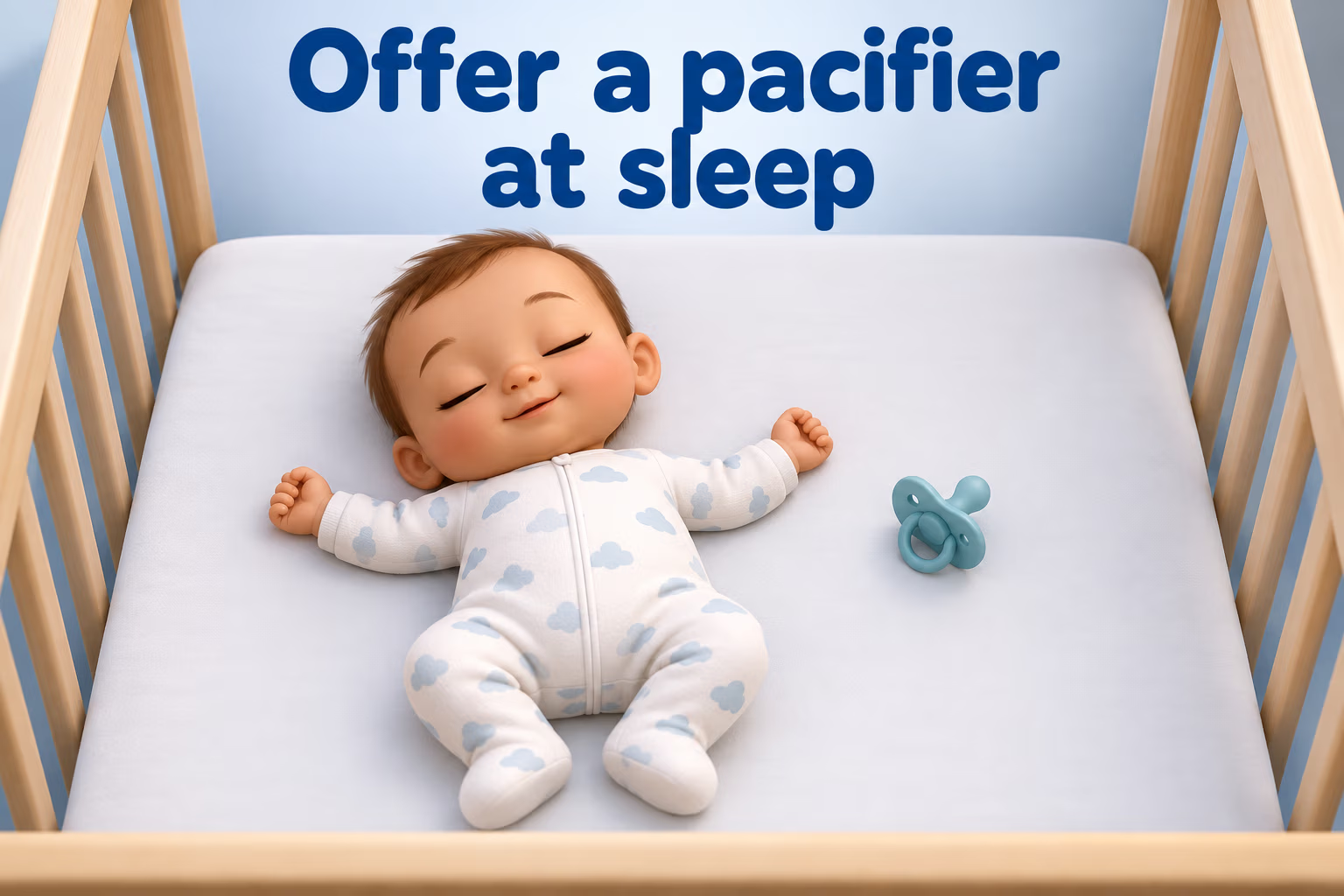
- A pacifier may be offered at naps and bedtime; never attach it to an infant with a cord or clip during sleep.
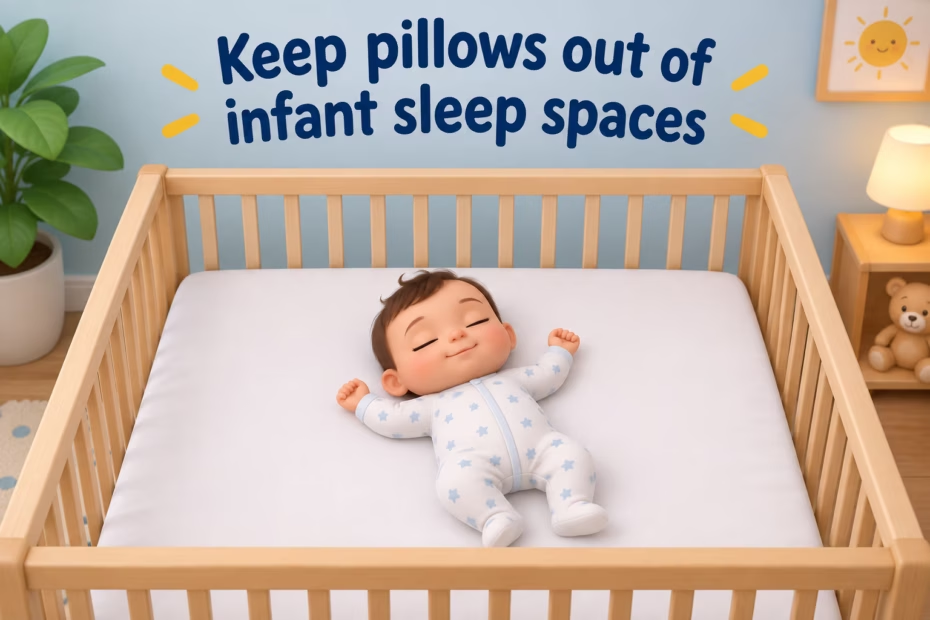
- An infant sleep space should be firm, flat, and empty except for a fitted sheet.
- A play yard is a play or sleep space only when the specific product is intended for that use and is used as its instructions say.
- Keep pillows and other soft objects out of an infant’s sleep area.
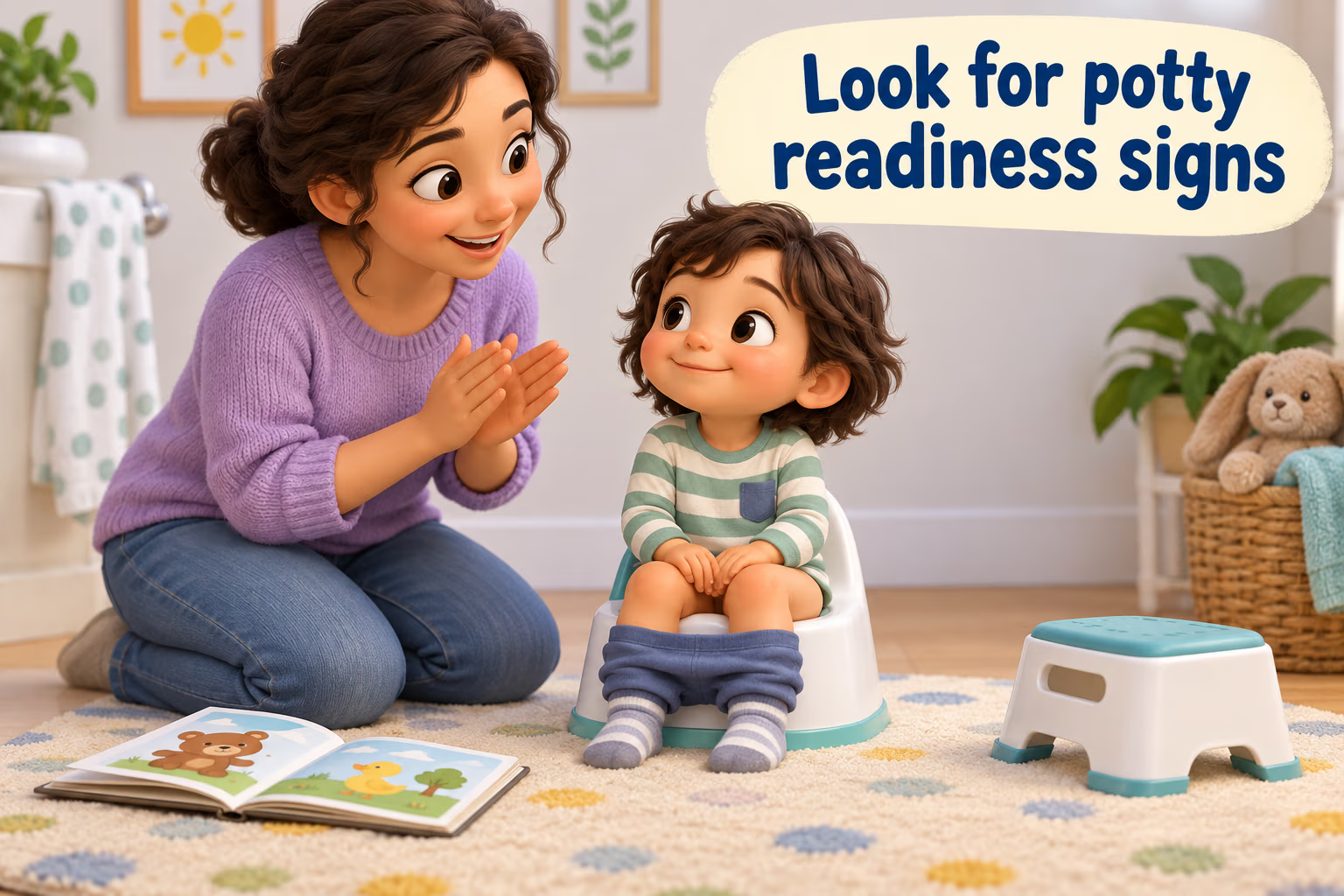
- Potty readiness depends on physical, communication, and cooperation skills, not a birthday alone.
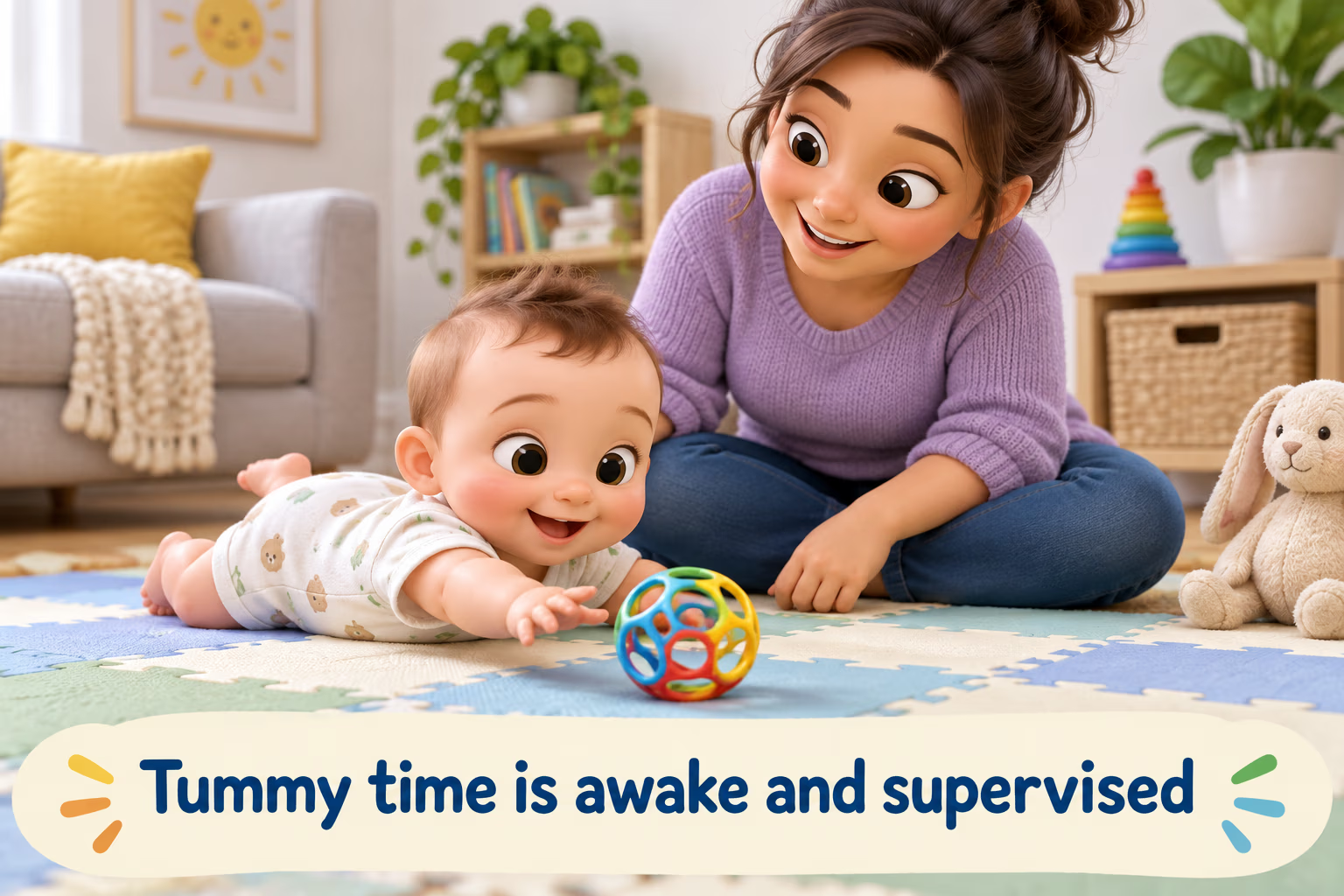
- Playmats are for awake, supervised activity; move a sleeping infant to an approved sleep space.
In the world of parenting, there’s an overwhelming array of products available for your little one. This guide focuses on essential baby items that start with the letter P, providing new parents with valuable insights into must-have products for their bundle of joy. From practical necessities to comforting accessories, we’ll explore a wide range of items to help you navigate the early stages of parenthood with confidence.
Pacifiers: Soothing Comfort for Your Baby
Pacifiers are one of the most popular and essential items for many parents and babies. These small, nipple-like devices offer comfort and can help soothe fussy infants.
Benefits of Pacifiers
- Comfort and self-soothing: Pacifiers satisfy a baby’s natural sucking reflex, providing comfort and helping them self-soothe.
- Sleep aid: Many babies find it easier to fall asleep with a pacifier, leading to longer and more restful sleep for both baby and parents.
- Pain relief: Pacifiers can help distract babies during minor medical procedures or provide relief during teething discomfort.
Choosing the Right Pacifier
When selecting a pacifier for your baby, consider the following factors:
- Age-appropriate size: Ensure the pacifier is the correct size for your baby’s age to prevent choking hazards.
- Material: Look for BPA-free, latex-free options made from safe, durable materials like silicone.
- Shape: Choose between orthodontic or traditional nipple shapes based on your baby’s preference.
- Shield design: Opt for pacifiers with ventilation holes and a curved shield for comfort and safety.
Playpens: Safe Spaces for Exploration
Playpens provide a secure area for babies to play and explore, giving parents peace of mind and a chance to complete tasks nearby.
Types of Playpens
- Traditional playpens: Sturdy, enclosed spaces with mesh or fabric sides.
- Play yards: Larger, portable options that can double as travel cribs.
- Expandable playpens: Modular designs that can be adjusted to fit different spaces.
Features to Look for in a Playpen
- Safety certifications: Ensure the playpen meets current safety standards.
- Portability: Consider foldable options for easy storage and travel.
- Padding: Look for models with padded floors for added comfort.
- Accessories: Some playpens come with built-in changing tables or storage pockets.
Prams: Classic Transportation for Your Little One
Prams, short for perambulators, are traditional baby carriages that offer a flat, comfortable space for newborns and young infants to lie down while being transported.
Advantages of Prams
- Ideal for newborns: Prams provide a flat, supportive surface for young babies who can’t yet sit up.
- Weather protection: Many prams offer excellent coverage from sun, wind, and rain.
- Smooth ride: Large wheels and sturdy construction ensure a comfortable journey for your baby.
Considerations When Choosing a Pram
- Weight and maneuverability: Test the pram’s handling before purchasing.
- Convertibility: Some prams can be converted into strollers as your baby grows.
- Storage space: Look for models with ample under-carriage storage for diaper bags and essentials.
Portable Cribs: Versatile Sleep Solutions
Portable cribs, also known as travel cribs or pack-and-play cribs, offer a convenient sleeping option for babies on the go or in smaller living spaces.
Benefits of Portable Cribs
- Versatility: Use as a playpen during the day and a sleeping area at night.
- Space-saving: Ideal for apartments or when visiting family and friends.
- Travel-friendly: Easily foldable and lightweight for trips away from home.
Choosing the Right Portable Crib
- Weight and size: Consider how often you’ll be moving or traveling with the crib.
- Ease of setup: Look for models with simple, quick assembly mechanisms.
- Durability: Opt for sturdy construction that can withstand frequent use and transport.
- Comfort features: Some models include bassinet attachments or changing table add-ons.
Potties: Essential for Toilet Training
As your baby grows into a toddler, potty training becomes a significant milestone. Having the right potty can make this transition smoother for both parent and child.
Types of Potties
- Standalone potties: Simple, child-sized toilets that sit on the floor.
- Toilet seat reducers: Attachments that fit onto regular toilets to make them child-friendly.
- Step stools with potties: Combination units that include a potty and steps to reach the regular toilet.
Features to Consider in a Potty
- Stability: Ensure the potty has a wide base to prevent tipping.
- Ease of cleaning: Look for removable inner pots for easy disposal and cleaning.
- Comfort: Choose a potty with a comfortable seat and backrest.
- Splash guards: Important for boys to prevent messes.
Playmats: Stimulating Development Through Play
Playmats provide a safe, comfortable space for babies to engage in tummy time, sensory play, and early learning activities.
Benefits of Playmats
- Sensory stimulation: Many playmats feature various textures, colors, and sounds to engage babies’ senses.
- Motor skill development: Hanging toys and activities encourage reaching, grasping, and early coordination.
- Tummy time support: Soft, padded surfaces make essential tummy time more comfortable for babies.
Choosing the Perfect Playmat
- Size: Consider the available space in your home and how long you plan to use the mat.
- Portability: Look for foldable or rollable mats for easy storage and travel.
- Washability: Opt for mats with machine-washable covers for easy cleaning.
- Age-appropriate features: Select mats with activities suitable for your baby’s developmental stage.
Pillows: Ensuring Comfort and Safety
While pillows are not recommended for infants due to safety concerns, they become important as your child transitions to a toddler bed. It’s crucial to choose the right pillow for your growing child’s comfort and support.
Types of Pillows for Toddlers
- Toddler-specific pillows: Smaller, firmer pillows designed for young children.
- Memory foam pillows: Provide good support but ensure they’re specifically made for toddlers.
- Organic pillows: Made from natural materials for parents concerned about chemicals.
Considerations When Choosing a Pillow
- Size: Opt for a pillow that fits your child’s proportions and bed size.
- Firmness: Choose a pillow that offers enough support without being too hard.
- Allergies: Consider hypoallergenic options if your child has sensitivities.
- Washability: Look for pillows with removable, machine-washable covers.
Pushchairs: Navigating the World with Your Baby
Pushchairs, also known as strollers, are essential for transporting your baby comfortably and safely when out and about.
Types of Pushchairs
- Travel systems: Combine a car seat and pushchair for versatility.
- Jogging strollers: Designed for active parents who want to run with their baby.
- Umbrella strollers: Lightweight and compact for easy travel.
- Double strollers: Perfect for twins or siblings close in age.
Features to Look for in a Pushchair
- Adjustable handlebar: Ensures comfort for parents of different heights.
- Reclining seat: Allows your baby to nap comfortably while on the move.
- Suspension system: Provides a smooth ride over various terrains.
- Storage basket: Ample space for diaper bags and other essentials.
- Canopy: Protects your baby from sun, wind, and light rain.
Playards: Versatile Play and Sleep Solutions
Playards, similar to playpens but often more feature-rich, offer a safe space for play and sleep, especially when traveling or visiting others.
Benefits of Playards
- Multifunctionality: Can serve as a play area, nap space, and changing station.
- Portability: Most models fold compactly for easy transport and storage.
- Safety: Provides a secure environment when you can’t directly supervise your baby.
Choosing the Right Playard
- Size: Consider both the assembled size and folded size for storage.
- Weight: If you plan to travel frequently, opt for a lighter model.
- Additional features: Some playards come with bassinets, changing tables, or mobiles.
- Ease of setup: Look for models with intuitive assembly mechanisms.
Pregnancy Pillows: Comfort for Expectant Mothers
While not strictly a baby item, pregnancy pillows are invaluable for expectant mothers and can continue to be useful postpartum.
Types of Pregnancy Pillows
- Full-length pillows: Provide support for the entire body.
- C-shaped pillows: Offer support for back, hips, and belly.
- U-shaped pillows: Surround the entire body for maximum support.
Benefits of Pregnancy Pillows
- Alleviates back pain and hip discomfort during pregnancy.
- Promotes better sleep by supporting proper alignment.
- Can be used for nursing support after the baby is born.
Conclusion: Building Your Baby Essentials Inventory
As you prepare for your new arrival or shop for your growing child, consider these essential items that start with P. From pacifiers to pushchairs, each item plays a crucial role in your baby’s comfort, safety, and development. Remember to prioritize safety, functionality, and your family’s specific needs when making your selections. With the right tools at your disposal, you’ll be well-equipped to navigate the joys and challenges of parenthood.
By investing in quality items and understanding their purposes, you can create a nurturing environment for your little one to thrive. As your baby grows, their needs will change, so be prepared to adapt your inventory accordingly. With careful consideration and the right essentials, you’ll be ready to embark on the wonderful journey of raising your child.
How to choose among baby items that start with P
Start with the job the item needs to do, then check the manufacturer’s age, size, weight, assembly, and use instructions. “Portable,” “playard,” or “newborn-friendly” on a product name does not by itself establish that an item is approved for infant sleep.
| Item or group | Useful for | Check before use |
|---|---|---|
| Pacifier | Optional soothing; may be offered at sleep. | Use an intact, age-appropriate product; do not tie or clip it to clothing, bedding, or a toy during sleep. If breastfeeding, ask the baby’s clinician about timing once feeding is established. |
| Playpen, play yard, or playard | A contained play area; some specifically designed models also provide an infant sleep surface. | Follow the exact manual and size limits, check recalls, and do not add an aftermarket mattress. Use for sleep only when that model is intended for infant sleep and meets applicable requirements. |
| Pram or pushchair | Outdoor transport and walks. | Follow the maker’s minimum age, recline, harness, and weight guidance. A stroller seat is not a routine sleep space; move a sleeping infant to a firm, flat approved surface as soon as practical. |
| Portable crib or travel crib | A designated sleep space away from the main crib. | Use only the supplied or expressly approved mattress and fitted sheet; lock the frame as directed; check the model for recalls and required sleep-surface standards. |
| Potty or toilet-seat reducer | Practicing toilet skills when a child is ready. | Choose a stable seat or potty that is easy to clean. Look for readiness and willingness rather than relying on age alone. |
| Playmat | Floor play, reaching, and supervised tummy time while awake. | Keep the mat on a clear, level floor, stay close, and remove dangling or small parts that are loose or damaged. It is not a sleep surface. |
| Pillow | Not needed in an infant sleep space. | Keep pillows and other soft objects out of the crib for babies under 1 year. For older children, ask the child’s clinician if a specific health concern prompts a pillow or positioning product. |
| Pregnancy pillow | Optional comfort support for an expectant parent. | It is an adult comfort item, not a baby sleep product. Ask an obstetric clinician about persistent pain, breathing symptoms, or pregnancy-specific concerns. |
Safe sleep comes before convenience
The American Academy of Pediatrics (AAP) recommends placing infants on their backs on a firm, flat, non-inclined sleep surface, with only a fitted sheet. Keep pillows, blankets, soft toys, bumpers, and positioners out of that space. A crib, bassinet, portable crib, or play yard should meet applicable Consumer Product Safety Commission (CPSC) requirements, be assembled as directed, and have no unresolved recall. A name such as “travel crib” is not a substitute for checking the specific model. AAP safe-sleep guidance; CPSC safe-sleep guidance.
Do not leave a sleeping baby in a stroller, car seat, swing, or other sitting device as a routine sleep arrangement. If an infant falls asleep there, the AAP advises moving the baby to a firm sleep surface on their back as soon as possible. Playmats and play yards are not interchangeable: a playmat supports supervised awake activity, while a play yard is a framed enclosure whose intended uses and limits depend on the product. AAP policy explanation; CPSC play-yard definition and guidance.
When is a child ready for a potty?
Readiness is a combination of body awareness, ability to follow simple directions, getting to and sitting on a potty, and willingness to try. The AAP notes that signs of bladder and bowel control often appear around 18 to 24 months, while the average starting age in the United States is between 2 and 3 years; those are guideposts, not a deadline. A stable potty or child seat can help, but equipment cannot create readiness. Pause and try again later if the process becomes a struggle, and ask the child’s clinician for advice if there are health or developmental concerns. AAP toilet-training readiness guidance.
What is worth buying first?
There is no universal “must-buy” list of P items. Prioritize a safe place for sleep and age-appropriate transport; borrow or defer optional comfort and play products if they do not solve a current need. Before buying new or secondhand gear, check the model name and manufacture date, all parts and instructions, product limits, and current recall notices. Never improvise a sleep surface with extra padding or an unapproved mattress. For another letter-based list, see baby items that start with J.

Frequently asked questions
Are all baby items that start with P essential?
No. Many are optional or serve overlapping purposes. A family may need an approved sleep space and suitable transport, while a pacifier, playmat, potty, or pregnancy pillow depends on preference, developmental stage, and household circumstances.
Can a baby sleep in a play yard?
Only if the specific play yard is intended for infant sleep, meets applicable safety requirements, and is set up exactly as its instructions direct. Use its supplied sleep surface and fitted sheet; do not add a separate mattress, pillow, or blanket. Check current recalls before use.
When should a baby use a pillow?
Do not put a pillow in an infant’s sleep area during the first year. The AAP recommends keeping pillows and other soft objects out of the sleep space; for an older child with a medical or positioning concern, ask a clinician rather than using a pillow marketed for infants.
When do children usually start potty training?
In the United States, potty training often begins between ages 2 and 3, but children develop readiness at different times. Signs such as staying dry for stretches, recognizing bathroom cues, following simple directions, and showing interest are more useful than age alone.
Can a baby nap in a stroller or car seat?
Strollers and car seats are designed for transport, not routine infant sleep. If a baby falls asleep in one, move them to a firm, flat, approved sleep surface on their back as soon as it is practical and safe to do so.