How to Choose Adjectives for an Activity
An activity can be a task, event, pastime, exercise, or other thing people do. The best adjective points to a detail readers can picture: its pace, effort, mood, purpose, or the way people take part. Cambridge Dictionary includes things people do for enjoyment or learning among the meanings of activity. Since the word covers many situations, one adjective rarely fits every activity.
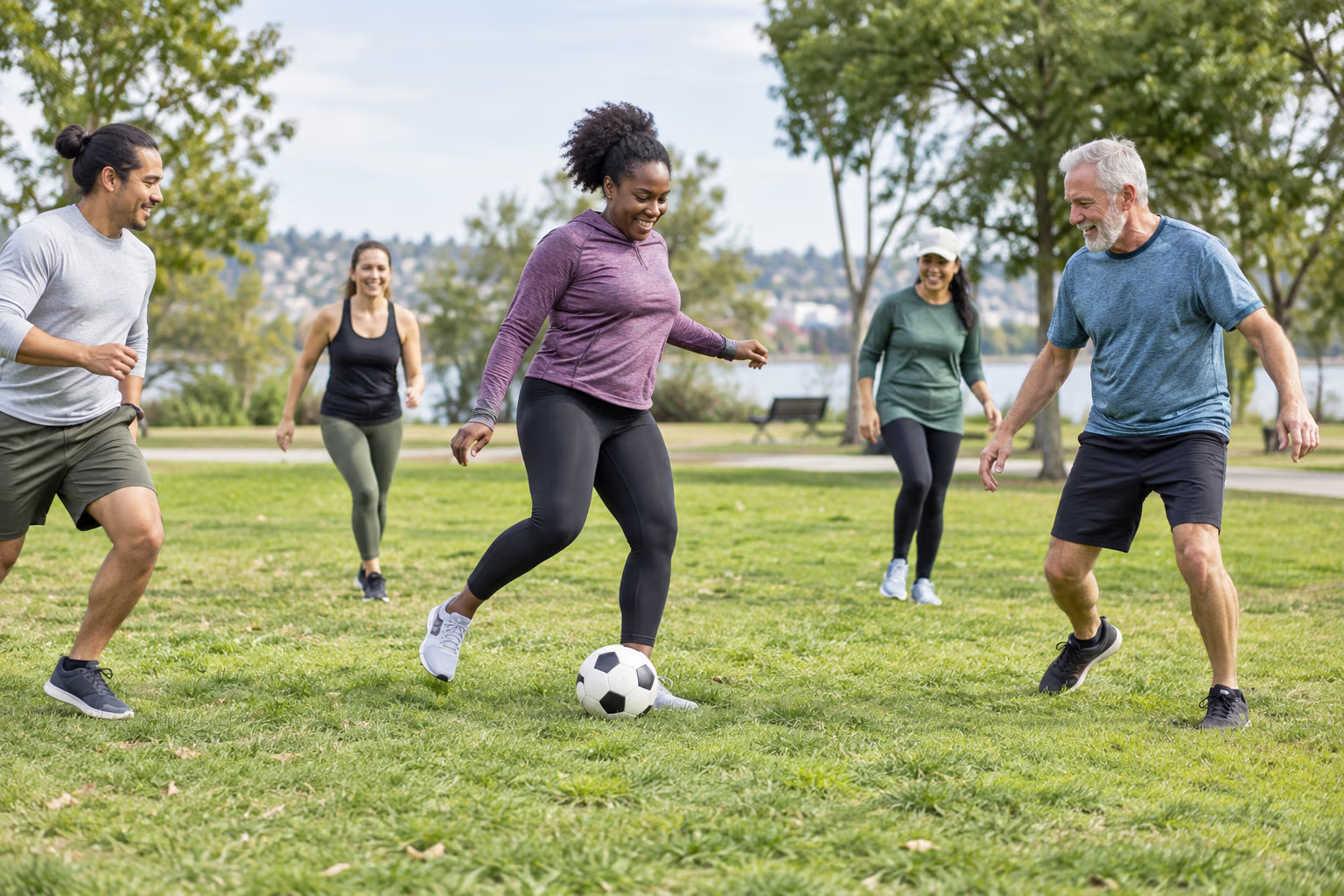
Compare “We did a fun activity” with “We played a lively, cooperative ball game.” The second description gives a clearer sense of what happened. Choose words that describe the activity itself; active often describes a person who participates, while interactive describes an activity that invites participants to respond or contribute.
Adjectives for Activity by Pace and Effort
These words describe how quickly an activity moves or how much physical or mental effort it calls for. They do not measure whether a participant enjoyed it.
| Adjective | What it suggests | Example |
|---|---|---|
| Brisk | Quick and purposeful movement | They took a brisk walk before breakfast. |
| Leisurely | An unhurried pace | We made a leisurely tour of the garden. |
| Vigorous | Strong, energetic physical effort | The class ended with vigorous dancing. |
| Gentle | Light movement or low intensity | The instructor led a gentle stretching activity. |
| Demanding | Requires sustained skill, effort, or attention | Planning the exhibition was a demanding group project. |
| Strenuous | Requires considerable physical effort | The strenuous hike included a steep climb. |
| Repetitive | Repeats the same action or pattern | The repetitive drill helped the team practise each movement. |
| Fast-paced | Moves quickly from one step to another | The fast-paced quiz gave each team only a few seconds to answer. |
Demanding is broader than strenuous: a logic puzzle can be demanding without requiring physical exertion. Likewise, a brisk walk is quick but need not be strenuous for every participant. Add context when ability, age, experience, or accessibility changes how an activity feels.

Adjectives for Mood, Interest, and Creativity
Some adjectives describe the atmosphere or the response an activity may invite. These can be subjective: what one person finds relaxing, another may find dull. When possible, pair the judgment with a concrete reason.
- Relaxing, calming, peaceful: suggest a quiet or restful experience. “The group chose a relaxing painting activity after lunch.”
- Exciting, thrilling, exhilarating: suggest strong anticipation or a rush of excitement. “The final relay was thrilling because the teams finished seconds apart.”
- Engaging, absorbing, immersive: suggest that participants’ attention stays with the task. “The hands-on science activity kept the class engaged as they tested each model.”
- Creative, imaginative, expressive: emphasize making, inventing, or communicating ideas. “The creative collage activity let students tell a story with color and shape.”
- Playful, lively, cheerful: describe a light, upbeat atmosphere. “A playful warm-up helped the children settle into the music lesson.”
- Monotonous, tedious, frustrating: describe repetition, boredom, or difficulty. “The tedious sorting task became easier when the team divided it into short rounds.”

Adjectives for Purpose and Participation
Purpose words explain what an activity is meant to do. Participation words show how people work together or interact.
- Educational, instructional, informative: focused on learning or sharing knowledge. Example: “The museum’s educational activity asked visitors to match artifacts with their uses.”
- Productive, purposeful, practical: aimed at a useful outcome. Example: “The practical activity gave new volunteers a chance to rehearse the check-in process.”
- Collaborative, cooperative, team-based: participants contribute toward a shared task. Example: “The collaborative design activity ended with one plan that combined ideas from every group.”
- Competitive: participants or teams try to outperform one another. Example: “The friendly, competitive spelling game encouraged careful listening.”
- Interactive: participants make choices or respond, rather than only watching or listening. Example: “An interactive map activity let visitors select a route and compare distances.”
- Independent, individual, self-paced: each participant works alone or moves at a personal speed. Example: “The self-paced reading activity allowed students to pause and review unfamiliar words.”
These categories can overlap. A workshop can be educational, creative, collaborative, and fast-paced at the same time. Select the one or two details most useful to your reader instead of stacking several near-synonyms.
Examples for Everyday Activities
A short adjective phrase can quickly set the scene, but the example should still fit the activity:
- School project: a focused, hands-on activity where students build and test a simple bridge.
- Family outing: a leisurely, outdoor activity such as a walk on a marked nature trail.
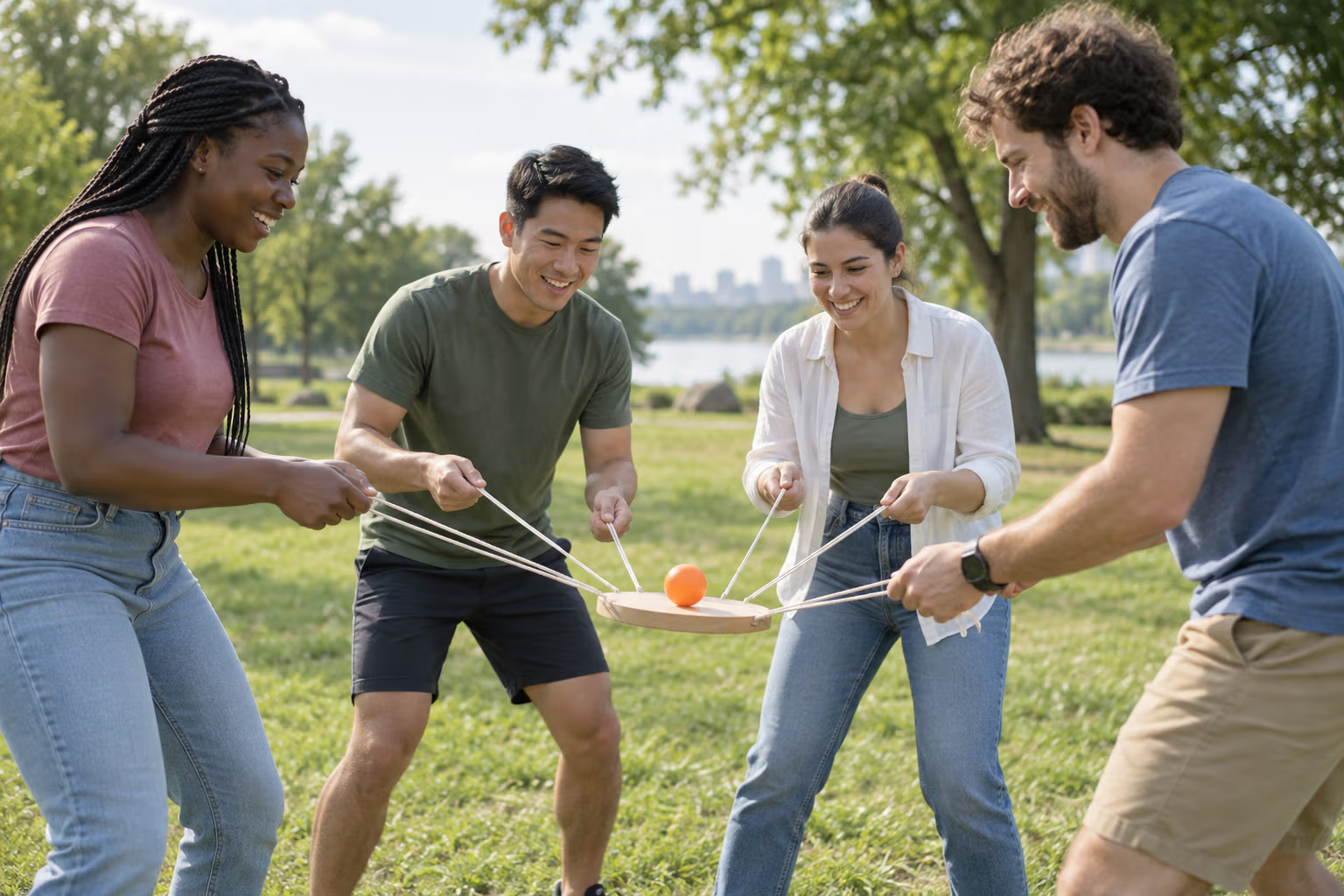
- Team meeting: a structured, collaborative activity where each person adds one idea to a shared plan.
- Music lesson: a repetitive but useful practice activity that helps a learner master a difficult passage.
- Community event: a lively, inclusive activity with options for different ages and mobility needs.
Notice that the adjectives here describe different dimensions. Outdoor tells where an activity happens, structured describes how it is organized, and inclusive describes who can take part. A clear noun phrase can combine these dimensions without relying on vague praise.
How to Make an Activity Description More Precise
- Name the activity: a warm-up, craft, meeting, hike, lesson, or game.
- Choose one observable quality: how quickly it moves, what effort it needs, or how participants take part.
- Add the detail that supports the adjective: “a fast-paced quiz with ten-second turns” is more specific than “a fast activity.”
- Check the point of view: label a subjective response as an impression (“I found the puzzle challenging”) rather than a universal fact.
For example, instead of “The activity was amazing,” try “The hands-on robotics challenge was demanding but collaborative: each pair tested a design, recorded what failed, and revised it.” This describes the activity and explains why the chosen adjectives fit.
Common questions
What is a good general adjective for activity?
Engaging works when people are interested and involved, while active can suggest movement or participation. For a more precise description, choose a word such as leisurely, educational, or collaborative to name the specific quality.
Is “activity” an adjective?
No. Activity is a noun. Active and interactive are adjectives, but they have different uses: an active person participates or moves; an interactive activity gives participants a way to respond.
What is the difference between “challenging” and “difficult”?
Both can describe something that requires effort. Challenging often frames the effort as an opportunity to use or develop a skill, while difficult states more directly that something is hard. The surrounding sentence decides the tone.
Use adjectives to clarify the pace, purpose, or experience of an activity. A concrete detail beside the adjective helps readers understand exactly what you mean.
When it comes to describing various activities, the right choice of adjectives can elevate your writing and bring it to life. Whether you’re discussing physical exercise, hobbies, or daily routines, using descriptive words can add depth and color to your descriptions. In this article, I’ll delve into a selection of adjectives that will help you convey the energy, intensity, and enjoyment associated with different activities.
Engaging in physical activity offers numerous benefits for both our body and mind. From vigorous workouts at the gym to invigorating outdoor adventures, there are countless ways to describe these active pursuits. Think of terms like “energetic,” “dynamic,” “exhilarating,” or “adrenaline-pumping” when discussing intense exercises or thrilling sports. On the other hand, if you want to highlight gentler activities such as yoga or leisurely walks in nature, consider using words like “calming,” “relaxing,” or even “meditative.”
When exploring hobbies and pastimes that bring joy and fulfillment into our lives, adjectives play a crucial role in capturing the essence of these activities. For instance, if you’re an avid reader who finds solace in books, you might describe reading as “immersive,” “captivating,” or “enriching.” If painting is your creative outlet, words like “expressive,” “vibrant,” or “inspiring” could be used to depict the experience.
From everyday chores to professional endeavors, even mundane tasks can be described in a way that makes them sound more interesting and engaging. Instead of framing them as tedious obligations, try infusing them with adjectives that emphasize their importance or impact. For example, instead of saying I’m doing laundry today”, you could say something like: I’m tackling the laundry pile head-on”, which conveys a sense of determination and accomplishment.
By carefully selecting adjectives that reflect the nature of different activities – be it physical, recreational, or routine – you can create vivid and engaging descriptions that draw readers in. So let’s dive into the world of adjectives for activity and discover how to make our writing burst with energy and enthusiasm.
How to Describe Activity? – Different Scenarios
When it comes to describing activity, there are various scenarios where we can use adjectives to vividly portray the action. Whether you’re writing a story, explaining a process, or simply trying to engage your readers, choosing the right adjectives can make all the difference in bringing your words to life.
- Energetic Activity: In situations where the activity is lively and spirited, it’s important to choose adjectives that convey movement and excitement. Words like “dynamic,” “energetic,” “vibrant,” and “lively” can paint a picture of an action-packed scenario. For example:
- The children were engaged in a dynamic game of tag.
- The dancers moved with vibrant energy on stage.
- Slow-paced Activity: On the other hand, if you’re describing an activity that is slow and relaxed, opt for adjectives that evoke tranquility and calmness. Words such as “serene,” “peaceful,” “gentle,” and “relaxed” can help set the tone for a leisurely atmosphere. Consider these examples:
- He spent a peaceful afternoon fishing by the tranquil lake.
- The yoga class began with gentle stretching exercises.
- Intense Activity: When describing intense or challenging activities, it’s essential to use powerful adjectives that capture the intensity of the moment. Adjectives like “exhilarating,” “thrilling,” “demanding,” and “grueling” can effectively convey this sense of intensity. Here are some examples:
- The athletes competed in an exhilarating race down the mountainside.
- She went through a grueling training session before her big performance.
- Creative Activity: For activities involving creativity or imagination, select adjectives that highlight innovation and originality. Words such as “imaginative,” “innovative,” “unconventional,” and “inspiring” can showcase the imaginative aspect of the activity. Consider these examples:
- The artist created an imaginative masterpiece using unconventional materials.
- The writer crafted an inspiring story that captivated readers.
- Team-based Activity: In scenarios where teamwork and collaboration are key, choose adjectives that emphasize cooperation and synergy. Words like “collaborative,” “unified,” “cohesive,” and “interconnected” can reflect the collective effort involved in a team-based activity. Here are some examples:
- They worked together in a collaborative manner to complete the project.
- The synchronized swimmers showcased their cohesive routine with precision.
Remember, when describing activity, it’s crucial to select adjectives that accurately depict the specific scenario at hand. By choosing descriptive words carefully, you can engage your readers and bring your writing to life with vivid imagery and engaging storytelling.
Describing Words for Activity in English
When it comes to describing different activities, the English language offers a wide range of adjectives that can bring vibrancy and detail to our descriptions. Whether we’re talking about physical activities, hobbies, or even mental processes, these descriptive words help us paint a clearer picture and engage our readers. Let’s explore some common adjectives used to describe various activities.
- Energetic: Engaging in energetic activities involves high levels of physical exertion and enthusiasm. Running, dancing, or playing sports are examples of energetic activities that get your blood pumping and leave you feeling invigorated.
- Relaxing: On the other end of the spectrum, we have relaxing activities that promote calmness and tranquility. Taking a leisurely walk in nature, practicing yoga, or reading a book can be described as relaxing activities that help you unwind after a long day.
- Creative: Engaging in creative activities allows us to tap into our imagination and express ourselves artistically. Painting, writing poetry, or playing a musical instrument are all examples of creative pursuits that ignite our inner creativity and allow for self-expression.
- Challenging: Some activities push us out of our comfort zones and test our limits both physically and mentally. Solving complex puzzles, learning a new language, or participating in extreme sports can be described as challenging endeavors that require determination and perseverance.
- Educational: Activities with an educational focus provide opportunities for learning and personal growth. Attending workshops, taking online courses, or exploring museums are all educational experiences that expand our knowledge base while fostering curiosity.
- Social: Engaging in social activities involves interactions with others and promotes connections within communities. Going out with friends for dinner, attending parties or joining clubs are social engagements where we can develop relationships while having fun together.
Remember that these adjectives only scratch the surface when it comes to describing different types of activity in English. Each activity has its own unique characteristics that can be further explored and described using appropriate adjectives. So, whether you’re planning an energetic workout or a relaxing day at the beach, consider how these descriptive words can enhance your descriptions and make them more engaging for your readers.
Finally, let’s not forget that activities are subjective experiences, and what may be energetic or challenging for one person might be relaxing or educational for another. It’s important to take into account individual perspectives when describing activities and acknowledge the diverse ways in which people engage with the world around them.
In conclusion, by using adjectives to describe different activities, we can add depth and color to our descriptions, making them more vivid and captivating for readers. So next time you’re writing about an activity, remember to choose your words wisely to bring it to life on the page.
Adjectives for Activity
Positive Adjectives for Activity with 10 Examples
When it comes to describing activity, there are numerous positive adjectives that can capture the essence of energy, motion, and engagement. Here are ten examples of adjectives that convey positivity when discussing various activities:
- Energetic: Bursting with vitality and enthusiasm, an energetic activity is full of life and vigor.
- Dynamic: Characterized by constant change and movement, dynamic activities keep participants engaged and excited.
- Thrilling: Activities that provide a sense of excitement and exhilaration fall under this category.
- Enthusiastic: An enthusiastic activity is marked by eager participation and genuine interest from those involved.
- Interactive: Involving active communication or collaboration among participants, interactive activities promote engagement and connection.
- Stimulating: Activities that provoke curiosity, creativity, or intellectual growth can be described as stimulating.
- Lively: Describing an activity as lively suggests a vibrant atmosphere filled with energy and liveliness.
- Exhilarating: If an activity induces a feeling of intense joy or excitement, it can be considered exhilarating.
- Empowering: Activities that encourage personal growth, confidence building, or skill development empower individuals to take charge of their own lives.
- Fulfilling: When an activity provides a deep sense of satisfaction or accomplishment upon completion, it is said to be fulfilling.
Negative Adjectives for Activity with 5 Examples
While most activities are associated with positive emotions and experiences, there may be instances where negative aspects come into play. Here are five examples of adjectives that describe unfavorable qualities in activities:
- Monotonous: Referring to repetitive actions without variation or stimulation, monotonous activities may become boring over time.
- Tedious: Tedious activities are dull and time-consuming, often causing boredom or a sense of frustration.
- Exhausting: Activities that drain physical or mental energy can be described as exhausting.
- Stressful: If an activity induces a state of tension, pressure, or anxiety, it is considered stressful.
- Chaotic: Describing an activity as chaotic implies disorder and confusion, leading to a lack of focus and difficulty in accomplishing goals.
By using these adjectives, we can effectively convey the nature and characteristics of different activities, whether positive or negative. Remember that the choice of adjective depends on the specific context and individual perceptions.
Please note that this section is intended for Kindergarten and preschool teachers who aim to teach simple words to children. Therefore, it’s important to use language that is clear and easy for young learners to understand while maintaining a neutral tone throughout the article.
Other Words for Activity – Synonyms and Antonyms With Example Usage
When it comes to describing different types of activities, there’s a wide range of adjectives that can be used. In this section, we’ll explore some alternative words for “activity” along with their synonyms and antonyms, providing you with a variety of options to accurately convey the nature of an action or event.
- Energetic: This adjective is perfect for describing activities that involve a lot of physical movement and excitement. For example:
Synonyms: lively, dynamic, spirited Antonyms: sluggish, lethargic, inactive
- Thrilling: When an activity is full of excitement and adrenaline-pumping moments, the word “thrilling” captures the essence perfectly. Consider these examples:
Synonyms: exhilarating, exciting, breathtaking Antonyms: dull, boring, mundane
- Productive: Sometimes an activity is focused on achieving goals or producing tangible results. In such cases, using “productive” highlights its purposefulness and effectiveness. Take a look at these sentences:
Synonyms: efficient, fruitful, constructive Antonyms: unproductive, wasteful, idle
- Relaxing: On the other end of the spectrum are activities that promote relaxation and tranquility. Describing them as “relaxing” conveys a sense of calmness and rejuvenation. Here are some examples:
Synonyms: soothing, peaceful, serene Antonyms: stressful, tense, agitated
- Challenging: Certain activities push us beyond our comfort zones and test our skills and abilities. Describing them as “challenging” highlights the aspect of growth and overcoming obstacles. Consider these sentences:
Synonyms: demanding, difficult, testing Antonyms: easy, simple, effortless
By using these alternative words for “activity,” you can add variety and depth to your descriptions while accurately conveying the nature of each action or event. Whether you want to capture the energy of an activity or emphasize its relaxing qualities, there’s an adjective that fits perfectly.
Conclusion
In conclusion, I have explored various adjectives that can be used to describe different activities. These descriptive words can help engage and educate young children, specifically Kindergarten and preschool students, by introducing them to a range of vocabulary while learning about various actions.
Throughout this article, we have discussed a wide variety of adjectives for activity, including energetic, creative, adventurous, playful, and more. By incorporating these descriptive words into their teaching practices or daily interactions with children, educators can enhance language development and encourage imaginative play.
It is important to note that the use of appropriate adjectives can spark curiosity in young learners and make the learning process more enjoyable. For instance, when engaging in physical activities like running or jumping, using words like “energetic” or “exhilarating” can create excitement and enthusiasm among children.
Moreover, incorporating descriptive words into storytelling or role-playing activities allows children to immerse themselves in different scenarios. They can imagine being brave explorers on an adventurous journey or talented artists creating masterpieces with their vivid imagination.
By using diverse vocabulary related to activity descriptions, teachers not only facilitate language acquisition but also foster cognitive development. Children learn how to express themselves effectively by choosing suitable adjectives that accurately convey their experiences and emotions during different activities.
In summary, utilizing a range of adjectives for activity enhances the educational experience for young learners. It helps develop their language skills while encouraging creativity and engagement. By incorporating these descriptive words into lessons and everyday interactions with children at an early age, educators play a crucial role in shaping well-rounded individuals who are confident communicators.
So go ahead! Introduce these exciting adjectives into your teaching repertoire and watch as your students’ imaginations soar while they embark on countless adventures through the power of words.