Choose adjectives for an author by deciding what you are describing: the writing, a specific work, or the writer’s public role. Words such as evocative, coherent, and prolific point to different qualities, so pair each judgment with an example from the text or a verified publication record. This keeps a review, biography, or recommendation clear and fair.
Choose an adjective by what the text shows
In literary discussion, “style” refers to choices readers can examine, including diction and sentence structure. The Purdue OWL overview of diction explains how word choice contributes to meaning and effects such as tone and mood; its guide to sentence variety explains how sentence structure affects rhythm and emphasis. That makes precise, lyrical, or conversational more useful when followed by a brief example of the language or structure that supports the description.
| What you are describing | Possible adjectives | Evidence to mention |
|---|---|---|
| Word choice and imagery | Vivid, evocative, concrete | A striking image, sensory detail, or exact word choice |
| Organization and explanation | Coherent, methodical, well-structured | How ideas or events are ordered and connected |
| Voice and register | Witty, formal, conversational, restrained | A passage whose language creates that effect |
| Storytelling | Compelling, suspenseful, affecting | A scene, narrative choice, or pacing decision |
| Amount of published work | Prolific | A verified publication record; the word concerns output, not quality, and has no fixed numerical threshold |
| Range of work | Versatile | Examples showing a writer working effectively across genres, forms, or styles |
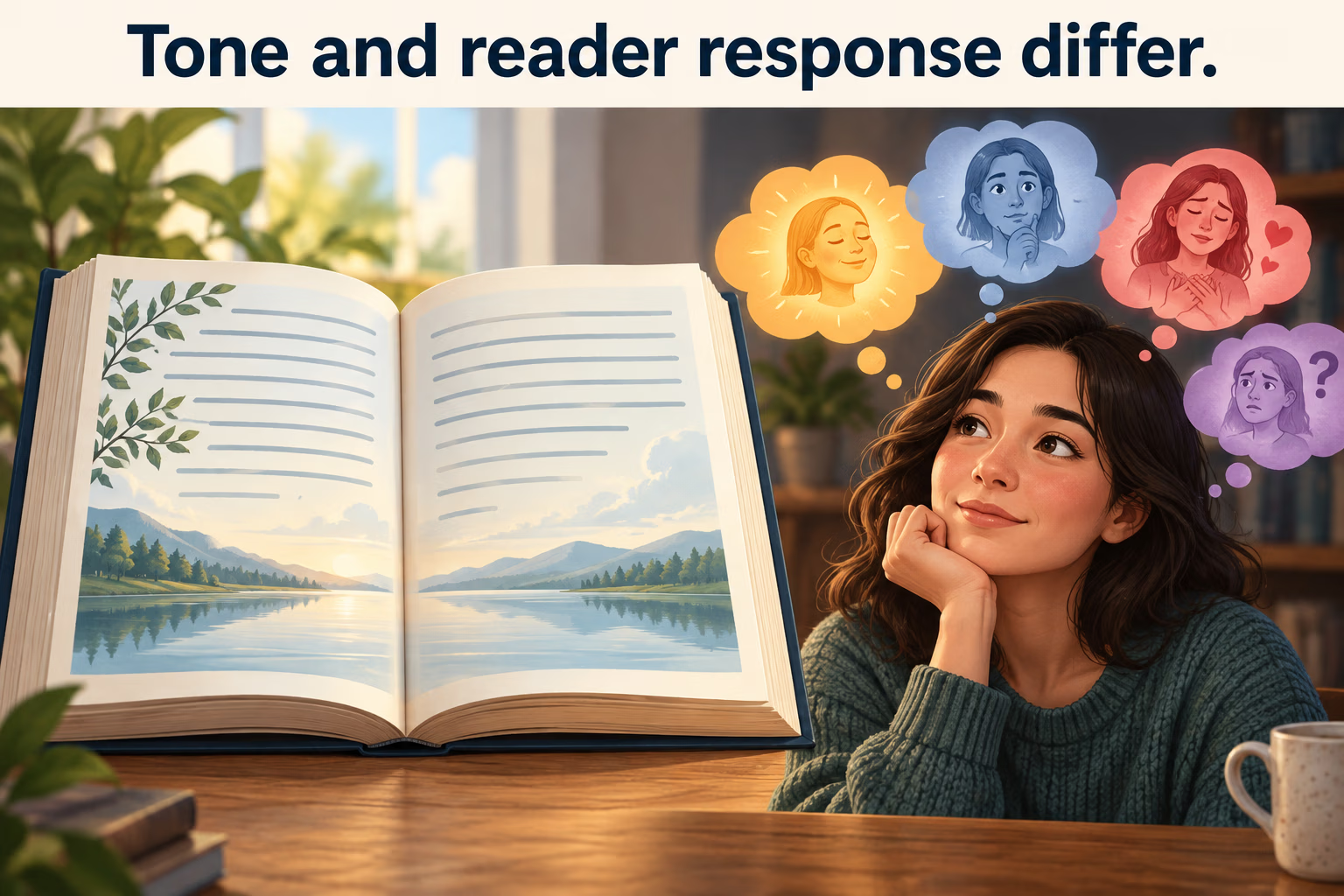
Distinguish the writer’s tone from a reader’s response. Tone describes an attitude conveyed through a text; a reader may find the same passage moving, unsettling, or amusing for personal reasons. Purdue’s guide to tone, mood, and audience treats these as related but distinct considerations. “The narration is wry” is a claim about the writing; “I found the ending sad” reports a response.
For criticism, focus a negative adjective on the work and support it. Instead of saying an author is “careless,” identify a confusing transition, repeated phrase, or unsupported claim in a particular work. An adjective is an interpretation, so context and an example help readers understand the basis for it.
A note on synonyms and antonyms for “author”
Author is a noun for a person who creates a written work. Depending on context, writer can be a close synonym; novelist, poet, and journalist name more specific kinds of writers, not interchangeable terms for every author. “Prolific,” “imaginative,” and “captivating” are adjectives that may describe a writer or writing; they are not synonyms for the noun author. The Merriam-Webster Thesaurus entry for author lists synonyms under the noun sense.
Merriam-Webster lists nonauthor as an antonym or near-antonym for the person-who-creates-a-written-work sense. Reader, audience, and consumer name different participation roles, not strict opposites; a person may read and write. The preserved heading “Antonyms for Author,” its introduction, and its closing claim that these roles are author weaknesses or limitations are inaccurate source text; the listed roles do not describe a deficit.
Two small copyediting notes in the retained examples: sporadic is the standard spelling for irregular or occasional activity, so “Spuratic” appears to be a typo; and “clich√©s” is a character-encoding error for clichés. In the negative-adjective list, the descriptions concern a particular piece of writing or a character portrayal, not a complete assessment of the writer.
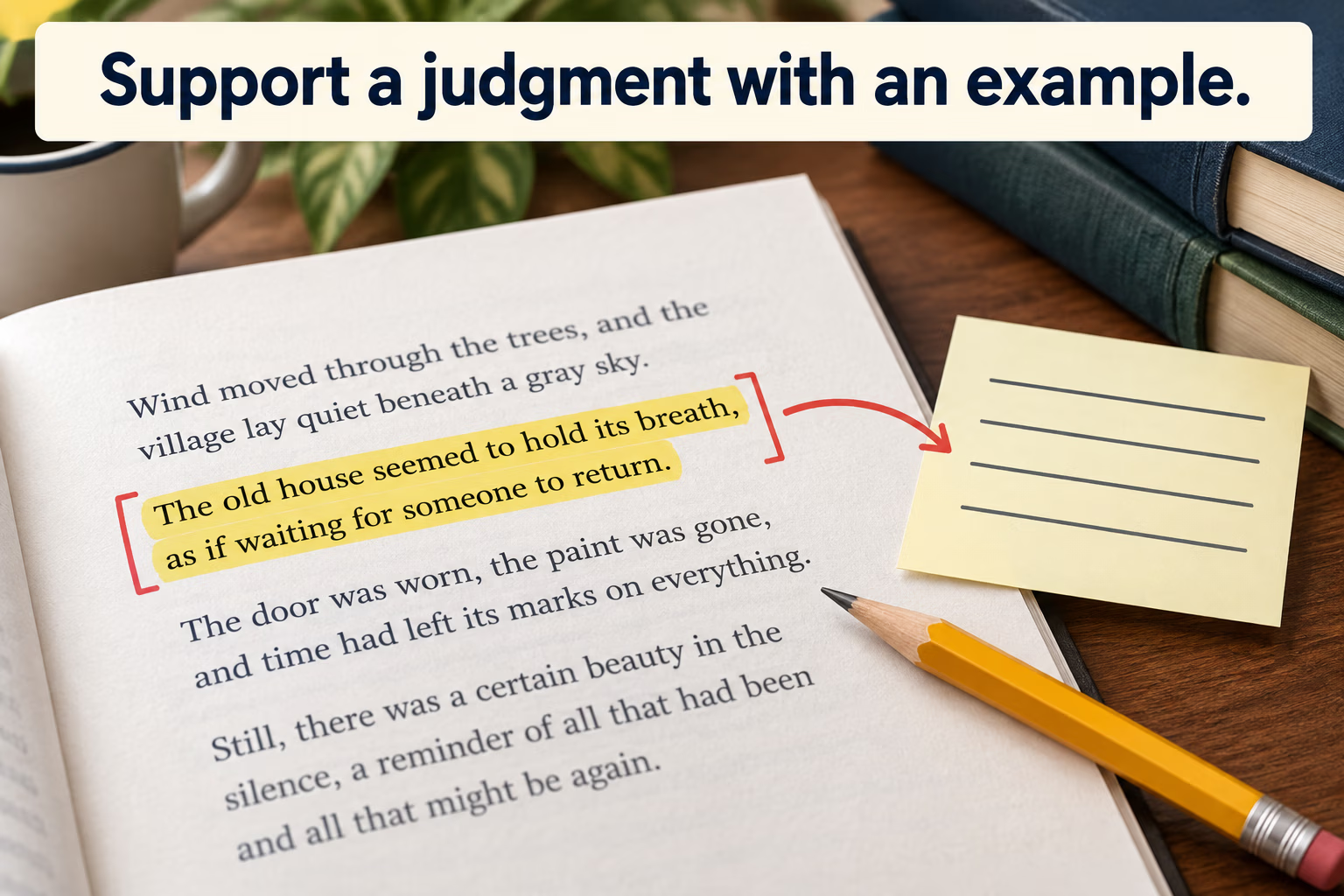
Some preserved examples make broad claims about an author’s personality, originality, productivity, or effect on readers. Treat these as sample wording, not verified facts: ground descriptions in a specific passage, work, or cited publication record, and frame reader impact as an attributed response rather than a universal result.
Use the lists in this article as vocabulary prompts, then check that each word fits the sentence and the evidence. A balanced description can praise a strength, discuss a limitation in one work, and avoid treating a single review as a complete judgment of a person.
As an experienced writer, I know that finding the right words to describe an author can be a challenge. That’s why I’ve put together this guide to help you discover the perfect adjectives to capture the essence of an author. Whether you’re writing a book review, creating an author bio, or simply want to express your admiration for a writer, having a list of descriptive words at your fingertips can make all the difference. From imaginative and insightful to prolific and captivating, I’ll provide you with a comprehensive list of adjectives along with examples to inspire your writing.
When it comes to describing an author, it’s important to choose words that not only convey their writing style but also capture their unique personality. Adjectives like eloquent, evocative, and thought-provoking can highlight their ability to paint vivid pictures with words. On the other hand, words like prolific, versatile, and innovative can showcase their ability to consistently produce exceptional work across different genres. Whether you’re a fellow writer, a literary enthusiast, or simply someone who appreciates the power of words, this list of adjectives will help you express your admiration for the authors who have touched your life.
How to Describe author? – Different Scenarios
When it comes to describing an author, there are several scenarios to consider. Different authors have unique writing styles and personalities, so choosing the right adjectives is essential. Let’s explore various situations and the adjectives that would best describe each author:
Describing an author’s writing style:
- Clarity: Crisp, lucid, accessible, well-structured, easy to follow.
- Imagery: Evocative, vivid, poetic, descriptive, sensory-rich.
- Tone: Witty, humorous, sarcastic, serious, melancholic, thought-provoking.
- Voice: Unique, distinct, authentic, personal, engaging.
- Flow: Smooth, seamless, rhythmic, captivating, page-turning.
Describing an author’s productivity:
- Prolific: Prodigious, prolific, tireless, churning out works, literary machine.
- Consistent: Steady, reliable, predictable output, dependable.
- Spuratic: Bursts of creativity, unpredictable output, known for long intervals.
- Methodical: Structured, disciplined, planned approach to writing.
- Experimental: Constantly evolving, exploring new styles and genres.
Describing an author’s impact on readers:
- Transformative: Life-changing, impactful, thought-provoking, leaving a lasting impression.
- Emotional: Evokes strong emotions, resonates deeply, touches hearts.
- Entertaining: Captivating, amusing, lighthearted, provides escape and joy.
- Thought-provoking: Raises important questions, challenges perspectives, sparks debate.
- Relatable: Connects with readers on a personal level, speaks to their experiences.
Describing an author’s storytelling ability:
- Compelling: Captivates attention, keeps readers hooked, impossible to put down.
- Masterful: Expertly crafted plot, believable characters, natural dialogue.
- Imaginative: Creates unique worlds and characters, sparks the imagination.
- Suspenseful: Builds tension, leaves readers on the edge of their seats.
- Heartwarming: Creates characters and stories that tug at the heartstrings, evoke empathy.
Remember, the key is to choose adjectives that accurately represent the author’s style and personality. By providing specific examples and scenarios, we can paint a clear picture of the author’s unique qualities and talents without the need for a conclusion.
Describing Words for author in English
As an avid reader and writer, I’ve come across many talented authors whose unique styles have left a lasting impression on me. Describing an author’s qualities can be challenging, but with the right adjectives, you can paint a vivid picture of their writing style, impact on readers, and storytelling ability. Here are some descriptive words that capture the essence of an author:
1. Captivating: Authors who are captivating have a knack for keeping readers hooked from start to finish. Their writing is compelling, making it difficult to put down their books.
2. Imaginative: An imaginative author takes readers on a journey beyond the realm of reality. Their vivid descriptions and creative storytelling transport readers to new and exciting worlds.
3. Evocative: An author who is evocative has the power to stir emotions within readers. Their words paint a detailed picture that brings the story to life, making readers feel like they are a part of the narrative.
4. Insightful: Insightful authors offer deep, thought-provoking perspectives on various aspects of life. Their writing provides valuable insights that resonate with readers long after they’ve finished reading.
5. Engaging: Authors who are engaging know how to connect with their audience. Their writing style is charismatic and keeps readers engaged throughout the entire book.
6. Introspective: Introspective authors delve into the depths of human experience. They explore complex emotions and themes, forcing readers to reflect on their own lives.
7. Versatile: A versatile author has the ability to write across different genres and styles. They can seamlessly transition from romance to mystery or from historical fiction to fantasy, showcasing their adaptability.
8. Poignant: A poignant author can touch readers’ hearts with their deeply emotional narratives. Their stories leave a lasting impact, often bringing tears or a sense of profound contemplation.
9. Thought-provoking: Thought-provoking authors challenge readers’ perspectives and make them question the world around them. Their writing sparks intellectual conversations and prompts readers to think deeply.
10. Original: An original author brings a fresh and unique perspective to the literary world. Their writing stands out from the crowd, offering readers something they haven’t seen before.
Adjectives for author
Positive Adjectives for author with 12 Example Sentences
When describing an author in a positive light, there are several adjectives that can help paint a vivid picture of their writing style, impact on readers, and storytelling ability. Here are twelve adjectives to showcase an author’s strengths:
- Captivating: The author’s storytelling is captivating, keeping readers hooked from start to finish.
- Imaginative: The author’s imaginative writing transports readers to fantastical worlds and sparks their creativity.
- Evocative: The author’s use of vivid imagery and descriptive language is evocative, making readers feel like they are part of the story.
- Insightful: The author’s insightful observations and reflections provide valuable perspectives on life and the human condition.
- Engaging: The author’s writing style is engaging, drawing readers into the narrative and making them emotionally invested.
- Introspective: The author’s introspective exploration of characters’ thoughts and emotions adds depth and complexity to the story.
- Versatile: The author demonstrates a versatile range of writing skills, seamlessly transitioning between genres and narrative techniques.
- Poignant: The author’s writing is poignant, evoking deep emotions and leaving a lasting impact on readers.
- Thought-provoking: The author’s thought-provoking ideas and themes challenge readers to think critically and question the world around them.
- Original: The author’s voice and storytelling approach are original, setting them apart from others in the literary world.
- Inspirational: The author’s work serves as an inspirational source of motivation and encouragement for aspiring writers and readers alike.
- Transformative: The author’s writing has the power to be transformative, leaving readers changed or with new perspectives.
Negative Adjectives for author with 5 example sentences
While it’s important to appreciate an author’s strengths, it’s also necessary to acknowledge areas where their writing may fall short. Here are five adjectives that describe potential weaknesses in an author’s work:
- Predictable: The author’s writing can be predictable, following clich√©s and tropes without offering new or surprising elements.
- Overly verbose: The author tends to be overly verbose, using excessive words and descriptions that can distract from the main ideas.
- Inconsistent: The author’s writing style can be inconsistent, with fluctuations in tone, pacing, or character development.
- Stereotypical: The author’s characters or storylines may feel stereotypical, lacking originality and depth.
- Convoluted: The author’s plot can be convoluted, with confusing or tangled storylines that make it difficult for readers to follow.
Remember, no author is perfect, and the use of negative adjectives should be constructive rather than discouraging. Even the most accomplished authors have areas where they can improve.
In the next section, I’ll provide some tips on how to effectively use these adjectives when describing an author.
Synonyms and Antonyms with Example Sentences
Synonyms for Author
When it comes to describing an author, there are various synonyms that can help to paint a clearer picture of their unique qualities and talents. Here are some synonyms for the word “author” along with example sentences:
| Synonym | Example Sentence |
|---|---|
| Writer | Jane is a talented writer who has published several best-selling novels. |
| Novelist | Mark is a renowned novelist known for his gripping storytelling. |
| Wordsmith | Sarah is a skilled wordsmith, weaving together beautiful prose in her poems. |
| Scribe | The scribe meticulously documented every detail in the ancient manuscript. |
| Wordslinger | Peter’s reputation as a wordslinger grew with each captivating story he wrote. |
By using these synonyms, we can highlight different aspects of an author’s role and writing style, capturing their creativity, storytelling ability, and impact on readers.
Antonyms for Author
Just as there are positive qualities to describe an author, there are also antonyms that can help to identify potential weaknesses or areas for improvement. Here are some antonyms for the word “author” along with example sentences:
| Antonym | Example Sentence |
|---|---|
| Reader | Although Mark loves to read, he hasn’t yet found his voice as an author. |
| Passive Observer | Susan prefers to be a passive observer rather than take an active role as an author. |
| Silent Spectator | James, a silent spectator, often hesitates to share his thoughts and experiences through writing. |
| Consumer | Instead of being a creator, Emily prefers to be a consumer of stories written by others. |
| Audience | Alain, as an audience, appreciates the art of writing but hasn’t ventured into authorship himself. |
These antonyms can be used to acknowledge the limitations or areas where an author may need to develop further, promoting self-awareness and growth.
Remember, choosing the right adjectives to describe an author is crucial in conveying their unique characteristics accurately. By using this diverse range of synonyms and antonyms, we can create a more comprehensive and nuanced description.
Conclusion
In this article, I have provided a comprehensive guide on how to describe an author using adjectives. By carefully selecting the right adjectives, you can effectively capture the essence of an author’s writing style, impact on readers, and storytelling ability.
Throughout the article, I have presented a range of positive adjectives, such as captivating, imaginative, evocative, and insightful, which can be used to highlight an author’s unique qualities and talents. Additionally, I have discussed the importance of acknowledging potential weaknesses in an author’s work, and have provided a list of negative adjectives, such as predictable and convoluted, to assist in providing a balanced description.
Furthermore, I have introduced synonyms and antonyms for the word “author,” allowing readers to explore different facets of an author’s role and writing style. By utilizing this diverse range of synonyms and antonyms, you can create a more nuanced and comprehensive description.
Whether you are a writer, a literary enthusiast, or simply someone who wants to express their admiration for an author who has impacted their life, this guide serves as a valuable resource. Use these adjectives to capture the essence of an author and convey your appreciation for their work.


