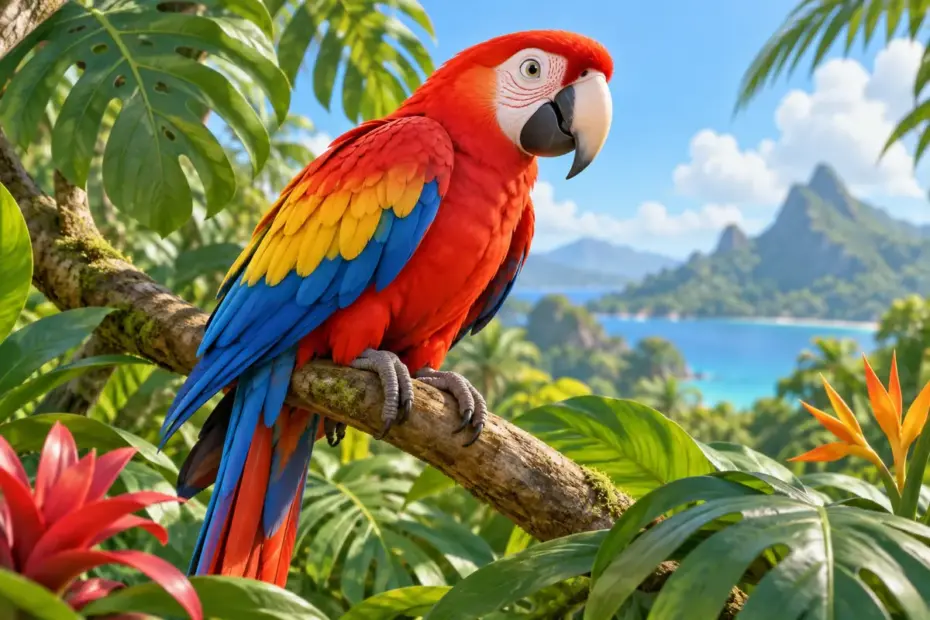
Bird Adjectives: Describing Words and Examples
Adjectives for a bird can describe visible traits—such as colorful plumage, a hooked beak, or a soaring flight—or behavior and habitat, such as nocturnal or aquatic. Choose words that fit the species and scene: not every bird flies, sings, migrates, or lives near water, so specific observations make descriptions accurate.
Key facts at a glance
- Choose bird adjectives that describe an observable feature, behavior, or habitat.
- Avian means relating to birds; it is broader and more formal than birdlike.
- Feather color and appearance can vary by species, age, sex, and season.
- Words such as nocturnal, aquatic, and migratory apply only when supported by context.
- Not all birds fly; ostriches and penguins are familiar flightless examples.
How do you choose an adjective for a bird?
Start with what you can observe: the bird’s plumage, size, beak, posture, movement, call, or setting. A phrase such as “a speckled shorebird wades through shallow water” gives readers more information than “a beautiful bird.” The adjective should identify a real feature, not simply repeat a general opinion.
Species and context matter. A bird may look colorful in breeding plumage but muted in another season, and a species may migrate in one population but not another. The Cornell Lab notes that feathers can help birds display, blend in, stay warm, and keep dry, so appearance words can describe function as well as color.
Bird adjectives by feature
Group descriptive words by the feature they name. This makes it easier to choose a precise adjective for a nature journal, classroom assignment, story, or species description.
| Feature | Adjectives | Example phrase |
|---|---|---|
| Color and pattern | colorful, iridescent, speckled, streaked | a speckled thrush |
| Shape and body | slender, crested, long-billed, hooked-billed | a long-billed wader |
| Movement | soaring, gliding, perching, agile | a soaring hawk |
| Sound | melodious, chirping, vocal, quiet | a vocal flock at dawn |
| Habitat or schedule | aquatic, coastal, nocturnal, migratory | a coastal, migratory shorebird |
What do common bird adjectives mean?
- Avian: relating to birds; useful in scientific or formal writing, as in “avian migration.”
- Iridescent: showing changing colors as the angle of light changes.
- Speckled: marked with small spots.
- Crested: having a raised group of feathers on the head.
- Soaring: flying high with little or no visible wing flapping.
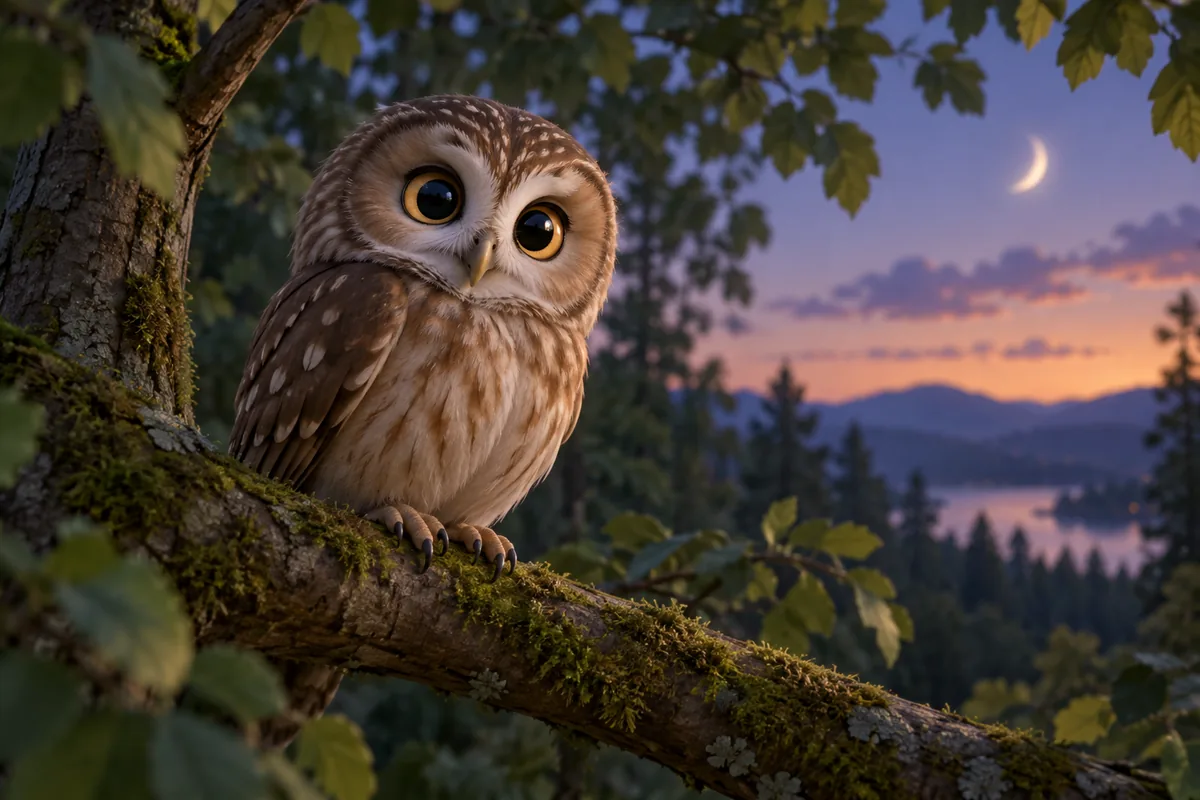
- Nocturnal: active mainly at night.
- Aquatic: associated with water or adapted to live or feed in it.
- Migratory: making regular seasonal movements between places.
Use participles such as soaring and perching when describing an action. Use labels such as nocturnal or migratory only when they fit the species or individual described. Cornell Lab defines migration as regular movement to and from an area, usually linked to breeding or feeding grounds.
Examples of bird adjectives in sentences
- The iridescent hummingbird flashed green when the sunlight reached its feathers.
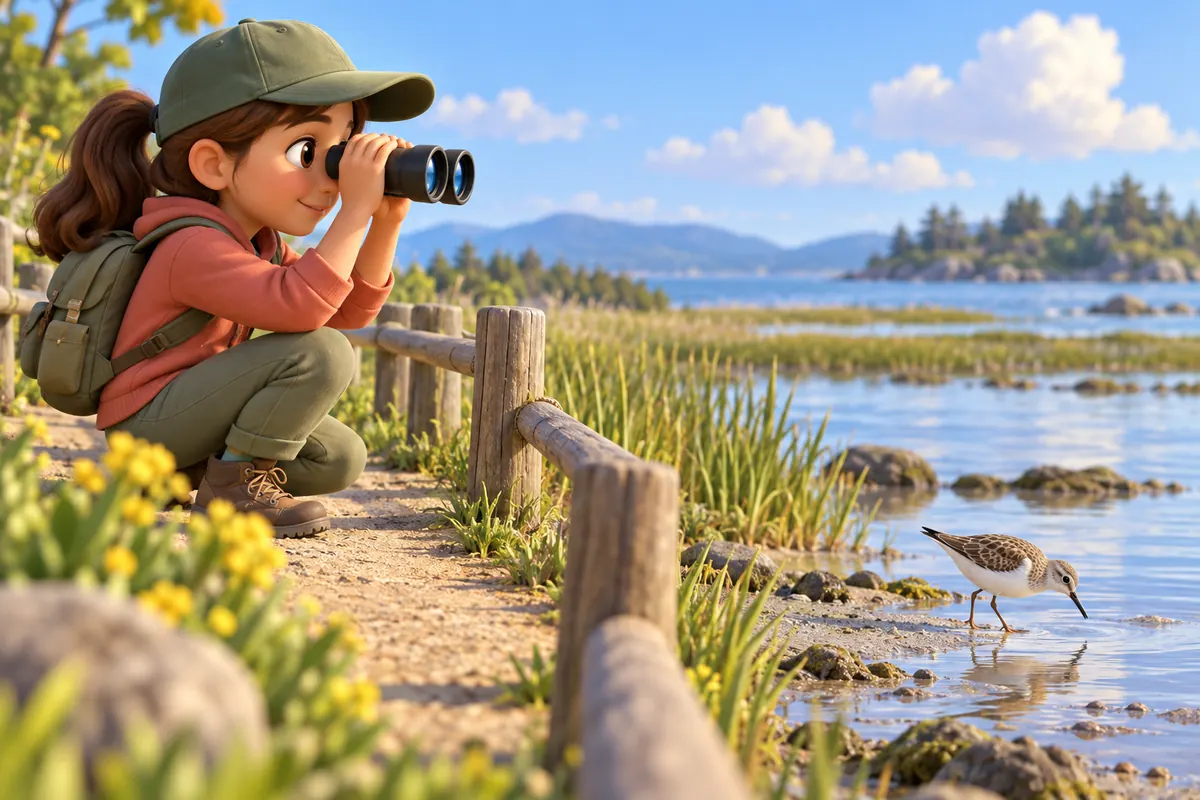
- A speckled sandpiper searched the muddy shore for food.
- The crested cockatoo raised its head feathers when it became alert.
- Two soaring eagles circled above the ridge.
- The nocturnal owl called after sunset.
- Aquatic ducks paddled through the reed-lined pond.
- The migratory geese crossed the valley in a loose formation.
- A slender heron stood motionless at the water’s edge.
When should you avoid a broad adjective?
Avoid describing all birds as flying, singing, or colorful. Some birds are flightless, and calls differ widely; plumage can also be cryptic or change with age and season. Cornell Lab’s feather guide explains that feather forms serve different purposes, including insulation, display, camouflage, and flight. Name the species or visible behavior when it affects the meaning.
For creative writing, a subjective word such as majestic or charming can set a mood. For science or a field note, prefer observable wording such as “large,” “white-winged,” “diving,” or “perched on a reed.” The goal is not to remove voice; it is to separate opinion from evidence.
Frequently asked questions about bird adjectives
What is a good adjective for a bird?
A useful adjective names a feature the reader can picture, such as speckled, crested, soaring, or nocturnal. Match the word to the species and the moment. “A crested bird perched nearby” is more precise than “a nice bird,” while a field guide should favor observable traits.
What does “avian” mean?
Avian means relating to birds. It appears in formal or scientific phrases such as avian species, avian behavior, and avian influenza. It does not mean “colorful” or “feathered,” so use another adjective when you mean a bird’s appearance rather than its broader connection to birds.
Can I describe every bird as flying?
No. Most bird species can fly, but some are flightless. Ostriches and penguins are familiar examples, and the Cornell Lab notes that flightless birds have feathers adapted for other purposes. Describe a bird as flying only when it is airborne, or use a species-specific phrase such as “flightless ostrich.”
What adjective describes a bird that migrates?
Migratory describes a bird or population that makes regular seasonal movements. Cornell Lab defines migration as regular movement to and from an area, usually between breeding grounds and feeding or wintering areas. Check the species or population before using the label; not every individual travels the same route.
Describing birds with precision
Use appearance words for visible traits, movement words for actions, and habitat or schedule words only when they fit. A precise adjective helps readers imagine the bird while keeping observation separate from assumption, especially when a species’ color, behavior, or seasonal pattern can vary.
Birds are fascinating creatures that come in a wide variety of shapes, sizes, and colors. As an avid birdwatcher, I have always been captivated by the beauty and diversity found within the avian world. One of the ways to truly appreciate the uniqueness of each bird species is by using descriptive adjectives to paint a vivid picture of their appearance and characteristics. In this article, I’ll be sharing a collection of adjectives that can be used to describe birds, along with examples to illustrate their usage. So whether you’re a fellow bird enthusiast or simply curious about the rich vocabulary associated with our feathered friends, join me as we explore the world of adjectives for birds.
From the majestic and regal to the tiny and delicate, birds possess an array of qualities that make them a wonder to behold. By using descriptive adjectives, we can better convey the distinct features and behaviors that set each bird apart. Whether it’s the vibrant plumage of a tropical parrot, the graceful flight of an eagle, or the melodic song of a nightingale, adjectives allow us to capture the essence of these magnificent creatures. In this article, I’ll be sharing a comprehensive list of adjectives that can be used to describe birds, accompanied by real-life examples that showcase their usage. So, let’s dive into the world of avian adjectives and discover the power of language in capturing the beauty of birds.
How to Describe bird? – Different Scenarios
When it comes to describing birds, there are several scenarios in which you can use different adjectives to capture their unique characteristics. Whether you are observing birds in their natural habitat, listening to their melodic songs, or marveling at their vibrant colors, each scenario presents an opportunity to use descriptive words that paint a vivid picture. Let’s explore some of these scenarios:
- Appearance
- Colors
- Behavior
- Songs
- Habitat
- Flight
Remember, using descriptive adjectives helps create a more vivid and engaging portrayal of birds. Whether you’re teaching young children about birds or simply sharing your love for these incredible creatures, incorporating these words into your descriptions will make them come to life.
Stay tuned for more examples and tips on how to use adjectives effectively to describe birds!
Describing Words for bird in English
Birds are fascinating creatures with a wide variety of shapes, colors, and behaviors. In this section, I will introduce you to some descriptive words that can be used to accurately capture the unique characteristics of birds. These words will help make your descriptions vivid and engaging, perfect for teaching young children about these amazing creatures.
- Colorful: Birds come in a rainbow of colors. From the vibrant red of a cardinal to the brilliant blue of a peacock, their feathers can be truly breathtaking. Using words like “bright,” “vivid,” or “colorful” can help children imagine the stunning hues of different bird species.
- Majestic: Some birds, like eagles or hawks, are large and impressively regal in appearance. Describing them as “majestic,” “imposing,” or “grand” can help convey their size and presence.
- Graceful: Many birds are known for their elegant movements, whether it’s the smooth flight of a swan or the delicate hopping of a hummingbird. Words like “graceful,” “elegant,” or “poised” can paint a picture of their effortless agility.
- Melodic: Birds are famous for their beautiful songs, which can vary widely in tone and rhythm. Words like “melodic,” “harmonious,” or “musical” can capture the enchanting sounds they produce.
- Tiny: Some birds are incredibly small and delicate, like a tiny hummingbird or a dainty finch. Describing them as “tiny,” “small,” or “petite” helps children understand their miniature size.
- Coastal: Certain birds are commonly found near the coast, such as seagulls or pelicans. Using words like “coastal,” “beach-dwelling,” or “ocean-loving” helps children learn about specific habitats that birds inhabit.
- Agile: Birds are known for their impressive flight skills, whether it’s the acrobatics of a swift or the swift, precise movements of a sparrow. Words such as “agile,” “nimble,” or “quick” can capture their aerial prowess.
Adjectives for bird
As an expert blogger with years of experience writing high-quality articles, I am excited to guide you through the different adjectives that can be used to describe birds. In this section, I will provide you with positive and negative adjectives that can help you create vivid descriptions of these magnificent creatures. Let’s dive in!
Positive Adjectives for Bird with 12 Example Sentences
When describing birds in a positive light, there are several adjectives that can be used to capture their beauty, behavior, and characteristics. Here are 12 examples of positive adjectives for birds:
| Adjective | Definition |
|---|---|
| Colorful | Vibrant and full of different colors. |
| Majestic | Possessing a regal and dignified appearance. |
| Graceful | Displaying elegance and smooth movements. |
| Melodic | Producing beautiful and enchanting songs. |
| Fascinating | Intriguing and capturing attention. |
| Playful | Exhibiting joy and a sense of fun. |
| Agile | Nimble and demonstrating impressive agility. |
| Serene | Calm and peaceful in nature. |
| Inquisitive | Curious and eager to explore. |
| Magnificent | Extraordinarily impressive and breathtaking. |
| Harmonious | Balanced and creating a pleasing effect. |
| Intelligent | Showing high levels of understanding and problem-solving skills. |
Let me provide you with a few example sentences using these positive adjectives:
- The colorful feathers of the parrot caught my attention from across the room.
- The eagle soared through the sky with majestic grace.
- I was enthralled by the melodic song of the nightingale.
- The hummingbird’s agile flight left me in awe.
- The swan glided across the water with graceful movements.
Negative Adjectives for Bird with 5 Example Sentences
While birds are often described in a positive light, there are also negative adjectives that can be used to depict their less favorable attributes. Here are 5 examples of negative adjectives for birds:
| Adjective | Definition |
|---|---|
| Noisy | Loud and disruptive in their sounds. |
| Messy | Leaving a trail of debris or droppings. |
| Aggressive | Displaying hostile or unkind behavior. |
| Predatory | Preying on other animals for sustenance. |
| Invasive | Invading and disrupting natural habitats. |
Let’s explore these negative adjectives in a few example sentences:
- The seagulls at the beach were noisy and caused quite a commotion.
- The crows left behind a messy trail of feathers and twigs in the yard.
- The hawk became aggressive when threatened by other birds.
- The falcon is a predatory bird, hunting its prey with precision.
- The introduction of non-native bird species had invasive effects on the local ecosystem.
Remember, adjectives can paint a vivid picture of birds and allow us to express their unique characteristics. Whether positive or negative, these descriptors help us create engaging and accurate descriptions that can be easily understood by kindergarten and preschool teachers and their young students.
Now that we’ve explored both positive and negative adjectives for birds, you have a powerful tool to capture the essence of these incredible creatures. So go ahead and incorporate these descriptive words into your teaching materials to provide an enriching experience for your young audience.
Synonyms and Antonyms with Example Sentences
Synonyms for bird
When it comes to describing birds, using a variety of synonyms can add depth and richness to your descriptions. Here are some synonyms for the word “bird” that you can use:
- Avian
- Feathered friend
- Winged creature
- Feathered beauty
Using these synonyms not only enhances your vocabulary but also adds flair to your descriptions. For example:
- The avian gracefully soared through the sky.
- We spotted a colorful feathered friend perched on a branch.
- The forest was alive with the sounds of winged creatures.
- The park is a haven for various feathered beauties.
By incorporating these synonyms into your teaching materials, you can engage young learners and help them develop a deeper understanding of birds.
Antonyms for bird
Antonyms, or words with opposite meanings, can be useful in highlighting contrasts and providing a well-rounded description. Here are some antonyms for the word “bird”:
- Land animal
- Mammal
- Non-flying creature
- Terrestrial being
Using antonyms can help paint a clearer picture of what birds are not. Here are some example sentences:
- Unlike a land animal, a bird can take flight and soar through the sky.
- A bird is not a mammal, as it does not give birth to live young or nurse them with milk.
- While some animals are capable of flight, a bird is a non-flying creature.
- Birds are terrestrial beings that primarily live on or near the ground.
When teaching young children about birds, incorporating these antonyms can help them understand the unique characteristics that set birds apart from other animals.
Remember, using a variety of synonyms and antonyms can make your descriptions more engaging and accurate. By incorporating these descriptive words into your teaching materials, you can provide an enriching experience for young learners.
Conclusion
In this article, I have explored the world of descriptive adjectives for birds and how they can enhance our descriptions of these fascinating creatures. By using synonyms and antonyms for the word “bird,” we can paint a vivid picture of their unique characteristics and behaviors.
Throughout the article, I have provided example sentences that demonstrate the effective use of these descriptive words. Whether you are a teacher looking to engage young learners or a writer seeking to captivate your audience, incorporating these adjectives into your descriptions will undoubtedly enrich the experience.
As we have seen, descriptive adjectives play a crucial role in teaching children about birds. By using words like “majestic,” “graceful,” and “colorful,” we can spark their curiosity and encourage them to explore the world of birds further.
I encourage you to take these adjectives and incorporate them into your teaching materials, presentations, or writing. By doing so, you will create a more immersive and captivating experience for your audience, allowing them to appreciate the beauty and diversity of birds in a whole new way.


