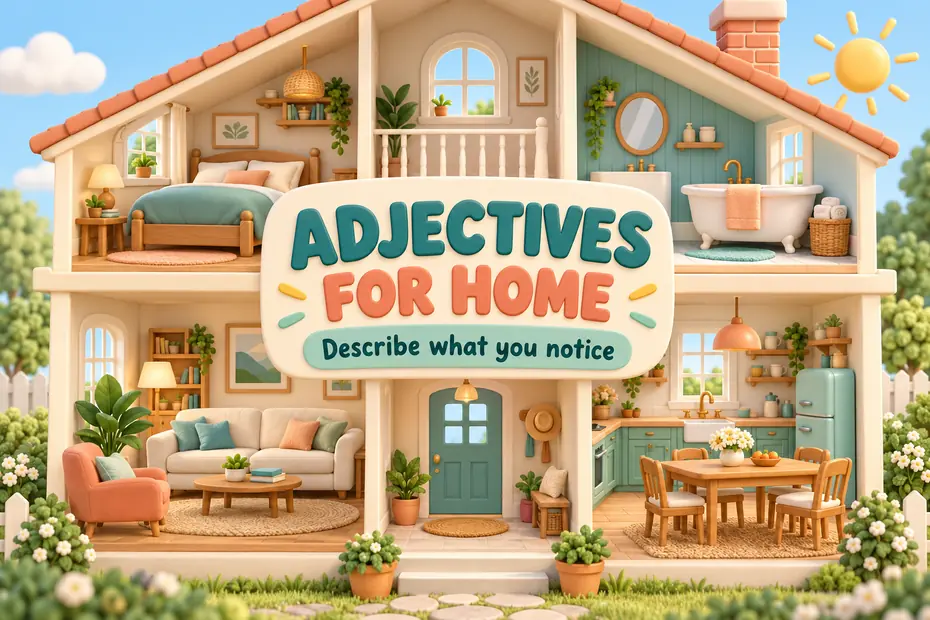
Which adjectives describe a home clearly?
Useful adjectives for home describe size, light, layout, condition, style, or atmosphere: compact, spacious, bright, airy, well-maintained, modern, cozy, and welcoming. Choose words that match an observable feature or a clearly stated impression. “A compact home with bright rooms” is more informative than “a perfect home.”
- Space: compact, spacious, roomy, or cramped.
- Light: bright, sunlit, dim, or shaded.
- Atmosphere: cozy, welcoming, calm, or lively.
- Condition: well-maintained, renovated, worn, or neglected.
- Style: modern, traditional, rustic, or minimalist.
- Evidence: follow an adjective with one detail that explains it.

Home describing words by feature
A useful description combines a category with a detail. “Bright” describes light; “spacious” describes perceived room; “welcoming” describes an impression. Do not treat those words as interchangeable praise. A home can be bright but compact, spacious but cluttered, or old-fashioned but carefully maintained.
| Feature | Adjectives | Original sentence |
|---|---|---|
| Size and layout | compact, spacious, open-plan | The compact apartment has an efficient kitchen layout. |
| Light | bright, sunlit, dim | The sunlit dining room faces the garden. |
| Atmosphere | cozy, inviting, peaceful | A reading lamp and soft rug make the room feel cozy. |
| Condition | well-maintained, renovated, dated | The well-maintained home has freshly painted doors. |
| Style | traditional, contemporary, rustic | The rustic cottage has exposed beams and plain wooden furniture. |
| Organization | tidy, uncluttered, cluttered | The uncluttered hallway leaves room for visitors’ coats. |
The sentences are original examples, not claims about a particular property. In a listing or formal description, verify details before using adjectives that imply performance, condition, or accessibility. A pleasant impression does not establish the state of wiring, ventilation, or insulation.
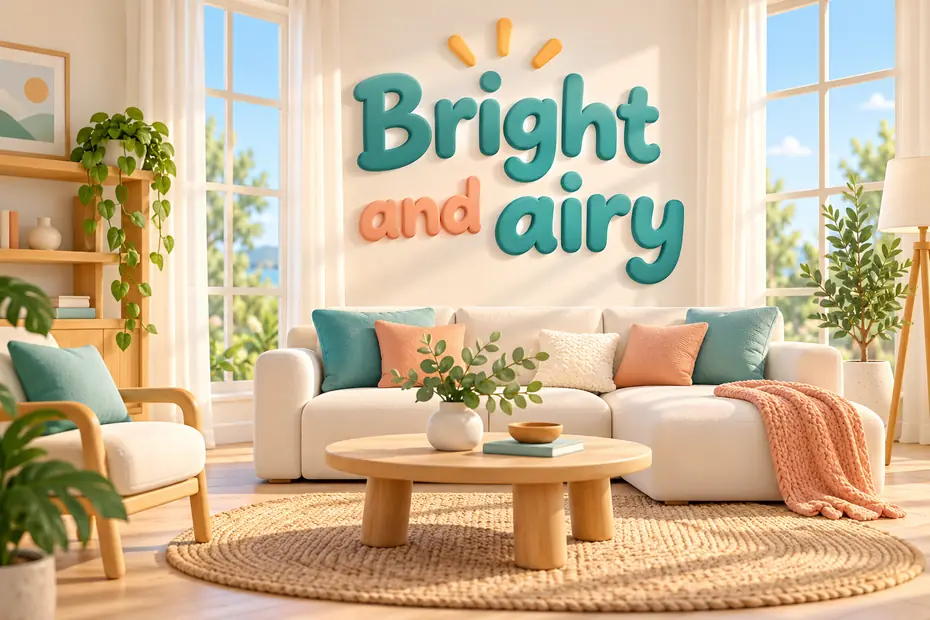
What is the difference between cozy and spacious?
Cozy suggests comfort and a pleasant intimate feel; spacious suggests plenty of room. Neither automatically follows from the home’s total size. A large house may include a cozy reading corner, while a small apartment may feel spacious because its furniture leaves clear pathways.
Cambridge Dictionary’s cosy entry explains the comfort meaning; cozy is the common American spelling. Support the impression with a detail: “The cozy sitting room has a soft armchair beside the fireplace.” Avoid using the word merely to disguise an inconveniently small space.
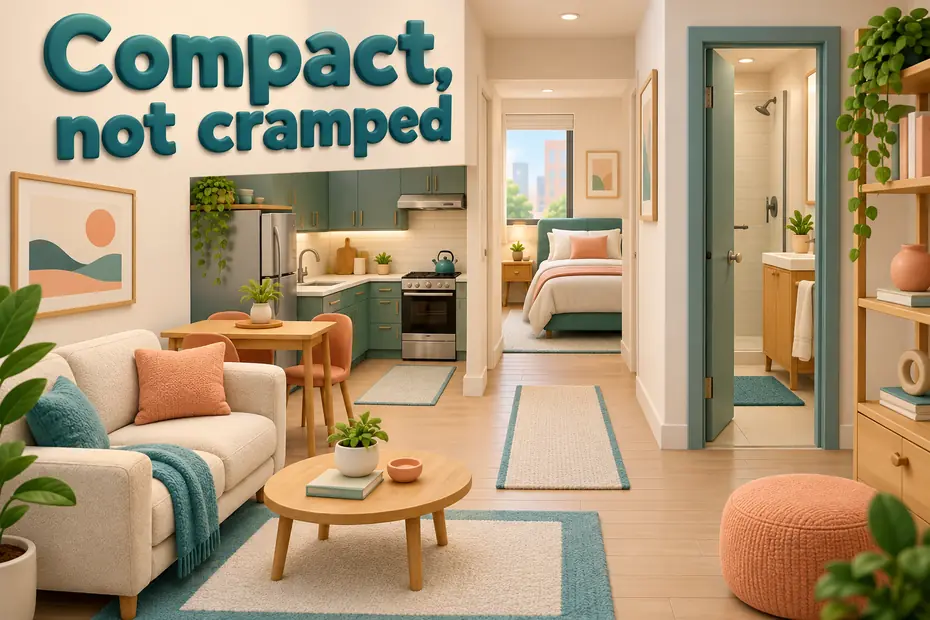
Compact can describe something small and efficiently arranged, while cramped emphasizes insufficient space or discomfort. “A compact kitchen with fitted storage” and “a cramped kitchen with no room to open the cupboard” convey different evaluations. Cambridge’s compact entry supports the small-and-organized sense.
Should you describe a home as homely?
Check the intended audience before using homely. In British English, the word can mean simple and comfortable in a home-like way. In American English, it can suggest an unattractive appearance, especially when describing a person. Cambridge Dictionary records these contrasting senses.
For an international audience, homey, cozy, comfortable, or welcoming often communicates the intended positive feeling more clearly. “The guest room felt comfortable and welcoming” avoids asking readers to resolve the regional difference. This is a clarity choice rather than a rule that homely is always incorrect.
How can you describe a home without vague praise?
Replace unsupported superlatives with the feature that prompted your judgment. Instead of “an amazing home,” write “a bright home with wide windows and an uncluttered hallway.” Instead of “a luxurious bathroom,” identify a relevant detail such as a freestanding bath or stone flooring, if those features are actually present.
- Before: “The house is nice.” After: “The house is quiet, with a sheltered courtyard.”
- Before: “The room is perfect.” After: “The room is compact and easy to keep tidy.”
- Before: “The kitchen is modern.” After: “The modern kitchen has plain cabinet fronts and integrated storage.”
- Before: “The home is comfortable.” After: “The living room feels comfortable, with supportive seating and space to move.”
State personal impressions as impressions: “The room felt peaceful to me” differs from promising that the location is always quiet. Likewise, bright describes a lighting impression, while energy-efficient implies performance. Do not infer energy performance from sunny windows or a recent coat of paint.
How do adjectives fit naturally into home sentences?
Put an adjective before a noun or after a linking verb: “a welcoming home” and “the home feels welcoming.” When describing multiple features, a short list is often clearer than a long stack: “The home is bright, compact, and well-maintained.” Each word contributes a distinct category.
For a compound modifier before a noun, a hyphen can clarify the relationship: a well-maintained home, an open-plan kitchen, or a light-filled room. Write a very bright room without a hyphen. Avoid creating decorative compounds when a familiar adjective already says what you need.
Use the relevant noun when the description belongs to one area rather than the whole building. “The bedroom is airy” makes a narrower claim than “The home is airy.” “The exterior looks neglected” does not establish the condition of every interior room. This precision makes reviews and descriptive essays more credible.
Frequently asked questions
What are positive adjectives for a home?
Welcoming, comfortable, cozy, bright, spacious, and well-maintained are useful positive choices when they fit the setting. Add one detail to justify the word: “The welcoming entryway has a bench and room for coats.” Positive language is most useful when readers can see why you chose it.
What are neutral adjectives for a small home?
Small, compact, and modest can describe limited size without automatically criticizing it. Choose compact when the arrangement is efficient and cramped when lack of room creates discomfort. A specific phrase such as “a small home with two bedrooms” is clearer than a vague judgment.
Can a home be rustic and modern?
Yes, if different features support both descriptions. “The home combines rustic beams with a modern kitchen” identifies the contrast directly. Avoid presenting the two words as contradictory by default. Describe the parts that carry each style instead of expecting a single adjective to summarize every room and feature.
What is a simple home description for children?
“My home is small, bright, and welcoming” is a clear starting sentence. Ask children to support each word with something they notice: a small number of rooms, sunlight through a window, or a friendly place to sit. This turns a memorized adjective list into a description with meaning.
Choose adjectives for home by matching the word to a feature, then adding evidence. A short, accurate description of light, space, condition, and atmosphere gives readers more useful information than a string of compliments.

Welcome to my article on adjectives for home – describing words that will help you paint a vivid picture of your living space. Whether you’re looking to spruce up your home decor or simply want to express your love for your humble abode, having a wide range of descriptive words at your disposal can make all the difference. From cozy and inviting to sleek and modern, these adjectives will help you capture the essence of your home in a single word.
In this article, I’ll be sharing a variety of adjectives that you can use to describe different aspects of your home. From the exterior to the interior, we’ll explore words that encompass the style, ambiance, and overall feel of your living space. Whether you’re describing the architecture, the furniture, or the atmosphere, these adjectives will help you create a vivid and captivating portrayal of your home.
So, if you’re ready to elevate your home descriptions to the next level, let’s dive in and explore the world of adjectives for home. Get ready to discover new ways to express the beauty and uniqueness of your living space, and learn how to make your home truly shine with descriptive words.
How to Describe home? – Different Scenarios
When it comes to describing a home, there are many different scenarios that may arise. As an expert in this field, I have encountered various situations where finding the right words to accurately describe a home is crucial. Let’s explore some of these scenarios and the ways in which we can effectively describe a home.
Scenario 1: Selling a Home
When selling a home, it’s important to highlight its best features and create a sense of excitement for potential buyers. Here are some adjectives that can be used to describe a home when listing it for sale:
- Spacious: With plenty of room to move around and breathe.
- Cozy: Small and comfortable, creating a warm and inviting atmosphere.
- Modern: Incorporating contemporary design and features.
- Charming: Full of character and unique details.
- Stylish: Trendy and fashionable, appealing to a younger demographic.
- Well-maintained: Showing that the home has been taken care of and is in good condition.
Scenario 2: Renting a Home
Renting a home requires a slightly different approach when it comes to describing its qualities. Here are some adjectives that can be used to describe a home when seeking potential tenants:
- Affordable: Offered at a reasonable price for those on a budget.
- Convenient: Close to amenities such as grocery stores, schools, and public transportation.
- Safe: Located in a secure neighborhood, providing peace of mind.
- Pet-friendly: Allowing tenants to have pets and providing facilities for them.
- Furnished: Including furniture and appliances, making it move-in ready.
- Accessible: Providing features such as ramps or elevators for individuals with disabilities.
Scenario 3: Writing a Home Description
Whether you’re a real estate agent or simply posting an ad online, writing a compelling home description is essential. Here are some adjectives that can be included in a description to make it more engaging:
- Breath-taking: Stunning and awe-inspiring.
- Serene: Peaceful and tranquil.
- Captivating: Holding one’s attention and sparking curiosity.
- Luxurious: Offering a high level of comfort and elegance.
- Picturesque: Beautiful and picturesque, like a scene from a postcard.
- Inviting: Welcoming and warm, making people want to stay.
Describing Words for home in English
When it comes to describing a home, there are various adjectives that can help paint a vivid picture for potential buyers, renters, or readers. The right choice of words can make all the difference in capturing the essence of a home and generating interest. Let’s explore some common adjectives used to describe homes and provide examples for each.
1. Spacious
A spacious home is one that offers ample room for comfortable living. Here are a few examples:
- The living room in this house is expansive, perfect for entertaining guests.
- The bedrooms are roomy, providing plenty of space for a cozy retreat.
- The open floor plan creates a generous amount of space for family gatherings.
2. Cozy
A cozy home is inviting and creates a sense of warmth and comfort. Consider the following examples:
- The fireplace in the living room makes the space feel inviting and cozy.
- The intimate dining area is perfect for enjoying meals with loved ones.
- The bedroom’s soft color palette and plush carpeting create a snug and cozy atmosphere.
3. Modern
A modern home is characterized by sleek lines, contemporary design, and up-to-date features. Check out these examples:
- The kitchen boasts state-of-the-art appliances and a stylish island.
- The sleek design of the bathroom gives it a modern and luxurious feel.
- The living room is equipped with high-tech entertainment systems for a truly modern experience.
4. Charming
A charming home exudes character, often with unique architectural details or a cozy vibe. Take a look at these examples:
- The front porch with its adorable rocking chairs adds to the home’s charming appeal.
- The quaint garden provides a peaceful and charming outdoor retreat.
- The picturesque street lined with colorful houses creates a truly charming neighborhood.
- The large windows in the living room allow for abundant natural light.
- The sun-drenched kitchen is perfect for those who enjoy cooking in a bright environment.
- The light-filled bedrooms provide a serene and welcoming space
Adjectives for home
When it comes to describing a home, finding the right words is essential to capture its essence and generate interest. Adjectives play a crucial role in creating excitement and attracting potential buyers, renters, or readers. In this section, I will explore both positive and negative adjectives that can be used to describe a home, along with example sentences to illustrate their usage.
Positive Adjectives for Home with 12 Example Sentences
A positive description can make a home more appealing and inviting. Here are twelve examples of positive adjectives that can be used to describe a home:
| Adjective | Definition | Example Sentence |
|---|---|---|
| Spacious | Large and roomy | The living room is spacious with plenty of natural light. |
| Cozy | Warm and comfortable | The cozy bedroom is perfect for a good night’s sleep. |
| Modern | Up-to-date and stylish | The kitchen features modern appliances and sleek countertops. |
| Charming | Delightful and attractive | The charming backyard is adorned with colorful flowers. |
| Inviting | Welcoming and friendly | The front porch is inviting, with a cozy swing and potted plants. |
| Serene | Peaceful and calm | The master bedroom offers a serene escape from the hustle and bustle. |
| Bright | Full of light | The bright and airy dining area is perfect for family gatherings. |
| Welcoming | Hospitable and inviting | The welcoming entryway greets guests with a warm ambiance. |
| Stylish | Fashionable and elegant | The living room is beautifully decorated with stylish furniture. |
| Clean | Neat and tidy | The clean and well-maintained bathroom sparkles with freshness. |
| Tranquil | Quiet and peaceful | The backyard oasis offers a tranquil escape from the outside world. |
| Invigorating | Energizing and refreshing | The invigorating outdoor patio is perfect for morning coffee. |
Negative Adjectives for Home with 5 Example Sentences
While it’s essential to highlight the positive aspects of a home, there are also negative adjectives that might be used to describe certain features. Here are five examples of negative adjectives that can be used to describe a home:
| Adjective | Definition | Example Sentence |
|---|---|---|
| Cramped | Small and confined | The cramped kitchen lacks counter space for cooking. |
| Outdated | Old-fashioned and obsolete | The bathroom fixtures are outdated and need an update. |
| Dingy | Dark and gloomy | The dingy basement could use some brighter lighting. |
| Noisy | Loud and disruptive | The noisy street outside can be a disturbance during nighttime. |
| Cluttered | Messy and disorganized | The cluttered living room is filled with miscellaneous items. |
Remember, while it’s important to provide an accurate description of a home, it’s also crucial to strike a balance and focus on the positive aspects to generate interest and create excitement. These adjectives can help paint a vivid picture and showcase the best qualities of a home.
Synonyms and Antonyms with Example Sentences
Synonyms for home
When it comes to describing a home, there are several synonyms that can be used to capture its essence and create interest. Here are some commonly used synonyms for the word “home”:
- Residence: This elegant residence is the epitome of luxury living.
- Dwelling: Their cozy dwelling is nestled in a quiet neighborhood.
- Abode: The charming abode is surrounded by beautiful gardens.
- Homestead: The historic homestead has been passed down through generations.
- Domicile: This spacious domicile offers breathtaking views of the city.
These synonyms can be used interchangeably with the word “home” to add variety and depth to your descriptions.
Antonyms for home
While positive adjectives are often used to describe a home, it’s also important to be aware of antonyms that can be used to describe certain features or characteristics. Here are some antonyms that can be used when describing a home:
- Cramped: The small living room made the space feel cramped and claustrophobic.
- Outdated: The kitchen’s outdated appliances are in need of an upgrade.
- Dingy: The old, dingy carpet gave the room a worn-out appearance.
- Noisy: The house is located near a busy road, resulting in constant noise throughout the day.
- Cluttered: The cluttered bedroom lacked a sense of organization and cleanliness.
By using these antonyms, you can effectively highlight the negative aspects of a home while still maintaining a balanced description.
With the help of these synonyms and antonyms, you can create engaging and captivating descriptions of homes that will pique the interest of potential buyers or renters.
Conclusion
Describing a home using the right adjectives is crucial in capturing its true essence and sparking interest in potential buyers or renters. Throughout this article, we have explored various synonyms and antonyms that can be used to paint a vivid picture of a home.
From words like “residence” and “dwelling” to “abode” and “homestead,” there are numerous ways to convey the idea of a home. These synonyms provide alternative options to keep descriptions fresh and engaging.
On the other hand, antonyms like “cramped,” “outdated,” and “cluttered” allow us to highlight the negative aspects of a home, giving a well-rounded perspective to potential buyers or renters.
By incorporating these descriptive words into our descriptions, we can create compelling narratives that capture the attention of our audience. Whether it’s a cozy cottage or a modern apartment, the right adjectives can make all the difference in showcasing a home’s unique features and selling its appeal.
Remember, when it comes to describing homes, the power lies in the words we choose. So, let’s continue to explore the vast world of adjectives and create captivating descriptions that leave a lasting impression.


