Adjectives for Rice: Choose Words by Texture and Flavor
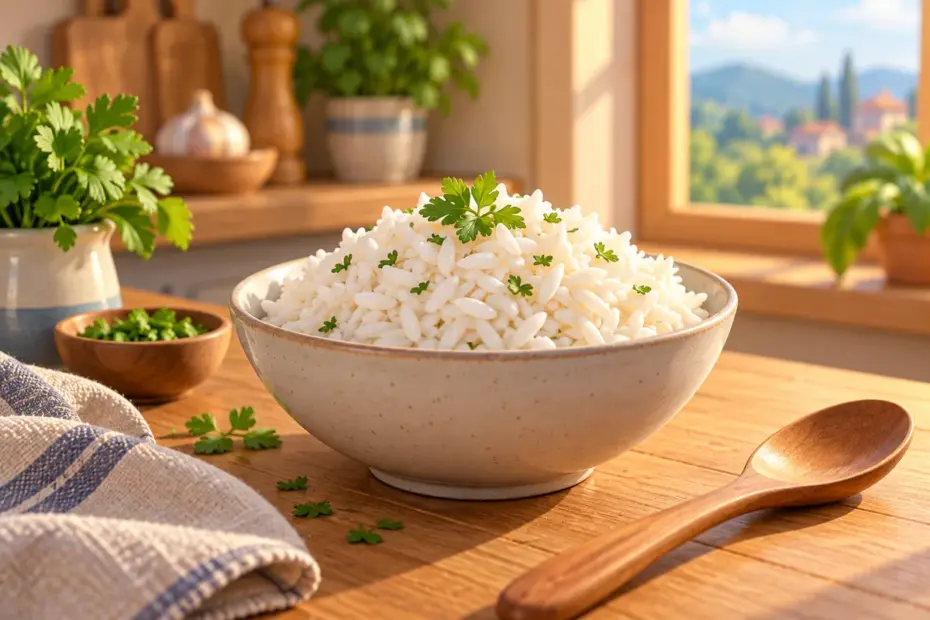
Adjectives for rice describe its cooked texture, flavor, aroma, color, or variety. Fluffy and separate fit many long-grain dishes, while moist and sticky may better describe medium- or short-grain rice; name the variety and preparation when a general label would be misleading.
- Texture: fluffy, tender, chewy, creamy, sticky, firm.
- Flavor: mild, nutty, savory, subtly sweet.
- Aroma: fragrant, aromatic, delicate.
- Appearance: pearly, translucent, golden, brown, separate.
- Preparation: steamed, toasted, freshly cooked, chilled.
Which adjectives fit each rice texture?
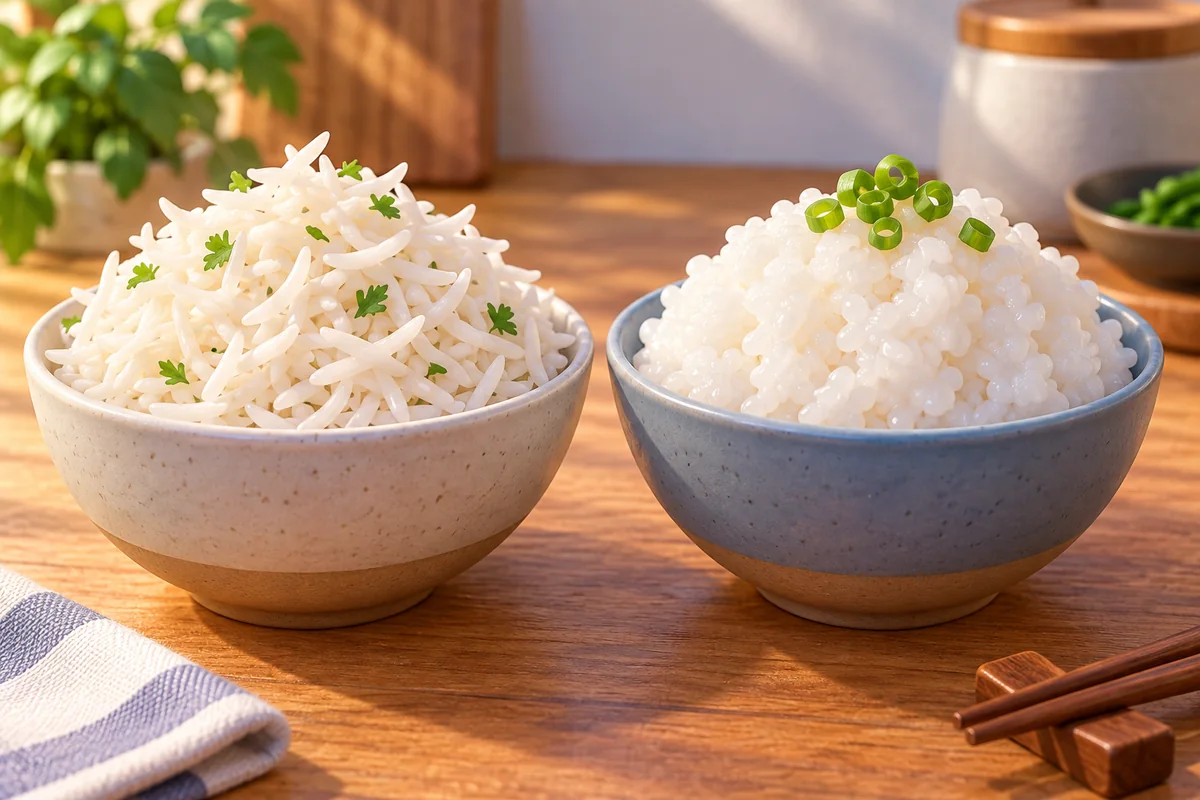
Use a texture word that matches the grains after cooking, not only the raw rice label. USA Rice’s variety guide describes long-grain rice as generally light and separate, medium-grain rice as moist and tender with grains that tend to cling, and short-grain rice as soft and sticky.
| Observed texture | Useful adjectives | Example sentence |
|---|---|---|
| Grains separate easily | fluffy, light, separate, firm | “The basmati rice was fragrant, light, and separate.” |
| Grains cling gently | moist, tender, chewy, cohesive | “The medium-grain rice was moist and tender.” |
| Grains hold together | sticky, soft, springy, plump | “The short-grain rice was soft and pleasantly sticky.” |
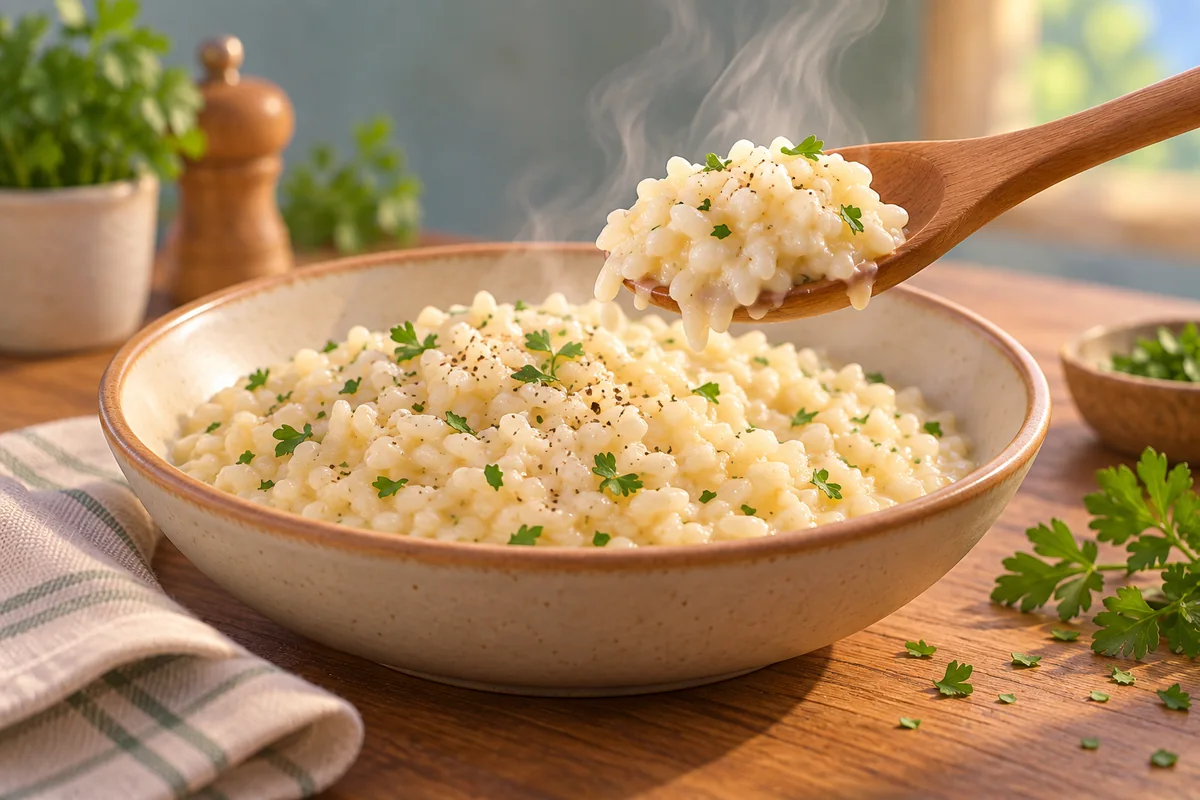
| Rice cooked into a smooth dish | creamy, silky, spoonable | “The risotto was creamy without losing every grain.” |
How do variety and preparation change the description?
Rice texture depends on starch composition and cooking, so grain length is a useful clue rather than a complete description. USA Rice notes that jasmine rice is long-grain yet can cook softer and clingier than many other long-grain varieties. A precise sentence can name both the variety and the result: “The jasmine rice was fragrant and moist, with grains that gently clung together.”
Flavor adjectives should stay specific. Nutty is useful for a noticeable toasted or whole-grain flavor; mild suits rice that mainly carries the seasonings around it. Avoid using bland as a synonym for mild unless you mean the dish lacks flavor. Likewise, sticky can be a desirable texture in one dish and an unwanted result in another.
Quick editing checklist
- Decide whether the sentence describes uncooked grains or cooked rice.
- Choose a texture word that matches what the grains do in the dish.
- Add aroma, flavor, or color only when that detail is noticeable and relevant.
- Name the variety when its cooking behavior explains an exception.
Frequently Asked Questions About Rice Adjectives
What adjective describes rice that does not stick together? Separate, fluffy, or loose can describe cooked grains that remain distinct. “Fluffy” adds a light, soft impression, while “separate” states more directly that the grains do not cling together.
Is sticky a positive adjective for rice? It depends on the dish. Sticky rice is desirable when a recipe needs the grains to hold together, while a pilaf is often expected to have separate grains. Describe the texture neutrally, then explain whether it suits the dish.
Can rice be described as fragrant? Yes. Fragrant or aromatic describes a noticeable smell, especially in varieties known for aroma. Use delicate when the scent is subtle, and name the variety if that information helps readers picture it.
What is the difference between chewy and sticky rice? Chewy describes resistance as you bite; sticky describes grains clinging together. A rice dish can be both, but the words report different texture qualities and should not be treated as synonyms.
When it comes to describing rice, the possibilities are endless. From fluffy and fragrant to sticky and savory, rice can take on a multitude of flavors and textures. In this article, I’ll be exploring a variety of adjectives that can be used to describe rice, along with examples to help paint a vivid picture. Whether you’re a food enthusiast looking to expand your culinary vocabulary or a writer in need of descriptive words, this guide will provide you with a range of adjectives to bring your descriptions of rice to life.
How to Describe rice? – Different Scenarios
When it comes to describing rice, there are a variety of scenarios in which you might need to use different adjectives. Whether you’re a food enthusiast looking to expand your culinary vocabulary or a writer in need of descriptive words, these examples will help bring your descriptions of rice to life.
1. Texture:
Describing the texture of rice is essential, as it sets the foundation for any dish. Here are some adjectives that capture the various textures of rice:
- Fluffy: Perfectly cooked grains that separate easily and have a light and airy texture.
- Sticky: Grains that cling together, creating a pleasing chewiness.
- Gooey: Grains that have a sticky and slightly adhesive texture.
- Crispy: Rice that has been cooked until it forms a golden crust, offering a delightful crunch.
2. Color:
The color of rice can add visual appeal to any dish. Consider these adjectives to describe the color of rice:
- White: Classic and pure, white rice is a staple in many cuisines.
- Golden: Rice with a vibrant, golden hue, often achieved by cooking it with spices.
- Black: A unique and striking option, black rice adds a dramatic touch to any plate.
- Purple: Rice that has a deep, rich purple color, making it an eye-catching choice for presentation.
3. Aroma:
The aroma of rice can be a defining characteristic of a dish. Here are some adjectives to describe the aroma of rice:
- Fragrant: Rice that emits a pleasing, enticing scent.
- Nutty: Rice with a distinct nut-like aroma, enhancing the overall flavor of the dish.
- Earthy: Rice that has an earthy aroma, reminiscent of the fields where it was grown.
4. Taste:
Lastly, the taste of rice can vary depending on the preparation and accompanying flavors. Consider these adjectives when describing the taste of rice:
- Mild: Rice with a subtle, delicate flavor that complements other ingredients.
- Buttery: Rice that has a rich, buttery taste, adding a touch of indulgence to any dish.
- Savory: Rice with a robust and savory flavor, perfect for pairing with hearty dishes.
Describing Words for rice in English
When it comes to describing rice, there are various adjectives that can help us paint a vivid picture of its texture, color, aroma, and taste. In this section, I’ll provide you with a list of words that can be used to describe rice in English.
Texture
The texture of rice can vary greatly depending on the variety and cooking method. Here are some adjectives that can be used to describe the texture of rice:
- Fluffy: Rice that is light, airy, and separates easily.
- Sticky: Rice that sticks together and has a slightly chewy texture.
- Creamy: Rice that is soft and smooth, with a creamy consistency.
- Gritty: Rice that has a slightly grainy or sandy texture.
- Crunchy: Rice that has been cooked until it forms a crispy, golden crust.
Color
Rice can come in different colors, ranging from white to various shades of brown. Here are some adjectives that can be used to describe the color of rice:
- White: The most common color of rice, which is pale and often associated with a clean and delicate appearance.
- Brown: Rice that has a slightly darker color due to the presence of the bran layer.
- Golden: Rice that has been cooked until it turns a rich, golden hue.
- Black: Rice that is dark in color and often associated with a nutty flavor.
- Red: Rice that has a reddish appearance and is known for its earthy flavor.
Aroma
The aroma of rice can be subtle or fragrant, depending on the variety and cooking method. Here are some adjectives that can be used to describe the aroma of rice:
- Fragrant: Rice that has a pleasant and aromatic smell.
- Earthy: Rice that has a slightly earthy or nutty aroma.
- Buttery: Rice that has a rich and buttery scent.
- Herbaceous: Rice that has a distinct herbal aroma.
- Sweet: Rice that has a sweet and inviting fragrance.
- Mild: Rice that has a subtle and gentle flavor.
- Savory: Rice that has a rich and savory taste.
Adjectives for rice
Positive Adjectives for Rice
When it comes to describing rice, there are many positive adjectives that can be used. Here are 12 examples of these adjectives and how they can be used in sentences:
| Adjective | Example Sentence |
|---|---|
| Fluffy | The rice was perfectly cooked and incredibly fluffy. |
| Fragrant | The aroma of the jasmine rice filled the kitchen. |
| Tender | The rice was so tender, it melted in my mouth. |
| Nutty | The brown rice had a delightful nutty flavor. |
| Moist | The risotto was cooked to perfection, with a moist and creamy texture. |
| Sticky | The sushi rice was sticky, allowing the rolls to hold together perfectly. |
| Satisfying | The hearty rice pilaf was a satisfying meal on its own. |
| Aromatic | The basmati rice had an aromatic scent that made my mouth water. |
| Warm | The steaming bowl of rice was warm and comforting. |
| Chewy | The stir-fried rice had a pleasantly chewy texture. |
| Delicious | The fried rice was packed with flavor and absolutely delicious. |
| Light | The jasmine rice was light and fluffy, making it a perfect accompaniment to the main dish. |
Negative Adjectives for Rice
While rice is generally enjoyed by many, there are also negative adjectives that can be used to describe it. Here are 5 examples of these adjectives and how they can be used in sentences:
| Adjective | Example Sentence |
|---|---|
| Mushy | The overcooked rice turned out mushy and unappetizing. |
| Salty | The rice was overly salty and lacked flavor. |
| Bland | Unfortunately, the plain white rice was quite bland. |
| Gluggy | The sticky rice ended up being gluggy and difficult to separate. |
| Undercooked | The undercooked rice had a hard texture and was not pleasant to eat. |
Synonyms and Antonyms with Example Sentences
Synonyms for Rice
When it comes to describing rice, there are a variety of synonyms that can help paint a vivid picture and enhance your culinary vocabulary. Here are some words you can use:
- Fluffy: Rice that is light and airy, with each grain separate and not clumping together. Example sentence: “I love the fluffy texture of this basmati rice.”
- Fragrant: Rice that has a pleasant aroma, often with a hint of nuttiness or sweetness. Example sentence: “The jasmine rice fills the kitchen with its fragrant scent.”
- Tender: Rice that is soft and delicate, easily chewed. Example sentence: “The risotto was cooked perfectly, with beautifully tender rice.”
- Nutty: Rice that has a subtle nutty flavor, adding depth to dishes. Example sentence: “The wild rice brings a lovely nutty taste to the pilaf.”
- Moist: Rice that is slightly moist and not dry. Example sentence: “The paella had moist, flavorful rice that was a delight to eat.”
- Sticky: Rice that becomes adhesive when cooked, often used in dishes like sushi. Example sentence: “The sticky rice in the sushi rolls helps hold everything together.”
- Satisfying: Rice that offers a feeling of fullness and contentment when eaten. Example sentence: “A warm bowl of rice and beans is a satisfying meal.”
- Aromatic: Rice that releases a strong, pleasant scent when cooked. Example sentence: “The basmati rice has an aromatic fragrance that enhances the dish.”
- Warm: Rice that is served hot, providing comforting warmth. Example sentence: “A bowl of warm rice pudding is the perfect dessert on a chilly evening.”
- Chewy: Rice that requires a bit of chewing but is still tender. Example sentence: “The sushi rice has a satisfyingly chewy texture.”
- Delicious: Rice that is incredibly tasty and enjoyable. Example sentence: “The fried rice was bursting with delicious flavors.”
- Light: Rice that is not heavy and is easy to digest. Example sentence: “The pilaf had a light and delicate rice base.”
Antonyms for Rice
On the other hand, if you want to highlight the negative aspects of rice or describe rice that is not desirable, here are some antonyms you can use:
- Mushy: Rice that is overcooked and has a soft, porridge-like consistency. Example sentence: “The rice pudding was too mushy for my liking.”
- Salty: Rice that tastes excessively salty, overpowering the other flavors. Example sentence: “The stir-fried rice was too salty for my palate.”
- Bland: Rice that lacks flavor and is unexciting to the taste buds. Example sentence: “The plain white rice was a bit bland for my liking.”
- Gluggy: Rice that is sticky, clumpy, and has a heavy texture. Example sentence: “The overcooked rice became gluggy and difficult to eat.”
- Undercooked: Rice that is not fully cooked and remains hard and crunchy. Example sentence: “The undercooked rice had an unpleasant texture.”
Using these synonyms and antonyms, you can add depth and variety to your descriptions of rice, whether you want to emphasize its positive qualities or draw attention to its negative aspects.
Conclusion
In this article, we have explored a wide range of adjectives that can be used to describe rice. By focusing on both positive and negative adjectives, we have provided readers with a comprehensive list of descriptive words that can enhance their culinary vocabulary. From fluffy and fragrant to tender and nutty, these adjectives allow us to paint vivid pictures of rice in our writing.
By including example sentences for each adjective, we have demonstrated how these words can be used in context, giving writers a clear understanding of how to incorporate them into their descriptions. Whether you are looking to describe a perfectly cooked bowl of rice or a disappointing undercooked batch, our list of adjectives has got you covered.
Furthermore, we have introduced synonyms and antonyms for rice, expanding the possibilities for descriptive language even further. These alternative words allow us to add depth and variety to our descriptions, ensuring that our writing remains engaging and captivating.
This article serves as a valuable resource for anyone looking to elevate their descriptions of rice. By utilizing these adjectives, synonyms, and antonyms, you can create mouth-watering descriptions that truly capture the essence of this versatile grain.


