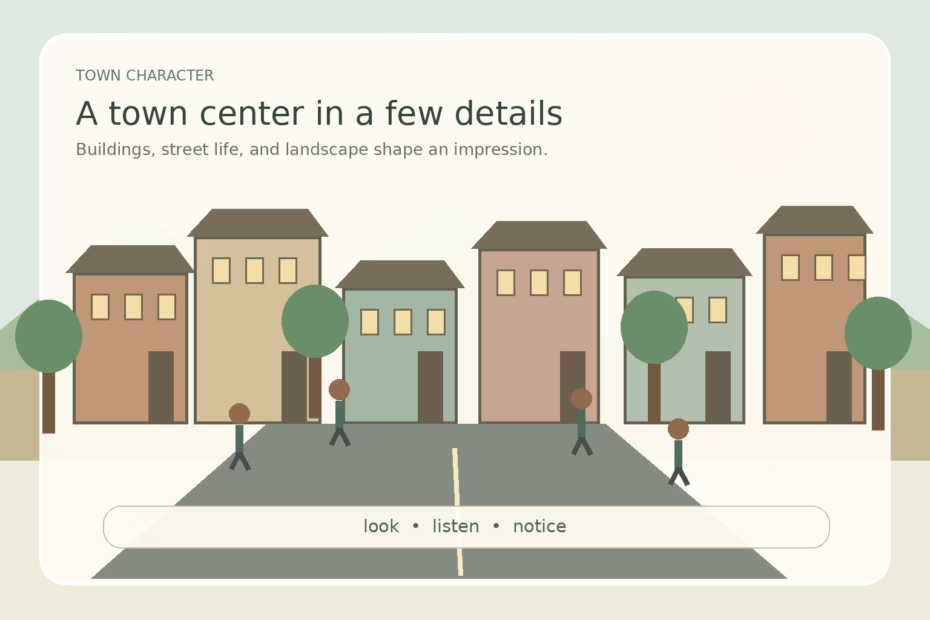
A town can feel historic, lively, coastal, close-knit, or spread out—and several of these qualities may describe the same place. The strongest town adjectives point to something readers can picture or hear, such as a tree-lined main street, a crowded market, or a quiet harbor. Use the examples below to choose words that fit the details you want to show.
Choose town adjectives by what you notice
Instead of picking a word only because it sounds positive, decide which part of the town you are describing. A useful adjective narrows the picture: historic points to age and heritage, hilly to the landscape, and walkable to how easy it is to get around on foot.
- Buildings and streets: historic, brick-lined, compact, modern, well-preserved, or industrial. “The historic town has a brick courthouse and a row of restored storefronts.”
- Setting and landscape: coastal, riverside, hilly, wooded, windswept, or sunlit. “The riverside town follows the curve of the water beneath wooded slopes.”
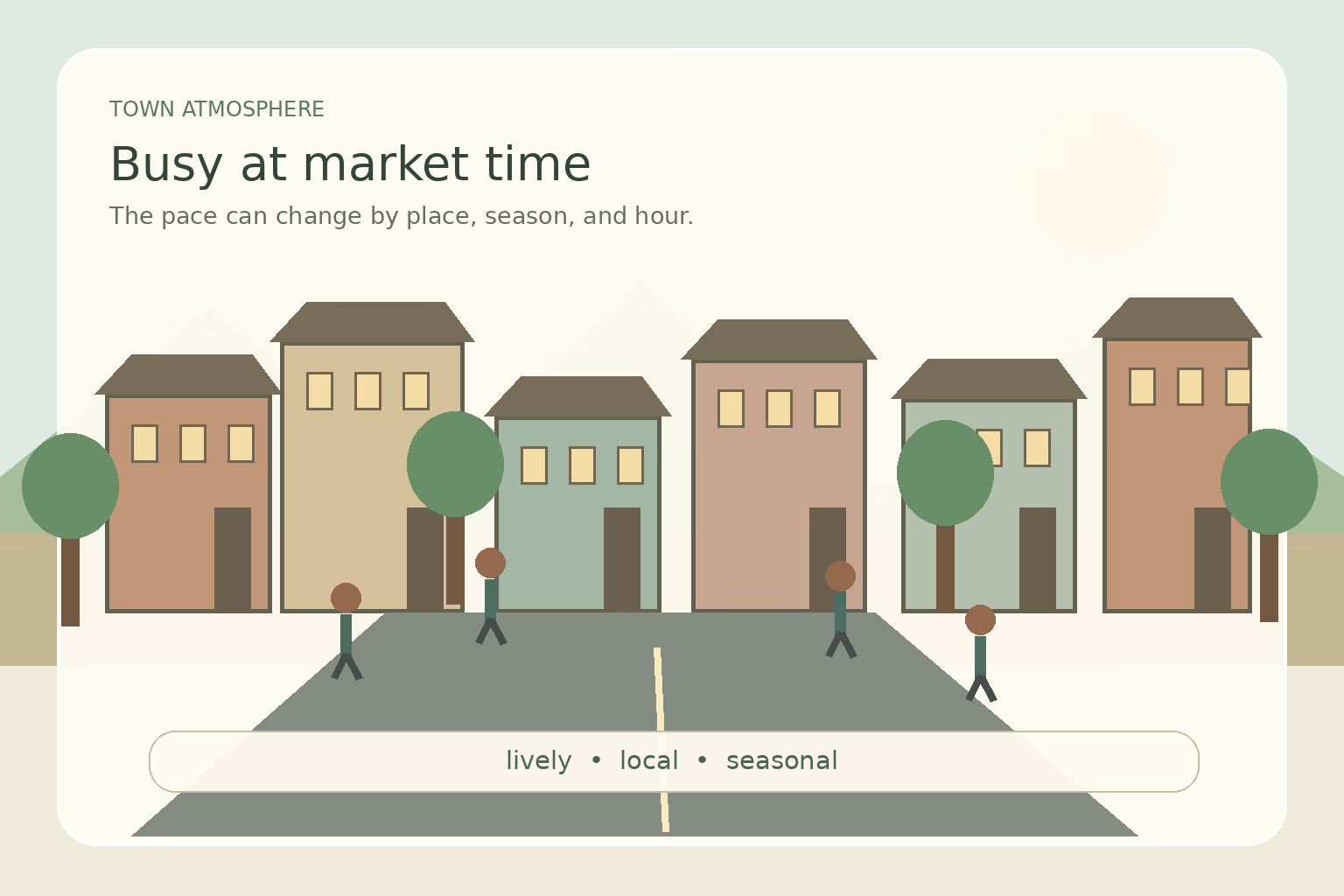
- Pace and sound: bustling, quiet, unhurried, lively, noisy, or sleepy. “The usually quiet town becomes lively when the Saturday market opens.”
- Community and culture: close-knit, diverse, artistic, welcoming, multilingual, or student-filled. “The diverse town celebrates its many traditions at a neighborhood food fair.”
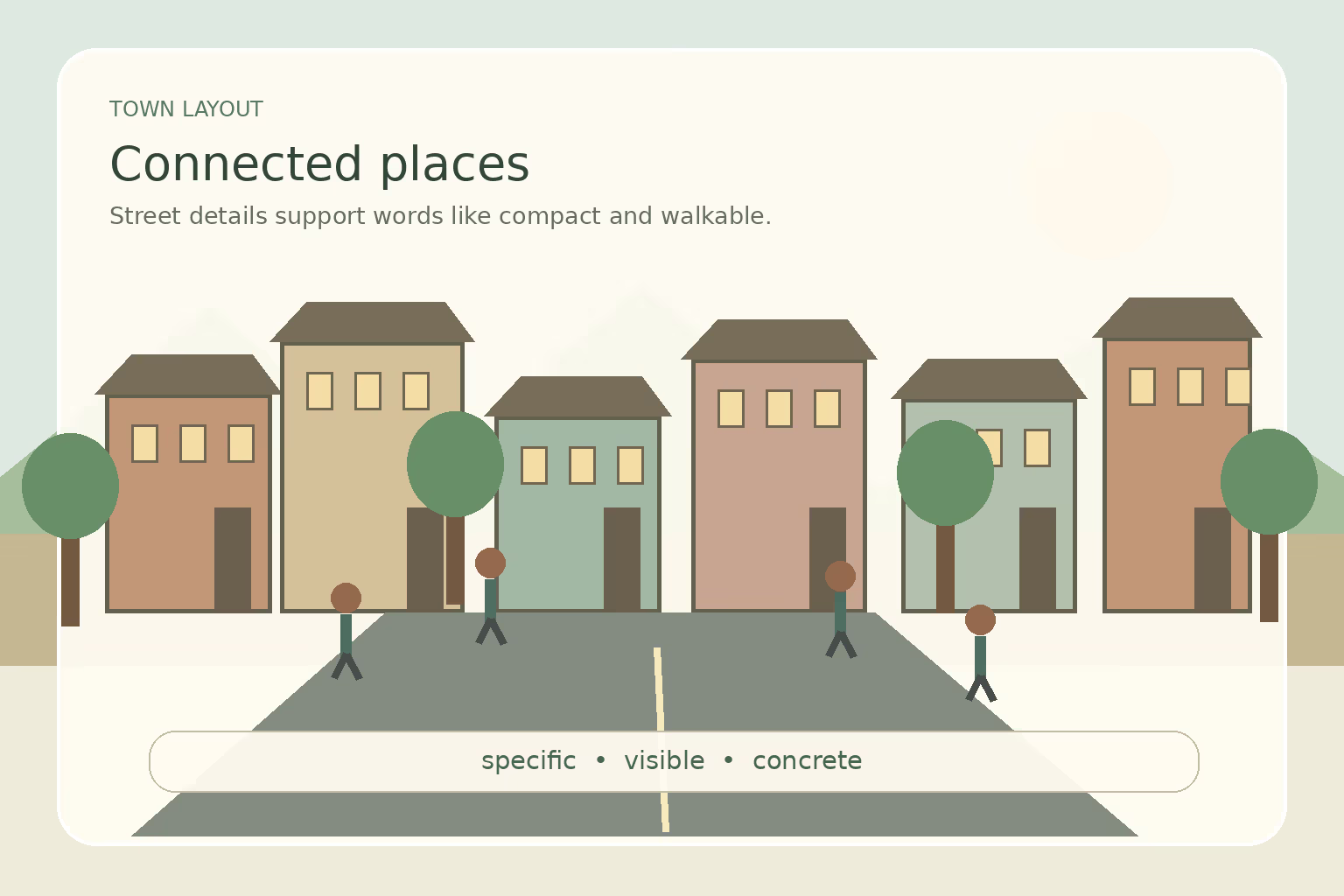
- Access and layout: walkable, spread-out, well-connected, congested, or car-dependent. “The compact, walkable town links the library, shops, and station along one main street.”
Describe a town with precise examples
Pair an adjective with evidence. “A charming town” gives an opinion; “a charming town with painted cottages, flower boxes, and a weekly craft market” shows what prompted that impression. You can also combine different kinds of detail: “The coastal town is breezy in the morning, bustling around the pier at noon, and quiet again after sunset.”
Try this simple pattern: adjective + place + observable detail. For example: “The hilly town climbs above the river, and its steep lanes open onto wide views of the valley.” Sensory details help too: mention the smell of bread from a bakery, bells from a church, traffic along a narrow road, or wind moving through trees. Choose details that suit the scene instead of stacking several near-synonyms.
Positive, neutral, and critical descriptions
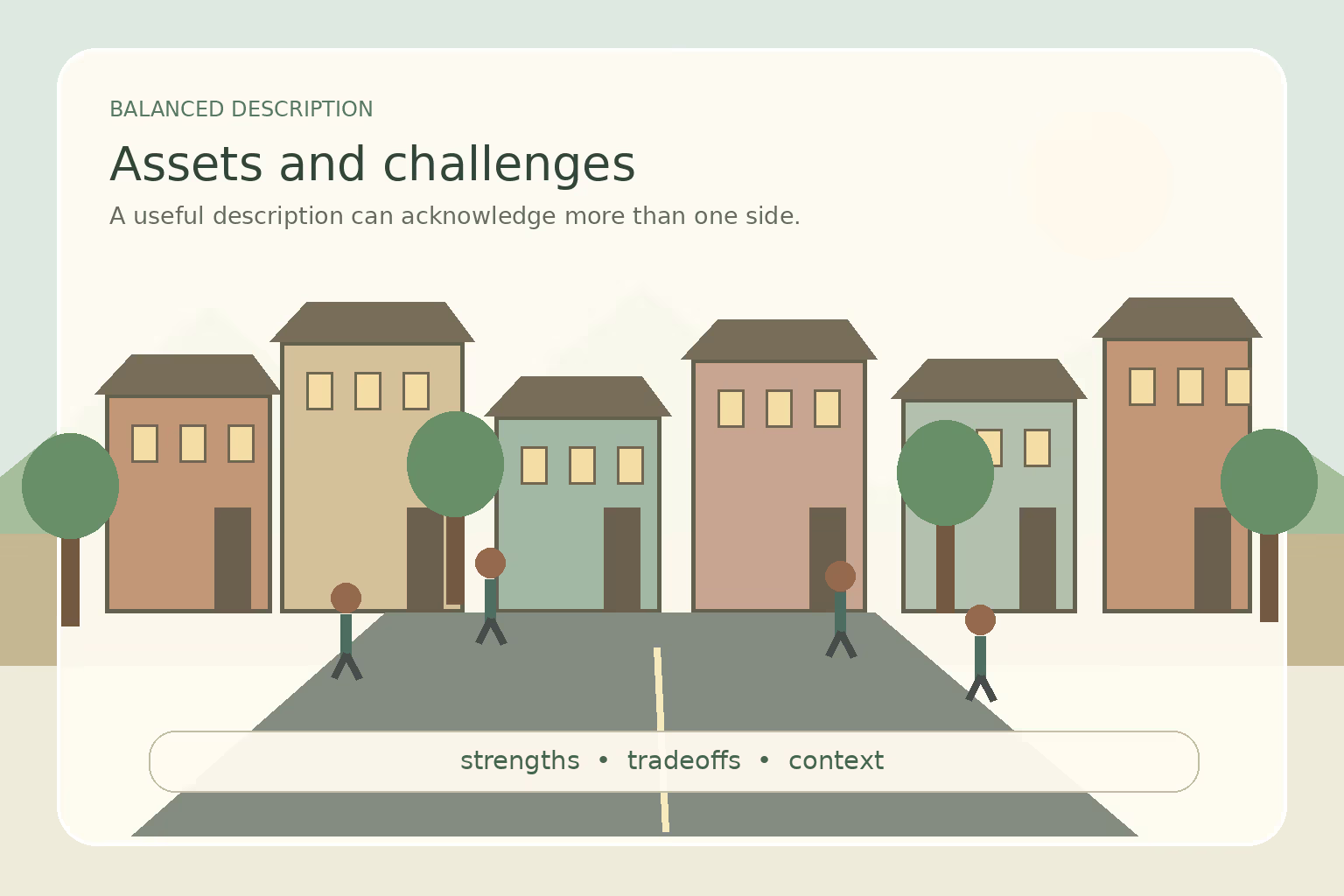
Adjectives can express approval, report a feature, or criticize a problem. Picturesque and welcoming usually sound approving; coastal and densely built are more neutral; congested, polluted, or neglected point to concerns. Be specific when a word makes a serious judgment. “The town is unsafe” is broad; “the unlit crossing felt unsafe after dark” identifies a particular experience. A town may also have both assets and challenges: “The historic center is picturesque, though rush-hour traffic makes its narrow streets congested.”
Are village, city, and countryside antonyms of town?
Not exactly. Village, city, and hamlet are related settlement terms whose meanings and legal status vary by region; a city can also be called a town in some uses. Countryside and wilderness contrast with built-up places in many contexts, but they are not direct antonyms in every sentence. Isolated is an adjective describing a location, not a noun for a settlement. For a clear contrast, describe the feature itself: “a remote village rather than a busy town center.”
Quick writing tip
Use one or two precise adjectives, then let a concrete detail do the rest. “A lively harbor town filled with music from open-air cafés” gives readers more than a long string of labels. Choose the words that match the place, time, and point of view in your description.
Welcome to my article on adjectives for towns! In this piece, I’ll be sharing a list of descriptive words that can be used to paint a vivid picture of any town. Whether you’re a writer looking to add depth to your descriptions or simply curious about the different ways towns can be characterized, this article is for you.
From bustling metropolises to quaint villages, towns come in all shapes and sizes, each with its own unique charm. By using the right adjectives, you can capture the essence of a town and transport your readers to its streets and neighborhoods. So, whether you’re looking to describe the architecture, atmosphere, or overall vibe of a town, I’ve got you covered with a variety of examples and explanations.
So, without further ado, let’s dive into the world of adjectives for towns and explore the colorful language that can bring these vibrant places to life.
How to Describe town? – Different Scenarios

Describing a town is like capturing its essence in words, painting a picture that transports readers to its vibrant streets. There are various scenarios in which we can describe a town, each allowing us to focus on different aspects that make it unique. Let’s explore some of these scenarios and the adjectives that we can use to bring them to life:
- Historic Town:
- Coastal Town:
- Rural Town:
- Bustling Town:
- Quirky Town:
Remember, these are just a few scenarios in which we can describe towns. Each town has its own unique charm, so don’t be afraid to explore different adjectives to capture its essence. Let your imagination roam and bring your descriptions to life!
Describing Words for town in English

When it comes to describing towns, there are a multitude of adjectives that can help paint a vivid picture. Whether you’re exploring a historic town, a coastal town, a rural town, a bustling town, or a quirky town, each one has its own unique charm. Let’s dive into some descriptive words that can bring these towns to life.
Historic Towns
- Charming: The historic town is filled with charming old buildings.
- Picturesque: The main street is lined with picturesque houses.
- Quaint: The town square has a quaint little café.
- Timeless: Walking through the cobblestone streets feels like stepping back in time.
- Enchanting: The historic church is an enchanting sight.
Coastal Towns
- Scenic: The coastal town offers scenic views of the ocean.
- Lively: The beachfront is always lively with surfers and beachgoers.
- Breezy: The coastal breeze is refreshing during hot summer days.
- Nautical: The town is filled with nautical-themed shops and restaurants.
- Seaside: The charming seaside town is a popular tourist destination.
Rural Towns
- Peaceful: The rural town is nestled among rolling hills and offers a peaceful atmosphere.
- Tranquil: The sound of chirping birds makes this rural town exceptionally tranquil.
- Quaint: The main street is lined with quaint country cottages.
- Idyllic: The town’s idyllic countryside setting is a perfect escape from city life.
- Close-knit: The tight-knit community in this rural town is welcoming and friendly.
Bustling Towns
- Vibrant: The bustling town has a vibrant nightlife and a thriving arts scene.
- Energetic: The streets are filled with the energetic hustle and bustle of people.
- Cosmopolitan: The town attracts a diverse and cosmopolitan crowd.
- Dynamic: The town is constantly evolving with new shops, restaurants, and attractions.
- Lively: The town square is always lively with street performers and outdoor markets.
- Eccentric: The quirky town is known for its eccentric residents and unique shops.
- Offbeat: The offbeat charm of the town sets it apart from the ordinary.
- Whimsical: The whimsical
Adjectives for town
Positive Adjectives
When describing towns, there are a plethora of positive adjectives that can help bring them to life. Here are some examples of positive adjectives and how they can be used to describe different aspects of a town:
- Charming: The historic town is filled with charming cobblestone streets and quaint shops.
- Picturesque: The coastal town offers picturesque views of the sparkling ocean and sandy beaches.
- Quaint: The rural town is known for its quaint cottages and peaceful surroundings.
- Enchanting: The bustling town comes alive at night, with enchanting lights and lively music.
- Scenic: The coastal town boasts scenic coastal cliffs and breathtaking sunsets.
- Lively: The bustling town is always buzzing with lively festivals and events.
- Breezy: The coastal town is known for its refreshing breezes and laid-back atmosphere.
- Nautical: The coastal town is a hub for nautical activities such as sailing and fishing.
- Peaceful: The rural town offers a peaceful retreat from the hustle and bustle of city life.
- Tranquil: The rural town is surrounded by tranquil lakes and rolling green hills.
- Idyllic: The rural town is the epitome of an idyllic countryside setting, with its picturesque landscapes.
- Vibrant: The bustling town is vibrant and full of energy, with its thriving arts scene and bustling marketplaces.
Negative Adjectives
It’s important to acknowledge that not all towns have positive attributes. Here are some examples of negative adjectives that can be used to describe certain aspects of a town:
- Dull: The small town lacks excitement and entertainment options.
- Dirty: The urban town is known for its dirty streets and polluted air.
- Congested: The bustling town is often congested with traffic, making it difficult to get around.
- Noisy: The urban town is constantly filled with noisy construction and honking cars.
- Unsafe: The crime rate in the urban town is relatively high, making it feel unsafe at times.
There are a wide range of adjectives that can be used to describe towns, each capturing a different aspect or characteristic. Whether it’s the charm of a historic town, the beauty of a coastal town, the tranquility of a rural town, the energy of a bustling town, or the uniqueness of a quirky town, there are adjectives to suit every description.
Synonyms and Antonyms with Example Sentences

Synonyms for town
When it comes to describing towns, there are various synonyms that can be used to paint a vivid picture. Here are a few examples of synonyms for the word “town” and how they can be used:
- City: The bustling city buzzed with activity as people hurriedly made their way through the busy streets.
- Village: The quiet village offered a peaceful retreat with its quaint cottages and meandering rivers.
- Hamlet: The tiny hamlet nestled among rolling hills, seemingly untouched by time, was a serene escape from the chaos of city life.
- Township: The close-knit township was known for its strong community spirit and shared values.
- Municipality: The well-maintained municipality boasted clean streets, parks, and public amenities for its residents.
Antonyms for town
In contrast to synonyms, antonyms represent words that have opposite meanings. Here are some antonyms for the word “town” and how they can be used:
- Wilderness: The vast expanse of untouched land was a stark contrast to the bustling town I had just left behind.
- Countryside: The serene countryside offered a peaceful respite from the noise and congestion of urban life.
- Nature reserve: The protected nature reserve was a stark departure from the development and infrastructure found in a typical town.
- Isolated: The remote cabin stood alone, far away from any town or human settlement.
- Wilderness: The sprawling wilderness provided a stark contrast to the busy streets of the nearby town.
Using these synonyms and antonyms can help make your descriptions of towns more engaging and varied. By capturing different aspects of a town’s character, you can bring your writing to life and create a more vivid image for your readers.
Conclusion
Describing towns can be a creative and engaging task. By using synonyms and antonyms, we can add depth and variety to our descriptions, allowing readers to truly immerse themselves in the world we create.
Throughout this article, I’ve shared examples of synonyms such as city, village, hamlet, township, and municipality. These words offer different perspectives and nuances, enabling us to paint a vivid picture of a town. On the other hand, antonyms like wilderness, countryside, nature reserve, isolated, and wilderness represent the opposite meanings to the word “town”, providing a contrasting view.
By incorporating these descriptive words into our writing, we can evoke specific emotions and atmospheres. Whether we want to convey the bustling energy of a city or the peaceful tranquility of a countryside, the right choice of adjectives can make all the difference.
So, next time you’re describing a town, remember to explore the vast array of synonyms and antonyms available. This will not only enhance your writing but also captivate your readers, allowing them to truly experience the world you’ve created.