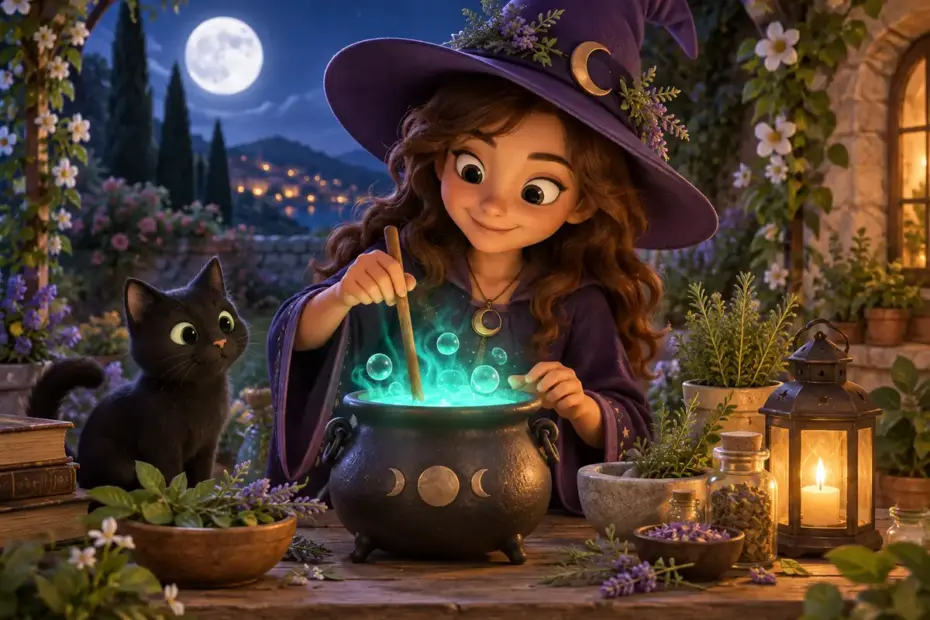
Adjectives for Witches: Words for Character & Mood
Adjectives for a witch work best when they reveal a specific part of the character: temperament, magical skill, appearance, or atmosphere. In fantasy, resourceful, secretive, and benevolent build different portraits; the word witch also has real-world meanings, so keep storybook stereotypes separate from descriptions of actual people or religious practice.
- Personality: resourceful, patient, impulsive, guarded.
- Magic: skilled, novice, intuitive, spellbinding.
- Mood: eerie, whimsical, solemn, mysterious.
- Appearance: weathered, elegant, silver-haired, cloaked.
- Ethics: benevolent, protective, selfish, cruel—based on actions in the story.
How do you choose an adjective for a witch character?
Start with evidence from the scene: what does the witch do, how does she treat others, and what mood should the reader feel? Cambridge Dictionary defines the story sense of witch around a woman believed to have magical powers that may help or harm people; this definition does not require the character to be evil.
| Writing goal | Adjectives to try | Example |
|---|---|---|
| Show kindness | benevolent, protective, patient | The protective witch returned the lost child to the village. |
| Show expertise | skilled, practiced, meticulous | The meticulous witch measured each herb before the spell. |
| Build suspense | secretive, ominous, enigmatic | An enigmatic witch left a silver key on the doorstep. |
| Make the scene playful | eccentric, mischievous, whimsical | The mischievous witch enchanted the teapot to sing. |
| Describe appearance | cloaked, silver-haired, elegant | A cloaked traveler stepped out of the mist. |
How can a writer avoid a one-note “wicked witch”?
Give the character a goal, a limitation, and a reason for acting. A protective witch who refuses to use magic for revenge is more specific than a “good witch,” while a brilliant witch who overestimates a spell has both ability and a flaw.
- Name the trait: decide whether the scene emphasizes patience, ambition, fear, humor, or skill.
- Show a choice: use a concrete action to support the adjective.
- Add a limit: a cost, rule, or mistaken assumption makes magical power believable.
- Match the tone: sinister suits threat; eccentric suggests unusual behavior without making it evil.
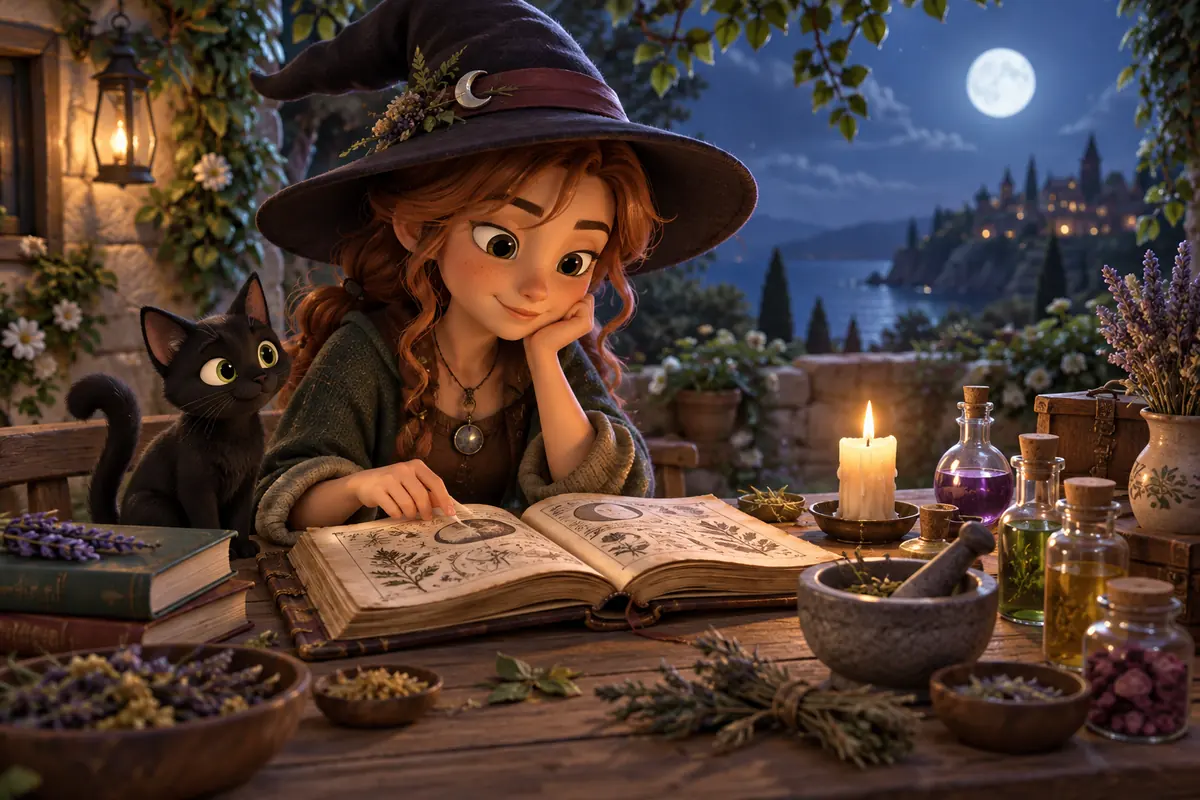
Are “witch,” “sorceress,” and “enchantress” interchangeable?
Not always. These labels overlap in fiction, but authors use them to signal different settings, traditions, or kinds of magic. Define the role through the story rather than relying on a rigid rule that every witch, sorceress, or enchantress must share the same abilities or morality.
Can “witch” be an insult?
Yes. Cambridge Dictionary also records an informal, disapproving use of witch as an insult. In everyday writing, avoid using it to judge a real person; if you mean that someone acted unfairly, describe the action rather than reaching for a gendered label.
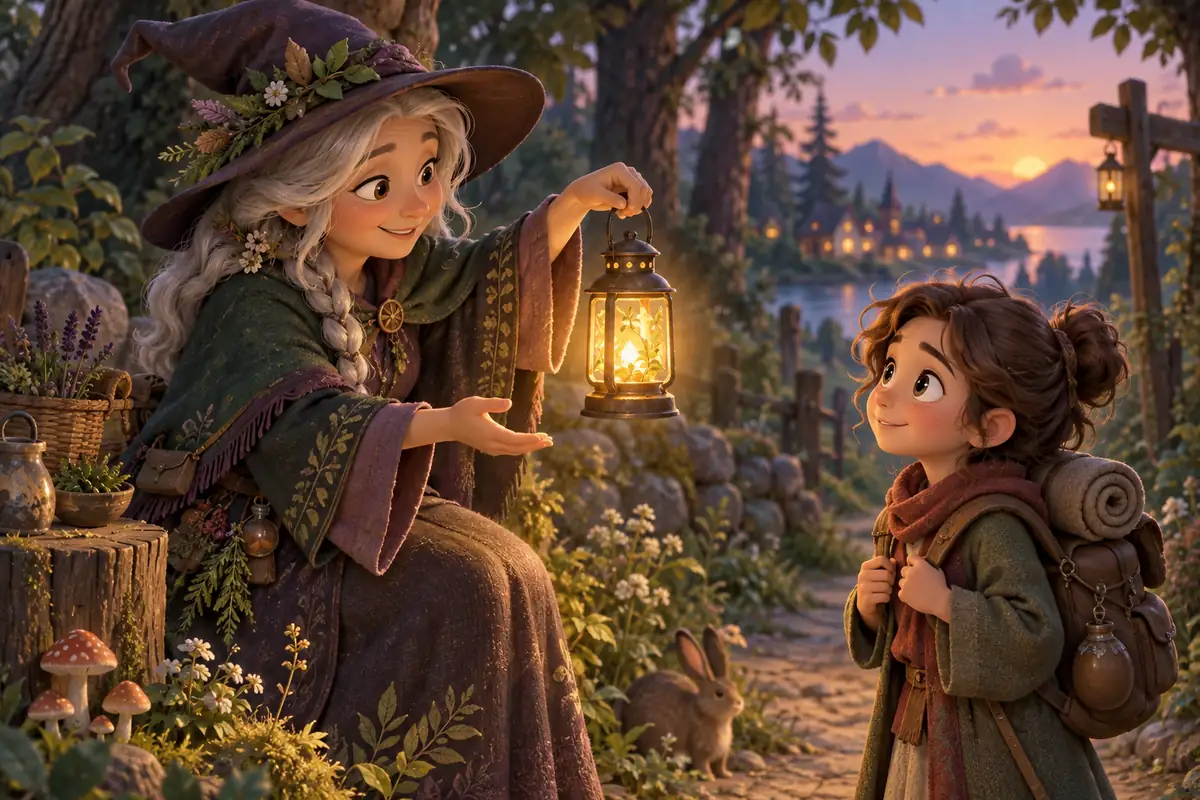
Frequently Asked Questions About Adjectives for Witches
What are positive adjectives for a witch?
Benevolent, wise, resourceful, protective, and curious can describe positive traits. Choose a word that fits what the character does: protective works when she guards someone, while resourceful fits a character who solves a problem with limited tools.
What adjectives make a witch sound scary?
Ominous, sinister, menacing, and cunning can create unease, but they suggest different things. An ominous setting foreshadows trouble; a cunning character plans carefully; a menacing character presents an immediate threat.
Can a witch be described as kind?
Yes. The word itself does not require a villainous personality. A witch may be kind, selfish, protective, funny, or conflicted; the strongest adjective follows from the character’s behavior in the scene.
Context for the original list: The examples below are retained verbatim as creative-writing material. Their dramatic labels describe fictional portrayals and should not be generalized to real people who identify with witchcraft.
Original article
When it comes to describing witches, the English language offers a plethora of adjectives that can capture their mysterious and enchanting nature. From wicked and cunning to magical and alluring, these descriptive words paint a vivid picture of these captivating characters. In this article, I’ll explore a range of adjectives that can be used to describe witches, accompanied by examples to illustrate their usage. So whether you’re writing a spooky story or simply fascinated by the world of witchcraft, this guide will help you find the perfect words to bring these bewitching beings to life.
- Mysterious: Witches are often shrouded in an air of mystery, with their arcane knowledge and hidden powers. Their actions and intentions are often cloaked in secrecy, adding to their enigmatic allure. For example, “The mysterious witch cast a spell that left the town in awe.”
- Bewitching: Witches possess an undeniable charm that can captivate those around them. Their beauty and charisma can be both enchanting and dangerous. For instance, “The bewitching witch had a smile that could cast a spell on anyone who dared to look into her eyes.”
- Malevolent: While not all witches are evil, the image of a malevolent witch has been deeply ingrained in popular culture. This adjective describes a witch who is wicked, malicious, and intends harm. As an illustration, “The malevolent witch cackled with delight as she plotted her next evil deed.”
How to Describe witch? – Different Scenarios
When it comes to describing witches, the English language offers a plethora of adjectives to capture their mysterious and enchanting nature. Depending on the scenario, you can choose the perfect words to bring these captivating characters to life. Allow me to guide you through various scenarios and the adjectives that best describe witches in each one:
- Appearance
- Personality
- Powers
- Actions
Describing Words for witch in English
When it comes to describing witches, there is a rich assortment of adjectives that can paint a vivid picture. From their appearance to their personality and powers, these words help us bring witches to life in our imagination or writing. Here are some adjectives to describe witches in different contexts:
1. Appearance:
- Traditional: Haggard, wrinkled, cloaked, hooded, warty, wizened, gaunt, bony, raven-haired, fair-skinned, ageless, otherworldly.
- Modern: Edgy, tattooed, bohemian, stylish, unconventional, glamorous, youthful, androgynous, enigmatic, alluring.
- Fairy tale: Enchanting, ethereal, radiant, bejeweled, mischievous, whimsical, sylph-like, sylvan, graceful, otherworldly.
2. Personality:
- Wise: Sage, insightful, prophetic, enigmatic, cunning, mysterious, introspective, solitary, reclusive, nurturing, compassionate, fierce.
- Mischievous: Playful, impish, teasing, sly, devious, cunning, rebellious, free-spirited, independent, enigmatic, charming.
- Malevolent: Dark, sinister, cunning, manipulative, vengeful, cruel, power-hungry, cold, calculating, deceptive, shadowy.
3. Powers:
- Elemental: Fiery, earthy, watery, airy, celestial, lunar, solar, mystical, primal, ancient, potent, raw, chaotic, controlled.
- Illusionary: Deceptive, mesmerizing, enchanting, beguiling, transformative, shapeshifting, telepathic, clairvoyant, prophetic.
- Healing: Restorative, rejuvenating, nurturing, calming, soothing, revitalizing, empathic, intuitive, compassionate, benevolent.
4. Actions:
- Brewing: Stirring, chanting, incanting, simmering, bubbling, swirling, conjuring, mesmerizing, enchanting, empowering.
- Flying: Soaring, gliding, swooping, diving, dancing, twirling, ethereal, graceful, powerful, swift, silent.
- Transforming: Morphing, shapeshifting, transmuting, enchanting, disguising, concealing, revealing, empowering, liberating.
By using these descriptive words, we can create a more engaging and captivating portrayal of witches. Whether you’re writing a story, poem, or simply satisfying your fascination with witchcraft, these adjectives will help enhance your descriptions and bring your witches to life.
Remember, the power of words lies in their ability to paint a vivid picture in the reader’s mind. With these adjectives, you can tap into the mystique and allure of witches and create a truly enchanting narrative.
Adjectives for witch
As a writer, I understand the importance of using descriptive words to bring characters to life. When it comes to witches, finding the right adjectives can make all the difference in creating captivating and engaging portrayals. In this section, I’ll explore a range of adjectives that can be used to describe witches, both positive and negative.
Positive Adjectives for Witch
Witches, despite their portrayal in many stories, can possess a wide range of positive qualities. Here are some adjectives that can capture their more positive aspects:
| Adjective | Definition | Example Sentence |
|---|---|---|
| Enchanting | Fascinating or charming | The witch’s enchanting presence filled the room. |
| Resourceful | Clever and quick-witted | The resourceful witch always found a solution. |
| Wise | Knowledgeable and insightful | The wise witch offered sage advice to her coven. |
| Empowered | Strong and self-assured | The empowered witch stood tall against her enemies. |
| Mystical | Having an air of magic and mystery | The mystical witch could see into the future. |
Negative Adjectives for Witch
While witches can possess positive qualities, they are often depicted with negative traits. Here are some adjectives that capture their darker side:
| Adjective | Definition | Example Sentence |
|---|---|---|
| Sinister | Threatening or malevolent | The witch’s sinister smile sent shivers down my spine. |
| Deceptive | Dishonest or misleading | The deceptive witch used her magic to manipulate others. |
| Malicious | Intending harm or evil | The malicious witch cursed anyone who crossed her path. |
| Vengeful | Seeking revenge and holding grudges | The vengeful witch plotted to get even with her enemies. |
| Cursed | Doomed or under a spell | The cursed witch wandered through the forest, forever alone. |
Synonyms and Antonyms with Example Sentences
Synonyms for Witch
When it comes to describing witches, there are many synonyms that can add depth and richness to your writing. Here are some examples:
- Enchantress – A powerful enchantress who can cast spells with a wave of her hand.
- Sorceress – The sorceress used her dark magic to control the elements.
- Conjurer – The ancient conjurer summoned mystical creatures from another realm.
- Mystic – The mystic witch gazed into her crystal ball, uncovering secrets of the future.
- Spellcaster – She was a skilled spellcaster who wielded magic with ease.
- Magic user – The magic user utilized her magical abilities to protect the realm.
Antonyms for Witch
On the other hand, if you want to highlight the opposite characteristics of a witch, here are some antonyms that you can use:
- Angel – She was as pure and kind as an angel, the complete opposite of a witch.
- Heroine – In this fantastical world, the heroine fought for justice, while the witches plotted in the shadows.
- Fairy – The fairy spread joy and happiness wherever she went, unlike the witches who thrived on darkness.
- Princess – The gentle-hearted princess ruled with compassion, ensuring harmony in the land.
- Protector – Unlike the witches, the protector worked tirelessly to defend the weak and vulnerable.
- Good witch – While some witches embraced darkness, there were those known as good witches who used their powers for good.
Using these synonyms and antonyms will help you create vivid and engaging descriptions of witches, whether they are enchanting and mystical or heroes and protectors. Remember to choose the right words to captivate your readers and transport them into a world of magic and fantasy.
Conclusion
Describing witches with adjectives adds depth and intrigue to their portrayals in writing. By using descriptive words related to appearance, personality, powers, and actions, we can create captivating and engaging descriptions of these mystical beings. From enchanting and resourceful to sinister and vengeful, the adjectives we choose bring witches to life on the page.
In addition to exploring a range of positive and negative adjectives, we also introduced synonyms and antonyms for the word “witch.” Synonyms like “enchantress,” “sorceress,” and “spellcaster” offer alternative ways to describe these magical beings, while antonyms such as “angel” and “princess” provide contrasting perspectives.
By incorporating these adjectives, synonyms, and antonyms into our writing, we can paint vivid pictures of witches, whether they are portrayed as powerful and mysterious or as heroes and protectors. So, the next time you’re crafting a story or essay involving witches, remember to choose your adjectives wisely to create an enchanting and captivating portrayal.


